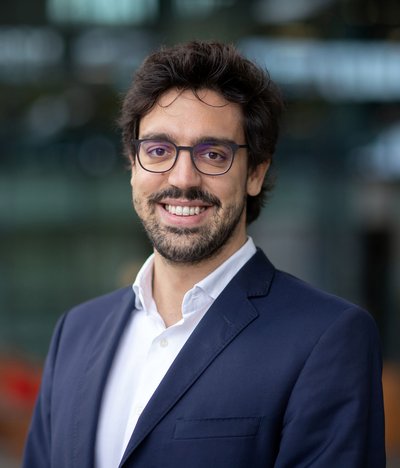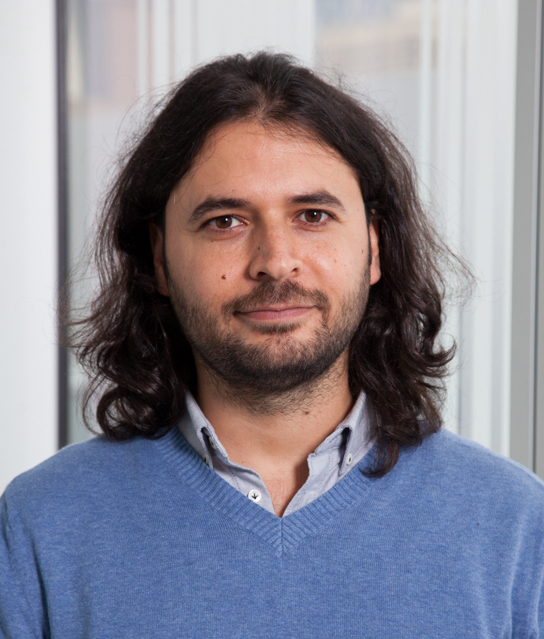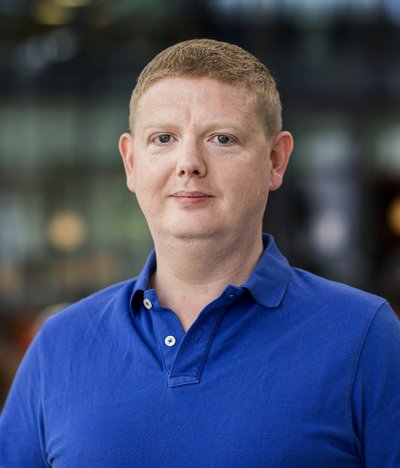
Professor Zoran Kapelan serves as Chair of Urban Water Infrastructure within the Department of Water Management at Delft University of Technology's Faculty of Civil Engineering and Geosciences. With over 30 years of experience in water engineering, he joined TU Delft in 2018 after leading the Water and Environment Group at the University of Exeter for 19 years, following a decade in international consultancy. His research spans smart water systems, hydroinformatics, and sustainable urban water infrastructure management. Key focus areas include AI-driven solutions for drinking water distribution (leakage detection, pressure management), sewer systems optimization (blockage prediction, sustainable drainage), asset management, and flood risk assessment. He pioneers methodologies integrating artificial intelligence, real-time control, and decision-making under uncertainty to address climate change adaptation and circular economy principles in water systems. Recent publications (2024-2025) reveal strong trends in deep learning applications for infrastructure monitoring (sewer crack detection, floating litter quantification), resource recovery assessment frameworks, and advanced modeling of non-Newtonian fluid dynamics in wastewater systems. His work increasingly emphasizes circular economy metrics, environmental risk assessment of novel materials, and co-developed sustainable solutions through serious gaming approaches. Editor, Journal of Water Resources Planning and Management (ASCE) Associate Editor, Water Resources Research Member, IWA Digital Water Steering Committee Member, External Scientific Advisory Council of KWR Prof. Kapelan has secured over €10 million in research funding across 50+ EU, RCUK, and industry grants. His supervision portfolio includes 40+ PhD students and 25+ postdocs, with significant industry impact through commercialized technologies like AI-based pipe burst detection systems deployed by United Utilities serving 7 million customers. He coordinates TU Delft's Urban Drainage and Water Management course while contributing to asset management and water transport curricula. The Urban Water Infrastructure group under his leadership maintains strong industry partnerships with water utilities globally, focusing on translating research into operational solutions for real-time monitoring, predictive maintenance, and climate-resilient infrastructure design.