- Molecular Biology
- Biochemistry
- Cancer Genomics
- +۶ مورد دیگر
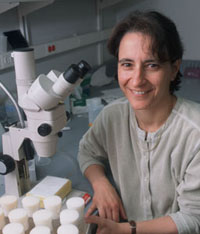
Reuben Harris is a Professor in the Department of Biochemistry, Molecular Biology, and Biophysics at the University of Minnesota Medical School. His research spans multiple disciplines including molecular biology, biochemistry, virology, and cancer genomics, with a particular focus on APOBEC enzymes and their roles in both antiviral defense and cancer development. Dr. Harris's research interests center on the APOBEC family of DNA deaminases, particularly their dual roles in antiviral immunity (especially against HIV) and cancer mutagenesis. His work explores how these enzymes catalyze DNA deamination, the structural and biochemical mechanisms that regulate their activity, and how their mutagenic potential contributes to tumor evolution in various cancers including breast, ovarian, and other malignancies. His research has significant implications for understanding viral restriction mechanisms and developing novel cancer therapeutics targeting APOBEC-mediated mutagenesis. Analysis of his recent publications reveals a consistent focus on APOBEC3 enzymes (particularly APOBEC3A, APOBEC3B, and APOBEC3G), with increasing attention to their structural biochemistry, DNA sequence context preferences, and therapeutic targeting. His work bridges basic enzymology with clinical applications, particularly in cancer genomics and antiviral research, demonstrating how fundamental biochemical insights can inform therapeutic strategies for cancer and viral infections. Dr. Harris has been Principal Investigator on numerous significant research grants, including the Midwest AViDD Center funded by the NIH National Institute of Allergy and Infectious Diseases (2022-2025), projects on APOBEC3B and DNA repair in ovarian cancer funded by the Ovarian Cancer Research Fund (2021-2022), and research on APOBEC mutagenesis in breast cancer funded by Memorial Sloan Kettering Cancer Center and the NIH National Cancer Institute (2020-2022). He also serves as a Co-Investigator on the Department of Defense project targeting N-Myc in neuroblastoma with Aurora kinase A degraders (2021-2025). His laboratory is part of a robust collaborative network focused on DNA repair mechanisms, cancer genomics, and antiviral defense. The research group works closely with structural biologists, computational biologists, and clinical researchers to translate basic findings into potential therapeutic applications. Current projects emphasize understanding how mesoscale DNA features influence APOBEC activity, developing quantitative assays for DNA deamination, and exploring synthetic lethal approaches targeting APOBEC-expressing cancers.