Dr. Stuart Howes is an Assistant Professor in Structural Biochemistry at Utrecht University's Faculty of Science. He specializes in developing workflows for in situ structural biology, including correlative light and electron microscopy (CLEM), dual-beam sample preparation, and cryo-electron tomography. He also manages cryo-EM instruments and provides user training. Education: Ph.D. in Biophysics, University of California, Berkeley (2015) M.Sc. in Biomedical Engineering, Worcester Polytechnic Institute (2007) B.Sc. in Biomedical Engineering, Worcester Polytechnic Institute (2005) His research focuses on structural biochemistry, microtubule dynamics, and advanced microscopy techniques. Key themes include cryo-EM studies of protein-microtubule interactions, tubulin acetylation, and correlative microscopy workflows. Recent publications highlight his work in structural biology (3 articles, 2025), cellular imaging (2023), cryo-EM (2022), and virology (2021). Topics span mitochondrial RNA structures, microtubule lattice dynamics, SARS neutralization mechanisms, and tandem catalysis using bimodal nanoparticles. He contributes to teaching courses such as Applied Cryo-Electron Microscopy and Biophysical Methods & Structural Biology .
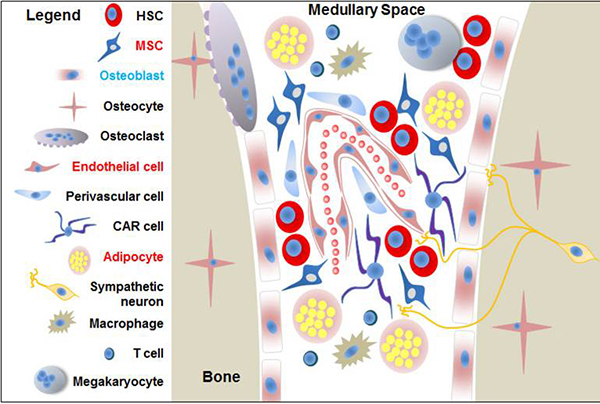
Laura M. Calvi, M.D. is a Professor in the Department of Endocrinology and Metabolism at the University of Rochester School of Medicine and Dentistry, where she serves as SKAWA Foundation Professor in Endocrinology and Metabolism and Vice Chair for Basic & Translational Science in the Department of Medicine. She leads the Cancer Microenvironment Research Program at Wilmot Cancer Center and directs the Calvi Lab focused on bone marrow microenvironment research. Dr. Calvi earned her BA in Biological Science from Union College (1990) and her MD from Harvard Medical School (1995). She completed her internal medicine residency and endocrinology fellowship at Massachusetts General Hospital, specializing in neuroendocrinology and pituitary tumor management. At Rochester, she co-founded the Multidisciplinary Neuroendocrinology Clinic. Her research centers on the bone marrow microenvironment's role in regulating hematopoietic stem cells (HSC), with four major projects: Identification and manipulation of HSC niche components (osteolineage cells, endothelial cells, mesenchymal stem cells) Aging effects on the bone marrow microenvironment and hematopoietic function Microenvironmental regulation of malignancies like leukemia and myelodysplastic syndromes Mitigation strategies for radiation-induced hematopoietic injury Her lab demonstrated that osteoblastic activation by Parathyroid Hormone expands HSC and improves recovery from myeloablation. Analysis of her 15 most recent publications (2023-2025) reveals consistent focus on bone marrow niche dynamics, with particular emphasis on taurine metabolism in leukemia, inflammatory regulation of stromal cells in aging, and therapeutic targeting of microenvironmental pathways. Key trends include single-cell analysis of niche components, metabolic reprogramming in malignancy, and radiation injury mitigation strategies. Dr. Calvi received the 2017 Davey Award in Cancer Research for her contributions to understanding the hematopoietic stem cell niche. Her patents on hematopoietic stem cell expansion demonstrate translational impact of her basic research. She mentors numerous graduate students and postdoctoral fellows through the Toxicology Ph.D. Program, Pathology - Cell Biology of Disease program, and Medical Scientist Training Program. Current lab members include Catherine Caballero, Zhiming Sam Jin, and Noah Salama, while alumni include Benjamin Frisch and Jason Mendler who now hold faculty positions. The Calvi Lab utilizes advanced techniques including intravital 2-photon imaging, mass cytometry (CyTOF), multiparameter flow cytometry, and RNA sequencing to study microenvironmental regulation of stem cells in murine models and primary human samples. The lab maintains affiliations with the James P. Wilmot Cancer Center, Center for Musculoskeletal Research, and NIH T32 Training Grant in Immunology.
Pavel Sinitcyn is an Assistant Professor at Utrecht University working in the AI Technology for Life group within the Department of Information and Computing Sciences and the Biomolecular Mass Spectrometry and Proteomics group within the Department of Pharmaceutical Sciences. His research focuses on computational methods for analyzing mass spectrometry-based proteomics data, including advanced machine learning techniques. He previously conducted postdoctoral research at the University of Wisconsin-Madison and completed his PhD at the Max Planck Institute of Biochemistry in Munich. Ph.D. from Ludwig Maximilian University of Munich (2014-2020), Faculty for Chemistry and Pharmacy, Summa Cum Laude B.Sc./M.Sc. from Lomonosov Moscow State University (2009-2014), Faculty of Bioengineering and Bioinformatics Pavel Sinitcyn's research spans multiple interdisciplinary fields at the intersection of computational biology, mass spectrometry, and artificial intelligence. His primary focus is on developing computational methods for analyzing proteomics data, with particular expertise in deep proteome sequencing, phosphoproteomics, and integrative bioinformatics approaches. His work bridges human-centered artificial intelligence with life sciences applications, creating novel algorithms that improve the depth and accuracy of proteome analysis. His research has significant implications for understanding disease mechanisms, developing therapeutic targets, and advancing personalized medicine through comprehensive proteome characterization. Analysis of Sinitcyn's recent publications reveals a strong trajectory in developing computational tools for next-generation proteomics. His work consistently focuses on improving the depth, speed, and accuracy of proteome analysis through innovative algorithm development. Key trends include the application of artificial intelligence to mass spectrometry data, development of tools for variant and isoform detection, and creation of methods for comprehensive proteome characterization within practical timeframes. His publications demonstrate increasing impact in high-profile journals, with notable contributions to Nature Biotechnology, Nature Communications, and other leading scientific publications. Pavel Sinitcyn has been involved in teaching courses such as "Statistical learning and stochastic processes" at the College of Pharmaceutical Sciences. His work has been widely recognized in the scientific community, with numerous publications receiving substantial citations and attention, particularly his contributions to the MaxQuant and Perseus software platforms which have become standard tools in proteomics research.
Dr. Michael Plevin is a Senior Lecturer in Molecular Biophysics and Royal Society Industry Fellow at the University of York's Department of Biology. His research focuses on biomolecular recognition mechanisms, protein engineering for industrial applications, and liquid-liquid phase separation. He employs structural biology tools like X-ray crystallography, cryoEM, and NMR spectroscopy. Current collaborations include Eluceda Ltd, Syngenta, and Oxford Nanopore Technologies. Dr. Plevin also explores aromatic interactions in proteins and promotes positive research culture through initiatives like the Enhancing Research Culture working group. His teaching emphasizes biophysical techniques and protein engineering, including modules on biomacromolecule structure determination. He supervises PhD students in protein engineering, molecular recognition, and sequence-structure-function relationships. Dr. Plevin has held grants from UKRI, The Royal Society, and industry partners. His work bridges academic and industrial challenges, with projects on non-antibody scaffolds, DNA helicases, and nanopores. Key research themes include phase separation dynamics in cellular organization, weak transient interactions, and Rubisco's role in algal photosynthesis. He collaborates with experts in algal biology and single-molecule biophysics. His contributions to isotopic labeling methods for NMR have advanced structural studies of large proteins.
Pablo Taboada Antelo is a University Professor in the Department of Particle Physics at the University of Santiago de Compostela, affiliated with the Materials Institute (iMATUS) and the Colloid and Polymer Physics Group. He obtained his PhD in Physics in 1999 and conducted postdoctoral research at universities in Bilbao, Manchester, and Dublin. With over 240 publications (H-index: 31), he directs extensive research in nanostructured materials for biomedical and energy applications. His work spans theranostics, drug delivery systems, amyloid disease mechanisms, and biosensing. He has supervised 21 PhD theses and serves on editorial boards of Frontiers in Bioengineering and Pharmaceutics. Research emphasizes nanoparticle design, biomaterial interfaces, and computational modeling of biological processes.
Rajat Rohatgi is a Professor of Biochemistry and Medicine (Oncology) at Stanford University, with affiliations at multiple interdisciplinary institutes including Bio-X, Cardiovascular Institute, Maternal & Child Health Research Institute, Stanford Cancer Institute, and Wu Tsai Neurosciences Institute. His research focuses on signal transduction mechanisms, particularly the Hedgehog and WNT pathways, lipid regulation of signaling, phase separation in cellular organization, and responses to osmotic stress. Research Trends from his 15 most recent publications indicate: Elucidating cholesterol's role as a second messenger in Hedgehog signaling Discovering phase separation mechanisms in transcriptional regulation and nucleolar disruption Mapping lipid droplet-mediated drug activation pathways Characterizing membrane-tethered ubiquitination in developmental signaling Identifying novel small molecule regulators of signaling pathways Scientific Awards include: NIH Director's New Innovator Award V Foundation Martin D. Abeloff Scholar March of Dimes Basil O'Connor Award Stand Up To Cancer Innovation Grant Co-founding member of American Society for Clinical Investigation Rohatgi mentors doctoral students in Biochemistry and Cancer Biology PhD programs, with advisees including Katie DeLong, Rae Brown, and Claire Chiang. His laboratory employs CRISPR/Cas9 screens, protein biochemistry, chemical probes, advanced imaging, and structural biology collaborations to investigate fundamental signaling mechanisms with implications for cancer and developmental disorders.
Yuemei Dong, PhD , is a Senior Research Associate at the Bloomberg School of Public Health, Johns Hopkins University, with primary affiliations in the Department of Molecular Microbiology and Immunology and the Johns Hopkins Malaria Research Institute. Her work focuses on molecular mechanisms of pathogen-mosquito interactions, leveraging CRISPR/Cas9 genome editing Gene drive technology Mosquito microbiota manipulation Immune pathway crosstalk Vector control strategies to combat malaria and arboviruses. Dr. Dong's research interests center on Mosquito innate immunity Host-pathogen molecular interactions Transgenic tools for disease suppression Microbiota-based interventions Gut-leaky transmission dynamics . She pioneered foundational work on mosquito microbiota's role in malaria defense, including her 2009 PLoS Pathogens study that catalyzed global research in this field. The 15 most recent articles highlight her contributions to Mosquito immune pathways Gene drive for malaria control Microbiota-pathogen interactions CRISPR/Cas9 applications Diagnostic tools for arboviruses Leaky gut-malaria links . Her work spans molecular discovery to field-deployable solutions like Chromobacterium biopesticides and aptasensor diagnostics. Dr. Dong's collaborations with malaria-endemic countries emphasize Community-based vector control Translational research Global health equity , aligning with integrated strategies for sustainable disease prevention.
Prof. Dr. Sebastian Leidel is a Full Professor of RNA Biochemistry at the Department of Chemistry, Biochemistry and Pharmaceutical Sciences (DCBP) at the University of Bern, where he leads a research group focused on RNA modifications and their biological functions. He is also affiliated with the Multidisciplinary Center for Infectious Diseases (MCID) at the University of Bern and is part of the Swiss National Focus in Research on RNA & Disease jointly hosted by the University of Bern and the ETH Zürich. His educational background includes: Undergraduate studies in Protestant Theology (1991-2001) at University of Siegen, University of Marburg, Hebrew University Jerusalem and Heidelberg University Diploma studies in Biology (1996-2001) at Heidelberg University Diploma Thesis with Hans Schöler at the University of Pennsylvania (2000-2001) on "Induced Expression of Oct4 in Embryoid Bodies" PhD Thesis with Pierre Gönczy at the Swiss Institute for Experimental Cancer Research, Lausanne (2001-2005) on "Centrosome duplication in Caenorhabditis elegans: The role of sas genes" Prof. Leidel's research centers on RNA biochemistry, particularly focusing on chemical modifications of RNA nucleotides. His work investigates how these modifications affect cellular processes, development, and disease. His laboratory employs diverse model organisms ranging from yeast to zebrafish and human cell cultures, utilizing advanced techniques such as ribosome profiling and RNA mass spectrometry. His research has significant implications for understanding fundamental biological processes and developing potential therapeutic approaches for diseases including cancer and infectious diseases. Analysis of Prof. Leidel's recent publications reveals a strong focus on tRNA modifications and their roles in various biological processes. His work spans from fundamental enzymology of modification pathways to the physiological consequences of these modifications in development, disease, and pathogen virulence. A notable trend is the exploration of how RNA modifications influence translation dynamics, mRNA stability, and cellular stress responses, with implications for cancer biology and infectious disease mechanisms. His notable scientific achievements include: ERC Starting Grant (2012) James Heineman Research Award for Outstanding Research Achievements (2016) Prof. Leidel has established a productive research program with numerous collaborative projects. His work on RNA modifications has led to significant insights into how these molecular changes affect cellular function, with particular emphasis on the URM1 pathway and tRNA modifications. His research group has developed innovative methodologies for studying RNA modifications and their functional consequences, contributing to both basic science and potential clinical applications. He has secured competitive funding including an ERC Starting Grant, demonstrating the significance and innovation of his research program. Prof. Leidel leads a research group at the University of Bern that is part of the Multidisciplinary Center for Infectious Diseases and the Swiss National Focus in Research on RNA & Disease. His laboratory brings together expertise in biochemistry, molecular biology, and advanced analytical techniques to tackle questions about RNA modifications. The group collaborates extensively with other researchers both within the University of Bern and internationally, forming a dynamic team focused on advancing our understanding of RNA biology.
Ingrid Span is a Professor of Bioinorganic Chemistry at the Department of Chemistry and Pharmacy, Friedrich-Alexander University Erlangen-Nuremberg (FAU). Her research group investigates the chemistry of biocatalysts, focusing on sustainable energy production, bioremediation, and strategies to combat bacterial/viral infections. The team employs multidisciplinary approaches spanning molecular biology, spectroscopy, and macromolecular crystallography. Research areas include Bioinorganic Chemistry , Sustainable Energy , and Antimicrobial Development . Key methods: Protein Crystallography , Spectroscopy , and Biophysical Analysis . Contact: ingrid.span@fau.de , Room A2.37, Egerlandstr. 1, 91058 Erlangen.
Prof. Dr. Cynthia Sharma is a Full Professor and Chair of Molecular Infection Biology II at the Institute of Molecular Infection Biology (IMIB), University of Würzburg. Since 2018, she has served as Speaker of the Research Center for Infectious Diseases (ZINF) at the University of Würzburg. Her research group focuses on molecular mechanisms of bacterial pathogenesis, particularly in Helicobacter pylori and Campylobacter jejuni . Dr. Sharma's educational background includes doctoral research at the Max Planck Institute for Infection Biology (MPI-IB) from September 2004 to June 2009, followed by postdoctoral work at the same institute from July 2009 to May 2010. She also conducted research at the National Institutes of Health in Bethesda, MD from August to December 2010. Her research program investigates RNA-based regulation in bacterial pathogens, with particular emphasis on small regulatory RNAs (sRNAs) and RNA-binding proteins (RBPs) that control stress response and virulence. Her lab employs diverse deep sequencing approaches for global transcriptome analyses and studies of RNA-protein complexes, as well as translatome analyses to identify small proteins. A distinctive aspect of her work involves using three-dimensional (3D) infection models based on tissue engineering to investigate bacterial pathogenesis in more physiologically relevant contexts. Analysis of Dr. Sharma's recent publications reveals a strong focus on post-transcriptional gene regulation in bacterial pathogens. Her work spans multiple dimensions including the characterization of small regulatory RNAs, investigation of CRISPR-Cas systems, and development of innovative 3D infection models. A recurring theme across her publications is the connection between RNA-based regulatory mechanisms and bacterial virulence, particularly in Helicobacter pylori and Campylobacter jejuni . Her research has significant implications for understanding antibiotic resistance mechanisms and developing novel antimicrobial strategies. Dr. Sharma leads a vibrant research group comprising multiple postdoctoral researchers, PhD students, and technical staff. Her laboratory, located in Building D15, Room 01.019 at the University of Würzburg, maintains a collaborative environment focused on cutting-edge research in molecular infection biology. The group benefits from being part of the Institute of Molecular Infection Biology and the Research Center for Infectious Diseases (ZINF), providing access to extensive resources and interdisciplinary collaborations.
Dr. Jürgen Cox is a Group Leader at the Max Planck Institute of Biochemistry, specializing in Computational Systems Biochemistry. He develops advanced software such as MaxQuant and MaxDIA to analyze high-throughput proteomics and RNA data, enabling precise characterization of molecular signatures in cells, tissues, and body fluids. Current affiliation: Max Planck Institute of Biochemistry Research focus: Computational proteomics, RNA processing, and statistical modeling His work addresses the complexity of protein interactions, post-translational modifications, and alternative splicing to model biological systems comprehensively. These computational approaches aim to bridge gaps between raw data and actionable biological insights, with future applications in clinical diagnostics. Cox’s recent publications focus on proteomics methodologies, including MaxDIA for enhanced data-independent acquisition. His research spans statistical modeling of molecular relationships, protein quantification, and RNA template interpretation, reflecting a strong emphasis on computational innovation in life sciences. Scientific Awards: Highly Cited Researcher (2024) He collaborates extensively with Matthias Mann’s department on proteomics tools and leads a research group dedicated to advancing computational workflows for high-precision biomolecular analysis.
Wenqin LU is a Research Assistant Professor at Southern University of Science and Technology (SUSTech), working in the Department of Biology within the School of Life Sciences. She joined SUSTech in 2021 as a postdoctoral researcher in Professor Jixian Zhai's research group and was promoted to Research Assistant Professor in 2023, where she continues her research on advanced molecular biology techniques and plant genomics. Educational Background: PhD in Plant Pathology, College of Plant Protection, Northwest Agriculture and Forestry University (2015-2020) BS in Biotechnology, Innovation Experimental College, Northwest Agriculture and Forestry University (2011-2015) Dr. LU's research focuses on cutting-edge molecular biology techniques to investigate fundamental plant processes. Her primary research interests include the study of mRNA poly(A) tail length regulation using long-read sequencing technology and the development of high-throughput single-cell multi-omics techniques. Her work bridges plant molecular biology with advanced genomic technologies, aiming to uncover regulatory mechanisms that govern plant development and immunity. She has developed expertise in advanced sequencing methodologies that allow for more comprehensive analysis of RNA modifications and their functional consequences in plants. Analysis of Dr. LU's recent publications reveals a strong progression from plant-pathogen interactions to specialized RNA regulation mechanisms. Her earlier work focused on plant immune responses against Phytophthora pathogens, while her more recent research has centered on poly(A) tail dynamics using advanced sequencing approaches. This represents a strategic shift toward understanding fundamental RNA regulatory processes that may underpin plant immune responses. Her work on creating an atlas of plant poly(A) tail length demonstrates technical innovation in applying long-read sequencing to RNA biology questions. Professional Experience: 2023-Present: Research Assistant Professor, Department of Biology, School of Life Sciences, Southern University of Science and Technology 2021-2023: Postdoctoral Fellow, Department of Biology, School of Life Sciences, Southern University of Science and Technology
Yuliang Feng is an Associate Professor and doctoral supervisor in the Department of Pharmacology, School of Medicine, Southern University of Science and Technology (SUSTech), China. He also serves as Vice-Chair of the Pan-Vascular Committee of the Guangdong Medical Education Association and holds editorial/reviewer roles for more than 25 international journals. Education Ph.D. in Molecular & Cellular Medicine, University of Oxford, UK (2019-2022) M.D. in Cardiovascular Pharmacology, Joint Ph.D. program, Southern Medical University & University of Cincinnati (2008-2014) B.M. in Preventive Medicine, Sun Yat-sen University, China (2003-2008) Research Interests Dr. Feng integrates 3-D genomics , epigenomics and computational biology to decode how higher-order chromatin organization governs transcriptional programs in human disease, with a focus on cardiovascular disease and cancer . His laboratory maps enhancer–promoter interactions using Hi-C, ChIA-PET and HiChIP, and develops multi-omics databases (e.g., EXPRESSO) to uncover therapeutic targets that reprogram pathological gene networks. Recent work reveals shared genetic architectures among major cardiovascular diseases, telomere-length contributions to disease onset, BRD9–SMAD2/3-mediated stemness in pancreatic cancer, and 3-D chromatin rewiring during dilated cardiomyopathy. These studies highlight his expertise in translating genome topology findings into diagnostic and precision-medicine strategies. Scientific Awards & Honors National Science Foundation of China Distinguished Young Scholar (Overseas), 2023 Guangdong Distinguished Young Scholar, 2023 Shenzhen Pengcheng Peacock Talent (Category C), 2023 Clarendon Scholar, University of Oxford, 2019-2022 ISHR Richard J. Bing Young Investigator Award Finalist, 2022 Multiple ISHR Young Investigator & Travel Awards (2010-2016) Grants & Leadership Dr. Feng currently leads projects funded by the National Natural Science Foundation of China and Guangdong Province, and participates in international consortia such as ENCODE, 4DN and BLUEPRINT. He mentors graduate students and postdocs, while coordinating collaborative teams across SUSTech, Oxford, and industry partners to develop next-generation epigenomic therapeutics. Laboratory & Teams The Feng lab operates within the SUSTech Medical Research Platform with access to state-of-the-art sequencing, single-cell and high-performance computing cores. The group maintains active collaborations with cardiac surgeons, oncologists and AI scientists to accelerate bench-to-bedside translation of 3-D genome-based interventions.
Professor Frederic Meunier is a leading academic at the University of Queensland , affiliated with the School of Biomedical Sciences, Queensland Brain Institute, and Clem Jones Centre for Ageing and Dementia Research. His career spans molecular neuroscience, lipid biology, and neurodegenerative disease research.
Thomas Rudel is the Chair Professor of Microbiology at the University of Würzburg’s Biocenter, leading an active research group since 2008. His work focuses on host-pathogen interactions, particularly with Chlamydia trachomatis, Neisseria gonorrhoeae, and Staphylococcus aureus, integrating systems biology, vaccine development, and 3D infection models. Education: 1983–1989: Biology studies, University of Tübingen 1989–1994: PhD in Microbiology, Max Planck Institute for Biology, Tübingen 2001: Habilitation (Microbiology), Free University Berlin Research Interests: His group investigates the intracellular niche of Chlamydia, innate immune defenses, sphingolipid roles in infection, RNA regulation in gonococci, and metabolic interactions between pathogens and host cells. They also develop 3D tissue models and vaccines. Recent Research Trends: Recent publications (2023–2025) highlight advances in understanding metabolic reprogramming during Chlamydia infection, neutrophil manipulation by Chlamydia effectors, and the role of non-coding RNAs in Neisseria pathogenesis. His team employs cutting-edge techniques like expansion microscopy and organoid models. Team and Funding: His lab comprises >15 PhD students and post-docs, including Aziza Boyny, Andreas Kluge, and Fabienne Wagner. While specific grants are not listed, his prolific output and large team suggest substantial DFG or EU funding. Contact: Room C202, Biocenter, University of Würzburg, Tel: +49 931 31-84401, Email: thomas.rudel@uni-wuerzburg.de