University Medical Center Hamburg-EppendorfGermany
Martin Gosau is a Professor at the Clinic and Polyclinic for Oral and Maxillofacial Surgery within the Medical Faculty of the University Medical Center Hamburg-Eppendorf (UKE). His research focuses on Oral Surgery , Maxillofacial Surgery , and Regenerative Medicine , with a strong emphasis on Dental Implants , Head and Neck Cancer , and Oral Pathology . University: University Medical Center Hamburg-Eppendorf School: Medical Faculty Department: Oral and Maxillofacial Surgery Academic Rank: Professor His recent work explores: Oral Health in Genetic Disorders (e.g., hypophosphatasia) Advanced Surgical Techniques (e.g., nanosecond lasers, fluorescence angiography) Biomaterials and Tissue Engineering (e.g., silk fibroin membranes, extracellular vesicles) Cancer Prognostics (e.g., DCBLD1 overexpression in HNSCC) Key trends in his 15 most recent articles include applications of machine learning in oral diagnostics, stem cell research for bone regeneration, and biomaterials in reconstructive surgery. He frequently collaborates with Ralf Smeets and Thomas Vollkommer , with publications spanning Frontiers in Immunology , Oral Surgery , and Scientific Reports .
Sravan Perla is an Associate Research Scientist in the Department of Pharmacology at Yale School of Medicine, where he conducts research under the mentorship of Dr. Anton Bennett. His work focuses on elucidating the molecular mechanisms of Protein Tyrosine Phosphatases (PTPs) in congenital heart diseases and metabolic regulation. Education: Ph.D. in Molecular Medicine and Pathology from New York Medical College and the University of Toledo; M.Sc. in Medical Biochemistry from JIPMER, India; B.Sc. in Biochemistry from Silver Jubilee Govt. Degree College. His primary research interests include cardiovascular signaling pathways , particularly the PZR/Shp2/Irx3/Irx5/BMP10 axis in Noonan Syndrome and related disorders. He investigates epigenetic regulation of genes like angiotensinogen and explores therapeutic interventions such as low-dose dasatinib and recombinant BMP10 for hypertrophic cardiomyopathy. His work bridges molecular pharmacology and translational medicine. The recent publications highlight a strong trend in signal transduction , cardiovascular pathophysiology , and therapeutic repurposing , with a focus on tyrosine phosphatases and TGF-β pathways. His research also extends into neurological applications, as seen in his co-authored work on post-stroke seizures. Best Poster Presentation , Yale Center for Molecular and Systems Metabolism (YMSM), 2024 Armed Forces Medical College Quiz Award , Association of Clinical Biochemists of India, 2010 Sravan Perla actively contributes to peer review for journals including Frontiers , Healthcare-MDPI , and International Journal of Environmental Research and Public Health . He is a key member of the Bennett Laboratory , where he advances research on PTP signaling and its implications for human disease. His work is supported by institutional affiliations at Yale and collaborative networks across neuroscience and cardiology.
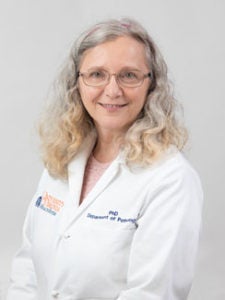
Katia Sol-Church is a Research Professor of Pathology at the University of Virginia School of Medicine and serves as the Director of the Genome Analysis & Technology Core within the Office of Research Core Administration. Her academic journey began with a Doctoral Degree in Cellular Biology from Université Paul Sabatier (Toulouse, France) and a Ph.D. in Biomedical Sciences from McGill University (Montreal, Canada). Her research spans genomics , RASopathies , and cancer predisposition syndromes , with a focus on applying omics technologies to enhance biomedical research rigor and reproducibility. She has pioneered discoveries in rare genetic disorders like Costello syndrome and Noonan syndrome, often collaborating with institutions such as Nemours and the University of Virginia. Her publication record reveals a trend toward integrating genomic analysis with clinical applications , including studies on coronary artery disease regulatory mechanisms (2022), auditory neuropathy genetics (2021), and RASopathy phenotyping (2017-2019). Collaborations with teams at UVA, Nemours, and international institutions underscore her interdisciplinary approach. As Director of the UVA Genomics Core, she leads initiatives to advance biomedical research infrastructure , emphasizing scientific reproducibility and clinical genomics across departments like Pathology and Pediatrics.
Sarah Araji, M.D., M.S., is an Assistant Professor in the Department of Obstetrics & Gynecology at Baylor College of Medicine, Houston, Texas. She is a specialist in Maternal-Fetal Medicine and practices clinically at Texas Children's Hospital – Pavilion for Women. Her academic and clinical work focuses on high-risk pregnancies, prenatal diagnosis, and fetal anomalies. Education: BS in Biology, American University of Beirut MD, Lebanese American University Gilbert and Rose-Marie Chagoury School of Medicine Residency in Obstetrics and Gynecology, Saint Joseph University Medical Center Clinical Fellowship in Maternal Fetal Medicine, University of Mississippi Medical Center Dr. Araji's research spans prenatal diagnosis of fetal anomalies, non-immune hydrops fetalis, urinary tract anomalies, and maternal complications such as fever of unknown origin. She employs clinical case reporting, cohort studies, and systematic reviews to advance understanding in perinatal medicine. Her work often integrates genetic diagnostics and imaging modalities. Her recent publications emphasize rare fetal conditions and diagnostic challenges in maternal-fetal medicine. Key themes include genetic underpinnings of hydrops fetalis, prenatal imaging of urological anomalies, and management of obscure maternal febrile illnesses. These contributions highlight her dual expertise in clinical care and academic scholarship. Scientific Awards: ACOG CREOG National Faculty Award for Excellence in Resident Education (2024) Ranked Top 10% Peer Reviewer, Obstetrics and Gynecology Journal (2023, 2022) Golden Apple Award for Excellence in Teaching (2023) Dr. Araji is actively involved in medical education and peer review, serving as a mentor and educator in obstetrics. She has no formal advisees listed, but her teaching accolades reflect strong engagement with trainees. She is also an active member of the American Board of Obstetrics and Gynecology and several professional societies, including the Society of Maternal Fetal Medicine and the International Society of Prenatal Diagnosis. There is no mention of research grants, but her publication record suggests ongoing scholarly activity. She is affiliated with clinical and academic teams at Baylor College of Medicine and Texas Children's Hospital, contributing to a multidisciplinary approach in maternal-fetal care and research.
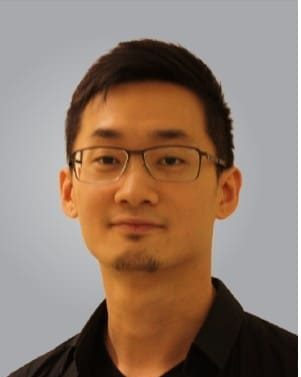
William Y. C. Huang is an Assistant Professor in the Department of Biophysics at Johns Hopkins University. He received his B.S. in Chemistry from National Taiwan University (2010) and Ph.D. in Chemistry from UC Berkeley (2016) under Dr. Jay Groves. After postdoctoral work at Stanford University (2018-2023) with Dr. James Ferrell, he launched his independent research program at Hopkins in 2024. Education: B.S. in Chemistry, National Taiwan University (2010) Ph.D. in Chemistry, University of California, Berkeley (2016) Research Focus: Quantitative study of biochemical reactions at cell membranes Signal transduction mechanisms Single-molecule imaging and spectroscopy Development of reconstituted membrane assays Investigation of protein condensation phase transitions Kinetic modeling of membrane-bound biochemical systems Scientific Awards: NIH Pathway to Independence Award Searle Scholar Contact: Email: whuang@jhu.edu Office: 168 Mergenthaler Hall Phone: (410) 516-0166
Steven Carroll, MD, PhD, is a Professor and Chair of the Department of Pathology and Laboratory Medicine at the Medical University of South Carolina (MUSC). He holds the Gordon R. Hennigar, Jr., MD Endowed Chair in Pathology and directs the Biorepository & Tissue Analysis Shared Resource at MUSC Hollings Cancer Center, the South Carolina Alzheimer’s Disease Research Center, and the Carroll A. Campbell Jr. Neuropathology Laboratory. His research focuses on neurofibromatosis type 1 (NF1), malignant peripheral nerve sheath tumors (MPNSTs), and neurodegenerative diseases. BS in Vertebrate Zoology, Chemistry, and Anthropology, University of Memphis (1981) MD and PhD in Cell Biology, Baylor College of Medicine (1986-1988) Postdoctoral training in Anatomic Pathology and Neuropathology at Washington University in St. Louis (1988-1994) His research program investigates growth factor signaling in MPNST pathogenesis, particularly neuregulin-1 (NRG1) and erbB receptors . He explores genetic and epigenetic mechanisms of tumor progression and neurodegeneration, with a focus on R-Ras subfamily proteins and lysophosphatidic acid receptors . His work employs genetically engineered mouse models and human biospecimen networks for translational studies. Recent publications highlight his expertise in MPNST mouse models (2024), cross-species genomic analysis (2023), and ERBB3's role in oncogenesis (2019). Collaborations include the international Down Syndrome Biobanking Consortium and national biospecimen networks . Scientific Awards: Fellow of the American Society of Clinical Pathologists (FASCP) Fellow of the College of American Pathologists (FCAP) Dr. Carroll has been continuously funded by the National Institutes of Health (NIH) and Department of Defense (DoD) since 2001. He serves as Associate Editor for the American Journal of Pathology and Journal of Neuropathology and Experimental Neurology , and on the editorial board of Neuro-Oncology . His lab has developed key platforms for neurofibromatosis research and Alzheimer's disease proteomics .
University of Texas Southwestern Medical CenterUnited States
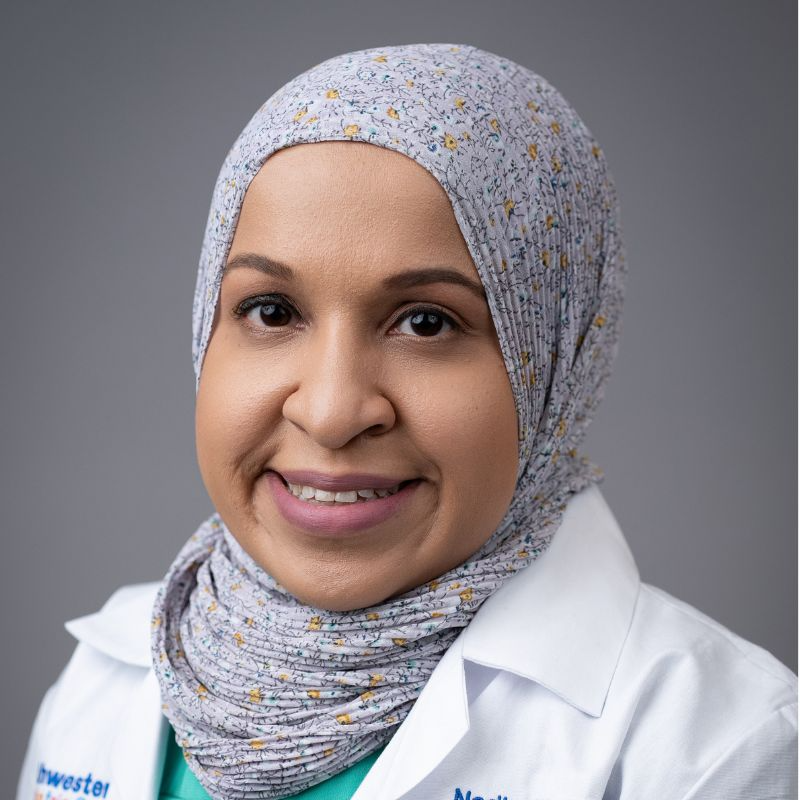
Nadia Merchant, MD is an Assistant Professor of Pediatrics in the Division of Pediatric Endocrinology at UT Southwestern Medical Center. She joined the institution in February 2024 after completing her medical degree at Weill Cornell Medical College in Qatar. Her clinical training includes pediatric residency at Dayton Children's/Wright State University, genetics residency and pediatric endocrine fellowship at Texas Children's Hospital. Her research focuses on bone health, skeletal dysplasia, genetic growth disorders, and endocrinopathies in neuromuscular disorders. Key areas include the intersection of genetics and endocrinology, particularly in rare conditions such as achondroplasia and RASopathies. She has led clinical trials for vosoritide and denosumab in pediatric populations, emphasizing translational research and drug implementation guidelines. Her publications span over a decade, with recent work addressing novel therapies for growth disorders, iodine deficiency hypothyroidism, and endocrine surveillance in Duchenne muscular dystrophy. She actively collaborates in global initiatives like the International RASopathies Symposium to advance care for rare genetic conditions. Dr. Merchant’s work bridges clinical care and research, advocating for multidisciplinary approaches to skeletal and metabolic disorders. She contributes to consensus guidelines and serves on committees shaping pediatric endocrinology practices at UT Southwestern and beyond.
Maria Margarida Fonseca Rodrigues Diogo is an Associate Professor in the Department of Bioengineering at Instituto Superior Técnico (University of Lisbon). Her research focuses on stem cell bioengineering, tissue modeling, and organoid development for disease modeling and drug screening applications. Research Activities: Development of 3D neural and cardiac tissue models from human induced pluripotent stem cells (hiPSCs) Engineering heart organoids for cardiotoxicity assays Creation of brain organoids/assembloids for neurodevelopmental disease modeling Current Projects: Mini-Hearts (PTDC/EMD-TLM/29728/2017): 3D cardiovascular microtissues for cardiotoxicity assays EURAS (Horizon-HLTH-2022-DISEASE-06-04): Neurodevelopmental RASopathies therapies Publications Trends: Her work emphasizes scalable stem cell culture systems, xeno-free bioreactor platforms, and 3D organoid engineering. Key subtopics include neurodevelopmental toxicity, cardiac maturation dynamics, and microcarrier-based expansion technologies.
Prof. Dr. Türkan Yiğitbaşı is a Professor in the Department of Medical Biochemistry at Istanbul Medipol University's School of Medicine, where she has held a faculty position since 2012. She serves as the director of the university's Genetic Evaluation Center, accredited under ISO 15189 standards. Dr. Yiğitbaşı graduated from Ege University Faculty of Medicine in 1988 and completed her specialization in Biochemistry and Clinical Biochemistry at Erciyes University in 1994. Earlier in her career (1996–2002), she established and managed clinical laboratories, and she conducted research at Baylor College of Medicine (2002–2004). Her research focuses on cancer metabolism , clinical biochemistry , and oxidative stress , with significant work in biomarker discovery, reproductive biology, and metabolic disorders. She investigates molecular mechanisms in cancer, endocrine function, and environmental toxicology using models ranging from cell lines to zebrafish embryos. Analysis of her 15 most recent publications reveals dominant themes: cancer therapeutics (breast, prostate, colorectal, lung), oxidative stress biomarkers in diseases, reproductive biochemistry (infertility, minipuberty), and molecular mechanisms of metabolic enzymes (LDH, NOX5). Her work bridges clinical applications with experimental pharmacology. Dr. Yiğitbaşı leads the Genetic Evaluation Center, which supports clinical diagnostics and research. No grants, awards, or student advisement details were available in the provided text.
Donald F. Conrad is an Associate Professor in the Department of Genetics at Washington University in St. Louis and serves as Chief of the Division of Genetics at the Primate Center at OHSU, where he was recruited in 2018. As a human geneticist with over 15 years of experience, Dr. Conrad has developed both statistical and experimental methods for genome analysis, with particular focus on male infertility and testis biology. Key research areas: Male infertility genetics Testis biology and spermatogenesis Genome biology of germ cells Single-cell genomics and RNA sequencing Development of computational tools for mutation detection (DeNovoGear) Development of automated image analysis tools for testis histology (SATINN) Analysis of postzygotic mutations in human tissues Based on recent publications, Dr. Conrad's research spans multiple areas of genetics with particular emphasis on male reproductive health. His work has led to the identification of novel genetic causes of male infertility and the development of computational tools to analyze these genetic phenomena. Scientific awards: Fulbright Specialist Grant (2017) Finalist for Postdoctoral Trainee (Basic) award, ASHG (2008) Best Dissertation in Biological Sciences (honorable mention), The University of Chicago (2008) Dr. Conrad's laboratory continues to be at the forefront of developing methodologies for analyzing genetic variation and its impact on reproductive health, with significant contributions to our understanding of the genomic basis for male infertility.
Leibniz Research Institute for Environmental MedicineGermany
Dr. Saeideh Nakhaei-Rad is an Assistant Professor at Ferdowsi University of Mashhad (Iran) and holds a concurrent invited postdoctoral position in the lab of Prof. Dr. Reza Ahmadian at Heinrich Heine University Düsseldorf (Germany). She obtained her Ph.D. and completed postdoctoral training at the Institute of Biochemistry and Molecular Biology II at HHU Düsseldorf. Her research investigates signaling networks in human development and disease, with emphasis on: RAS paralog specificity and dynamics in stem cells Signal transduction mechanisms in cancer and regenerative medicine Molecular basis of RASopathies and congenital heart disorders Recent publications focus on dysregulated signaling pathways (e.g., Ras/Rho, MAPK) in hepatic, cardiac, and oncological contexts, utilizing structural biology and cellular models to identify therapeutic targets.
University of California, San FranciscoUnited States
Benjamin S. Braun, MD, PhD is a Professor of Pediatrics in the School of Medicine at the University of California, San Francisco (UCSF), specializing in pediatric hematology-oncology with a focus on leukemia research. He practices at UCSF Benioff Children's Hospital and maintains an active research program investigating molecular mechanisms of leukemogenesis. His educational background includes: BA in Molecular Biology from Princeton University (1990) MD and PhD in Molecular Biology from University of California, Los Angeles (1998) Dr. Braun completed his residency in Pediatrics and fellowship in Pediatric Hematology-Oncology at UCSF. His research program investigates RAS signaling pathways in hematologic malignancies, with particular expertise in juvenile myelomonocytic leukemia (JMML) and oncogenic Kras-driven leukemogenesis. Using sophisticated mouse models and translational approaches, his laboratory has made significant contributions to understanding how mutations in the RAS pathway drive leukemia development and how these pathways can be therapeutically targeted. His recent publications demonstrate a strong focus on translational research in pediatric hematologic malignancies, spanning from basic mechanistic studies of oncogenic signaling to clinical investigations of novel therapeutic approaches including targeted inhibitors and immunotherapies. His work has particular emphasis on juvenile myelomonocytic leukemia, acute myeloid leukemia, and acute lymphoblastic leukemia, reflecting his commitment to understanding disease biology while developing more effective treatments for children with cancer. Dr. Braun has received significant research funding from the National Institutes of Health, including: Mechanisms linking RAS signals to disordered hematopoiesis and myeloid neoplasia (R01CA173085) In Vivo Analysis of Oncogenic Kras in Leukemogenesis (K08CA103868) His laboratory is part of the UCSF Benioff Children's Hospital research community, collaborating extensively with other investigators in pediatric oncology and hematology to advance the understanding and treatment of childhood cancers.
Antonella Giancotti is a Researcher at the Department of Maternal and Child Health and Urological Sciences at Sapienza University of Rome, where she has been active since 1990. She holds an MD from Sapienza University of Rome (1984, 110/110 with honors) and a specialization in Obstetrics and Gynecology (1988, 70/70 with honors). Her academic career spans over three decades with continuous contributions to fetal medicine and prenatal diagnosis. Dr. Giancotti's research focuses on fetal medicine, prenatal diagnosis, recurrent pregnancy loss, autoimmune diseases in pregnancy, thrombophilia, epilepsy in pregnancy, first-trimester ultrasound screening, and maternal-fetal Doppler velocimetry . Her work has significantly contributed to the understanding of fetal malformations, high-risk pregnancies, and prenatal diagnostic techniques, particularly in ultrasound applications for fetal assessment. Her recent publications reveal a strong emphasis on advanced fetal imaging techniques (particularly MRI), congenital infections (especially cytomegalovirus), twin pregnancies, and prenatal diagnosis of genetic conditions . She has been instrumental in developing protocols for first-trimester fetal echocardiography and prenatal screening for RASopathies, demonstrating her commitment to improving early detection of fetal abnormalities. Dr. Giancotti actively contributes to teaching at multiple levels including the Obstetrical School, Paediatrics Nursing School, Post-graduate courses in obstetrical and gynecological ultrasonography, and Specialization Schools of Gynecology, Obstetrics, and Genetics at Sapienza University. Her clinical work involves both invasive (chorionic villous sampling, amniocentesis) and non-invasive (ultrasound, Doppler) diagnostic procedures for high-risk pregnancies related to fetal malformations, maternal pathologies (epilepsy, thrombophilia, autoimmune diseases), and recurrent pregnancy loss. She is involved in significant research projects including "Indications for first-trimester fetal echocardiography: creation of an ultrasound score for the stratification of at-risk patients" and "Development of a prenatal screening protocol for RASopathies: analysis of the mutational spectrum and genotype-phenotype correlations" , positioning her at the forefront of prenatal diagnostic innovation.
Paolo Versacci is a dedicated researcher and pediatric cardiologist currently serving as Ricercatore a Tempo Determinato Tipologia B at the Dipartimento Materno Infantile e Scienze Urologiche, Facoltà di Medicina e Odontoiatria of Sapienza Università di Roma. He also holds the position of Dirigente Medico di I Livello at the Policlinico Umberto I di Roma, where he serves as a pediatric cardiologist in the U.O.C. di Cardiologia Pediatrica. Since 2016, he has been responsible for the "Centro Malattie Rare – Sindromi Genetiche e Malformative Complesse – Cardiologia" at Policlinico Umberto I, focusing on Marfan syndrome, Noonan syndrome, LEOPARD syndrome, and DiGeorge syndrome. Dr. Versacci's educational background includes a Laurea in Medicina e Chirurgia (1993, 110/110 con lode), Specializzazione in Pediatria Generale (1999, 70/70 con lode), Dottorato di ricerca in Tecnologie Biomediche in Medicina Clinica (2015), and Abilitazione Scientifica Nazionale a Professore di II Fascia (2021-2030). His extensive training includes fellowships at Bambino Gesù Pediatric Hospital and numerous specialized courses in pediatric cardiology and emergency medicine. His research focuses on the etiology, epidemiology, and genetics of congenital heart diseases, particularly those associated with genetic syndromes. He has made significant contributions to understanding the cardiac manifestations of RASopathies, 22q11.2 deletion syndrome, and other genetic conditions. His work spans diagnostic techniques for congenital heart diseases and acquired heart conditions in pediatric patients. Dr. Versacci has been instrumental in establishing genotype-phenotype correlations for various cardiac malformations. Analysis of his recent publications reveals a strong emphasis on the intersection of cardiology and genetics, particularly in RASopathies and chromosomal deletion syndromes. His research increasingly focuses on molecular mechanisms underlying cardiac malformations and the clinical implications of specific genetic variants. The trend shows a progression from descriptive clinical studies toward more sophisticated molecular and mechanistic investigations, reflecting the evolving field of cardiogenetics. Travel Grant of $500 from International Pediatric Transplant Association (IPTA) for oral presentation Dr. Versacci actively participates in academic mentoring as a thesis advisor and co-advisor for medical and specialized degree programs at Sapienza University. He serves as Principal Investigator for the "DI-SOUND study" (starting November 2024), a multicenter project funded by PNRR for €1,000,000 focused on digital diagnosis of cardiac sounds in pediatric patients. His research has been supported by numerous institutional grants from Sapienza University, examining cardiac function in various genetic syndromes including Turner syndrome, Williams syndrome, DiGeorge syndrome, and osteogenesis imperfecta. As Chairman of the "Area Cardiogenetica e Malattie Rare" within the Società Italiana di Cardiologia Pediatrica (SICP), Dr. Versacci leads a multidisciplinary team focused on rare genetic cardiac conditions. His work involves close collaboration with the Children's Hospital of Philadelphia for managing patients with DiGeorge syndrome. The research group he participates in, led by Professor Bruno Marino, has established one of Italy's most comprehensive registries for genetic syndromes with cardiac manifestations, facilitating both clinical care and research initiatives.
Christopher Toepfer is an Associate Professor of Cardiovascular Science at the University of Oxford , focusing on inherited and acquired heart diseases within the Medical & Health domain. His work bridges molecular mechanisms with therapeutic applications in cardiomyopathies. Research spans hypertrophic cardiomyopathy , sarcomere biology , and genetic disorder therapies Develops hiPSC-based models and automated analysis tools (CalTrack, SarcTrack) Investigates protein dysregulation , metabolic pathways , and CRISPR/Cas9 applications His recent publications highlight advancements in ALPK3 truncation therapies , titin enhancer function , and EGFR-mediated stromal activation in cardiomyopathies. He explores myosin dynamics , calcium signaling , and hypoxia-inducible factor roles using innovative imaging and genetic techniques. Current trends in his work include precision medicine approaches for sarcomere-related diseases, cross-species muscle physiology comparisons, and non-linear optical microscopy applications for cardiovascular diagnostics.