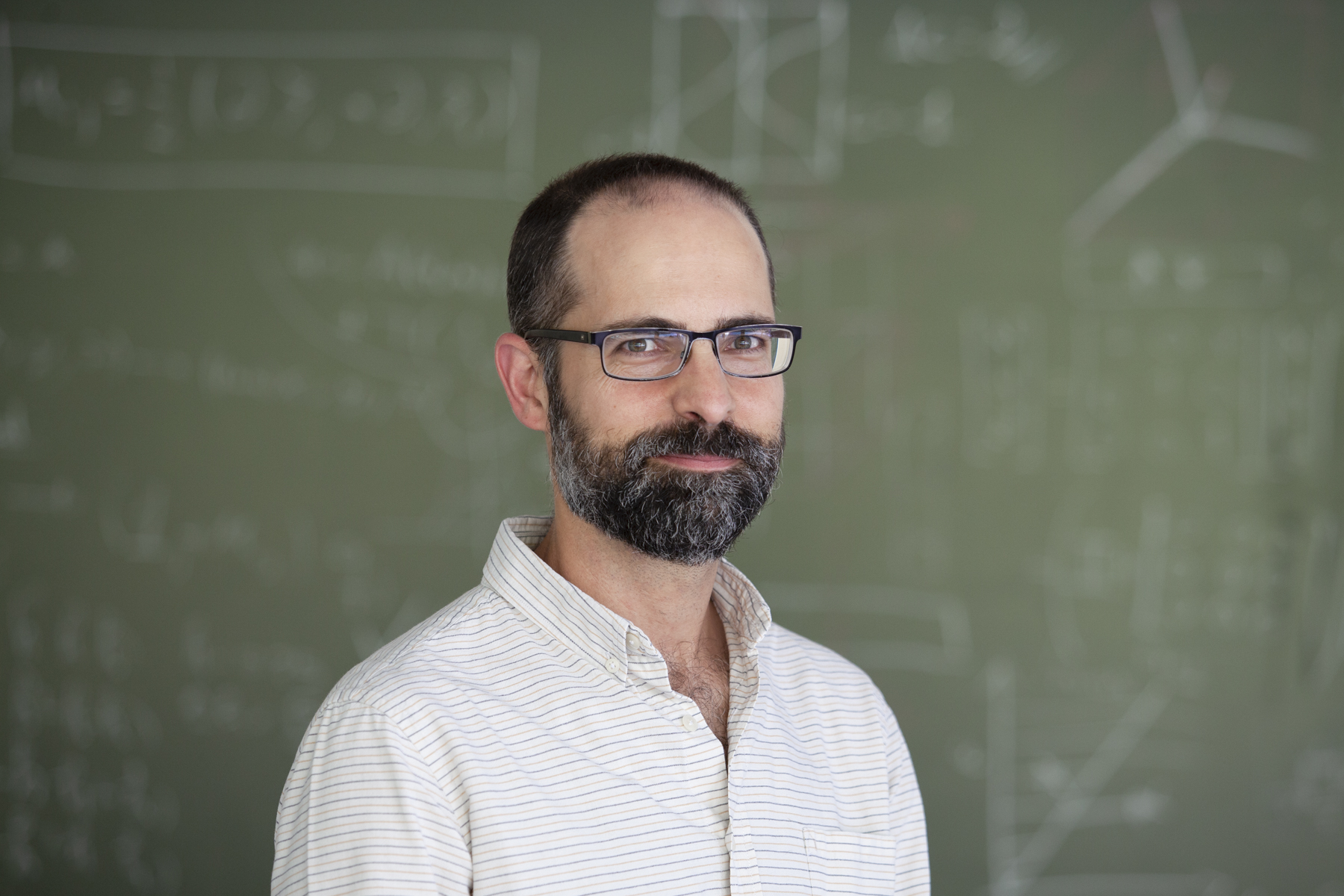
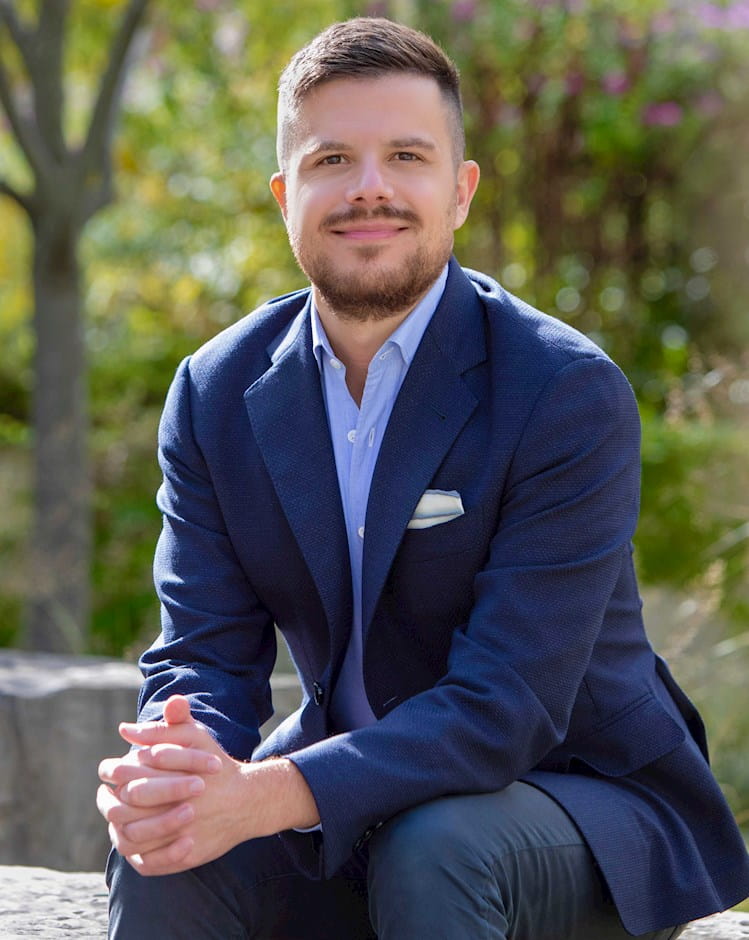
Dr. Juan Manuel Berbel Pineda is a full Professor at the Department of Business Organization and Marketing at Universidad Pablo de Olavide, Spain. His academic work focuses on tourism economics, sustainable tourism practices, and international business strategies, particularly within the hotel industry and textile sector. Key research areas: Tourism Economics, Sustainable Tourism, International Business Strategy Affiliated with IMEGS (Innovation and Marketing for a Sustainable Global Environment) research group Doctoral Programs: Innovation, Entrepreneurship and Family Business His research explores tourism competitiveness and internationalization patterns through empirical studies on hotel chains in Latin America, fair trade impacts in emerging economies, and post-COVID-19 rural tourism development. Analysis of 15 recent publications reveals strong emphasis on structural equation modeling, cross-cultural comparisons, and market segmentation strategies. Current academic activity includes international collaborations with institutions like Massey University, Varna University of Management, and University of Mauritius. His 2020 work on Ecuadorian chia seed exports demonstrates methodology for EU market selection using 7-dimensional indicators, while his sustainable tourism studies provide frameworks for pandemic-era tourism revival through non-overcrowding strategies.
Sergio Bermudo Navarrete is a Professor at the Department of Economics, Quantitative Methods and Economic History, Universidad Pablo de Olavide. His research spans combinatorics, graph theory, and operator theory. Education: PhD in Mathematics (2003, University of Seville) with thesis on functional models of operators in Hilbert spaces. Research Interests: Focus on graph theory, domination problems, topological indices, and operator theory. Publication Trends: Recent work includes vertex-degree-based indices for oriented graphs, domination parameters in product graphs, and differential analysis of line graphs. Keywords span Computer Science , Mathematical Chemistry , and Operations Research . Collaborations: Frequent co-authors: José María Sigarreta Almira, José Manuel Rodríguez García, Juan Alberto Rodríguez-Velazquez. Contact: Email sbernav@upo.es .
Eugene F. Fama, 2013 Nobel Laureate in Economic Sciences, is the Robert R. McCormick Distinguished Service Professor of Finance at the University of Chicago Booth School of Business. Widely regarded as the "father of modern finance," his work on the efficient markets hypothesis and risk-return relationships has profoundly influenced both academic and investment communities. Bachelor's, Tufts University (1960) MBA and PhD, University of Chicago Graduate School of Business (1964) Fama's research centers on theoretical and empirical finance, focusing on asset pricing models, market efficiency, and portfolio management. His recent publications emphasize factor investing, including the development of five-factor models and the analysis of international market anomalies. Key trends in his scholarship include empirical validation of the Capital Asset Pricing Model (CAPM), international factor analysis, and the distinction between luck and skill in mutual fund performance. His work remains foundational for quantitative finance and investment strategies. Scientific Awards and Fellowships Nobel Prize in Economic Sciences (2013) Deutsche Bank Prize in Financial Economics (2005) Morgan Stanley American Finance Association Award for Excellence in Finance (2007) Onassis Prize in Finance (2009) Chaire Francqui (1982) Nicholas Molodovsky Award from CFA Institute (2006) Fred Arditti Innovation Award (2007) Fellow of the American Finance Association (2001) Fellow of the Econometric Society Fellow of the American Academy of Arts and Sciences Fama serves as Advisory Editor for the Journal of Financial Economics and has mentored numerous PhD students through his academic career. His research continues to shape financial theory and practice, with ongoing analysis of market efficiency and factor-based investing.
Virginia Ferreiro Basurto is an Assistant Professor in the Department of Psychology at the University of the Balearic Islands (UIB), where she teaches undergraduate and postgraduate courses in psychology, with a strong focus on gender equality and gender-based violence. She is actively involved in postgraduate coordination, including the Chair of Gender Violence Studies and the Summer University of Gender Studies at UIB. Assistant Professor, Department of Psychology, University of the Balearic Islands Coordinator, Chair of Gender Violence Studies, UIB Coordinator, Summer University of Gender Studies, UIB Member, Gender Studies Research Group (ESTUDEGE), UIB Education: Degree in Pedagogy, University of the Balearic Islands Master’s in Inclusive Education, University of the Balearic Islands Doctoral Candidate in Interdisciplinary Gender Studies, University of the Balearic Islands Dr. Ferreiro Basurto’s research centers on gender perspectives in the Information Society, with emphasis on ICT-related social-digital exclusion of women and sexist cyberviolence. Her work explores implicit and explicit attitudes toward gender-based violence, bystander intervention, street harassment, and the myth of romantic love as a justification for abuse. She has contributed extensively to academic discourse through publications and participation in national and international conferences. The trend in her recent scholarly output reveals a consistent focus on gender-based violence in both physical and digital environments. Her articles analyze youth perceptions of cyberaggression, the role of bystanders in intimate partner violence, and methodological advancements in measuring supportive attitudes toward violence. The interdisciplinary nature of her work spans psychology, sociology, gender studies, and digital humanities, often informed by empirical data from Spanish populations. Scientific Awards: No specific awards listed in the provided text. She has been involved in multiple research projects funded by national and international institutions, including the Ministry of Science, Innovation and Universities, FECYT, Ministerio de Economía y Competitividad, Fundación BBVA, and Instituto de la Mujer. These projects cover themes such as critical thinking development in education, citizen involvement in violence prevention, and intervention programs for abusers. She also advises and supervises master’s theses and final degree projects, particularly in gender-focused postgraduate programs. Dr. Ferreiro Basurto is a member of the Gender Studies Research Group (ESTUDEGE) at UIB, a consolidated R&D&I group dedicated to advancing interdisciplinary research on gender, violence, and digital society. Her collaborative work involves designing and evaluating gender-sensitive educational and intervention programs.
Marina Romeo Delgado is a Full Professor at the Department of Social Psychology and Quantitative Psychology, University of Barcelona. She directs the UB-ADECCO Chair for Labour Integration of People with Disabilities and leads the Consolidated Teaching Innovation Group GIDC-CAV. As Internal Coordinator of the Erasmus Mundus Work, Organizational and Personal Psychology (WOP-P) Master's program, she collaborates with universities in Bologna, Coimbra, and Valencia. She also coordinates the Interuniversity Doctorate in Psychology of Communication and Change. Her research focuses on psychosocial risks, organizational communication, and employee well-being with emphasis on disability inclusion in workplaces. She has led projects like 'Implementing Sustainable Development Goals (SDGs) in Psychology and Education Programs' (2022-2024) and 'Realizing Potential of EU Staff Mobility' (2016-2019). Awarded EuroPsy Specialist certification in Work and Organisational Psychology, she has authored over 20 peer-reviewed articles on telework motivation, job crafting effects, and disability employment policies. Her work bridges academic research with practical interventions through international collaborations and institutional initiatives.
Georges Siotis is an Associate Professor of Economics at the Universidad Carlos III de Madrid and a CEPR Research Fellow in Industrial Organization. He previously served in key roles within the EU Commission, including membership in the Chief Economist's Team (2008–2011) and Senior Economic Advisor to the Greece Task Force (2011–2015). His research focuses on competitive dynamics in the pharmaceutical industry, with emphases on market definition, regulatory policy, and antitrust enforcement. He teaches courses on industrial organization at both undergraduate and master’s levels. His research interests span industrial organization, health economics, and international trade. Notable works analyze how quality differences influence pharmaceutical advertising, the consequences of generic drug entry, and the strategic behavior of firms in regulated markets. Recent studies explore evolving market boundaries and competition policy challenges in the pharmaceutical sector. His publications reflect a deep engagement with EU competition law cases (e.g., Servier, Paroxetine), regulatory frameworks for orphan drugs, and historical globalization patterns. He has contributed to policy discussions on FDI impacts, electricity market liberalization, and regional development strategies within the EU.
Javier Anton Merino is an Assistant Professor in the Department of Private Law at the Faculty of Law, University of Burgos, specializing in Political and Administrative Science. He is a member of the Comparative Politics research group (POLCOM) and has established himself as a scholar focusing on nationalism, territorial politics, and electoral behavior. Education: Doctor from Universidad Autónoma de Madrid (2021) with thesis 'La emergencia del nacionalismo secesionista en la Europa occidental del siglo XXI Escocia y Cataluña en perspectiva comparada' Supervised by Dr. Fabiola Mota Consejero and Dr. Luis Moreno Fernández Research Focus: Dr. Merino's work centers on comparative nationalism, particularly examining secessionist movements in Western Europe with emphasis on Scotland and Catalonia. His research has evolved to encompass decentralization processes, territorial politics, and electoral behavior in Spain and other established democracies. He employs mixed-method approaches combining quantitative and qualitative analysis to understand political representation in plurinational contexts. Publication Trends: His scholarly output demonstrates a clear trajectory from structural analysis of nationalist movements toward contemporary studies of political communication. Recent publications (2023-2025) increasingly focus on emotional appeals in electoral campaigns, social media strategies of political parties, and the evolution of radical right discourse in Spanish regional elections, particularly analyzing Vox party communications in Catalonia. This reflects his adaptation to emerging research areas while maintaining his core interest in comparative political dynamics. Professional Engagement: Visiting researcher at University of Edinburgh Visiting researcher at Universidad Domingo Savio de Potosí Active collaborator with multiple researchers at University of Burgos
David de Sancho Sánchez is a Ramón y Cajal Research Fellow at the University of the Basque Country (UPV/EHU) and the Donostia International Physics Center (DIPC) in Spain. His research employs computational methods to study protein dynamics, folding mechanisms, and biomolecular interactions, with a focus on quantitative comparisons between theory, simulation, and experimental data. Education & Training: Biophysical Chemistry training at San Pablo CEU and Complutense Universities PhD under Antonio Rey at Complutense University Postdoctoral work with Victor Muñoz (Spanish Research Council) and Robert Best (University of Cambridge) Research Focus: David's work spans protein folding landscapes, metal-binding proteins, mechanical unfolding, and phase separation. Recent investigations include amyloid-beta aggregation, titin mechanics in cardiac disease, and computational drug design for cancer and neurodegeneration. His methodologies integrate molecular dynamics, Markov state models, and force spectroscopy simulations. Scientific Awards: Ramón y Cajal Fellowship (UPV/EHU) Ikerbasque Research Fellowship (CIC nanoGUNE) Affiliations: He leads computational research at UPV/EHU's Theoretical Chemistry Unit and collaborates extensively with experimental groups at DIPC, focusing on protein engineering and disease mechanisms.
Veronica Israel Turim is a Doctoral student and Researcher in the Society, Technology, Religion and Media program at the Faculty of Communication and International Relations Blanquerna. She maintains an active research profile with an h-index of 22 and is involved in multiple significant research projects including AGORAS (2024-2025), Catholic Media Influencers (2024-2025), DIALOCAT (2023-2024), GenerAccions (2023), and STReaM: Society, Technology, Religion and Media (2022-2025). Dr. Turim's research program centers on the critical intersection of digital media, religious discourse, and societal trends. Her work employs both quantitative big data analytics and qualitative methods to examine how social media platforms shape religious understanding, political engagement, and sustainability awareness. She has developed particular expertise in analyzing Instagram, TikTok, and Twitter dynamics within Spanish and Catalan contexts, with strong methodological skills in exploratory data analysis and social network mapping. Her publication record reveals a clear trajectory examining misinformation patterns across different domains - from religious journalism to vaccine discourse to political communication. This thematic consistency demonstrates her commitment to understanding how information (and misinformation) flows through digital networks and impacts societal understanding. Her research has gained significant attention, with articles shared across multiple X (Twitter) accounts, Facebook pages, and referenced in Wikipedia. Dr. Turim collaborates extensively within a robust research network led by M. Díez Bosch and A. Sabaté Gauxachs, working alongside colleagues including V. Laferrara and J.L. Micó Sanz. Her current projects focus on interfaith dialogue, media representation, gender perceptions, and Catholic media influencers, demonstrating both continuity with her established research interests and expansion into new applications of her methodological expertise.
Irene Abad Perez is an Associate Professor at the University of Valencia, affiliated with the Department of History of Science, specializing in Library and Documentation Science. Her academic career is rooted in the analysis of scientific communication and the historical development of medical knowledge. Her research interests lie at the intersection of information science and the history of medicine, with a particular focus on bibliometric methods to study regional scientific contributions. Key areas include: Library and Information Science History of Medical Science Bibliometric Analysis Scientific Documentation Knowledge Organization Academic Publishing Trends While no publications or research projects are listed in the provided text, her doctoral work suggests a strong methodological foundation in quantitative analysis of scientific output. There is no mention of scientific awards, grants, or student supervision in the available information.
Carlos Lopezosa is a Visiting Professor at the University of Barcelona (UB) under a Margarita Salas postdoctoral fellowship. Previously, he held an Associate Professor position at the Pompeu Fabra University (UPF), where he taught across the Faculty of Communication, including Journalism, Advertising, and Audiovisual Communication. He also coordinated the Online Master's in SEO/SEM at the Barcelona School of Management (UPF). His research focuses on web visibility strategies (SEO, voice search, social media curation), qualitative methodologies (systematic reviews, semi-structured interviews), and AI applications in digital journalism. He is affiliated with the UB's Faculty of Information and Audiovisual Media, contributing to research groups like Professorat GIDD. His work bridges academic research with practical media strategies, emphasizing ethical AI integration and algorithmic transparency. Key research areas include news curation, AI-driven data analysis, and digital media ethics. Lopezosa has published extensively in journals like Future Internet , DOXA Comunicación , and El Profesional de la Información , with over 50 peer-reviewed articles since 2018. His current projects explore AI's role in newsrooms, Google News algorithms, and multidimensional journal evaluation frameworks. Education: Doctor in Information Sciences Research Interests: SEO strategies, content curation, AI in media, systematic reviews Grants: Margarita Salas Postdoctoral Fellowship (UB) His work often addresses challenges in digital media visibility, ethical AI implementation, and the evolving role of algorithms in news dissemination. Lopezosa collaborates with institutions like the CRICC research center and frequently presents at international conferences on digital media trends.
Cristobal Pagan Canovas is a Permanent Professor (tenure-track) at the Department of English Philology, University of Murcia, where he co-directs the Daedalus Lab and the Murcia Center for Cognition, Communication, and Creativity. He is also a member of the international consortium Red Hen Lab, focusing on multimodal communication research. Education includes: PhD in Ancient and Modern Greek Literature from University of Murcia BA+MA in Classics and BA+MA in English from University of Murcia MA in Classics from University College London His research explores human cognition and communication through interdisciplinary approaches combining humanities and sciences. Primary interests include: Conceptual integration networks in emotional expression Multimodal communication patterns across language, gesture, and prosody Temporal representation in creative artifacts Cognitive foundations of poetic metaphor and verbal art Cultural evolution of integrative patterns in social interactions Recent publications demonstrate consistent focus on temporal cognition, multimodal communication, and creativity across domains including poetry, music, and gesture. Research employs corpus analysis, big data approaches, and cognitive modeling to examine how humans integrate perceptions into meaningful wholes. Scientific awards and fellowships: Ramón y Cajal Grant (elite national scheme) Alexander von Humboldt Fellowship in Quantitative Linguistics EURIAS Fellowship at Netherlands Institute for Advanced Studies FBBVA Leonardo Fellowship Marie Curie Fellowship ENSAYA'10 Award for scientific essay He leads multiple research grants including ERASMUS PLUS KA220-HED (MULTIDATA) and national grants MULTIFLOW and CREATIME. Supervised trainees include postdoctoral researchers (Marie Curie, Juan de la Cierva), MA students, undergraduates, and data scientists. The Daedalus Lab develops interdisciplinary methods to study cognition and communication, while Red Hen Lab enables large-scale multimodal dataset analysis through international collaboration.
Francisco Martinez Sanchez is Professor in the Department of Quantitative Methods for Economics and Business at Universidad de Murcia's Faculty of Economics and Business. His research focuses on industrial organization, intellectual property protection, competition policy, and game theory applications in software markets and media industries. He leads the Time Series and Econometrics research group. His extensive publication record examines piracy economics, market competition, privatization policies, and behavioral economics. Education includes a PhD from Universitat d'Alacant (2008) on commercial piracy economics. Contact: fms@um.es
Giovanni Compiani is an Associate Professor at the University of Chicago Booth School of Business, specializing in Marketing. His research bridges industrial organization and quantitative marketing, focusing on advanced econometric methods. PhD, MPhil, MA in Economics from Yale University BSc, MSc in Economics from Bocconi University Previous Assistant Professor at Haas School of Business His work explores unstructured data integration in demand estimation, consumer search behavior on online platforms, risk preferences in cryptocurrency markets, and time perception in behavioral economics. He has published in top journals including Journal of Political Economy , Marketing Science , and Review of Economic Studies . Recent publications emphasize machine learning applications in econometrics, equilibrium modeling of lotteries, and crypto mining's economic impact. His research portfolio spans demand analysis, structural modeling, and behavioral insights. Editor's Choice Award, The Review of Asset Pricing Studies (2024) Developed nonparametric demand estimation frameworks Advances dynamic model identification with instrumental variables Compiani teaches Data Science for Marketing Decision Making at Booth and maintains active collaborations with researchers across econometrics, computer science, and behavioral disciplines.
Juan Carlos Bel Martinez serves as Assistant Professor in the Department of Experimental and Social Sciences Education at the Faculty of Teacher Training, University of Valencia. His academic credentials include a PhD in Specific Didactics (Didactics of Social Sciences) from Universitat de València with extraordinary doctoral award, a degree in Primary Education Teaching from Universitat Jaume I of Castellón, and a Master's Degree in Research in Specific Didactics from Universitat de València. Bel Martinez has established himself as a prominent researcher in historical imagination and historical thinking within Primary Education contexts. His scholarly work focuses on analyzing teaching materials, particularly textbooks, to understand how they foster historical consciousness among young learners. He has conducted research stays at the Universiteit van Amsterdam and the Universidad de Valladolid, demonstrating international academic engagement. His research has been recognized with a six-year research period assessed by CNEAI, reflecting significant scholarly contributions to the field. His publication record reveals a strong thematic focus on historical imagination, with recent work examining women's representation in history textbooks (2025), methodological approaches to studying historical imagination (2024), and systematic reviews of social science textbook research in Spain (2024). His work consistently bridges theoretical frameworks with practical classroom applications, particularly examining how visual materials in textbooks contribute to historical understanding. Extraordinary doctoral award Six-year research period assessed by CNEAI As an active academic, Bel Martinez collaborates extensively with colleagues at the University of Valencia, especially with Juan Carlos Colomer Rubio and Rafael Valls Montés, while also working with researchers from other Spanish institutions. His research methodology combines qualitative approaches like discourse analysis with quantitative methods to examine teacher perspectives and curriculum content within Spain's educational framework. His work continues to expand the understanding of how historical narratives are constructed and transmitted to primary school students through educational materials.