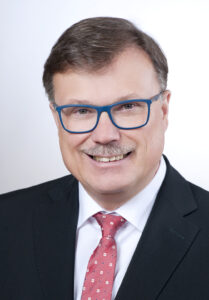
Thomas Efferth is Full Professor and Director of the Institute of Pharmaceutical and Biomedical Sciences at Johannes Gutenberg University Mainz, Germany. He leads the Department of Pharmaceutical Biology, specializing in molecular pharmacology and drug discovery. His research spans cancer therapeutics, infectious diseases, and traditional Chinese medicine, with a strong focus on artemisinin and natural products. Education includes a PhD from the German Cancer Research Center (1990) and habilitation from RWTH Aachen University (1997). Professional positions include research leadership at the German Cancer Research Center (2005), associate professorship at Heidelberg University (2007), and his current role since 2009. Research interests integrate systems biology approaches with: Molecular mechanisms of anticancer drugs Bioinformatic pharmacology for personalized medicine Artemisinin repurposing for cancer/viral infections Toxicological profiling of natural products Publications demonstrate strong focus on phytomedicine, antiviral therapies, and cancer drug resistance. Awards and honors include: Qihuang International Award (2017) World Academy of Sciences membership (2018) Stanford Top 2% Scientist citation ranking (2020) Dr. Wilmar Schwabe Award (2006) Multiple honorary professorships in China/Hong Kong Editorial leadership includes Editor-in-Chief roles for Phytomedicine and board memberships in 20+ journals. Society roles feature vice-presidency of the Specialty Committee on Immunology of TCM and executive positions in IUPHAR and DPhG.
Quan Liu, M.D., Ph.D., is an Associate Professor at the School of Medicine, Southern University of Science and Technology (SUSTech), where he has been employed since August 2018. He also serves as Deputy Secretary of the Joint Party Committee of the School of Medicine, Chairman of the Joint Labor Union of the School of Medicine, and Vice Chairman of the Transplant Immunology Professional Committee of the Immunotherapy Engineering Branch of the Chinese Society of Biomedical Engineering. Additionally, he holds the position of Associate Chief Physician at the Second Affiliated Hospital of Harbin Medical University. Dr. Liu received his Medical Degree (M.D.) from Harbin Medical University in 2002, followed by surgical training at the Second Affiliated Hospital of Harbin Medical University from 2002 to 2008, specializing in cardiothoracic surgery. He pursued his Ph.D. at the University of Pittsburgh, where he spent over 8 years (2009-2017) at the Thomas E. Starzl Transplantation Institute studying transplantation immunobiology, inflammation regulation, and immunobiology of IL-33 and regulatory T cells (Treg) with Drs. Heth Turnquist and Adrian Morelli. Dr. Liu's research focuses on three primary areas: (1) Alloantigen presentation in transplantation, (2) Immunobiology of IL-33, Treg and ILC2 in settings of transplantation, inflammation regulation and tumor, and (3) Immunotherapy. His work has made significant contributions to the field of transplant immunology, particularly in elucidating the role of donor dendritic cell-derived exosomes in mediating the semi-direct pathway of alloantigen presentation, revealing the role of intra-allograft recipient-derived dendritic cells in maintaining transplant rejection, and investigating the role of IL-33 in tissue protection during acute lung injury and heart transplant rejection. His research findings have been included in the classic immunology textbook Janeway's Immunobiology (10th Ed, 2022). Dr. Liu's publications demonstrate a strong focus on immunology, particularly transplant immunology, with recurring themes of IL-33, regulatory T cells, and mechanisms of immune regulation in transplantation settings. His work spans from basic immunological mechanisms to potential clinical applications in transplantation and cancer. Provincial Science and Technology Progress Second Prize (2007) Provincial Science and Technology Progress Second Prize (2008) Young Scientist Award at the American Transplant Congress (2013) Distinguished Young Talents project of the Second Affiliated Hospital of Harbin Medical University (2017) Dr. Liu has successfully completed a National Natural Science Foundation of China Youth Fund project and is currently leading a National Natural Science Foundation of China General Project (2020-2023). He has supervised doctoral students and has been actively involved in teaching undergraduate courses in Biochemistry, Physiology, and Pathophysiology, as well as graduate courses in Immunology. His laboratory at SUSTech has developed advanced research capabilities including over 30 mouse strains (more than 10 developed independently), access to a Seahorse XFe96 cell energy metabolism analyzer, and a CyTOF Helios mass cytometer for advanced immunological studies. Dr. Liu leads a research group at SUSTech focused on tumor immunity and immunotherapy, neuro-immune-metabolic interactions, and transplant immunity. The laboratory has established significant experimental capabilities including over 30 mouse strains (more than 10 developed independently), access to a Seahorse XFe96 cell energy metabolism analyzer for immunometabolism research, and a CyTOF Helios mass cytometer for advanced immunological studies.
Dr. Daniel Bachovchin is a Professor and Geoffrey Beene Junior Faculty Chair at Memorial Sloan Kettering Cancer Center's Sloan Kettering Institute, leading the Chemical Biology Program. He holds faculty roles at Weill Cornell Medical College, Rockefeller University, and Gerstner Sloan Kettering Graduate School. His research focuses on enzyme functions in cancer and immunity, particularly serine proteases' roles in inflammasome activation. He earned his PhD from The Scripps Research Institute and AB from Harvard University. Expertise: Innate immunity, inflammasome biology, protease inhibition, chemical probes Affiliations: Tri-Institutional Chemical Biology Program, Pharmacology training programs Key research themes include NLRP1 and CARD8 inflammasome mechanisms, redox signaling, and pyroptosis pathways. His lab develops small molecule inhibitors and activity-based probes to study these systems. Recent work highlights include discovering DPP8/9 inhibitors as pyroptosis inducers in cancer and uncovering redox stress sensing by inflammasomes. Over 90 peer-reviewed publications span high-impact journals like Science , Nature , and Cell . Awarded multiple grants including Pershing Square Sohn Prize, Sloan Fellowship, and teaching awards. Mentors over 20 trainees, including PhD students and postdocs in chemical biology and immunology.
Michelle Tate is an Adjunct Associate Professor (Research) at the Hudson Institute of Medical Research, where she leads the Viral Immunity and Immunopathology research group and serves as Deputy Centre Head at the Centre for Innate Immunity and Infectious Disease. She earned her PhD in Microbiology and Immunology from the University of Melbourne in 2010 and has since established herself as a leading researcher in viral immunology and pathogenesis. Institution: Hudson Institute of Medical Research School: Centre for Innate Immunity and Infectious Disease Academic Rank: Adjunct Associate Professor Email: michelle.tate@hudson.org.au Education: PhD in Microbiology and Immunology, University of Melbourne (2010) Dr. Tate's research centers on the molecular mechanisms driving hyperinflammation and severe disease during viral infections, particularly influenza A virus. Her work investigates how the host immune response—specifically inflammasome signaling, pyroptosis, and interferon pathways—contributes to immunopathology. She aims to develop host-directed therapies that modulate inflammation to reduce lung damage and improve outcomes in respiratory viral diseases. Her research integrates animal models, molecular immunology, and translational approaches to bridge basic science with clinical applications. Analysis of her recent publications reveals a strong focus on inflammasome biology (especially NLRP3 and gasdermin-mediated pyroptosis), host-pathogen interactions in influenza, and immune protection in non-traditional sites such as the male reproductive tract. Her work spans immunology, virology, pulmonary disease, and therapeutic development, with an emphasis on targeting innate immune pathways for treatment. Australian Institute of Policy and Science (AIPS) Young Tall Poppy Science Award (2018) Christina Fleischmann Memorial Award (2016) Victorian Infection and Immunity Network Career Development Award (2016) Commendation, Victorian Premier’s Award for Health & Medical Research (2011) Chancellor's and Dean's Prize for PhD Excellence (2011) Bridging Postdoctoral Fellowship (2011) Dr. Tate actively contributes to the scientific community through NHMRC and MRFF grant review panels, editorial roles in journals such as Journal of Virology and Pathogens, and leadership in the Australasian Virology Society. She mentors students and collaborates with clinical and commercial partners to translate her findings into novel therapies. Her lab is engaged in multiple funded projects focused on silicosis, influenza immunopathology, and host-directed antiviral strategies, reflecting her commitment to impactful, interdisciplinary research.
Liu Hongmei is a Researcher and Master's Supervisor at Southern University of Science and Technology's Department of Biomedical Engineering. Holding a Ph.D. from the Chinese Academy of Sciences, she specializes in micro-nano robotics and tissue engineering for tumor therapy, with over 66 publications and 12 patents. Her work bridges biomedical engineering and nanotechnology for precision cancer treatments. B.S., Biological Sciences, Harbin Normal University (2005) M.S., Botany, Northeast Agricultural University (2008) Ph.D., Biochemical Engineering, Chinese Academy of Sciences (2015) Her research focuses on biomaterials engineering , nanoparticle drug delivery , and microenvironment-responsive hydrogels . Key areas include glioma therapy, traumatic brain injury recovery, and intervertebral disc degeneration treatments. Recent work explores pH/ROS/inflammation-triggered hydrogels and bioengineered bacteria for disease modulation. Article trends show a strong emphasis on nanoparticle design (2014-2025) for glioma, hydrogel development (2017-2025) for tissue repair, and biomimetic material synthesis (2023-2025) inspired by spider silk and meniscus structures. Sub-fields span pyroptosis inhibition, epigenetic reprogramming, and microbiome engineering. Jiangsu Science and Technology Award (2020) Jiangsu Medical Science and Technology Award (2020) Jiangsu Educational Science Research Award (2021) Chinese Medical Doctor Association's Outstanding Young Scientist (2018) Liu has supervised numerous projects including National Natural Science Foundation of China grants, Jiangsu Province Key R&D Program funding, and Shenzhen City General Projects. She holds 12 Chinese invention patents and collaborates with institutions like the UNESCO Centre for Higher Education Innovation.
Dr. Seth Guller is a Senior Research Scientist and Director of the Gyn/Endocrine Laboratory at the Yale School of Medicine. He specializes in reproductive sciences, focusing on placenta diseases, pre-eclampsia, and pregnancy outcomes. His research integrates biochemistry and clinical laboratory techniques to improve patient care, particularly through advanced hormone analysis using the Roche Cobas e411 analyzer. Dr. Guller holds a PhD from Mount Sinai School of Medicine (1986) and has authored over 75 peer-reviewed publications. Affiliations: Yale Fertility Center, Reproductive Endocrinology & Infertility Division, Perinatal Research Group Key Research Areas: Placental biology, maternal-fetal immune interactions, viral infections in pregnancy, and cytokine regulation in reproductive health. His laboratory has pioneered studies on mechanisms underlying preeclampsia, Zika virus vertical transmission, and the impact of maternal obesity on placental function. Collaborations with clinicians like Dr. Charles Lockwood and Dr. Harvey Kliman highlight translational research bridging basic science and clinical care. Recent publications (2020–2023) emphasize placental immunology, SARS-CoV-2 effects on pregnancy, and metabolic pathways influencing fetal development. His work has advanced understanding of Hofbauer cell functions, cytokine signaling, and viral pathogenesis in obstetrical contexts.
Jonathan Bramson is a Professor and Vice Dean, Research at the Faculty of Health Sciences, McMaster University , holding the John Bienenstock Chair in Molecular Medicine . His work focuses on cell-based therapies for cancer , leveraging genetic engineering, synthetic biology, and chemical biology to enhance anti-tumor activity of white blood cells. Key Research Themes: Cancer immunotherapy, T cell engineering, oncolytic viruses, and tumor immunology. Pioneering Work: Development of TAC (T Cell Antigen Coupler) receptors for targeted cancer therapies, transitioning from lab to clinical trials in Canada and the USA. Scientific Awards: John Bienenstock Chair in Molecular Medicine Collaborative Impact: Co-founded a McMaster biotech start-up advancing immunotherapy for solid cancers. Led clinical trials like CYTOSHRINK for metastatic kidney cancer and explored metabolic modulators (e.g., canagliflozin) to improve radiotherapy outcomes.
Dr. Edward Harhaj is a Professor at the Department of Cell and Biological Systems within the Penn State College of Medicine , affiliated with the Penn State Cancer Institute (Mechanisms of Carcinogenesis program). His research focuses on the molecular mechanisms of viral-induced malignancy and innate antiviral immunity . Education: PhD in Microbiology and Immunology, Penn State College of Medicine (1999) Postdoctoral Training in Immunobiology, Howard Hughes Medical Institute (2001) MS and BA in Biology, Bucknell University (1994 and 1992) Research Interests: Dr. Harhaj investigates HTLV-1 (Human T-cell leukemia virus type 1) , which causes adult T-cell leukemia (ATL) and HAM/TSP. His lab explores how the viral protein Tax activates the NF-kB/Rel transcription factor family , critical for tumor cell survival. Additionally, he studies negative regulation of innate immune pathways like RIG-I-MAVS and cGAS-STING, aiming to prevent excessive inflammation during antiviral responses. Recent Research Trends: His work emphasizes autophagy and ubiquitin pathway components in Tax-mediated oncogenesis, as well as mitophagy and interferon signaling in innate immunity. Key subfields include signal transduction , transcription factor regulation , and immune homeostasis . Grants & Projects: Active NIH-funded projects (NIAID) include studies on TAX1BP1 , VEGFR2 regulation of HTLV-1 , and ZFAND6 in antiviral immunity (2021–2026). Past projects (2015–2024) address innate immune signaling and autoimmune pancreatitis. Laboratory Focus: The Harhaj lab employs multidisciplinary approaches to dissect virus-host interactions , oncogenic signaling , and innate immune regulation , with collaborations spanning molecular biology, virology, and immunology.
Prof. Dr. Jörn Walter serves as a Senior Professor for Genetics and Epigenetics at Saarland University's Faculty of Natural Sciences and Technology. His laboratory investigates epigenetic mechanisms across development and disease states, with particular emphasis on DNA methylation, chromatin dynamics, and epigenomic mapping of cell types. Member of the International Human Epigenome Consortium (IHEC) Coordinator of the German Epigenome Program Director of an in-house Sequencing Facility (HiSeq2500, Mi-Seq, Nextseq-500) Research focuses include: Epigenetic programming during cellular differentiation DNA methylation dynamics in disease contexts Stem cell epigenetics and reprogramming Evolution of epigenetic mechanisms Recent publications highlight interdisciplinary approaches combining next-generation sequencing , bioinformatic modeling , and clinical epigenetics , with particular attention to immune cell development , metabolic disease epigenetics , and computational epigenomics . The group maintains collaborations with the West German Sequencing Center and contributes to epigenetic data standardization efforts. Lab members include active researchers like Dr. Nina Gasparoni , Dr. Gilles Gasparoni , and M.Sc. Alea Leismann , alongside an extensive alumni network of former advisees who have advanced epigenetic research in various institutions.
Sung Kim is an Associate Professor at The University of Western Ontario, where he leads the Kim Lab (http://www.kimlab-uwo.com/). He holds a PhD from the University of British Columbia and completed his postdoctoral training at The Scripps Research Institute in San Diego. His research focuses on understanding epigenetic and signaling mechanisms governing macrophage responses to microbes, tissue injury, and cancer. His work investigates how macrophages adapt to environmental cues through epigenetic reprogramming, particularly in contexts of immune tolerance (e.g., to commensal bacteria) and immune dysregulation (e.g., in tumors). Key areas include histone acetylation-mediated tolerance to bacterial components like lipopolysaccharides, and transcription factor roles in tumor-associated macrophage behavior. Publications highlight contributions to understanding anthrax toxin pathogenesis, probiotic immunomodulation (via Lactobacillus rhamnosus), and mechanisms of cytokine regulation (e.g., IL-1β, G-CSF). His lab employs genetic, biochemical, and cellular approaches to dissect signaling pathways in macrophage plasticity. Notable research tools include quasi-haploid RAW 264.7 cell mutagenesis systems and in vivo models of colitis and probiotic efficacy. Current projects aim to translate epigenetic insights into therapeutic strategies for inflammatory diseases and cancer immunotherapy.
Fiachra Emanuel Humphries , PhD, is an Assistant Professor at UMass Chan Medical School within the T.H. Chan School of Medicine and the Morningside Graduate School of Biomedical Sciences . His primary affiliations include the Division of Innate Immunity and cross-appointment in multiple graduate programs. BS in Biotechnology, National University of Ireland, Maynooth PhD in Immunology, National University of Ireland, Maynooth Research Focus : Innate immune signaling pathways, particularly cGAS-STING axis , inflammasome regulation , and RNA-protein condensates in viral and inflammatory diseases. His work bridges molecular mechanisms with therapeutic development for COVID-19 and autoinflammatory syndromes . Recent Publications highlight discoveries in: Gasdermin D inactivation mechanisms STING oligomerization inhibitors Intestinal immune homeostasis regulation SARS-CoV-2 restriction strategies Networks include collaborations with Katherine Fitzgerald, Paul Thompson, and Scott Shaffer. Key research concepts span Inflammasomes , Interferon Type I , and Phosphate-Binding Proteins .
Professor Simon Holst Bekker-Jensen is affiliated with the University of Copenhagen , specifically the Faculty of Health and Medical Sciences and the Department of Cellular and Molecular Medicine . He leads research at the Molecular Aging Program Damage and Repair Center for Healthy Aging , focusing on stress signaling pathways in cellular biology. Academic Rank: Professor Department: Cellular and Molecular Medicine Research Center: Molecular Aging Program Damage and Repair Center for Healthy Aging His research investigates MAP kinase activation mechanisms under stress , novel stress signaling pathways , and the role of cellular stress responses in cancer . Using siRNA screens , proteomics , and biochemical techniques , he explores RNA-binding proteins and post-transcriptional regulation in stress and inflammation. Current projects target ZAKα kinase and NLRP1 inflammasome dynamics, with potential therapeutic applications in cancer and inflammatory disorders. Collaborations span international institutions, with recent external partnerships in multiple countries. He serves as a consultant for KinxeaTherapeutics , developing kinase inhibitors for clinical trials.
Megan Horn Orzalli is an Assistant Professor in the Department of Medicine at UMass Chan Medical School, with secondary appointments in the Immunology and Microbiology Program and MD/PhD Program at the Morningside Graduate School of Biomedical Sciences. Her primary role resides within the Division of Infectious Diseases of the T.H. Chan School of Medicine. Her educational background includes: BS in Microbiology from the University of Washington, Seattle PhD in Virology from Harvard University, Cambridge Dr. Orzalli's research centers on viral pathogenesis and host immune responses, particularly herpes simplex virus mechanisms and innate immunity. She investigates DNA sensing pathways (cGAS, IFI16), inflammasome activation, and viral evasion strategies, with significant contributions to understanding pyroptosis and cell death in barrier tissues. Her work bridges fundamental virology with clinical implications for infectious and inflammatory diseases. Analysis of her publication trends reveals expanding focus on dermatological contexts since 2022, particularly psoriasis and skin immunity through studies of SLC46A2 transporters and methotrexate mechanisms, while maintaining core herpesvirus research on cGAS pathway inhibition and NLRP1 inflammasome regulation. Dr. Orzalli conducts research within UMass Chan's Division of Infectious Diseases, collaborating across immunology, microbiology, and dermatology disciplines to investigate host-pathogen interactions at mucosal and epithelial barriers using advanced models including human skin explants and organoids.
Katherine A. Fitzgerald, PhD , is Professor and Vice Chair of Medicine at the University of Massachusetts Chan Medical School , where she also serves as Chief of the Division of Innate Immunity and holds the Worcester Foundation for Biomedical Research Chair III . She is cross-appointed in multiple graduate programs at the Morningside Graduate School of Biomedical Sciences , including Immunology and Microbiology, Translational Science, MD/PhD, and Post-baccalaureate Research Education. Education B.Sc. in Biochemistry, University College Cork, Ireland (1995) Ph.D. in Biochemistry, Trinity College Dublin, Ireland (1999) Research Focus Dr. Fitzgerald’s work is centered on the molecular basis of innate immunity , dissecting how nucleic-acid sensors, inflammasomes, and long non-coding RNAs orchestrate inflammatory responses during infection and in chronic inflammatory diseases. Her laboratory aims to translate these insights into therapeutic strategies for infectious, autoimmune, and autoinflammatory disorders. Scientific Honors Member, National Academy of Sciences (USA) Member, National Academy of Medicine (USA) Member, Royal Irish Academy Fellow, American Academy of Microbiology Thermo-Fisher Meritorious Career Award (2022) Saint Patrick’s Day Medal (2015) Milstein Award for Excellence in Interferon and Cytokine Research (2014) Leadership & Service Past President of the International Cytokine and Interferon Society, she serves on national advisory boards including NIAID’s Board of Scientific Councillors and the Massachusetts Center for Pathogen Readiness. Laboratory & Training Her Fitzgerald Lab (Program in Innate Immunity) welcomes graduate rotation students; interested applicants should contact Kate.Fitzgerald@umassmed.edu .
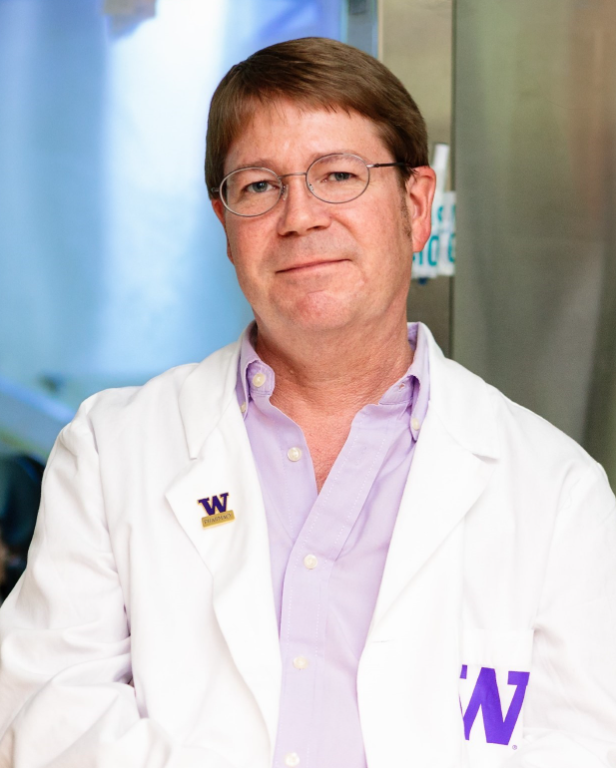
Edward Kelly is a Professor and Adjunct Professor at the University of Washington , affiliated with the School of Pharmacy and the Department of Pharmaceutics , as well as the Environmental & Occupational Health Sciences . He is the Co-Director of the Pharmaceutical Bioengineering Program and leads the Kelly Lab , which focuses on microphysiological systems (organs-on-chips) for preclinical toxicology and drug metabolism research. Education : BS, MS, and PhD in Biochemistry from UC Riverside and the University of Washington. His research interests center on ex vivo modeling of human organ physiology and toxicological responses to drugs and xenobiotics, with a focus on liver and kidney ADME organs . His lab is pioneering the use of organs-on-chips to replace animal testing (the 3 Rs) and study disease models and microgravity effects on the International Space Station. His publications highlight the application of microphysiological systems in nephrotoxicity , drug metabolism , and multi-organ coupling . Key themes include toxicology , translational research , and biomedical engineering for preclinical models . Edward Kelly teaches courses such as Biotechnology and Biopharmaceuticals , Drug Disposition Science , and Pharmacokinetics . His lab actively accepts students , and he collaborates with institutions like the Comparative Health Outcomes, Policy, and Economics (CHOICE) Institute and the Program on Pharmacokinetics of Drugs of Abuse during Pregnancy (UWPKDAP) .