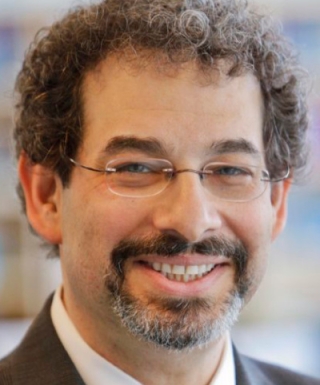
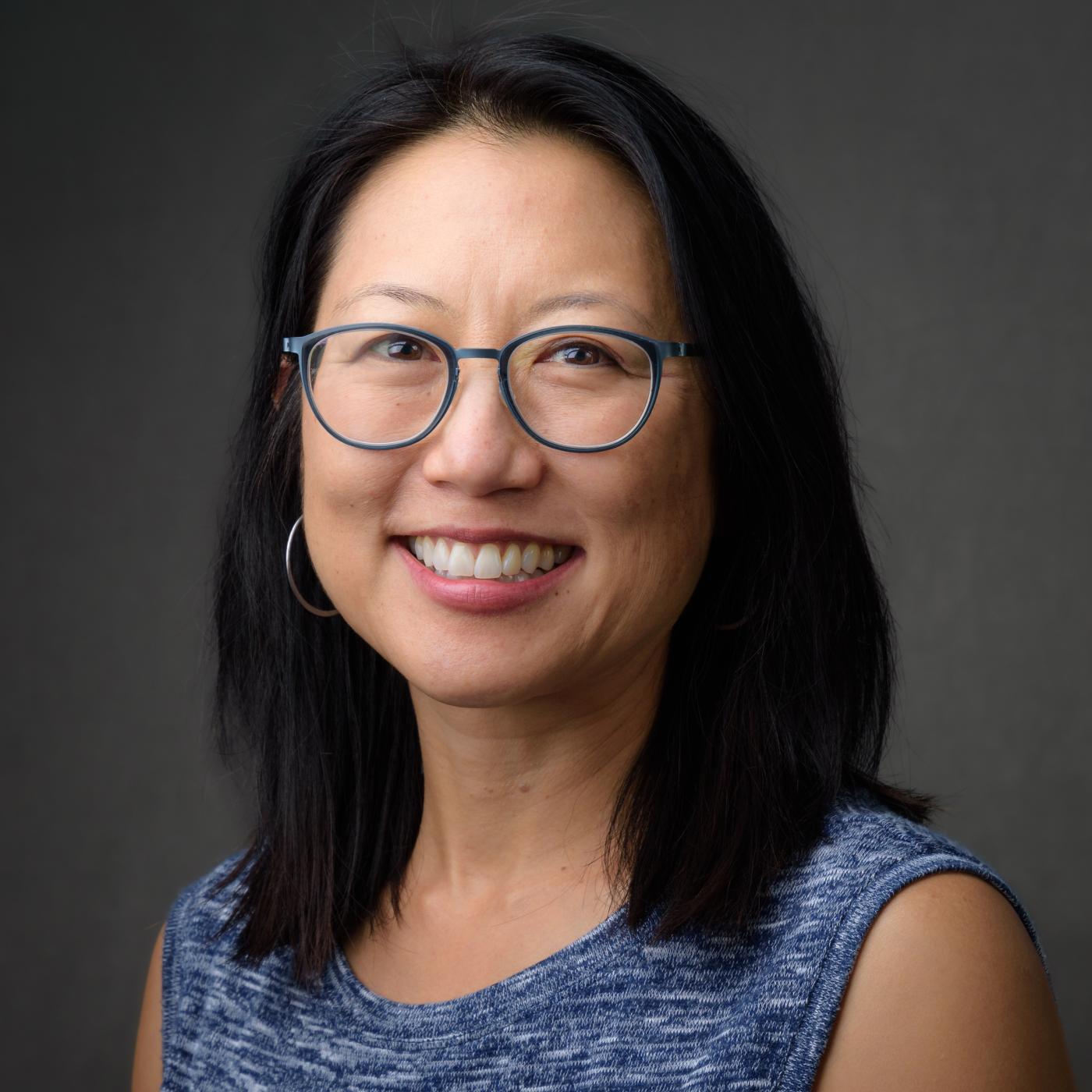
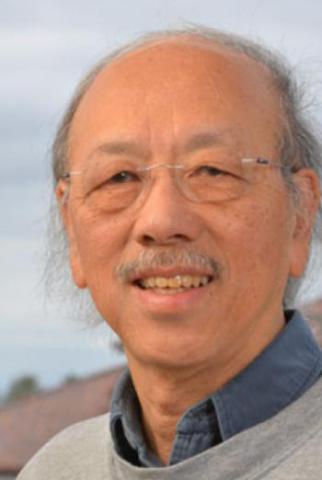
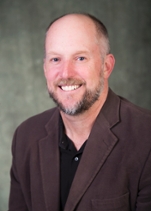
Steve Goldstein serves as Vice Chancellor for Health Affairs and Professor at the University of California, Irvine (UCI) . His academic appointments span multiple departments, including Physiology and Biophysics , Pediatrics , and Pharmaceutical Sciences (School of Pharmacy & Pharmaceutical Sciences). Dr. Goldstein's research focuses on voltage-gated ion channels, particularly Kv1.1 and Hv1, and their roles in neurological and immunological diseases. Research Highlights: Discovery of AETX-K, a sea anemone toxin with picomolar affinity for Kv1.1 channels Mechanistic studies of toxin-channel interactions through NMR and electrophysiology Therapeutic applications for epilepsy and cardiorespiratory disorders Investigation of SUMOylation in regulating sodium and potassium channels Grants: R01 HL159711 (NIH/NHLBI) R33 AT012544 (NIH/NCCIH) U54 GM087519 (NIH/NIGMS) R01 GM111716 (NIH/NIGMS) R61 AT012544 (NIH/NCCIH)
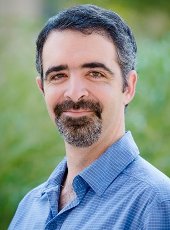
Dr David Leader is an Honorary Senior Research Fellow at the School of Molecular Biosciences, University of Glasgow. His research focuses on structural biology, protein architecture, and bioinformatics, with significant contributions to genomics, transcriptomics, and metabolomics. He has developed tools like Structure Motivator and FlyAtlas for analyzing protein motifs and gene expression in Drosophila melanogaster and other organisms. Research Interests: Dr Leader's work centers on hydrogen bonding in protein structures, including motifs like the crown bridge and β-link, as well as ion transport mechanisms in insects. He has also explored metabolic mapping and genomic data visualization, creating accessible software for researchers. Publication Trends: Over his career, Dr Leader has published extensively in structural biology ( Acta Crystallographica , Proteins: Structure, Function and Bioinformatics ), genomics ( Nucleic Acids Research ), and bioinformatics ( BMC Bioinformatics ). Recent work includes transcriptomic atlases for Tribolium castaneum (2024) and functional studies of protein motifs. Collaborations: Dr Leader has frequently collaborated with Prof E. James Milner-White and other experts in genomics (e.g., Julian A.T. Dow, Sue A. Krause) on projects like FlyAtlas 2 and Pathos .
Amy Lee is a Professor of Neuroscience and affiliated with the Interdisciplinary Life Sciences Graduate Programs at the University of Iowa. She holds a PhD in Neuroscience from the University of Virginia (mentored by Kevin Lynch) and conducted postdoctoral research with William Catterall at the University of Washington. Her academic journey includes roles as Assistant Professor at Emory University (2002–2009) and subsequent promotions to Professor and Assistant Dean for Research in the Carver College of Medicine (2014–2019). Her research focuses on voltage-gated Ca 2+ channels, particularly their roles in nervous system development and function. Key projects include studying Cav channel structure/function relationships, axonal regeneration mechanisms involving CaBPs, and retinal circuit development. Techniques employed span electrophysiology, imaging, and machine learning. Her articles highlight breakthroughs in channel pharmacology, synaptic organization, and gene therapy applications. Notable awards include the Women of Innovation Award (2015), AAMC Video Competition Award (2016), and teaching excellence recognitions. She leads the Lee Lab, advancing interdisciplinary approaches to neurobiology and disease.
Angela M. Barragán is Assistant Professor of Instruction in the Department of Physics and Astronomy at Northwestern University. She holds a Ph.D. in Physics from the University of Illinois at Urbana-Champaign (2019). Her interdisciplinary research spans computational biophysics and quantum optics, with applications in bioenergetics and quantum information. Barragán develops advanced computational models to elucidate electron transfer mechanisms in biological complexes, particularly cytochrome systems involved in cellular energy production. Additional research explores quantum phenomena in photonic systems, including quantum phase transitions in light-matter interactions and ultracold atom manipulation in engineered photonic environments. Her computational methodologies include molecular dynamics simulations, quantum mechanical calculations, and GPU-accelerated visualization techniques for complex biological systems.
Wah Chiu is Wallenberg-Bienenstock Professor and Professor of Bioengineering and Microbiology and Immunology at Stanford University. A pioneer in cryogenic electron microscopy (cryo-EM), he develops methodologies for atomic-resolution structure determination of macromolecular complexes including viruses, chaperonins, and RNA-protein assemblies. His research integrates structural biology, computation, and instrumentation to advance cryo-EM and cryo-ET. Recent publications (2024-2025) showcase diverse applications from membrane protein structures to RNA hydration networks and battery materials, demonstrating consistent innovation in resolution limits and multimodal analysis. His articles reveal strong trends in method development for high-resolution tomography, integration of AI in microscopy analysis, and structural characterization of dynamic biological processes.
Lori Watson is a Professor of Chemistry at Earlham College, specializing in synthetic and computational organometallic chemistry with a focus on catalytic cycles and cleaner energy research. She is also deeply involved in chemical education innovation, co-founding the Interactive Online Network of Inorganic Chemists (IONiC) to enhance teaching practices. Her research emphasizes C-H bond activation using platinum-group metals and ligand design to improve catalytic efficiency. Educated at the University of Kentucky (B.S.), Indiana University (Ph.D.), and St. Meinrad School of Theology (M.T.S.), Watson integrates faith, science, and pedagogy through courses like the Earlham Seminar on Chemistry of Cooking and advising Questing Catholics. She leads a $750,000 NSF grant for STEM career development and collaborates on a $1.1M NSF project to improve inorganic chemistry curricula. Her work bridges academic rigor and community-building, exemplified by the Earlham Science Scholar program, which provides scholarships and research opportunities for underrepresented students. Watson’s hobbies include basket weaving, gardening, and exploring Appalachia’s trails, reflecting her commitment to holistic learning and environmental stewardship.
Dr. Scott McIndoe is a Professor in the Department of Chemistry at the University of Victoria (UVic), Faculty of Science. He holds a DPhil from the University of Waikato and completed a Postdoctoral Fellowship at the University of Cambridge. His research focuses on catalyst discovery, organometallic chemistry, and mass spectrometry-led mechanistic studies. His group develops novel techniques for real-time analysis of catalytic reactions, including electrospray ionization mass spectrometry (ESI-MS) and flow-based methods. He teaches advanced courses in organometallic chemistry (Chem 423/523) and research tools/methods (Chem 590), emphasizing hands-on learning and innovative pedagogy. Notably, he won the UVic Faculty of Science Teaching Award (2012/13) and pioneered anonymous classroom question systems to enhance student engagement. His lab, equipped with advanced instrumentation (e.g., mass spectrometers, flow IR/UV-Vis, gloveboxes), supports undergraduate and graduate research in catalysis, polymerization, and materials chemistry. Collaborative projects include environmental catalysis for 'forever chemical' degradation and educational tools like the MoleculAR AR app for molecular visualization. Recent work explores mausolate complexes for nuclear medicine and NHC ligands for ESI-MS applications. Education: DPhil in Chemistry, University of Waikato, New Zealand NZFRST Postdoctoral Fellowship, University of Cambridge, UK Research Interests: Organometallic catalysis mechanisms Real-time reaction monitoring via mass spectrometry Design of electrospray-active ligands Environmental catalysis and material science Drug delivery systems using chelate complexes Augmented reality tools for chemistry education Teaching & Awards: Course coordinator for Chem 590 (Research Tools and Methods) Developed anonymous in-class question systems and classroom response tools Awarded UVic Faculty of Science Teaching Award (2012/13) 3rd Prize in ChemiSTEAM Art Meets Science (2025) for scientific outreach Lab & Collaborations: Hosts interdisciplinary research team including undergraduates, graduates, and postdocs Equipment: Two mass spectrometers, flow reactors, Bambu X1 3D printer Active in UVic's chemistry education innovation initiatives
Dr. Ian Walshe is Assistant Professor and Programme Leader for BSc Sport, Exercise and Nutrition at Northumbria University. He holds BSc and MSc degrees in Exercise Physiology and is completing an MSc in Dietetics. Walshe's research examines interactions between nutrition, sleep, and exercise physiology. His work investigates dietary interventions for athletic performance enhancement, exercise recovery strategies, and metabolic health. Current projects include beetroot supplementation effects on gymnastic performance, tart cherry dosing for exercise recovery, and nutritional management of menopause-related sleep disturbances. His methodological approaches integrate physiological testing, metabolic analysis, sleep monitoring, and molecular techniques. Walshe maintains registration as a dietitian and serves as External Examiner at Manchester Metropolitan University.
Dr. Chandrima Chatterjee is a Senior Lecturer at Singapore University of Technology and Design (SUTD), specializing in Biophysical Chemistry and innovative pedagogical practices. She holds a PhD in Physical Chemistry from Yale University (2010) and completed postdoctoral research at Albert Einstein College of Medicine, focusing on protein-microtubule interactions. Her teaching roles include leadership in curriculum development and active learning strategies. Education: BSc (Presidency College Kolkata, 2001), MSc (IIT Bombay, 2003), PhD (Yale University, 2010) Awards: 2019 SUTD Excellence in Teaching Award, 2014 Pedagogy Innovation Grant Her research integrates spectroscopic techniques to study chemical/biological phenomena. Key areas include excited-state proton transfer dynamics (via resonance Raman spectroscopy) and biophysical studies of motor proteins in cancer-related cellular processes. She advocates interdisciplinary approaches to develop novel optical methods for biomedical applications. Pedagogy innovations include 3D-printing tools for teaching atomic orbitals and cross-disciplinary 2D project designs. She actively participates in conferences on technology-enabled learning and abstract concept visualization.
Ezequiel Medici is an Adjunct Assistant Professor at the Department of Mechanical and Aerospace Engineering, Michigan Technological University. His work bridges numerical and experimental research across multiple disciplines. Research Focus: Modeling phase change and heat/mass transport in porous media and cryogenic systems. Key Applications: PEM fuel cells, volcanic eruption dynamics, cryogenic propellant management, and industrial fluid transport. Publications Trends highlight expertise in: Multi-scale modeling (continuum and pore-network approaches) Cryogenic fluid behavior (liquid hydrogen, supersonic jets) Geophysical shock wave propagation Industrial applications (diapers, heat pipes, oil recovery)
Christopher M. Orban is an Associate Professor at The Ohio State University Marion Campus in the Department of Physics. His research spans plasma physics, cosmological simulations, and innovative physics education methods. He leads the STEMcoding Project and develops free VR apps through the BuckeyeVR Initiative . Academic Rank: Associate Professor Department: Physics University: The Ohio State University Campus: Marion Campus Research Interests: Orban investigates high-intensity laser-plasma interactions for ion acceleration, develops computational tools for astrophysical simulations, and pioneers the use of virtual reality and programming exercises in physics education. His work bridges theoretical modeling with experimental validation. Laser-Produced Plasmas Cosmological Perturbation Theory Virtual Reality Education Computational Thinking Code Validation (FLASH, Gadget2) Electromagnetic Field Simulations Notable Contributions: He developed open-source educational tools like the Arduino-based pressure sensor and created browser-based physics simulations using classic video games. His 2020 High Energy Density Physics paper validated FLASH code for astrophysical jet modeling, while 2019 Physics Education work explored computational thinking in introductory courses.
Zoran Štefanić is a Senior Researcher and Head of the Laboratory for Chemical and Biological Crystallography at the Ruđer Bošković Institute in Zagreb, Croatia. He earned his Ph.D. in Physics from the University of Zagreb in 2004, with a thesis on hydrogen bonding in amino acid derivatives. Research Interests : Structural biology, enzyme catalysis, crystallography, supramolecular chemistry, molecular dynamics, and biophysics. Key Contributions : Structural characterization of purine nucleoside phosphorylases, allosteric regulation studies, and development of mechanochemical synthesis methods. Scientific Awards : Cambridge Crystallographic Data Centre Poster Prize (2004). Students : Supervised Lucija Papa (2017, structural studies of purine nucleoside phosphorylase) and Marta Bošnjaković (2018, phosphate binding in Helicobacter pylori enzymes). His recent publications focus on allosteric communication in enzymes , supramolecular materials , and ferroelectric phase transitions , with computational tools like MDavocado for protein motion analysis. He teaches Group Theory in Crystallography and contributes to outreach projects with the Croatian Association of Crystallographers.
Inna Rozman Grinberg is a Senior Researcher at Stockholm University's Department of Biochemistry and Biophysics, where she has worked since 2017. She is a member of Britt-Marie Sjöberg's research group , focusing on ribonucleotide reductase (RNR) regulation and its potential as an antimicrobial target. Her research investigates transcriptional and allosteric regulation of RNRs , essential enzymes for DNA synthesis and repair in bacteria. She discovered the NrdR regulatory protein in 2006 and continues exploring its molecular mechanisms, bacterial specificity, and drug development potential. 2025: Work on ATP-cone domain regulation and NrdR DNA binding 2024: Structural analysis of anaerobic RNRs and NrdR regulatory mechanisms 2022: Investigations into NrdR's transcriptional control in bacterial genomes Recent publications highlight her expertise in: ATP-cone domain function Metal cofactor analysis in RNRs Structural biology using SAXS and cryo-EM Antimicrobial target development She received a Carl Trygger foundation grant to host a post-doctoral fellow studying NrdR. Her work combines biochemical, biophysical, and bioinformatics approaches with structural biology collaborations.
Prof. dr. Marcel Swart is a Professor at the University of Groningen , affiliated with the Faculty of Science and Engineering and the Molecular Inorganic Chemistry department within the Stratingh Institute of Chemistry. His research focuses on computational chemistry applications in inorganic and bioinorganic systems, particularly in catalysis, transition metal reactions, and polarizability modeling. Research Interests : Catalysis of hydrogen peroxide reactions Computational modeling of transition metal complexes Spin state and redox activity analysis QM/MM methods for solvent effects High-valent metal-oxo species Non-redox innocent ligand behavior Recent Publications show strong emphasis on iron and manganese catalytic systems, density functional theory applications, and hydrogen atom transfer mechanisms across both organic and biological contexts.
Hwangseo Park is a Professor in the Department of Integrative Bioscience and Biotechnology at Sejong University, with an active research profile evidenced by 144 publications and an h-index of 35. Current research output spans from 1997 to 2025, showing sustained productivity with 5 publications in 2025 alone. Research focuses on computational drug discovery and structural biology , particularly targeting enzyme inhibition mechanisms. Key areas include virtual screening, protein tyrosine phosphatase modulation, de novo drug design, and nanobody-based therapeutics. The fingerprint analysis reveals dominant work in pharmacology (100% Virtual Screening), biochemistry (52% Active Site studies), and molecular biology (46% Phosphatase research). Recent publications demonstrate strong translational impact, with 2025 papers covering Pancreatic cancer therapy via mesothelin-targeting nanobodies (cited 2 times) CD155-targeted lung adenocarcinoma treatment (6 news mentions) Vaspin-AP-1 axis blockade for arthritis (featured in news outlets) IRAK4 inhibitor optimization for anti-inflammatory applications Green space health impact analysis using digital tracking These works show consistent focus on structure-based therapeutic development with increasing clinical relevance. No formal awards are documented in the provided materials. Research activities involve significant international collaboration, with network visualizations indicating multi-country partnerships in pharmacology and biochemistry domains. Current projects emphasize nanobody engineering for precision oncology and computational optimization of drug candidates.