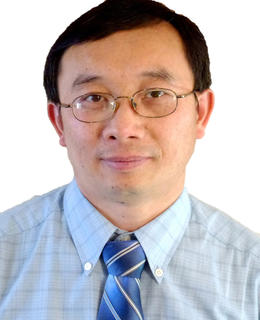
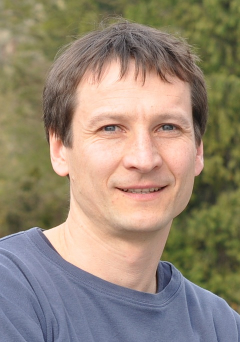
Dr. Chang-Chun Ling is a Professor in the Department of Chemistry at the University of Calgary, affiliated with the Arnie Charbonneau Cancer Institute. He holds a PhD from the Université de Paris Sud (1991) and completed postdoctoral research in Dublin, Paris, and Edmonton. His research focuses on bioorganic chemistry, carbohydrate-based vaccines, glycosyltransferase inhibitors, and neuroinflammation modulation. He leads projects at the Alberta Glycomics Centre targeting infectious diseases and cancer. Education: B.S. Chemistry, University of Lanzhou, 1986 PhD Chemistry, Université de Paris Sud, 1991 Research interests include carbohydrate-protein interactions, synthetic carbohydrate chemistry, and glycoconjugate vaccines. His lab explores inhibitors for tumor-associated enzymes, conjugate vaccine design, and ECM-driven neuroinflammation in multiple sclerosis and stroke. Key achievements include developing fluorinated glycans for myelin regeneration and cyclodextrin-based liquid crystal electrolytes. Notable awards include the Alberta/Pfizer Translational Research Fund Award (2013) and Alberta Ingenuity New Faculty Award (2007). Current projects involve multidisciplinary approaches to combat multidrug-resistant infections and autoimmune conditions.
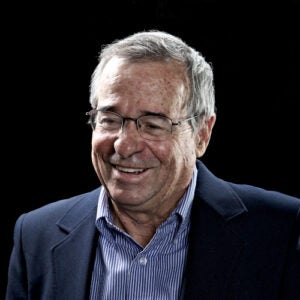
Arieh Warshel is a Distinguished Professor of Chemistry and Biochemistry at the University of Southern California’s Dornsife College of Letters, Arts and Sciences. He holds the Dana and David Dornsife Chair in Chemistry and is a Nobel Laureate in Chemistry (2013) for pioneering multiscale simulation methods for biological molecules. His work integrates quantum mechanics and molecular mechanics (QM/MM) to model enzymatic reactions and biological processes. Warshel earned a B.S. from the Technion in Israel (1966), M.S. and Ph.D. from the Weizmann Institute (1967, 1969). He joined USC in 1976 and has since led groundbreaking research in theoretical chemistry, including studies of enzyme catalysis, molecular motors, ion channels, and drug design. His research focuses on computational modeling of biological systems, emphasizing electrostatic effects, proton/electron transfer, and protein dynamics. Key contributions include the EVB (Empirical Valence Bond) method and the QM/MM approach, which revolutionized simulations of enzymatic reactions. Current projects involve multiscale modeling of G-proteins, ion pumps, and molecular machines. Warshel has authored over 500 publications, including seminal works on enzyme catalysis, electrostatic interactions, and molecular dynamics. His honors include membership in the U.S. National Academy of Sciences, the Royal Society of Chemistry’s Honorary Fellowship, and the Biophysical Society’s Founders Award. He oversees a research group with expertise in computational chemistry, mentoring postdocs like Ashim Nandi (plastic-degrading enzymes) and graduate students (e.g., Aoxuan Zhang, Lingfeng Hu). His lab uses advanced computing resources, including 38 dedicated nodes on USC’s HPC cluster, to simulate biological systems at unprecedented scales.
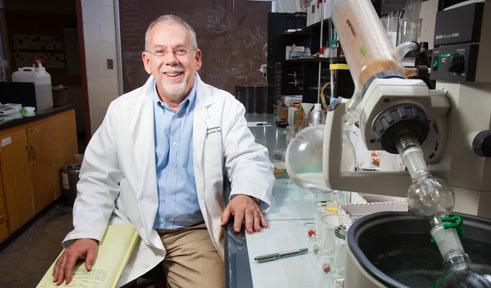
Stephen C. Bergmeier is a Professor in the Department of Chemistry and Biochemistry within the College of Arts and Sciences at Ohio University. His research bridges synthetic organic chemistry and biological applications, with a focus on developing novel therapeutic strategies for cancer and infectious diseases. Research Interests: His work spans three primary areas: (1) Design of glucose uptake inhibitors as anticancer agents, targeting cancer metabolism; (2) Development of small molecules that modulate RNA transcription via T-box riboswitches, offering new antibacterial strategies; and (3) Synthetic methodology involving strained heterocycles like aziridines for constructing complex nitrogen-containing ring systems. These projects highlight the synergy between method development and drug discovery. Publication Trends: His recent publications (2010–2017) reflect a consistent focus on heterocyclic synthesis, mechanism-driven drug design, and chemical biology. The articles reveal an interdisciplinary approach combining organic synthesis, molecular modeling, and biological evaluation, particularly in targeting metabolic pathways and RNA structures in disease. Scientific Awards: No awards are listed in the provided text. Advising and Grants: While specific students and grant funding are not mentioned, Dr. Bergmeier leads an active research group with collaborative projects involving Prof. X. Chen (cancer metabolism) and Prof. J. V. Hines (RNA biology), suggesting external funding and mentorship of graduate students and researchers. Labs and Teams: His research is conducted at Ohio University’s Athens Campus in the Chemistry and Biochemistry department, likely involving a research group focused on synthetic and medicinal chemistry. The work is collaborative and integrates organic synthesis with biochemical and cellular assays.
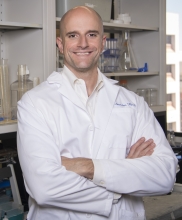
John M. Streicher is a Professor in the Graduate College of the University of Arizona, holding appointments in both the Neuroscience Graduate Interdisciplinary Program (GIDP) and Pharmacology. His research focuses on molecular signal transduction cascades related to opioid, adenosine, and orphan receptors in chronic pain. BS: George Fox University, 1999 MS: Oregon Health and Science University, 2002 PhD: University of California – Los Angeles, 2009 Research interests center on identifying new signaling regulators of opioid receptors, determining their molecular mechanisms, and translating these findings into novel painkiller development without side effects like addiction. His methodologies include CRISPR/Cas9 gene editing in mice, high-throughput drug screening, and creating pain state models (e.g., post-surgical pain). His publications from 2023–2002 span opioid receptor pharmacology, pain pathway modulation, ion channel inhibition, and drug design strategies (e.g., biased signaling, sulfonamide constraints). Articles frequently address chronic pain models, receptor-specific ligands, and neuroinflammatory mechanisms. Cover selection for Science Signaling (2023, 2020) INRC Young Investigator Award (2022) UA Undergraduate Biology Research Program Outstanding Faculty Mentor Award (2020-2021) Cyagen Animal Model Award (2017) ASPET Young Scientist Travel Award (2011) Dr. Streicher's work bridges molecular pharmacology and translational pain research, with a focus on developing next-generation analgesics through innovative biochemical and genetic approaches.
Ted Hupp is Chair of Cancer Research and Professor of Cancer Research at the University of Edinburgh's Institute of Genetics and Cancer, where he leads the Edinburgh Cancer Research Centre. His laboratory focuses on developing next-generation technologies for drug discovery in cancer, with particular emphasis on cancers of unmet clinical need including oesophageal adenocarcinoma and sarcomas. Dr. Hupp's research interests center on understanding cancer progression pathways, particularly those involving p53 mutation, which is one of the most common genetic changes in cancer development. His lab employs biophysical, biochemical, and proteomic approaches to develop novel molecular insights into clinically relevant cancer progression pathways. His work spans three main research programs: drugging protein-protein interactions to activate the p53 tumour suppressor, investigating the secretory pathway as a driver in oesophageal cancer, and developing immunotherapeutics, monoclonal antibodies, and vaccinology platforms. Analysis of his recent publications reveals a strong focus on proteogenomics, protein science, and translational applications. His work increasingly integrates canine models for comparative medicine, proteomic approaches to understand protein synthesis dynamics, and novel antibody development for cancer therapeutics. The research shows a clear trajectory toward personalized cancer immunotherapies and vaccine development based on neoantigen landscapes. Professor Hupp has successfully secured funding from major organizations including BBSRC, Medical Research Scotland, The Technology Strategy Board, British Council, European Union Development Fund, Wellcome Trust, and Cancer Research UK. His current projects include optimization of synthetic antibody libraries, selection and characterization of anti-peptide synthetic antibodies, CRISPR-based genome-wide approaches for identifying vulnerabilities in canine oral melanoma, and the KATY project focused on clinical knowledge systems. He advises multiple PhD students including Kamila Pawlicka, Estefania Esposito, Vanessza Fentor, Sinem Gul, and Mishal Tariq. His research group collaborates extensively with scientists across the University of Edinburgh, Cambridge University, Masaryk Cancer Institute in Brno, and the Indian Institute for Science in Bangalore. The lab maintains expertise in protein science, post-translational modifications, phage antibody libraries, RNA editing, p53 pathway science, and proteogenomics.
Catia Pesquita is an Associate Professor in Computer Science at the Faculty of Sciences of the University of Lisbon , where she is also a Senior Researcher at LASIGE and leads the Health and Biomedical Informatics Research Line . With a multidisciplinary background in Biology and Computer Science, she focuses on Artificial Intelligence and Data Science applications in life and health sciences . Her research spans Semantic Web , Biomedical Ontologies , Knowledge Graphs , and Explainable AI , with significant contributions to ontology matching and semantic similarity . Education: PhD in Computer Science - Bioinformatics (2012) MSc in Bioinformatics (2008) Degree in Cell Biology and Biotechnology (2005) Current Projects: KATY (2021-2024): AI-Empowered Personalized Medicine for cancer treatments. BRAINTEASER (2021-2024): AI for ALS and MS disease progression models. Research Outputs: Developed tools like AgreementMakerLight (AML) , KGsim-benchmark , and the Epidemiology Ontology . Over 133 publications with significant citations (32,909 reads, 3,889 citations). Teaching: Lectures advanced topics in Databases , Data Integration , Bioinformatics , and Big Data . Advocacy: Vice-president of Biodata.pt , promoting biological data valorization in Portugal. Actively involved in initiatives to promote computer science careers to young women .
Jianjun Chen, Ph.D. serves as Professor and Chair of the Department of Systems Biology and Director of the Center for RNA Biology and Therapeutics at City of Hope's Beckman Research Institute. Appointed Chair in August 2020, he previously served as Professor and Vice Chair from 2017-2020. He also holds the Simms/Mann Family Foundation Chair in Systems Biology since 2018. Dr. Chen's research focuses on RNA and DNA epigenetic mechanisms in cancer development and therapy resistance. His laboratory has made seminal contributions to understanding RNA modifications including N⁶-methyladenosine (m⁶A), 5-methylcytosine (m⁵C), and 7-methylguanosine (m⁷G), and their roles in cancer initiation, progression, drug resistance, and immune evasion. The lab also studies DNA epigenetic regulation through TET proteins and develops novel therapeutic strategies targeting epigenetic regulators. His recent publications reveal trends in RNA epigenetics, cancer metabolism, immune evasion mechanisms, and therapeutic targeting of epigenetic regulators. His work spans multiple cancer types including leukemia, lymphoma, and solid tumors, with emphasis on translating basic discoveries into clinical applications. Research Scholar of the American Cancer Society (2011) Scholar of The Leukemia & Lymphoma Society (2017) Researcher of the Year, The Pamela B. Katten Memorial Leukemia Research Foundation Award (2014) The Leukemia & Lymphoma Society Scholar CDP Achievement Award (2022) Fellow of the American Association for the Advancement of Science (AAAS) (2023) Dr. Chen's research program is supported by multiple R01 grants from the National Cancer Institute. His laboratory actively mentors researchers and has developed several small-molecule inhibitors with strong therapeutic potential in preclinical models. The Chen Laboratory is dedicated to translating fundamental discoveries in RNA and DNA epigenetics into effective clinical therapies for cancer patients. The laboratory operates within City of Hope's comprehensive cancer center, collaborating with clinical teams to bridge basic research and patient care. Current projects focus on developing prognostic systems for cancer risk stratification and creating targeted therapeutic strategies that inhibit aberrant epigenetic regulators such as FTO, IGF2BP2, YTHDF2, METTL16, and TET1.
Professor Ian Henderson is a leading academic in the Department of Plant Sciences at the University of Cambridge, affiliated with the School of Biological Sciences. He holds the title of Professor of Genetics and Epigenetics and has been a Royal Society University Research Fellow and Gatsby Resident Fellow since 2008. Education: BA in Biological Sciences (University of Oxford, 1997-2000); PhD in Plant Genetics (John Innes Centre, 2000-2004) under Prof. Caroline Dean His research focuses on genetic and epigenetic control of meiotic recombination in plant genomes, with an emphasis on crossover frequency, chromatin interactions, and centromere evolution. His group uses model organisms like Arabidopsis thaliana , wheat, potato, and oak trees. Key trends in his recent publications include centromere genomics , epigenetic regulation of recombination , and application of long-read sequencing to resolve complex genomic regions. Collaborations with agro-biotech companies (Bayer Biosciences, Solynta) aim to translate findings into crop breeding technologies. Scientific Awards EMBO Member (2022) Society for Experimental Biology President's Medal (2013) Royal Society University Research Fellow (2008-2016) Gatsby Research Fellow (2008-2016) EMBO Long Term Fellowship (2004-2008) Professor Henderson's work bridges fundamental research on plant genome evolution with applied strategies to control recombination for climate-resilient crops. His lab employs advanced techniques including nanopore sequencing , ChIP , and high-performance computing for genome analysis.
Julie Ahringer is Professor of Genetics and Genomics at the University of Cambridge and Director of the Wellcome Trust/Cancer Research UK Gurdon Institute. She leads a research group investigating chromatin structure and gene regulation using C. elegans as a model system. Her work integrates genomics, super-resolution microscopy, and computational approaches to understand epigenetic controls in development and disease. She holds fellowships from the Royal Society (FRS) and Academy of Medical Sciences (FMedSci). Research Focus: Her laboratory studies chromatin regulation mechanisms including heterochromatin formation, Polycomb domain function, genome architecture, and enhancer/promoter interactions. Key approaches include single-cell multiomics, high-throughput genomics, and super-resolution microscopy to analyze developmental trajectories. Research areas span: H3K27me3 domain formation and Polycomb repression Constitutive heterochromatin organization Regulatory element characterization 3D genome architecture via ARC-C technology Single-cell resolution developmental mapping Awards & Honors: Fellow of the Royal Society (FRS) Fellow of the Academy of Medical Sciences (FMedSci) Wellcome Senior Research Fellowship Academic Leadership: She mentors PhD students and postdoctoral researchers, with funding from Wellcome, MRC, and CRUK. Her lab develops open-source bioinformatics tools (VplotR, periodicDNA) and maintains the genome-wide C. elegans RNAi feeding library. Lab & Collaborations: The Ahringer Lab is based at the Gurdon Institute and collaborates widely on chromatin dynamics, nuclear organization, and developmental genomics projects across model organisms.
Sangjin Kim is an Assistant Professor in the Department of Physics at the University of Illinois, focusing on biomedical and translational sciences. After earning a B.S. in chemistry from Seoul National University and a Ph.D. from Harvard University under Sunney Xie, Kim conducted postdoctoral research in microbiology at Yale University under Christine Jacobs-Wagner. Their work combines single-molecule biophysics, microbiology, and computational modeling to study cellular complexity at the single-molecule and single-cell levels. Education: B.S., Chemistry, Seoul National University Ph.D., Harvard University (2010), thesis on single-molecule biophysics Research Interests: Kim investigates physical principles governing molecular interactions in cells, particularly how gene expression machinery operates collectively. Key areas include DNA supercoiling, mRNA degradation, transcription-translation coordination, and bacterial cellular organization. Their lab develops interdisciplinary methodologies integrating molecular biology, optics, and computational analysis. Article Trends: Kim’s publications highlight single-molecule imaging, gene regulatory mechanisms, and bacterial systems biology, with a focus on Escherichia coli. Research spans DNA mechanics, RNA dynamics, and intracellular organization, often using hybrid experimental-computational approaches. Scientific Awards: NIH Maximizing Investigators' Research Award (2021) Searle Scholar, Kinship Foundation (2020) Kavli Fellow, National Academy of Sciences (2022) University of Illinois CAS Fellow (2022-2023) Teaching: Kim has taught courses in physics, including College Physics: Mechanics & Heat (PHYS 101), University Physics: Mechanics (PHYS 211), University Physics: Electricity & Magnetism (PHYS 212), Experimental Biophysics (PHYS 407), and Special Topics in Physics (PHYS 498 EBP). Labs & Teams: The Kim Lab at UIUC focuses on solving many-body problems in biology at the single-molecule level, seeking energetic and curious graduate students and postdocs with backgrounds in physics, chemistry, or biology.
Dr. D. Grant Allen is a Professor and Frank Dottori Chair in Pulp and Paper Engineering at the University of Toronto's Department of Chemical Engineering and Applied Chemistry (Faculty of Applied Science and Engineering). He serves as Principal Investigator at the Bioprocess Engineering Lab and BioZone research center. His education includes a B.A.Sc. and M.A.Sc. from the University of Toronto, and a Ph.D. from the University of Waterloo. Dr. Allen's research focuses on environmental bioprocess engineering , with emphasis on: Microalgae cultivation for biofuels/chemicals using CO₂ and wastewater Advanced biological wastewater treatment and toxicity reduction Biosolids dewatering using novel bioflocculants and enzymatic methods Bioconversion of waste streams into value-added products Biofilm/floc microbiology and process optimization His publications demonstrate strong interdisciplinary trends in sustainable waste valorization, algal biotechnology, and advanced sludge treatment techniques, with consistent focus on industrial applications in pulp/paper and wastewater sectors. Awards & Honors: Sustained Excellence in Teaching Award (2022) Professor Diran Basmadjian Teacher of the Year Award Fellow: Chemical Institute of Canada, AAAS, Canadian Academy of Engineering, Engineering Institute of Canada LeSuer Memorial Award for Technical Excellence He currently advises graduate students and leads collaborative projects with industry/government partners. As Principal Investigator at BioZone, he coordinates interdisciplinary teams developing bioscience solutions for sustainability. Current projects include photocatalytic wastewater pretreatment and microfluidic carbon capture systems.
Isaac T Schiefer is a Professor in the Department of Medicinal and Biological Chemistry at the University of Toledo College of Pharmacy and Pharmaceutical Sciences. He serves as Director of the Center for Drug Design and Development (CD3) and Associate Director of the Shimadzu Laboratory for Pharmaceutical Research Excellence. Research Focus : Neuropharmacology, drug design, nitric oxide mimetics, zebrafish models, and gut-brain axis interactions Key Techniques : Photoaffinity labeling, LC-MS metabolomics, neurobehavioral analysis His recent work examines: Allosteric modulation of M1 receptors in zebrafish neurotoxicity Impact of gut bacterial short chain fatty acids on cardiovascular function Hybrid NO mimetics for neurodegenerative diseases SPC toxicity mechanisms using zebrafish models Pharmacokinetics of brain-penetrant compounds Publications demonstrate expertise in: Drug metabolism via sulfotransferases Neuroprotective agent development Pharmaceutical microbiome interactions Calpain inhibition for Alzheimer's disease
Dinshaw Patel is a Professor at the Structural Biology Program of Memorial Sloan Kettering Cancer Center (MSKCC), holding the Abby Rockefeller Mauzé Chair in Experimental Therapeutics. He has affiliations with Columbia University, The Rockefeller University, and Weill Cornell Medicine through collaborative research projects. PhD in Photochemistry, New York University Postdoctoral training in Biochemistry and Biophysics 17 years at AT&T Bell Laboratories Professor at Columbia University-Health Sciences His research focuses on structural biology of macromolecular recognition systems, particularly CRISPR-Cas surveillance complexes, cGAS-STING pathways, Structure Maintenance of Chromosomes (Smc5/6, MRX) complexes, and epigenetic regulation via histone/DNA modifications. His work spans RNA-mediated processes (siRNA/piRNA pathways), molecular chaperones, and riboswitches/ribozymes. Recent projects include structural characterization of bacterial antiphage defense systems (Lamassu, Kiwa), small molecule inhibitors targeting SARS-CoV-2 RNA capping machinery, and complexes involved in leukemias/lymphomas. Publications highlight structural elucidation of CRISPR-Cas systems using cryo-EM and x-ray crystallography, DNA repair mechanisms, and RNA-protein interaction dynamics. Key collaborations include Luciano Marraffini (Rockefeller), Xiaolan Zhao (MSKCC), and Thomas Tuschl (Rockefeller). National Academy of Sciences member AAAS member AT&T Bell Labs Distinguished Technical Staff Award New York University Distinguished Alumnus Award FEZANA Excellence in Profession Award Lifetime Achievement, American Association of Indian Scientists in Cancer Research Students and trainees benefit from his expertise in structural biology techniques (NMR, crystallography, cryo-EM), biochemical assays, and biophysical approaches. His lab participates in the Tri-Institutional PhD Program in Chemical Biology and maintains affiliations with multiple institutions including Beijing Advanced Innovation Center for Structural Biology and ETH Zürich.
Daniel Baum is a Research Professor and Head of the Visual Data Analysis research group at the Zuse Institute Berlin (ZIB), which is affiliated with Freie Universität Berlin. His work spans across scientific visualization, computational biology, and image analysis, with a particular focus on developing methods for analyzing complex biological structures and neural circuits. He is actively involved in multiple interdisciplinary research projects including HFSP Chitons, Geometric Learning for Single-Cell RNA Velocity Modeling, and RobustCircuit. Dr. Baum's research interests center on visual and data-centric computing approaches to solve complex problems in biology and medicine. His work bridges the gap between computational methods and biological applications, with significant contributions to cryo-electron tomography analysis, neural circuit mapping, and geometric morphometrics. He develops innovative algorithms for 3D reconstruction, image segmentation, and visualization of biological structures, from molecular to organismal scales. His publication record demonstrates consistent contributions to visualization techniques applied to biological problems, with recent work focusing on neural circuit analysis in zebrafish and Drosophila, biomechanical studies of animal structures, and advanced methods for analyzing ancient artifacts. The research shows a clear trajectory toward increasingly sophisticated multimodal data integration and machine learning approaches. Dr. Baum leads a productive research group with several key collaborators who frequently appear as co-authors on his publications, indicating a strong mentoring relationship. His projects involve substantial funding from various sources supporting interdisciplinary collaborations across biology, computer science, and engineering. His laboratory at ZIB focuses on visual data analysis for complex biological systems, with particular strength in developing computational methods for neuroscience applications and biomaterial analysis. The group maintains strong collaborations with multiple institutions working on cutting-edge imaging technologies and biological model systems.
Andrew Wilkie is the Nuffield Professor of Pathology at the University of Oxford and an Honorary Consultant in Clinical Genetics. He is based at the MRC Weatherall Institute of Molecular Medicine and leads the Wilkie Group focused on clinical genetics and craniofacial malformations. His work bridges fundamental research with clinical applications, particularly in the field of craniosynostosis and related conditions. He serves as Co-Theme Leader for Genomic Medicine at the NIHR Oxford Biomedical Research Centre and is an Associate Editor for PLoS Genetics. Wilkie's primary research interest lies in craniofacial malformations, especially craniosynostosis (premature fusion of cranial sutures). His groundbreaking 1995 discovery identified specific FGFR2 mutations as the cause of Apert syndrome, which led to two major research themes: discovering other genetic causes of craniosynostosis and investigating why certain mutations occur with unexpectedly high frequency. This work evolved into the recognition of 'selfish spermatogonial selection,' a novel process in testes that links germline and somatic mutation origins. Current research leverages next-generation sequencing to identify new genetic causes of craniosynostosis and explores the mechanisms by which stem cell populations maintain cranial sutures. His publication record demonstrates consistent contributions to understanding craniosynostosis genetics, with recent work focusing on novel gene discoveries (such as MEGF8, ERF, TCF12, ZIC1, CDC45, and SMO), regulatory element mapping, and the application of whole genome sequencing in clinical diagnostics. The research spans molecular genetics, developmental biology, and clinical applications, with increasing emphasis on understanding the complex pathways underlying craniofacial development and malformation. Fellow of the Academy of Medical Sciences (FMedSci) Fellow of the Royal Society (FRS) Wilkie leads a research team including Associate Professor Stephen Twigg, DPhil candidates, and postdoctoral researchers. His lab collaborates extensively with clinical units across the UK and internationally, including craniofacial teams at Oxford University Hospitals, Great Ormond Street Hospital, and institutions in the Netherlands and USA. Funding comes from major sources including the Wellcome Trust, NIHR Oxford Biomedical Research Centre, NIH, and Action Medical Research. His work has translated numerous genetic discoveries into NHS diagnostic testing, directly impacting patient care through improved genetic diagnoses. The Wilkie Lab maintains strong connections with clinical genetics services and focuses on both fundamental mechanisms of cranial suture development and direct clinical applications. The team uses mouse models (including CRISPR-Cas9 genome editing), single-cell analysis, and human genomic data to understand suture biology. They're part of the 100,000 Genomes Project and work closely with the NIHR Oxford BRC Genomic Medicine theme to implement genomic technologies in healthcare.