معرفی
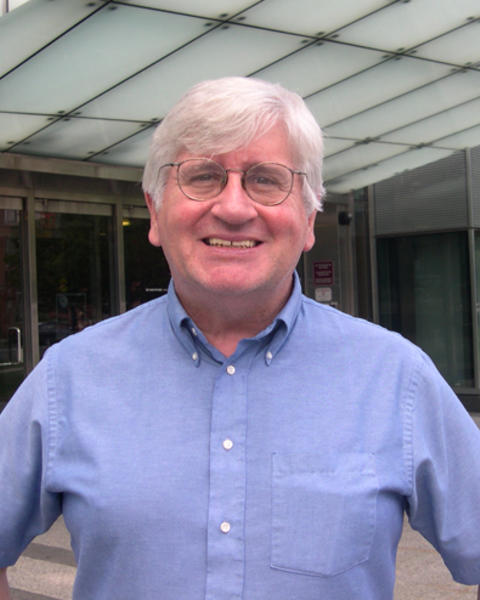
Ted Hupp is Chair of Cancer Research and Professor of Cancer Research at the University of Edinburgh's Institute of Genetics and Cancer, where he leads the Edinburgh Cancer Research Centre. His laboratory focuses on developing next-generation technologies for drug discovery in cancer, with particular emphasis on cancers of unmet clinical need including oesophageal adenocarcinoma and sarcomas.
Dr. Hupp's research interests center on understanding cancer progression pathways, particularly those involving p53 mutation, which is one of the most common genetic changes in cancer development. His lab employs biophysical, biochemical, and proteomic approaches to develop novel molecular insights into clinically relevant cancer progression pathways. His work spans three main research programs: drugging protein-protein interactions to activate the p53 tumour suppressor, investigating the secretory pathway as a driver in oesophageal cancer, and developing immunotherapeutics, monoclonal antibodies, and vaccinology platforms.
Analysis of his recent publications reveals a strong focus on proteogenomics, protein science, and translational applications. His work increasingly integrates canine models for comparative medicine, proteomic approaches to understand protein synthesis dynamics, and novel antibody development for cancer therapeutics. The research shows a clear trajectory toward personalized cancer immunotherapies and vaccine development based on neoantigen landscapes.
Professor Hupp has successfully secured funding from major organizations including BBSRC, Medical Research Scotland, The Technology Strategy Board, British Council, European Union Development Fund, Wellcome Trust, and Cancer Research UK. His current projects include optimization of synthetic antibody libraries, selection and characterization of anti-peptide synthetic antibodies, CRISPR-based genome-wide approaches for identifying vulnerabilities in canine oral melanoma, and the KATY project focused on clinical knowledge systems.
He advises multiple PhD students including Kamila Pawlicka, Estefania Esposito, Vanessza Fentor, Sinem Gul, and Mishal Tariq. His research group collaborates extensively with scientists across the University of Edinburgh, Cambridge University, Masaryk Cancer Institute in Brno, and the Indian Institute for Science in Bangalore. The lab maintains expertise in protein science, post-translational modifications, phage antibody libraries, RNA editing, p53 pathway science, and proteogenomics.