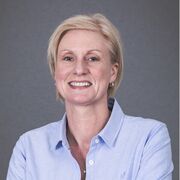
Karen Blyth is a Professor at the School of Cancer Sciences, University of Glasgow , and Head of Transgenic Models at the Cancer Research UK Scotland Institute . Her research focuses on in vivo cancer biology , particularly the role of RUNX/CBFβ transcriptional complexes and MCL-1 in breast cancer progression and metastasis . Education: BSc Biochemistry (1991, University of Glasgow); PhD Cancer Biology (1997, University of Glasgow) Her work explores metabolic pathways in tumor development, epithelial cancer mechanisms, and mammary stem/progenitor cell dynamics. She co-leads the MRC National Mouse Genetics Network Cancer Cluster , advancing genetically complex models for tumor complexity studies and patient therapy prediction . Recent publications highlight her expertise in metabolic vulnerabilities , metastasis , and immune-tumor interactions , spanning breast , prostate , colorectal , and melanoma research. Key themes include cell death regulation , RUNX gene paradoxes , and translational control in cancer. Scientific contributions include Co-founding SEARCHBreast for 3Rs-compliant resource sharing Developing genetically modified murine models for cancer research She mentors PhD student Amy Lawlor and collaborates with multidisciplinary teams on precision oncology and metabolic therapies .
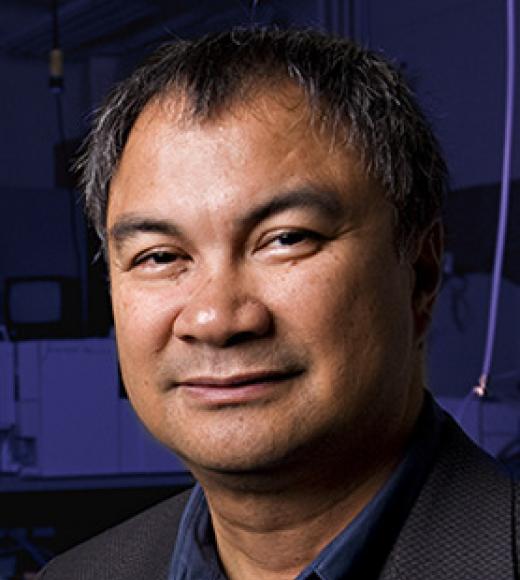
Professor David Bryant is a Professor of Cancer Cell Biology at the School of Cancer Sciences, University of Glasgow, and a Beatson Associate at the CRUK Scotland Institute. His research focuses on understanding how normal tissue organization is disrupted during cancer progression, with emphasis on epithelial polarity in colorectal and prostate cancers. Dr. Bryant earned his PhD from the University of Queensland, Australia, in 2006, and completed postdoctoral training at the University of California, San Francisco. His academic appointments include: 2024-present: Professor, School of Cancer Sciences, University of Glasgow 2022-present: Reader, School of Cancer Sciences, University of Glasgow 2014-2022: Senior Lecturer, School of Cancer Sciences, University of Glasgow 2012-2014: Associate Academic Researcher, University of California, San Francisco, USA 2006-2012: Postdoctoral Fellow with Keith Mostov, UC San Francisco, USA Professor Bryant's research investigates how cells collectively organize in tissues and how this organization is disrupted in cancer. His laboratory uses mini 'avatars' of tumors ex vivo to study cell polarity and metastasis. Key research areas include: Phosphoinositide signaling pathways in cancer ARF GTPase regulation of cell polarity and metastasis Podocalyxin as a metastasis-promoting sialomucin Development of high-content microscopy and computational image analysis for 3D tumor models His publication record demonstrates consistent contributions to understanding the molecular mechanisms of cancer metastasis, particularly focusing on cell polarity pathways. Recent work has highlighted the role of ARF GTPases in controlling integrin recycling and invasion, the spatial regulation of podocalyxin in metastasis, and the development of novel imaging approaches to study tumor heterogeneity. Professor Bryant has received several honors and awards, including: 2018 Profiled as 'Cell Scientist to watch', Journal of Cell Science 2011 Finalist, U. Queensland 'Young Alumnus of the Year' Award 2007 Postdoctoral Fellowship, Susan G. Komen Breast Cancer Foundation 2005 Cure Cancer Foundation 'Australian Young Researcher of the Year' As an educator and mentor, Professor Bryant supervises multiple PhD students and postdoctoral researchers. His current lab members include PhD students Amy Bryson and Yuanhao Lyu, Master's student Nathan O'Donnell, and several postdoctoral scientists. Former trainees have gone on to positions at institutions including London Southbank University, Vertex Pharmaceuticals, and the Francis Crick Institute. Professor Bryant is also an active participant in diversity and inclusion initiatives, having served as Deputy Chair of the Athena Swan Committee in the School of Cancer Sciences since 2019. He has published perspective articles on LGBT+ visibility in leadership and using one's voice to stand up for diversity.
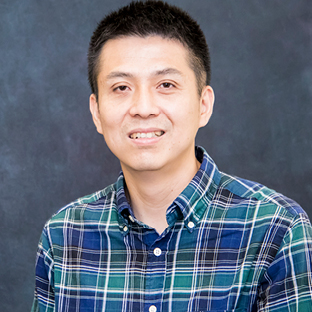
Hing Leung is Professor of Urology and Surgical Oncology at the University of Glasgow and Group Leader at the CRUK Scotland Institute. He also serves as Consultant Urological Surgeon for NHS Greater Glasgow and Clyde. His laboratory focuses on prostate cancer biology, specifically investigating FGF receptor and ERK5 signaling pathways using in vitro and in vivo models while developing small molecule inhibitors for therapeutic applications. He collaborates extensively with colleagues across the NHS, Glasgow University, and the CRUK Scotland Institute to develop infrastructure for biorepositories and translational research programs. MB ChB, University of Aberdeen (1986) FRCS (Glas), Royal College of Physicians and Surgeons of Glasgow (1990) PhD, University of London, Supervisor Nick Lemoine (1994) FRCS (Urol), Royal Colleges of Surgeons (UK & Ireland) (1997) Professor Leung's research centers on prostate cancer biology with particular emphasis on signaling pathways involving FGF receptor and ERK5. His laboratory investigates how aberrant signaling drives prostate carcinogenesis to develop better prognostic biomarkers and therapeutic targets. His work spans basic molecular mechanisms through translational applications, including development of small molecule inhibitors and investigation of tumor biology using both in vitro and in vivo models. His research has significant clinical implications for understanding treatment resistance mechanisms and identifying novel therapeutic approaches for advanced prostate cancer. Analysis of Professor Leung's recent publications (2022-2025) reveals a strong focus on prostate cancer metabolism, particularly lipid metabolism and its role in treatment resistance. His research increasingly incorporates advanced imaging techniques and 3D culture models to study tumor heterogeneity and metastasis. There's also notable emphasis on clinical translation, with studies examining surgical outcomes, diagnostic approaches, and repurposed drugs like statins for prostate cancer treatment. His work consistently bridges molecular mechanisms with clinical applications, reflecting his dual role as academic researcher and clinical urological surgeon. The Karl Storz Harold Hopkins Golden Telescope Award, British Association of Urological Surgeons (2008) Professor Leung actively mentors PhD students and postdoctoral researchers in his laboratory, including Nicole Ralston and Qi Wang. His research is supported through collaborations with major institutions including NHS Greater Glasgow and Clyde, Glasgow University, and the CRUK Scotland Institute. He serves on significant committees including the Movember GAP Committee and as Chairman of the Section of Academic Urology for the British Association of Urological Surgeons. His work has contributed to national consensus efforts such as the National Cancer Imaging Translational Accelerator (NCITA). Professor Leung leads the Prostate Cancer Biology research group at the CRUK Scotland Institute, working within a larger collaborative environment that includes multiple research teams focused on various aspects of cancer biology. His laboratory develops infrastructure for biorepositories and translational research programs, working closely with clinical colleagues to ensure research findings have direct relevance to patient care. The lab employs a range of techniques from molecular biology to advanced imaging to investigate prostate cancer mechanisms and therapeutic approaches.
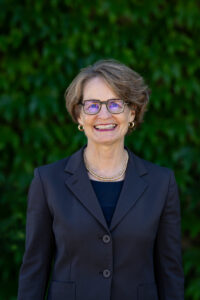
Hing Y Leung is Professor of Urology and Surgical Oncology (Clinical Research Garscube) and Director of Innovation, Engagement and Enterprise at the School of Cancer Sciences, University of Glasgow. Based at the Beatson Institute, his laboratory investigates molecular mechanisms of prostate cancer progression, focusing on FGF receptor and ERK5 signaling pathways. His work integrates in vitro and in vivo models to develop prognostic biomarkers and therapeutic strategies. Research Focus: His team explores aberrant signaling in prostate carcinogenesis, with emphasis on lipid metabolism (e.g., SREBP pathways), tumor microenvironment interactions, and resistance mechanisms in castration-resistant prostate cancer (CRPC). Collaborative projects bridge basic science with clinical translation, including diagnostic innovations like biosensors for urinary biomarkers and imaging techniques. Publication Trends: Recent articles (2021-2025) demonstrate a multidisciplinary approach spanning molecular oncology (e.g., ARID1A, MBTPS2), surgical outcomes (RALP centralization), metabolic reprogramming, and novel diagnostics. Key themes include therapeutic targeting of signaling networks, biomarker validation, and clinical trial design for advanced prostate cancer. Leadership & Infrastructure: As Director of Innovation, he oversees translational research infrastructure, including biorespositories. He leads the Urology Research Group and collaborates extensively with NHS Glasgow, leveraging clinical samples for mechanistic studies.
Dr. Richa Vasan is a Research Associate in the School of Cancer Sciences at the University of Glasgow, Scotland. Her work focuses on unraveling molecular mechanisms in various cancers through multi-omics approaches and computational modeling. Research Focus Cancer Biology Molecular Oncology Bioinformatics Signal Transduction Pathways Recent publications highlight her contributions to understanding transcriptomic complexity in breast cancer, BMP7 prognostic implications in ovarian cancer, and lipid metabolism regulation in prostate cancer via SREBP signaling. Collaborative Work Investigated radiation resistance mechanisms in glioblastoma (2018) Developed neuroblastoma combination therapies (2018) Elucidated shelterin protein roles in cancer (2015) Conducted structural bioinformatics analysis of RET mutations (2014) Contact: Richa.Vasan@glasgow.ac.uk
Professor Alison Gartland from the University of Sheffield's School of Medicine and Population Health is a leading researcher in bone and cancer biology. Her work focuses on P2 receptor signaling in musculoskeletal disease and cancer metastasis, particularly examining ATP-mediated communication between bone cells and tumors. Founded the UK Purine Club Member of four major bone research societies Chair of Medical School Graduate Research Committee Her research explores: Mechanisms of bone metastasis in prostate and breast cancers Effects of metal ions from prosthetics on bone cells Purinergic receptor polymorphisms in skeletal health Development of novel therapeutic targets for sarcomas Key publication trends show expertise in: Bone-cancer signaling pathways Genetic factors affecting bone density Receptor isoforms in metastatic processes She supervises postgraduate student Luke Tattersall and collaborates with Professor Mark Wilkinson, Dr Dawn Teare, and other researchers across multidisciplinary projects.
Dr. Michelle Lawson is a Senior Lecturer in Bone and Cancer Biology at the University of Sheffield , affiliated with the School of Medicine and Population Health and Department of Oncology and Metabolism . She leads the Sheffield Myeloma Research Team (SMaRT) and serves as School Director of Postgraduate Research . BSc (Hons) in Molecular Biology, University of Sheffield (1997) PhD in DNA Vaccine Adjuvants, University of Bristol (2000) Research Focus: Myeloma-induced bone disease, tumor cell dormancy, and oncolytic adenovirus therapy. Developed in vivo models for therapeutic evaluation and created novel microscopy techniques to visualize dormant cancer cells in bone. Key contributions include bisphosphonate pharmacology, TGFβ inhibition for bone repair, and purinergic signaling in bone cancer. Publication Trends: 15 recent works emphasize preclinical models (80%), myeloma bone disease (70%), oncolytic viruses (40%), and metastasis mechanisms (30%). Most studies (90%) utilize murine models for therapeutic testing. Scientific Recognition: Fellow of the Higher Education Academy (FHEA) Advisory & Grants: Supervises PhD/MSc/BMedSci students. Secured £127,545 from Innovate UK for oncolytic virus preclinical validation and multiple Sheffield Hospitals Charity awards totaling £149,000+ for myeloma therapies. Labs & Teams: Leads SMaRT group, collaborates with Theolytics on viral therapies, and works with cross-institutional teams on bone cancer mechanisms.
Tuomas Mirtti is a leading researcher in biomedicine and pathology, particularly in urology, cancer, and prostate-related research. He is affiliated with HUS Radiology and Pathology and serves as a supervisor for doctoral programs in Clinical Research and Integrative Life Science. His work focuses on biomarkers, cancer progression, and therapeutic strategies, with a strong emphasis on prostate and bladder cancers. Key research areas include the molecular mechanisms of cancer metastasis, immunotherapy responses, and the role of specific genes (e.g., STAT5A/B, PLA2G7) in tumor behavior. He has led several high-impact projects, including the DEDUCER initiative for urological cancer diagnostics and treatment. His work spans collaborations with international teams and has been supported by prestigious grants from the Jusélius Foundation and Cancer Foundation. Project: DEDUCER (2017–2026) – Developing diagnostics and treatments for urological cancers. Project: Multiparametric model for prostate cancer precision diagnostics (2016–ongoing). His publications highlight advancements in tumor immune microenvironment analysis, predictive biomarkers for immunotherapy, and the mechanistic basis of cancer progression. He has actively contributed to doctoral supervision and thesis oppositions in oncology and pathology.
Barbara Slusher, PhD, MAS, is a Professor of Neurology (primary), Psychiatry, Pharmacology, Neuroscience, Medicine, and Oncology at Johns Hopkins University School of Medicine. She serves as Director of Johns Hopkins Drug Discovery, Vice Director of the Pederson Brain Science Institute, and Co-Director of the JH Center for the Advancement of HIV Neurotherapeutics. Her research focuses on neurobiology of disease and translational drug discovery, with expertise in enzyme inhibition (e.g., GCPII, NSM2) for CNS disorders and cancer. Education: PhD and MAS degrees (details not explicitly listed) Research interests emphasize drug development for neurodegenerative diseases, HIV-associated neurocognitive disorders, and cancer metabolism. She leads a multidisciplinary team advancing 170+ publications and 75 patents. Current projects include prodrug design for glioblastoma and immuno-metabolism therapies. She co-founded Cerecor and Dracen Pharmaceuticals, and launched the International Consortium of Academic Drug Discovery (140+ institutions). Her lab personnel include 12+ researchers across roles like postdocs and assistant professors. Active collaborations involve academic-industry partnerships in CNS drug development and oncology.
Carlito B. Lebrilla is a Distinguished Professor at the University of California, Davis, holding joint appointments in the School of Medicine (Department of Biological Chemistry) and the Department of Chemistry. His research focuses on developing analytical tools for glycomics, particularly in cancer biomarker discovery and understanding bioactive components in human milk. He has served as Chair of the Department of Chemistry (2008-2011) and holds editorial roles in journals like Mass Spectrometry Reviews and Molecular and Cellular Proteomics . Education highlights include a PhD and postdoctoral fellowships at the University of California and international institutions. Awards include AAAS Fellowship (2018) and UC Davis’ Distinguished Research Award (2018). His work integrates mass spectrometry with systems biology, yielding insights into glycan roles in health and disease. Research interests span cancer glycomics (e.g., ovarian, breast, and prostate cancers), neonatal nutrition, and microbiome interactions. Key projects include glycan-based early cancer diagnostics and elucidating milk oligosaccharide impacts on infant gut health. Publications include high-impact works in Cell and Nature . Grants and collaborations involve NIH, NSF, and industry partnerships. The Lebrilla Lab develops cutting-edge tools for glycan analysis, with applications in personalized medicine and food science.
Dr. Jason Mansell is an Associate Professor (Hard Tissue Biology) in Biomedical Sciences at the University of the West of England (UWE), part of the School of Applied Sciences. He joined UWE in September 2013. His academic journey includes a BSc (Hons) in Applied & Human Biology from the University of Aston (1991) and a PhD from the University of Bristol (1994) on collagenous matrix in osteoporosis. He has held roles including Research Associate at Arthritis Research UK and Senior Bone Biologist at the Musculoskeletal Research Unit, Southmead Hospital. Education: BSc (Hons, First Class) in Applied & Human Biology (University of Aston, 1991) PhD in Collagenous Matrix in Osteoporosis (University of Bristol, 1994) Research Interests: Dr. Mansell focuses on human osteoblast biology, particularly the maturation of these cells in bone regeneration. His work explores the functionalization of biomaterials (e.g., titanium) with lysophosphatidic acid (LPA) and its analogues to enhance implant integration. He also investigates vitamin D signaling pathways and their interplay with LPA in osteoblast differentiation. Collaborations include the University of Brighton, University of Bristol, and Cardiff University, with industry ties to biomedical device companies like Corin. Grants & Funding: Principal/co-investigator of externally funded grants exceeding £1.2 million. Active in translational research linking biomaterial science with clinical applications, such as antimicrobial coatings for joint replacements. Publications: Over 50 peer-reviewed articles and two patents. Recent work emphasizes the synergy between LPA and vitamin D metabolites, nanocomposite materials for bone regeneration, and orthopaedic biomaterial functionalization. His studies bridge basic biology and clinical applications, with a focus on reducing implant failure through advanced surface engineering.
Zhong-Ru 'Paul' Xie is an Assistant Professor at the University of Georgia, focusing on interdisciplinary research at the intersection of computational biology, drug discovery, and oncology. His work integrates artificial intelligence, molecular modeling, and high-throughput screening to develop novel therapies for chemoresistant cancers and infectious diseases. He actively engages students from diverse disciplines including bioinformatics, biomedical engineering, and computer science. Research interests include: Computational drug design targeting prostate cancer and viral infections Development of CRISPR-based gene editing tools with enhanced specificity AI-driven analysis of neurotoxicity and pandemic response strategies Mechanistic studies of protein-drug interactions using in silico methods Recent publications highlight advancements in: Skp1 and EED inhibitors for prostate cancer Nicardipine repurposing for cancer treatment PAM-engineered CRISPR systems Polyphenol antiviral properties against SARS-CoV-2 Collaborates broadly across disciplines to address challenges in precision medicine and translational research.
Laurie K. McCauley serves as Provost and Executive Vice President for Academic Affairs at the University of Michigan, overseeing the university's academic and budgetary affairs. She is also the William K. and Mary Anne Najjar Professor of Periodontics in the School of Dentistry and Professor of Pathology in the Medical School. The deans of the 19 schools and colleges report to her, along with vice provosts responsible for academic innovation, sustainability, undergraduate education, and other critical areas. Dr. McCauley earned her B.S., D.D.S., M.S., and Ph.D. (Veterinary Pathobiology) all from The Ohio State University. Her interdisciplinary education spans dentistry, medicine, and veterinary pathology, providing a unique foundation for her research career. Dr. McCauley's research program focuses on hormonal controls of bone remodeling , particularly the anabolic actions of parathyroid hormone (PTH) and parathyroid hormone-related protein (PTHrP) in bone. Her laboratory investigates the impact of PTH in craniofacial osseous wound healing , the role of PTHrP and the bone marrow microenvironment in skeletal metastasis , and the interaction of macrophages in the bone microenvironment . This work has significant implications for regenerative medicine and treatments for inflammatory bone loss. Her recent publications demonstrate a strong focus on the intersection of bone biology and immunology, particularly how macrophages interact with bone cells during healing and disease processes. The research spans basic mechanistic studies to translational applications, with particular attention to skeletal metastasis in prostate cancer and novel approaches to bone regeneration. Dr. McCauley has received numerous scientific awards and recognitions, including: Distinguished scientist award from the International Association for Dental Research Distinguished alumna award from The Ohio State University Norton M. Ross Award for Excellence in Clinical Research from the American Dental Association Fellow of the American Association for the Advancement of Science Member of the National Academy of Medicine Ida Gray award for outstanding efforts in promoting multicultural ideals Inaugural Paula Stern Achievement award from the American Society for Bone and Mineral Research Dr. McCauley has mentored numerous graduate students and postdoctoral fellows through her McCauley-Roca Lab, many of whom have gone on to successful academic and research careers. Her laboratory has been continuously supported by NIH funding for over 25 years. As Provost, she has championed initiatives for faculty well-being, disability inclusion, and sustainability. The McCauley-Roca Lab at the University of Michigan School of Dentistry is a vibrant research team investigating the complex interactions between bone cells and the immune system. The lab has made significant contributions to understanding how parathyroid hormone regulates bone formation and how these mechanisms are altered in disease states such as cancer metastasis to bone.
Arul M. Chinnaiyan is the S P Hicks Endowed Professor of Pathology and Professor of Urology at the University of Michigan Medical School. He serves as Section Head of the Michigan Center for Translational Pathology and holds center memberships in the Rogel Cancer Center, Precision Health Initiative, Taubman Institute, and others. His research focuses on cancer genomics, prostate cancer mechanisms, and translational pathology, with notable contributions to understanding FOXA1 mutations in prostate tumors and immune checkpoint blockade therapies. Key research interests include tumor initiation, therapeutic resistance, and the development of diagnostic tools like ERG FISH assays. He actively collaborates on genomic studies of cancers such as high-grade glioma and renal cell carcinoma. His work bridges basic science with clinical applications, emphasizing precision medicine and drug discovery. Recent publications highlight advancements in single-cell RNA sequencing, targeted therapies for PDGFRA-altered gliomas, and CDK12/13 inhibitors. Awards and recognitions are not explicitly listed, but his leadership roles reflect significant academic impact. Mentoring is emphasized through his 'Available to mentor' status, though specific advisee names are not provided. Research is conducted through his lab at the Michigan Center for Translational Pathology, focusing on actionable insights from genomic data.
John R. Prensner is the Barry J. Glick Early Career Professor of Pediatric Oncology and Assistant Professor of Pediatrics and Biological Chemistry at the University of Michigan Medical School. He leads an independent research lab focused on pediatric brain tumors, specifically studying molecular mechanisms in medulloblastoma, atypical teratoid/rhabdoid tumor, and diffuse intrinsic pontine glioma. His work emphasizes non-coding genome analysis, RNA biology, and translational research for novel therapies. Medical School Affiliations: Departments of Pediatrics and Biological Chemistry Center Memberships: Rogel Cancer Center and Center for Computational Medicine & Bioinformatics Research interests include RNA translation regulation, non-canonical open reading frames, and community-driven genomic standardization. He holds multiple prestigious awards including the Damon Runyon Clinical Investigator Award (2023) and V Scholar Award (2024). Funding sources include CureSearch for Children's Cancer, the V Foundation, and the Damon Runyon Cancer Research Foundation. His lab collaborates internationally to advance understanding of RNA-based cancer mechanisms and therapeutic strategies.