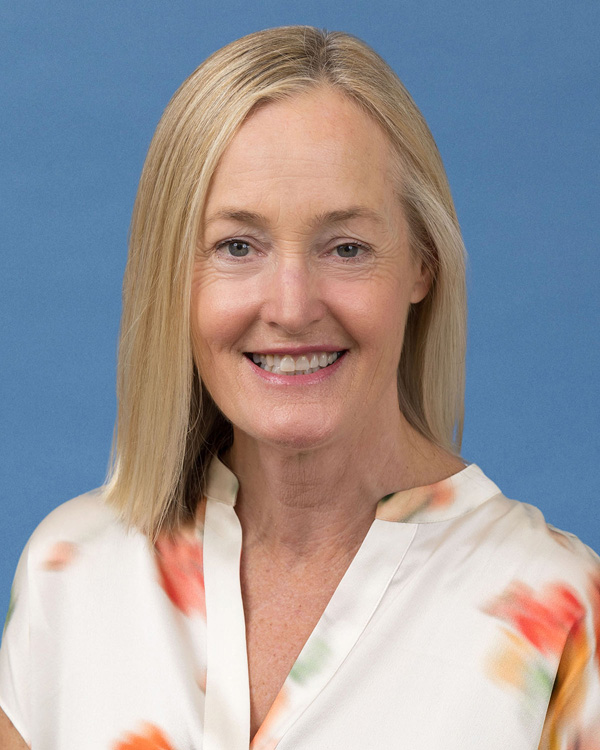
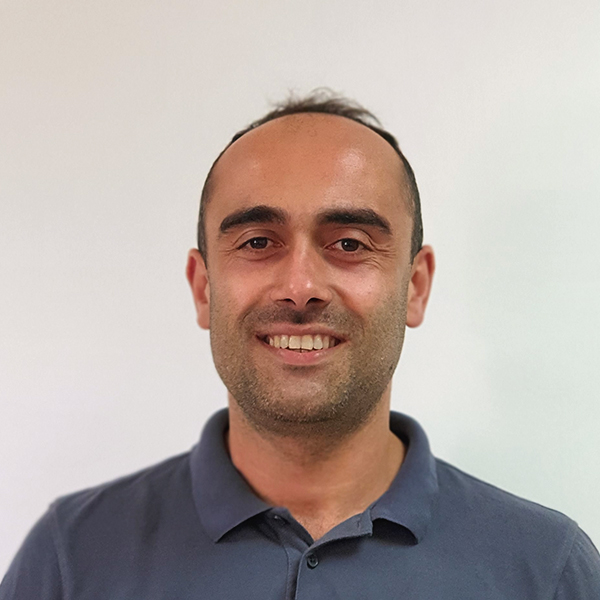
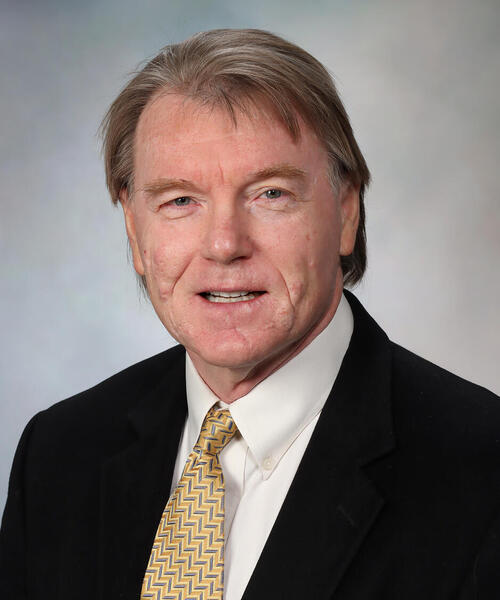
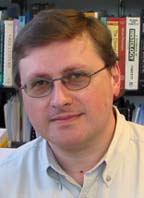
Julienne Bower is a Professor at the University of California, Los Angeles (UCLA) with joint appointments in the Department of Psychology and the Department of Psychiatry/Biobehavioral Sciences. She serves as Director of the Mind-Body Research Lab, Associate Director of the Cousins Center for Psychoneuroimmunology, and as a Member of the Jonsson Comprehensive Cancer Center. Her research explores mind-body interactions in individuals facing stressful life events, particularly cancer patients and survivors, focusing on biological pathways linking psychological states to health outcomes and the effects of mind-body interventions. Ph.D. from UCLA Area Chair: Health Psychology Primary Area: Health Psychology Secondary Area: Clinical Psychology Location: 6538 Pritzker Hall, UCLA Dr. Bower's research examines how positive psychological factors (e.g., benefit finding, positive affect) influence physical health through immune and neuroendocrine pathways, while also investigating mind-body interventions like yoga and mindfulness meditation. Her work spans observational, experimental, and intervention studies, emphasizing the immune system as a central mechanism. The Mind-Body Research Lab, under Dr. Bower's leadership, has published extensively on topics including cancer-related fatigue, stress-induced inflammation, and the physiological impacts of psychosocial interventions. Key publications address NF-κB signaling, glucocorticoid resistance, and cortisol dysregulation in cancer survivors. Dr. Bower's lab is actively recruiting graduate students for 2024 through the UCLA Health Psychology Program, offering training in psychoneuroimmunology, cancer prevention, and mind-body research methodologies.
Weiping Tang is a Professor of Pharmaceutical Sciences and Chemistry at the University of Wisconsin-Madison, holding the Janis Apinis Professorship in the School of Pharmacy and the Vilas Distinguished Achievement Professorship. He also serves as Director of the Medicinal Chemistry Center at the School of Pharmacy and maintains a faculty appointment with the Department of Chemistry in the College of Letters and Science. Janis Apinis Professor of Pharmaceutical Sciences Vilas Distinguished Achievement Professor Director of Medicinal Chemistry Center Faculty Appointment with Department of Chemistry Dr. Tang received his B.S. in Chemistry from Peking University in 1997, M.S. in Chemistry from New York University in 1999, Ph.D. in Organic Chemistry from Stanford University in 2005, and completed a postdoctoral fellowship in Medicinal Chemistry, Chemical Biology and Drug Discovery at Harvard University in 2007. Dr. Tang's research program focuses on drug discovery for cancer, infectious diseases, and neurodegenerative disorders through three interconnected areas: Organic Synthesis (advancing glycoscience through novel carbohydrate synthesis technologies), Medicinal Chemistry (developing small molecules that selectively remove disease-associated proteins), and Chemical Biology (dissecting biological pathways using novel small molecule probes). His group operates as an interdisciplinary team where chemists and biologists collaborate closely on drug discovery projects, with particular emphasis on developing novel degraders for disease-causing proteins. Analysis of Dr. Tang's publication record reveals a significant shift toward targeted protein degradation technologies, particularly PROTACs and molecular glues, while maintaining strong foundations in carbohydrate chemistry. His most impactful recent work includes developing degraders for extracellular and membrane proteins (previously considered 'undruggable'), creating rapid synthesis platforms like Rapid-TAC and Rapid-Glue, and advancing understanding of ternary complex formation for novel PROTAC design. His research spans both chemical methodology development and therapeutic applications across multiple disease areas. Vilas Distinguished Achievement Professorship Janis Apinis Professorship Numerous high-impact publications in leading chemistry and pharmacology journals Editor's pick and hot paper designations for significant contributions Dr. Tang mentors a diverse team of graduate students, postdoctoral fellows, and staff scientists with expertise spanning synthetic chemistry, medicinal chemistry, carbohydrate chemistry, computational chemistry, biochemistry, and cell biology. His group has developed innovative platforms for the rapid synthesis of protein degraders and has made significant contributions to understanding the mechanisms of action for these novel therapeutics. Current research includes developing selective degraders for cancer targets like RIPK1, BRD4, and CARM1, as well as advancing delivery systems for clinical translation. The Tang Research Group maintains state-of-the-art facilities within the School of Pharmacy at UW-Madison, equipped for comprehensive chemical synthesis, compound characterization, and biological evaluation. The group actively collaborates with researchers across campus and with industry partners to advance discoveries toward clinical applications, with particular focus on cancer therapeutics and protein degradation technologies.
Dr. Ahmet Acar is an Associate Professor at the Department of Biological Sciences, Middle East Technical University (METU), Ankara, Turkey. He leads the Cancer Precision Medicine and Drug Resistance Laboratory, focusing on understanding mechanisms of drug resistance in cancer. His research integrates experimental models, next-generation sequencing, and deep learning to address clinical challenges in cancer therapy. Dr. Acar holds a B.Sc. from METU's Biological Sciences department and a Ph.D. from the Cancer Research UK Manchester Institute. He completed postdoctoral training at the Institute of Cancer Research, London, and the University of Manchester. Research Interests: Drug resistance mechanisms, precision oncology, tumor microenvironment modeling, patient-derived organoids, computational pathology, and evolutionary cancer biology. His lab develops 2D/3D co-culture systems, PDO biobanks, and AI-driven histopathology tools to improve treatment strategies. Recent Work Trends: Recent publications emphasize tumor evolution modeling, matrix mechanics in drug resistance, and AI applications in histopathology. Collaborations with hospitals in Turkey and Europe support PDO biobank initiatives. His team explores evolutionary steering strategies to exploit collateral drug sensitivities. Labs/Teams: Precision Medicine and Drug Resistance Lab at METU focuses on interdisciplinary approaches combining wet-lab experiments with computational methods. Current projects include ex vivo tumor modeling and AI-driven diagnostic tools for oncology.
Dr. John A. Copland III is a Professor of Cancer Biology and Biochemistry & Molecular Biology at Mayo Clinic in Jacksonville, Florida. He leads the Cancer Biology and Translational Research Laboratory, focusing on molecular mechanisms of carcinogenesis, tumor progression, and development of targeted cancer therapies. Education: PhD in Physiology & Endocrinology (Medical College of Georgia), MS in Endocrinology (Medical College of Georgia), BS in Chemistry (Columbus College), with postdoctoral training at University of Texas Medical Branch. Research interests center on: Identifying tumor suppressor genes (e.g., RhoB, TBR3, GATA3) and oncogenes (e.g., FOXO3a, SCD1, NPTX2). Developing patient-derived xenografts and live cell models for personalized medicine. Designing SCD1 inhibitors via in silico modeling for clinical trials. Recent publications highlight his work on SCD1 inhibition in leukemia and thyroid cancer ImmunoPET imaging of thyroid tumors CRISPR-identified drug synergies in cholangiocarcinoma Patient-specific combination therapies using xenograft models
Dr. Jason Webber is a Senior Lecturer in Biomedical Sciences at Swansea University Medical School. He holds an honorary position as a Research Fellow at Cardiff University and is a board member of the UK Society for Extracellular Vesicles. His research focuses on extracellular vesicles (EVs), particularly their role in cancer progression and as biomarkers for aggressive tumors like prostate cancer. He completed his PhD at Cardiff University's Institute of Nephrology in 2009 and received a Prostate Cancer UK Career Development Fellowship (2014–2020). Dr. Webber's expertise includes EV biology, tumor microenvironment dynamics, and translational research. He actively contributes to teaching modules such as 'Genetics of Cancer' and 'Advanced Research Topics in Biomedical Science'. His work spans collaborations with institutions like Erasmus MC and the CIC bioGUNE in Spain. Key grants include funding for projects like 'Extracellular Vesicle Glycoproteins for Prostate Cancer Diagnosis (EVGlyProD)' and investigations into EV roles in bone metastasis and rare diseases like tuberous sclerosis complex. His research highlights EVs' dual role as functional mediators of tumor growth and potential biomarkers. Notable achievements include demonstrating EV-HSPG's role in stromal activation and developing methodologies for EV-based diagnostics. Dr. Webber supervises multiple PhD and MSc students, emphasizing mentorship in EV research and cancer biology.
Yu He is an Assistant Professor of Applied Physics and Physics at Yale University, affiliated with the Department of Physics. His research focuses on condensed matter physics and experimental techniques such as angle-resolved photoemission spectroscopy (ARPES) and x-ray scattering to study correlated electronic systems and quantum materials. Prior to Yale, he completed a Miller Research Fellowship at UC Berkeley (2019) after earning his Ph.D. in Applied Physics from Stanford University. Key research areas include metal-to-insulator transitions, superconductivity, 2D magnetism, and solid-state quantum simulation. He has contributed to advancements in material characterization techniques, including high-resolution ARPES using tabletop lasers. His work integrates crystal synthesis, electric transport measurements, and surface decoration to explore material properties. Education: B.S. in Physics from University of Science and Technology of China (USTC); M.S. in Electrical Engineering and Ph.D. in Applied Physics from Stanford University. Research Interests: Experimental condensed matter physics, quantum materials, superconductivity, and light-matter interaction studies. His current projects aim to dissect microscopic degrees of freedom (electronic, lattice, spin) in novel materials using cutting-edge spectroscopic methods. The lab employs complementary techniques like electric transport measurements and crystal growth to characterize material properties comprehensively. Awards: Miller Research Fellow, UC Berkeley (2019) Advising & Grants: No student advisees listed. Research supported by Yale University and prior fellowships. Labs & Teams: Leads a research group at Yale focused on experimental condensed matter physics, collaborating on projects involving advanced material characterization and quantum material discovery.
Hong Han is an Assistant Professor in the Department of Biochemistry & Biomedical Sciences within McMaster University's Faculty of Health Sciences and a member of the Centre for Discovery in Cancer Research (CDCR). She holds a Canada Research Chair and leads the Han Lab, which focuses on cancer biology, RNA regulation, and innovative high-throughput technologies for therapeutic discovery. Dr. Han earned her Ph.D. from the University of Toronto (2010-2016) and has established herself as a leading researcher in glioblastoma and alternative splicing regulation. Her interdisciplinary research integrates cancer biology, RNA science, and multilayer gene regulation to uncover mechanisms underlying cancer progression and treatment resistance. Her laboratory pioneers integrated technological platforms for large-scale genetic/drug screening and ultra-high-throughput single-cell profiling. The research focuses on three main areas: alternative splicing regulation in cancer (particularly glioblastoma and prostate cancer), multilayer mechanisms of glioblastoma heterogeneity and microenvironment evolution, and multiplexed screening approaches for therapeutic discovery in treatment-resistant cancers. Analysis of Dr. Han's recent publications reveals a strong emphasis on single-cell technologies to characterize glioblastoma heterogeneity, minimal residual disease states, and tumor-immune interactions. Her work increasingly bridges basic RNA biology with translational applications, particularly in developing novel therapeutic strategies targeting splicing networks and immune evasion mechanisms. Canada Research Chair Dr. Han teaches Advanced Techniques in the Biomedical Sciences (BIOCHEM 734). Her research program is supported by multiple funding sources, as evidenced by her extensive publication record in high-impact journals including Nature, Cell, Molecular Cell, and Nature Communications. She employs a comprehensive approach combining in vitro, in vivo, and patient cohort studies with cutting-edge genomic technologies. The Han Lab has developed innovative multiplexed screening platforms that enable simultaneous interrogation of thousands of conditions, ranging from CAR-T cells to small molecule therapeutics. This approach accelerates the discovery of novel cancer targets and therapeutic strategies for treatment-resistant cancers.
Paras N. Prasad is a SUNY Distinguished Professor with joint appointments in Physics, Chemistry, Medicine, and Electrical Engineering at the University at Buffalo. He serves as Executive Director of the Institute for Lasers, Photonics and Biophotonics (ILPB), which he founded in 1999. Dr. Prasad holds the Samuel P. Capen Chair of Chemistry and has pioneered interdisciplinary research at the interface of photonics, nanotechnology, and biomedicine. Education: BSc, Bihar University, India (1964) MSc, Bihar University, India (1966) PhD, University of Pennsylvania (1971) Postdoctoral Fellow, University of Michigan (1971-74) Research Focus: Dr. Prasad's multidisciplinary research spans photonics, nanophotonics, and biophotonics, with emphasis on nonlinear optical processes in nanostructured materials. His work develops photonic technologies for information processing, medical imaging, and cancer therapy through nanoparticle-based drug delivery systems and diagnostic platforms. The ILPB laboratory features state-of-the-art instrumentation for advanced optical research. Publication Trends: Recent articles demonstrate strong focus on nanomedicine applications, particularly cancer theranostics using functional nanoparticles. Key themes include drug delivery systems, chiral photonic materials, bioimaging technologies, and nanoparticle synthesis techniques. The research consistently bridges fundamental materials science with translational medical applications. Honors and Awards: SPIE Gold Medal (2016) IEEE Photonics Society William Streifer Award (2021) American Chemical Society Peter Debye Award (2018) OSA Michael Feld Biophotonics Award (2017) IEEE Pioneer Award in Nanotechnology (2017) Fellow of National Academy of Inventors (2016) Guggenheim Fellowship (1997) Leadership: As ILPB Executive Director, Dr. Prasad leads multidisciplinary teams developing photonic technologies with applications in healthcare, energy, and communications. His research has generated nine spin-off companies, including Nanobiotix currently in advanced cancer therapy trials.
Professor Ravi Shukla is a faculty member at RMIT University's School of Science, holding the title of Professor and Deputy Head of Department (Research). He specializes in Nanobiotechnology, with research spanning biomaterials, drug delivery systems, and medical diagnostics. His work integrates biosciences, materials science, and food technology to advance understanding of nanomaterial-biomolecular interactions. Academic History: Professor Shukla has held roles at RMIT since 2011, progressing from Research Fellow to his current professorship. He also serves as an Adjunct Professor at the University of Missouri and Theme Leader for Nanobiotechnology at RMIT’s Center for Advanced Materials and Industrial Chemistry. His teaching focuses on fostering student belonging and innovation in biotechnology education, including coordinating RMIT’s undergraduate Biotechnology program. Research Interests: His lab explores hybrid biomaterial synthesis, nano-enabled proteomics, and non-viral gene therapy using MOFs. Recent work emphasizes applications in diabetes biosensing, CRISPR/Cas9 delivery, and antimicrobial resistance mitigation through nanostrategies. Over 130+ publications and substantial research funding highlight his interdisciplinary impact. Professional Engagement: Editor roles in Frontiers in Bioengineering and Biotechnology , Co-Editor-in-Chief of Current Research in Nutrition and Food Science , and advisor to the Australasian Association of Ayurveda underscore his leadership. He actively mentors students in projects like nano-antimicrobial wound healing and aptamer-based hepatitis A detection. Key Achievements: Pioneered nucleic acid-encapsulated MOFs for cancer therapy and developed paper-based biosensors for rapid diagnostics. His work aligns with UN Sustainable Development Goals 2 (Zero Hunger) and 3 (Good Health).
Seth Herzon is the Milton Harris '29 Ph.D. Professor of Chemistry at Yale University, with joint appointments in the Departments of Pharmacology and Therapeutic Radiology at the Yale School of Medicine. He is also a Member of the Yale Cancer Center and co-founder of Modifi Biosciences, which was acquired by Merck in Fall 2024. Herzon joined Yale in 2008 after completing his PhD at Harvard University and an NIH postdoctoral fellowship at the University of Illinois, Urbana-Champaign. Her research focuses on organic synthesis with an emphasis on the molecular mechanisms of action of DNA-damaging compounds, particularly anticancer and microbiome-derived natural products. His laboratory has made significant contributions to understanding colibactin, a gut microbiome metabolite that induces colorectal cancer, and has developed novel chemotherapies targeting DNA repair defects in tumors. His work spans synthetic chemistry, chemical biology, and translational medicine, with projects ranging from total synthesis of complex natural products to developing antibacterial agents. His recent publications reveal a strong trend toward microbiome-cancer interactions, particularly focusing on colibactin's role in carcinogenesis, alongside continued innovation in synthetic methodology and therapeutic development for drug-resistant cancers. His work bridges fundamental chemistry with clinical applications, particularly in cancer therapeutics. Among his numerous accolades are the NSF CAREER Award, Searle Scholar Award, Packard Fellowship, Sloan Fellowship, Arthur C. Cope Scholar Award, and the 2024 Yale Cancer Center Class of '61 Cancer Research Award. He served as Associate Editor for The Journal of Organic Chemistry from 2018-2023 and was a member of the United States Defense Science Study Group from 2018-2019. Herzon has mentored numerous PhD students and postdoctoral researchers who have gone on to successful careers in academia and industry. His laboratory at Yale continues to be at the forefront of chemical research with significant translational impact, particularly in cancer drug discovery. The lab maintains active collaborations with researchers across Yale, including in pharmacology, radiobiology, and cancer biology.
Raymond Andersen is a Professor in the Faculty of Science at the University of British Columbia, affiliated with the Department of Earth, Ocean & Atmospheric Sciences and the Department of Chemistry . His research focuses on the isolation and structural elucidation of bioactive natural products from marine and terrestrial organisms, with applications in drug discovery and chemical ecology. He has contributed to breakthroughs in anticancer agents, antiviral compounds, and inhibitors of Mycobacterium tuberculosis. Education: B.Sc. (University of Alberta, 1969), M.Sc. (Berkeley University, 1970), Ph.D. (University of California San Diego, 1975), followed by postdoctoral training at MIT (1975-76). Awards include the Killam Research Prize (1987), Rutherford Medal in Chemistry (1988), and Fellow of the Chemical Institute of Canada. Research interests span marine invertebrate-derived metabolites, phytoplankton toxins, and plant defensive compounds. His lab investigates antitumor agents, HIV latency reversal, and novel pharmacophores for cancer and infectious diseases. Recent work includes antiviral agents targeting SARS-CoV-2 and inhibitors of androgen receptor signaling in prostate cancer. Co-developed clionamine B, an autophagy-stimulating compound effective against latent tuberculosis. Identified sintokamides as androgen receptor antagonists for prostate cancer therapy. Advanced genome-mining techniques for discovering nonribosomal peptides. Overseen numerous graduate students, including notable theses on natural product synthesis, SAR studies, and bioactivity screening. Active in collaborative drug discovery projects, with patents on androgen receptor modulators, SHIP1 activators, and antiviral agents. Labs/Teams: Leads the Andersen Research Group at UBC, focusing on marine natural products and chemical genetics. Collaborates with the Pacific Museum of Earth and Bamfield Marine Sciences Centre for field studies.
Kiemeney Lambertus is a Professor of Cancer Epidemiology at the Department of Health Evidence, Radboud University Medical Center in Nijmegen, Netherlands. He serves as Chair of the Department of Health Evidence and Scientific Director of the Radboud Institute for Health Sciences. His academic career includes roles as Head of the Department of Cancer Registry and Research, and Director of Research at the Netherlands Comprehensive Cancer Organisation. Lambertus holds a Master's in Biomedical Sciences (cum laude) from Radboud University and a Bachelor's in Physiotherapy (cum laude). His research focuses on urological cancers, genetic and clinical epidemiology, and biobanking. Key areas include prostate and bladder cancer genetics, risk prediction models, and validation of biomarkers like PCA3. He has pioneered studies on FGFR3 and JAG1 genes in bladder cancer susceptibility, and demonstrated the safety of coal tar treatments in dermatology. His over 500 publications include foundational work in genome-wide association studies (GWAS), with a Nature Genetics paper on bladder cancer susceptibility genes cited over 200 times. Lambertus has received global recognition including the Dominique Chopin Distinguished Researcher Award and inclusion in Thomson Reuters' most influential scientists list. Teaching Excellence: Multiple lecturer-of-the-year awards highlight his educational contributions. Leadership: Oversee large research institutes and national cancer initiatives. Global Impact: Collaborates with institutions worldwide, including Johns Hopkins University and the European Institute of Oncology. Current research emphasizes translational studies linking genetic discoveries to clinical outcomes, with a focus on reducing overdiagnosis in prostate cancer screening.
Maria Fällman is a Professor at the Department of Molecular Biology at Umeå University, where she also serves as Deputy Head of Department. She is affiliated with Molecular Infection Medicine Sweden (MIMS), a leading research center for molecular infection medicine in Sweden. Dr. Fällman's research focuses on understanding the molecular mechanisms behind bacterial adaptation to different environments, with particular emphasis on Yersinia pseudotuberculosis and Salmonella enterica Typhimurium. Her group investigates gene regulation critical for establishing and maintaining infections, bacterial stress responses, and the molecular mechanisms of the Type Three Secretion System (T3SS). The lab has developed advanced methods for RNA extraction from complex tissue samples and performs in vivo gene expression analyses. Her publication record shows consistent contributions to understanding bacterial pathogenesis, with recent articles in high-impact journals including Nature Communications, Science, and PLOS Pathogens. Her work spans from fundamental molecular mechanisms of bacterial virulence to computational approaches for analyzing pathogen stress responses. A significant contribution is the PATHOgenex database (http://www.pathogenex.org), containing gene expression data of over 30 human pathogens exposed to different stress conditions. Dr. Fällman leads the Maria Fällman Lab, which has made important discoveries including the finding that sub-lethal doses of Yersinia result in persistent infection in mice with reprogramming of bacterial gene expression. Current projects focus on stress response modeling and deciphering heterogeneous populations of infecting bacteria using single-cell RNA-seq.
Xia Gao is an Assistant Professor in the Department of Pediatrics-Nutrition and the Department of Molecular and Cellular Biology at Baylor College of Medicine. She leads the Gao Lab, based at the USDA/ARS Children's Nutrition Research Center in Houston, Texas, where she investigates the role of nutrition and metabolism in diseases such as cancer and obesity. Her research focuses on amino acid metabolism, particularly the impact of dietary methionine and serine restriction on cancer progression and therapy efficacy. She employs in vivo mouse models and in vitro systems combined with metabolomics, molecular biology, and immunology techniques. The most recent publications from her lab reveal a strong trend in cancer metabolism, especially in prostate and liver cancers, with a focus on dietary interventions, metabolic reprogramming, and immune cell metabolism. Her work bridges nutritional science and precision oncology, aiming to develop effective dietary therapies. Dietary methionine influences therapy in mouse cancer models and alters human metabolism (Nature, 2019) HNF4α regulates sulfur amino acid metabolism and confers sensitivity to methionine restriction in liver cancer (Nature Communications, 2020) Targeting glutamine metabolism in therapy-resistant prostate cancer (Oncogene, 2022) Dr. Gao is supported by competitive grants, including a CPRIT award (RP210056) on dietary methionine restriction to enhance chemotherapy, and an NIH/NCI R00 grant on methionine metabolism in cancer. These grants underscore her role as an independent investigator with significant research funding. The Gao Lab is part of the USDA/ARS Children's Nutrition Research Center, a premier research facility equipped with advanced laboratories, a metabolic kitchen, and interdisciplinary teams focused on child and adult nutrition and disease prevention.
Alexander Nikitin is a Professor of Pathology at Cornell University's College of Veterinary Medicine, Department of Biomedical Sciences. His research focuses on molecular mechanisms linking tissue homeostasis to cancer development using autochthonous mouse models. Key Affiliation: Cornell University, Ithaca, NY Research Niche: Cancer-prone stem cell niches in female reproductive tract and prostate Research Interests Dr. Nikitin investigates how aberrations in p53/miR-34/MET and Rb networks drive malignant transformation of adult stem cells. His work includes: Identification of ovarian surface epithelium stem cell niche Technology-oriented cross-disciplinary collaborations Characterization of cancer initiation mechanisms in reproductive tissues Article Trends His publications span 2003–2025, emphasizing: Mouse models for epithelial cancers Role of tumor suppressor genes (p53, Rb) in cancer miR-34 family's tumor suppression functions Stem cell niche mapping in reproductive tract cancers Genetic drivers of high-grade serous carcinomas Translational research applications Lab Members Current lab personnel include: Andrea Flesken-Nikitin (Assistant Research Professor) Christopher Ashe (Research Support Specialist) Technicians and student researchers