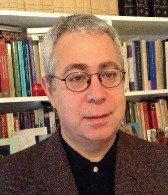
Chenxiang Lin is an Associate Professor in the Department of Cell Biology and Biomedical Engineering at Yale School of Medicine. He holds a PhD from Arizona State University (2009) and a BS from Peking University (2004), with a postdoctoral fellowship at Harvard Medical School (2012). His research focuses on biophysics, nanotechnology, and membrane biology, particularly using DNA origami to engineer synthetic systems for studying cellular processes like nuclear transport and membrane dynamics. Lin is also the Associate Director of Yale’s Nanobiology Institute. Education : PhD, Arizona State University, 2009 BS, Peking University, 2004 Research Fellowship, Harvard Medical School, 2012 Research Interests : Lin’s lab develops DNA-based nanodevices to study molecular mechanisms in cells. Key areas include: Engineering synthetic nuclear pore complexes using DNA origami Investigating lipid flow and membrane tension dynamics Designing programmable nanopores and biosensors Exploring HIV-1 nuclear entry mechanisms Awards : Odyssey Award (2020) National Institutes of Health Director’s New Innovator Award (2014) Lab Activities : His lab is located at the West Campus Integrative Science & Technology Center. Current projects include modeling viral entry pathways and developing nanoscale tools for biomedical applications.
Yuanning Feng is an Assistant Professor in the Department of Chemistry and Biochemistry at the University of Oklahoma. His research focuses on designing dynamic functional molecules and materials that mimic biological systems, including self-replication, autocatalytic synthesis, and molecular machines. Key projects include developing dynamical materials with nanoscopic transformations, biomimetic molecular machines for medical applications, and fluorescent dyes for bioimaging. He holds a PhD from Northwestern University (2021) and a B.S. from Tsinghua University (2016). His lab collaborates across disciplines with physicists, engineers, and biologists. Education: B.S., Tsinghua University (2012–2016) Ph.D., Northwestern University (2016–2021) Postdoc, Northwestern University (2021–2023) Research Interests: His work spans self-assembly , molecular machines , and biomimetic systems . Current projects include: Dynamic materials with programmable transformations NIR-II photothermal agents for cancer therapy Fluorescent dyes for live-cell imaging Prebiotic chemistry and the origin of homochirality Grants & Awards: CAS Future Leaders Top 100 (2023) International Institute for Nanotechnology Award (2022) World Laureates Forum Young Investigator (2021) Labs & Teams: His group includes 1 Postdoc, 1 PhD student, 2 RAs, and 10 undergraduates. Collaborations exist with Fraser Stoddart’s group (Nobel Laureate) and institutions like UNSW and KAUST.
Paraskevi Gkotzaridis is an Adjunct Professor at European University Nicosia (Cyprus) and a Visiting Professor at institutions like Jagiellonian University (Poland) and Sorbonne Nouvelle (France). She specializes in post-war Greek and Irish history, focusing on historiography, political narratives, and state-civil society dynamics. Her research bridges comparative historical analysis with intellectual history, emphasizing the interplay between national identity and political structures. Education: Doctorat in Irish History & Politics, Sorbonne Nouvelle (2001) DEA in Irish History & Politics, Sorbonne Nouvelle (1997) Maîtrise and Licence in English Studies, Sorbonne Nouvelle (1995-1994) Research Interests: Dr. Gkotzaridis examines post-World War II political and social transformations in Greece and Ireland, particularly the legacies of civil war, revisionist historiographies, and the role of intellectuals in shaping national narratives. She critically analyzes concepts like 'revisionism' and their evolution in academic and political discourse. Awards: Irish Government Senior Scholarship (2001, Oxford) Government of Ireland Postdoctoral Fellowship (2001-2003) European Science Foundation Exchange Grant (2004) Advising & Grants: Her work has been supported by grants from the European Science Foundation and the Jean Monnet Programme. She actively contributes to editorial committees and academic councils, promoting interdisciplinary historical research.
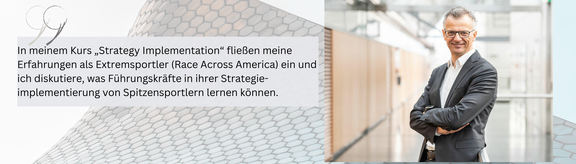
Kurt Matzler is a Professor at the Institute for Strategic Management, Marketing and Tourism within the Faculty of Business and Management at the University of Innsbruck. With over 28,000 citations in Google Scholar, he is recognized as one of the world's most cited strategy professors. His research bridges academic theory and practical application through partnerships like IMP Consulting, which originated from a University of Innsbruck research project. Education: Doctorate in "Customer Satisfaction and Involvement" (1997) and Habilitation in "The Customer-Based View of the Company" (2001), both from the University of Innsbruck. Matzler's research focuses on open strategy processes , digital disruption , and innovation in family businesses , emphasizing governance structures, CEO characteristics, and strategic implementation. His work leverages collective intelligence to address disruptive challenges and improve business model innovation. Scientific Awards: Strategy Book of the Year 2021 (Strategy+Business Magazine) Nominated for Thinkers50 Strategy Award Axiom Book Award 2022 (Bronze) His teaching integrates research and practice, notably through courses like "Open Strategy" (with Julia Hautz) and "Strategy Implementation," which draws parallels between extreme athletics and management. He contributes to the Master's programme "Strategic Management and Innovation," blending theoretical foundations with case studies and guest speakers.
Professor Emmanuel Adegbite is a leading academic in corporate governance and accounting at the University of Nottingham Business School , holding a Chair in Accounting. He serves as Visiting Professor at James Cook University, Singapore, and is ranked among the top 0.1% globally in governance research. Department: Finance, Accounting and Banking Email: Emmanuel.Adegbite@nottingham.ac.uk Location: B06 (Si Yuan Building, Jubilee Campus) His research focuses on corporate governance , CSR , and accounting practices in emerging markets, particularly Nigeria and Sub-Saharan Africa. He examines how institutions, board diversity, and political dynamics influence corporate accountability and sustainability. Recent publications analyze MNE subsidiaries , green finance , and gender equity in African boardrooms. His work intersects institutional theory , behavioral finance , and ethical governance . Scientific awards include: Best Paper Award, Academy of Management (2024) International Business Review Best Journal Paper (2016) Durham University Excellence in Research Award (2014) He chairs the Sustainability Professional Institute of Nigeria and contributes to the African Director Development Programme Framework (2024).
Professor David John Richardson FRS, FREng is Deputy Director of the Optoelectronics Research Centre/Zepler Institute at the University of Southampton and Head of the ORC Fibre and Laser Group. With over 30 years of experience at the ORC, he is globally recognized as a leading authority in optical fibre technology and its applications, spanning telecommunications, high-power laser systems, and biomedical applications. His educational background includes: B.Sc. in Fundamental Physics from Sussex University (1985) PhD in Fundamental Physics from Sussex University (1989) Richardson's research focuses on hollow core optical fibres for telecommunications, lasers and sensing; high power fibre lasers for industrial materials processing; optical communications including high performance optical amplifiers; and ultrafast lasers for biomedical imaging. His work bridges fundamental physics with practical engineering solutions, creating technologies with significant academic and industrial impact. The interdisciplinary nature of his research connects materials science, photonics, telecommunications, and biomedical engineering, resulting in practical applications across multiple sectors. His recent publications demonstrate a strong emphasis on hollow core fiber technology, with numerous papers exploring novel designs, manufacturing techniques, and applications across telecommunications, sensing, and medical fields. Key trends include the development of ultra-stable fibers using specialized materials, high-energy laser systems based on hollow core architectures, and biomedical applications leveraging the unique properties of advanced optical fibers for precision medical procedures. Professor Richardson's scientific achievements have been recognized with numerous prestigious awards: Fellow of the Royal Society (2018) Fellow of the Royal Academy of Engineering (2009) IET Team Innovation Award (2010) Royal Society Wolfson Research Merit Award (2013) EU Horizon 2020 Prize "Breaking the Optical Transmission Barriers" (2016) Sir Harold Hartley Medal (2022) Fellow of IEEE, OSA, and IET Throughout his career, Professor Richardson has supervised over 70 PhD students to completion and mentored more than 100 postdoctoral research fellows, many of whom have established successful careers in academia and industry. His research has been supported by substantial grants from EPSRC, European Union programs, and industry partners, including major projects like the EPSRC Hyperhighway and Airguide Photonics Programmes and EU PHASORS, MODEGAP and SAFARI projects. His work has resulted in more than 1,500 research papers and over 30 patents. Professor Richardson leads the ORC Fibre and Laser Group, a world-renowned research team that has pioneered numerous advances in optical fiber technology. The group maintains strong collaborations with industry partners and has co-founded two successful spin-out companies: SPI Lasers Ltd (2000) for industrial fibre lasers and Lumenisity Ltd (2017) for telecommunications cables, demonstrating his ability to translate fundamental research into commercially viable products with global impact.
Andrea Maranzoni is an Associate Professor of Hydraulics at the Department of Engineering and Architecture, University of Parma, Italy, where he has been serving since February 2019. He previously held assistant professor positions at the University of Parma and the University of Brescia, and has been actively involved in teaching and research in hydraulic and environmental engineering. Education: Ph.D. in Civil Engineering (Hydraulic Engineering), University of Parma, 2004 Degree in Civil Engineering (cum laude), University of Parma, 2000 His research focuses on the numerical and physical modeling of unsteady free surface flows, flood hazard assessment due to dam-breaks and levee breaches, probabilistic flood mapping, shallow water equations, and finite volume methods. He also investigates hydrodynamic actions on structures, mixed flow modeling, and imaging techniques for water surface measurement. His work bridges theoretical hydraulics with practical flood risk mitigation strategies. The recent publications (2023–2024) reflect a strong trend in dam-break modeling, flood hazard quantification, and theoretical advances in fluid mechanics. Key themes include probabilistic risk assessment, extension of classical equations like Bernoulli’s under non-inertial frames, and experimental analysis of hydrophobic sphere impacts. These works demonstrate a consistent focus on improving flood prediction accuracy and safety through advanced numerical and experimental methods. Scientific Awards: None listed in the provided text. Maranzoni has advised one Ph.D. student, Susanna Dazzi, and has supervised approximately 30 Bachelor’s and Master’s theses. He has received research funding from MIUR’s FFABR program (€3,000) and is a participant in the RELAID project (€600,000 total, 2020–2022). He also serves as Vice Coordinator of the Ph.D. Programme in Civil Engineering and Architecture at the University of Parma. He is involved in the research community through editorial roles, notably as Guest Editor for a special issue in Water (MDPI) on dam-break modeling, and as a reviewer for leading journals such as Journal of Hydraulic Engineering (ASCE) and Advances in Water Resources . He is a member of the Italian Hydraulic Group (GII), the Faculty Board of the Ph.D. program, and the CIDEA Interdepartmental Center for Energy and the Environment.
Professor Dr. Ursula Gaedke is a leading academic at the University of Potsdam, where she heads the research group Ecology and Ecosystem Modelling within the Institute of Biochemistry and Biology. Her work integrates field observations, laboratory experiments, and mathematical modeling to advance ecological theory and address pressing environmental issues such as biodiversity loss and ecosystem resilience. Her research focuses on plankton communities and food web dynamics, with a strong emphasis on trait-based approaches and seasonal patterns in natural systems like Lake Constance. She leads the DFG Priority Programme DynaTrait and is involved in the DFG Research Training Group BioMove, emphasizing individual-based and adaptive ecological modeling. The recent publications of her group reveal a consistent trend toward understanding how trait dynamics, trade-offs, and trophic interactions shape community stability and biodiversity. Her work increasingly bridges empirical data with theoretical models, especially in the context of seasonal shifts, self-organized pattern formation, and multitrophic interactions. The research spans from microbial plankton to complex food webs, often using long-term datasets and advanced analytical techniques. She supervises a dynamic team of PhD and master’s students, including Lilla Zsuzsanna Kiss, Louica Philipp, Catalina Rios Henriques, Julia Pawlak, and Edvin Löthgren. Former students like Dr. Elias Ehrlich have continued successful research careers. Her leadership in large collaborative projects underscores her central role in theoretical and quantitative ecology in Germany. Prof. Gaedke has been instrumental in building one of the largest theoretical ecology groups in Germany, combining empirical rigor with innovative modeling to explore how ecosystems respond to environmental change.
Dr. Tony Walton is an interventional cardiologist and clinician specializing in structural heart procedures. He serves as Adjunct Associate Professor at Monash University , affiliated with the Department of Cardiology and the Monash Alfred Baker Centre for Cardiovascular Research . He also holds the title of Honorary Research Fellow at The Baker Institute and leads the Structural Heart Programme at The Alfred and Cardiac Interventional Laboratories at Western Health. His research focuses on structural heart disease and hypertension , particularly percutaneous valve replacement and interventional techniques for hypertension . He has completed advanced training in interventional cardiology at Stanford University Medical Centre . Recent publications highlight his work on renal denervation , transcatheter valve systems , and stroke prevention devices in cardiovascular interventions. His projects include clinical trials for novel devices like the Ladera Medical Suture-Mediated Closure System and Tioga TMVR System, primarily funded through research grants. His work aligns with the UN Sustainable Development Goal 3 (Good Health and Well-being), advancing global healthcare through cardiovascular innovation.
Dr. Emma Forsgren is a Lecturer in Information Management at the Analytics, Technology and Operations department within Leeds University Business School, University of Leeds. Her research investigates how digital technologies transform work practices and organizational structures in both private and public sectors. Her research interests lie at the intersection of digital transformation, digital strategy, and the socio-technical dynamics of organizational change. She employs systems theory and practice-based methodologies, particularly the Strategy as Practice lens, to analyze how everyday digital practices influence large-scale transformation outcomes in organizations across creative industries and public services. Dr. Forsgren has published in leading journals such as Information Systems Journal and Journal of Strategic Information Systems , and has presented her work at major conferences including the International Conference on Information Systems. Her research often involves close collaboration with industry, particularly UK police forces and creative sector organizations, using participatory and co-design approaches. Professional Memberships: Academy of Management Association for Information Systems UK Academy of Information Systems Dr. Forsgren is actively involved in PhD supervision, currently guiding Zhenzhen Wang (Nikita) and Anas Khitou. She also serves as Programme Director for the MSc in Management of Information Systems and Digital Innovation, contributing significantly to postgraduate education and curriculum leadership. She has collaborated extensively with public sector organizations, including multiple UK police forces, to study the impact of digital technologies on operational practices and service delivery. These partnerships reflect her commitment to applied, impactful research that bridges academic inquiry with real-world challenges.
Marino Arroyo is a Professor at the Universitat Politècnica de Catalunya (UPC), affiliated with the Research Center in Numerical Methods in Applied Science and Engineering (LaCàN). He is also associated with CIMNE and the Institute of Bioengineering of Catalunya (IBEC). His work focuses on computational and theoretical modeling of biological systems, particularly epithelial mechanics, active matter, and biomembranes. He holds the Icrea Academia Award, recognizing his contributions to mechanobiology and soft matter physics. Education: PhD in Mechanical Engineering, Northwestern University (2003) BS/MS in Civil Engineering, UPC Postdoc at Caltech with Michael Ortiz (2003-2004) Research Interests: Combines mathematical modeling, mechanics, and computations to study small-scale material behavior and biological systems. Current focus includes cell/tissue mechanobiology, active living materials, and bio-inspired materials. Key themes are nonlinear mechanics of 2D materials (graphene, biomembranes), continuum mechanics, and molecular-to-continuum modeling. Recent Article Trends: Focuses on multiscale epithelial mechanics, active gels, hydraulic fracture in biological systems, and mechanochemical feedback in cellular membranes. Recent work includes modeling curved epithelial shells, nematic patterns in cytoskeletal layers, and shape-programmable living surfaces. Scientific Awards: Icrea Academia Awardee Advising & Grants: Supervised over 20 PhD students, many of whom hold prestigious postdocs or academic positions. Collaborates with experimental groups (e.g., Xavier Trepat, Danijela Vignjevic). Current projects include NIH-funded studies on epithelial mechanics and ERC grants for computational modeling. Labs/Teams: Leads LaCàN's biomaterials group, integrating computational mechanics with experimental biology. Active in interdisciplinary collaborations across UPC, IBEC, and international institutions.
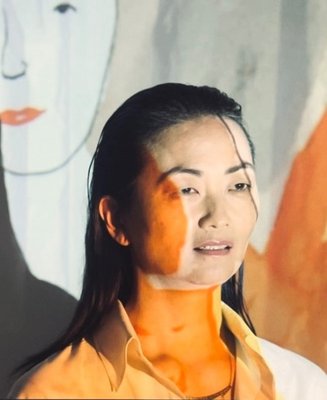
Sara Sejin Chang (also known as Sara van der Heide) is a Korean-Dutch artist born in 1977 in Busan, South Korea, who currently serves as Interim Professor administering the Chair of Spatial Concepts at the University of Braunschweig (HBK) for the 2024-2025 academic year, replacing Candice Breitz. Based in Berlin, Chang creates shamanic film installations that combine film, historical research, rituals, drawings, texts, and sound compositions to challenge Eurocentric thinking, racialization, and persistent colonial narratives. Her work has been exhibited internationally at major venues including Moderna Museet Stockholm, Kunstinstituut Melly Rotterdam, Centraal Museum Utrecht, and ARGOS Brussels, and she has participated in significant biennials such as the Berlin Biennale, Dhaka Art Summit, and Busan Biennale. Chang's research interests focus on the intersection of Korean shamanism and contemporary art practice as a means of healing colonial trauma, particularly examining transnational adoption narratives between Korea and the Netherlands. Her work critically engages with the historical relationship between these two countries, including the participation of 3,418 Dutch soldiers in the Korean War (1950-1953) and the subsequent adoption industry that saw approximately 40,000 people adopted from the Global South to the Netherlands. She interrogates Eurocentric systems of categorization, racialization, and their penetration into all levels of contemporary Western society, proposing what she terms 'meta-cosmic and inclusive approaches to modernity' that transform conventional understandings of value and time. Through her practice, Chang seeks to repair historical ruptures, particularly those affecting diasporic communities, and create spaces for ancestral reconnection. Chang's artistic output demonstrates a consistent trajectory toward using shamanic practices as frameworks for decolonial critique and healing. Her recent major work Dismemberment (2024) employs the Korean Ssitgimgut ritual tradition to symbolically heal 'sick Europe' through a dismemberment and cleansing process, while Four Months, Four Million Light Years (2020) addresses colonial narratives behind transnational adoption through a shamanic healing journey across time and space. These works, along with her long-term project The Mother Mountain Institute , form a cohesive body of work that challenges the normalization of racialization within European society while proposing alternative knowledge systems rooted in Korean shamanic traditions. Scientific Awards: Theodora Niemeijer Prize (2023) - the largest Dutch Art Prize Berlin Artistic Research Grant Fellowship (2022-2023) Jeanne Oostingprize for 'Claim to Universality; Colour Theory Exercise 1-12' Chang's practice extends beyond traditional academic advising, functioning instead through collaborative research frameworks and institutional critique. Her work has been supported by significant grants including the Mondriaan Fund and the Berliner Programm Künstlerische Forschung. She operates through what she terms 'the Mother Mountain Institute,' a conceptual framework that connects her artistic practice with shamanic knowledge systems and decolonial theory. This institute serves as both a research platform and a metaphorical space for healing colonial ruptures, particularly those affecting transnationally adopted individuals. Chang's work consistently challenges the 'whiteness of contemporary art spaces' in European cities, using these spaces themselves as metaphors for the colonial structures they inhabit while simultaneously transforming them into sites of ritual and healing.
Krishnaswami Raja is an Associate Professor in the Department of Chemistry at the College of Staten Island, part of the City University of New York (CUNY). He holds an Integrated Ph.D. from the Indian Institute of Science and has over fifteen years of experience in both academic and industrial research. His work bridges organic chemistry, polymer science, and biomedical applications, with a strong emphasis on natural products like curcumin for drug development. His research interests span biomaterials, organic chemistry, polymer synthesis, drug discovery and development, nanotechnology, and green chemistry . He has made significant contributions to the design of curcumin-based therapeutics, antimicrobial polymers, and biomimetic materials inspired by natural systems such as chemical gardens and marine sponges. His lab develops innovative drug delivery systems, including PLGA nanofibers, dendrimer nanoparticles, and polymer-protein hybrids, with applications in cancer therapy, wound healing, and metal chelation. Analysis of his recent publications reveals a consistent focus on bioinspired materials, green drug design, and the therapeutic potential of curcumin derivatives . His work integrates synthetic chemistry with biological evaluation, often leading to patentable technologies. Themes include self-assembling tubules, click chemistry for bioconjugation, and the enhancement of curcumin’s solubility and bioactivity. Rapid bactericidal polymers Curcumin-based anticancer agents Biomimetic scaffolds for 3D cell culture Green chemistry approaches to drug delivery Antimicrobial and wound healing materials Dr. Raja has mentored numerous doctoral students, postdoctoral fellows, and over fifty undergraduate researchers. His research has been funded by federal agencies and industry partners. He has served on international conference panels and as an editor or advisory board member for peer-reviewed journals. He teaches a wide range of undergraduate courses, including Organic Chemistry, General Chemistry, Chemistry for non-science majors, and Nursing Chemistry, as well as the graduate course Advanced Polymer Chemistry. His laboratory, focused on bioorganic and polymer chemistry, continues to explore novel materials for biomedical applications, with ongoing projects in nutraceutical delivery, antimicrobial surfaces, and sustainable pharmaceutical technologies.
Dr Matthew Wagner is a Senior Lecturer in Theatre Studies at the Guildford School of Acting, University of Surrey, where he has been teaching since 2010. He previously taught at Victoria University of Wellington and the University of Minnesota, where he also completed his postgraduate studies. He has served as Programme Leader for both the BA Theatre and Performance and the MA Theatre (Distance) programmes. His research centres on the intersections between performance and philosophy, particularly phenomenology. His areas of specialism include Shakespearean performance, dramaturgy, theatrical temporality, embodiment, and spatiality. He explores how time, presence, and materiality function on stage, especially in Shakespeare and Beckett. The majority of his recent publications focus on Shakespearean embodiment and time, with a cluster of works from 2017 examining corporeality, stage materiality, and temporal structures in Shakespeare’s plays. His earlier work extends into Beckett studies and performance philosophy, reflecting a sustained engagement with the philosophical dimensions of theatre. He has also led a British Academy-funded project on the role of the door in performance. British Academy funded project on the door in performance Co-authored monograph and edited collections on theatre and time Active researcher in performance philosophy and phenomenological approaches to theatre His scholarly output includes a monograph on Shakespeare, Theatre, and Time (2011), a co-edited collection on Phenomenology and Performance , and ongoing work on a new monograph on the phenomenology of Shakespeare and a project titled Theatre for the Dead .
Julian Weiss is a Professor of Medieval and Early Modern Spanish at King’s College London. After earning his DPhil at Oxford in 1984, he held academic positions at the Universities of Liverpool, Virginia, and Oregon (where he served as Head of Romance Languages) before joining King’s in 2001. He is an affiliated member of the Programme in Comparative Literature and co-leads the Travelling Concepts strand of the Language Acts and Worldmaking project. Research Interests: Medieval and Early Modern Iberian Literatures Manuscript Studies and Early Printed Book History Interfaith Relations and Historical Legacy in Iberia Gender Theories and Literary Form Cultural Production in Medieval Spain Transhistorical Literary Evolution Key Projects: Current monograph on Flavius Josephus’s early modern Hispanic reception , analyzing Jewish-Christian identity negotiations across Europe and the Americas (1492–17th century) The French Connection : Epic rivalries between Spain and France in reshaping Iberian historiography Conference papers on Romantic visions of Al-Andalus (Chateaubriand, Irving) and Sephardic balladry Publications & Impact: Co-edited Al Andalus in Motion: Travelling Concepts and Cross-Cultural Contexts (2021), addressing the modern reconfiguration of medieval Iberia as a global metaphor Locating the Middle Ages: Spaces and Places of Medieval Culture (2012), an interdisciplinary exploration of medieval spatial identity 1990 monograph The 'Mester de Clerecía': Intellectuals and Ideologies in Thirteenth-Century Castile , redefining clerical narrative’s role in societal change Teaching: Developed modules like Writing Women in Premodern Spain , Muslim Spain: A European Fantasy , and Language Acts and Worldmaking in Medieval and Early Modern Spain Co-created Global Iberias , a first-year core module exploring the Spanish and Portuguese-speaking worlds