
معرفی
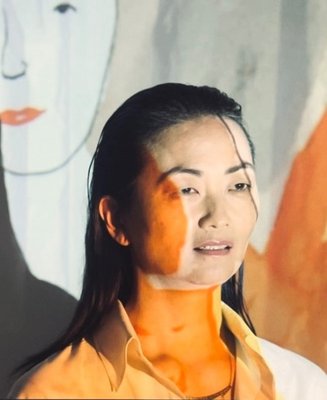
Sara Sejin Chang (also known as Sara van der Heide) is a Korean-Dutch artist born in 1977 in Busan, South Korea, who currently serves as Interim Professor administering the Chair of Spatial Concepts at the University of Braunschweig (HBK) for the 2024-2025 academic year, replacing Candice Breitz. Based in Berlin, Chang creates shamanic film installations that combine film, historical research, rituals, drawings, texts, and sound compositions to challenge Eurocentric thinking, racialization, and persistent colonial narratives. Her work has been exhibited internationally at major venues including Moderna Museet Stockholm, Kunstinstituut Melly Rotterdam, Centraal Museum Utrecht, and ARGOS Brussels, and she has participated in significant biennials such as the Berlin Biennale, Dhaka Art Summit, and Busan Biennale.
Chang's research interests focus on the intersection of Korean shamanism and contemporary art practice as a means of healing colonial trauma, particularly examining transnational adoption narratives between Korea and the Netherlands. Her work critically engages with the historical relationship between these two countries, including the participation of 3,418 Dutch soldiers in the Korean War (1950-1953) and the subsequent adoption industry that saw approximately 40,000 people adopted from the Global South to the Netherlands. She interrogates Eurocentric systems of categorization, racialization, and their penetration into all levels of contemporary Western society, proposing what she terms 'meta-cosmic and inclusive approaches to modernity' that transform conventional understandings of value and time. Through her practice, Chang seeks to repair historical ruptures, particularly those affecting diasporic communities, and create spaces for ancestral reconnection.
Chang's artistic output demonstrates a consistent trajectory toward using shamanic practices as frameworks for decolonial critique and healing. Her recent major work Dismemberment (2024) employs the Korean Ssitgimgut ritual tradition to symbolically heal 'sick Europe' through a dismemberment and cleansing process, while Four Months, Four Million Light Years (2020) addresses colonial narratives behind transnational adoption through a shamanic healing journey across time and space. These works, along with her long-term project The Mother Mountain Institute, form a cohesive body of work that challenges the normalization of racialization within European society while proposing alternative knowledge systems rooted in Korean shamanic traditions.
Scientific Awards:
- Theodora Niemeijer Prize (2023) - the largest Dutch Art Prize
- Berlin Artistic Research Grant Fellowship (2022-2023)
- Jeanne Oostingprize for 'Claim to Universality; Colour Theory Exercise 1-12'
Chang's practice extends beyond traditional academic advising, functioning instead through collaborative research frameworks and institutional critique. Her work has been supported by significant grants including the Mondriaan Fund and the Berliner Programm Künstlerische Forschung. She operates through what she terms 'the Mother Mountain Institute,' a conceptual framework that connects her artistic practice with shamanic knowledge systems and decolonial theory. This institute serves as both a research platform and a metaphorical space for healing colonial ruptures, particularly those affecting transnationally adopted individuals. Chang's work consistently challenges the 'whiteness of contemporary art spaces' in European cities, using these spaces themselves as metaphors for the colonial structures they inhabit while simultaneously transforming them into sites of ritual and healing.
Sara Sejin Chang در سایتهای دیگر
جستوجوهای مرتبط
شاید اینها هم برایتان مناسب باشند
 Sara Sejin Chang-Van der HeideBraunschweig University of Art · استاد
 Johannes Paul RaetherAcademy of Fine Arts Nuremberg · استاد
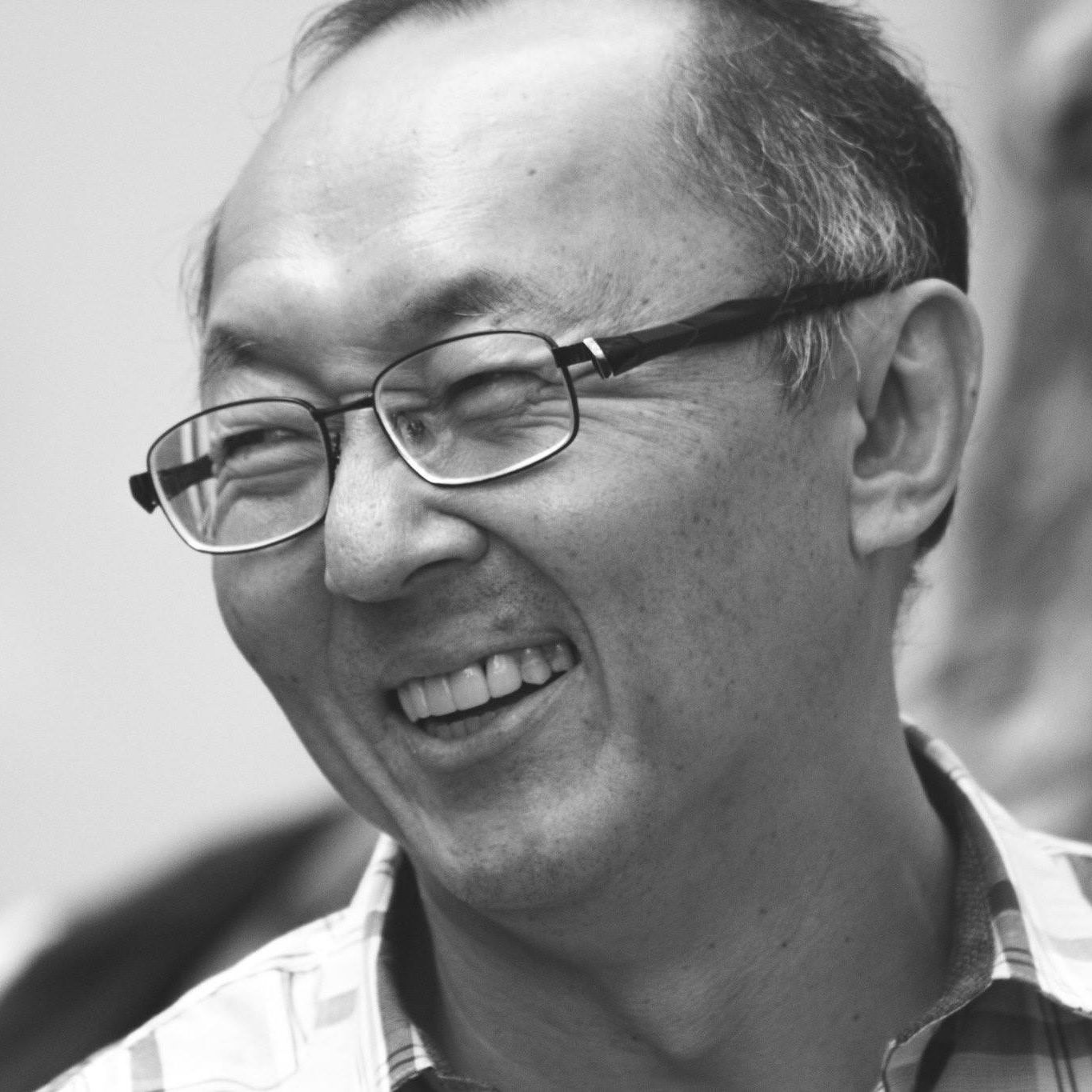 Joonseong LeeCalifornia State University San Marcos · استاد
- KKit MyersUniversity of California, Merced · دانشیار
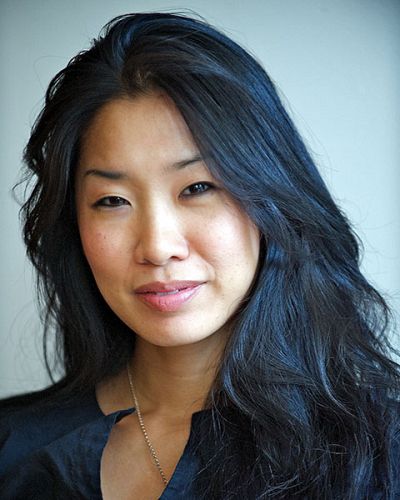 Tina ChangBinghamton University SUNY · استاد
 Boram JeongUniversity of Colorado, Denver · استادیار