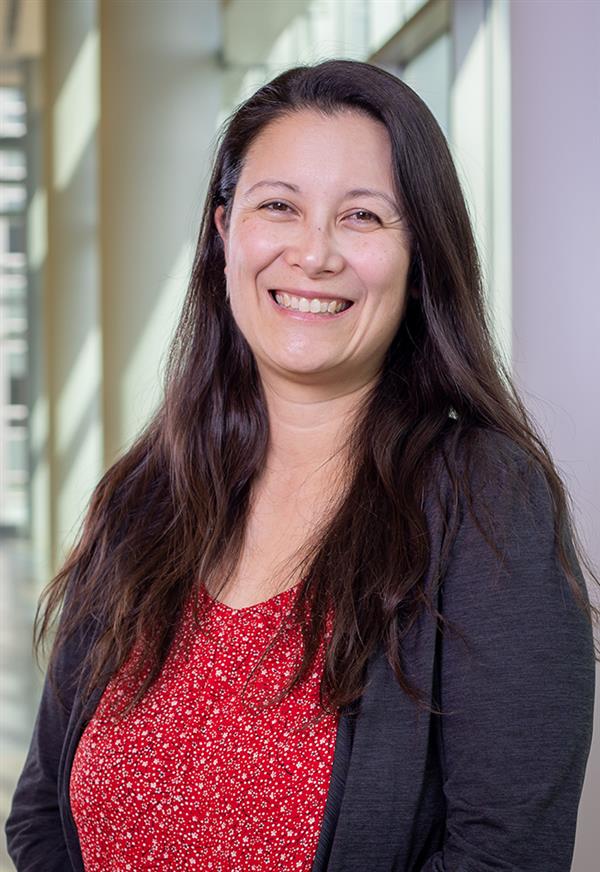
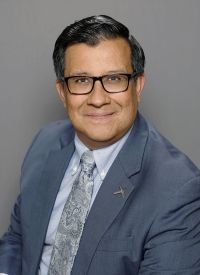
Robinder P. Bedi is a Professor in the Department of Educational and Counselling Psychology, and Special Education at the University of British Columbia (UBC). He specializes in Counselling Psychology , with a focus on Cultural Psychology , Multicultural Counselling Competencies , and integrating Indigenous Psychologies into Western practices. His work addresses Counselling with Men and Masculinity , Folk Models of Illness , and Cultural Adaptation of Psychotherapy , particularly for Punjabi Sikh and Asian-Indian populations. Research Trends : Recent publications analyze the ideological underpinnings of Western psychotherapy , gender dynamics in Indian counselling , and program evaluations for immigrant/refugee trauma interventions . Subfields include implicit bias in Muslim mental health , substance use recovery metrics , and sexuality counseling pedagogy . Scientific Awards : Michael Smith Foundation for Health Research Scholar Award (2009) Green College Leading Edge Scholar (2015) Killam Laureate (2022) Canadian Psychological Association Fellow (2023) Advising : Mentored students such as Kesha Pradhan (PhD candidate), Syler Hayes (poster awardee), and Graham Haber (SSHRC awardee). His lab promotes multi-level mentorship and co-authorship opportunities. Labs : Leads the Counselling and Psychotherapy Research, Teaching, and Service (RTS) Lab at UBC, which emphasizes critical thinking , cross-cultural research , and integration of traditional healing methods .
Johanna Naukkarinen is a Researcher at the School of Energy Systems at Lappeenranta University of Technology. Her work focuses on engineering education, gender dynamics in STEM, and lifelong learning competencies. Researcher, School of Energy Systems, Lappeenranta University of Technology Email: Johanna.Naukkarinen@lut.fi Her research explores: Gender disparities in engineering education and careers Pedagogical strategies for lifelong learning Mathematical skill development in first-year engineering students Technology education reform and sustainability integration Use of digital tools for competency enhancement Professional identity formation in early-career engineers Recent publications highlight trends in: Comparative studies across Belgium, Ireland, and Finland Co-creation methods in educational design Assessment of online learning environments Gendered perspectives on engineering recruitment Interdisciplinary approaches to sustainability education Workplace dynamics in technology sectors
Professor Lyudmila Mihaylova is a distinguished academic at the University of Sheffield's School of Electrical and Electronic Engineering, where she holds the position of Professor of Signal Processing and Control. She has established herself as a leading researcher in the fields of signal processing, Bayesian methods, and autonomous systems, with significant contributions to particle filtering techniques for intelligent transportation systems. Her work bridges theoretical developments with practical applications across multiple domains including transportation, healthcare, and industrial automation. Prof. Mihaylova's research interests center on nonlinear filtering, sequential Monte Carlo methods, statistical signal processing, and sensor data fusion. Her work spans both theoretical advancements and practical implementations, with particular focus on high-dimensional problems including vehicular traffic flow estimation, image processing, and localization in sensor networks. She has extensive experience with various image modalities such as optical, thermal, LIDAR, SAR, and hyperspectral imaging. Her group actively develops novel methods for autonomous intelligent systems focusing on sensing, tracking, decision making, and machine learning applications. Analysis of Prof. Mihaylova's recent publications reveals a strong trend toward uncertainty quantification in machine learning models, particularly for safety-critical applications. Her work increasingly integrates traditional signal processing techniques with modern deep learning approaches, with applications spanning sewer inspection robotics, medical diagnostics (particularly sleep apnea detection), UAV swarm tracking, industrial manufacturing, and autonomous vehicle systems. A significant portion of her recent research focuses on developing robust methods that can handle incomplete or outlier-corrupted data while providing reliable uncertainty estimates. Among her notable professional achievements: President of the International Society of Information Fusion (ISIF) Senior member of the IEEE Signal Processing Society Associate Editor for IEEE Transactions on Aerospace and Electronic Systems Associate Editor for Elsevier Signal Processing Journal Prof. Mihaylova has successfully mentored numerous PhD students and postdoctoral researchers, many of whom have gone on to prominent academic and industry positions. Her research has been supported by major funding bodies including EPSRC, EU, MOD/DSTL, and industry partners, with recent projects including 'Protecting Environments with UAV Swarms' (InnovateUK, 2022-2024), 'ShiRAS: Towards Safe and Reliable Autonomy in Sensor Driven Systems' (NSF-EPSRC, 2019-2023), and 'Confident safety integration for Cobots' (Lloyd's Register Foundation, 2019-2020). Her research group follows a collaborative approach with the philosophy 'We share knowledge, we grow.' Prof. Mihaylova maintains active research collaborations with institutions worldwide and has held previous academic positions at Lancaster University (2006-2013) and University of Bristol (2004-2006), along with research visiting positions at the University of Ghent, Katholic University of Leuven, and the Bulgarian Academy of Sciences.
Rachel Midura is an Assistant Professor of Digital and Early Modern European History in the Department of History at Virginia Tech's College of Liberal Arts and Human Sciences. Her research focuses on the intersection of digital methodologies and early modern European history, particularly examining how communication networks shaped political power and intelligence gathering during the sixteenth and seventeenth centuries. Education: PhD in History from Stanford University (2014-2020) Rachel Midura specializes in digital history approaches to early modern Europe, with particular expertise in the history of information systems. Her work examines how the development of postal networks, print technology, and state intelligence operations created an 'information age' in the early modern period, long before the digital revolution of our own time. She integrates twenty-first century understanding of media and social networks with traditional historical approaches to develop new models for understanding historical communication. Her research often draws on extensive digitization projects to synthesize innovative historical perspectives on how information moved, was controlled, and shaped political power in early modern Europe. Midura's scholarly output demonstrates a consistent focus on the connections between physical travel routes, communication networks, and intelligence gathering in early modern Europe. Her work bridges traditional historical research with digital humanities methodologies, creating new pathways for understanding how information circulated in pre-modern societies. Through data-driven approaches to historical travel itineraries and postal networks, she reveals how early modern states developed sophisticated surveillance and intelligence systems that anticipated modern practices. Scientific Awards: Early Career Scholarly Impact Award (2025) Honorable Mention: Article Prize for Early Modern and Medieval History (2024) As an educator, Midura has developed innovative courses that integrate digital methodologies with historical content, including specialized offerings on espionage and surveillance in early modern Europe. Her teaching philosophy emphasizes the importance of making historical knowledge accessible through digital curation and annotation. She actively participates in professional development activities focused on inclusive teaching practices and has received funding for curriculum innovation in digital history education. Midura leads the Early Modern Digital Itineraries (EMDigIt) project, which transforms early printed itinerary books to support new data-driven approaches to the history of travel. This NEH-funded initiative represents a significant contribution to digital humanities methodology while advancing our understanding of historical mobility patterns and information networks.
Professor Paul Ashwin is a leading scholar in higher education at Lancaster University , specializing in the educational role of universities, curriculum design, and policy impacts on teaching quality. His work bridges global and local perspectives, focusing on transforming student understanding and promoting societal equality. Professor of Higher Education, Lancaster University Deputy Director, Centre for Global Higher Education (2020-2024) Joint Editor-in-Chief, Higher Education journal Co-Editor, Bloomsbury book series on Student Experiences Research Interests center on: Curriculum design for transformative learning Higher education policy analysis Student and academic experiences Social justice in educational systems Knowledge engagement mechanisms Quality measurement frameworks Recent Publications demonstrate longitudinal studies across disciplines (chemistry, chemical engineering, sociology) and countries (UK, South Africa, USA), with a focus on knowledge agency, curriculum equity, and policy-practice alignment. Key themes include: Student transformation through disciplinary knowledge Critique of marketization in education Curriculum design for social justice International comparative studies Employability and graduate outcomes Teaching excellence frameworks Scientific Awards : Elected member of Academia Europaea PhD Supervision includes students researching: Rose Doherty Chris Lambert Onur Orkut Puiyin Wong Projects include international collaborations like: Understanding Knowledge Student Agency (Chemistry/Chemical Engineering) Graduate Experiences of Employability and Knowledge (GEEK) South African undergraduate pathways research
Karen Hayes is a Lecturer in Occupational Therapy at the School of Allied Health, Exercise and Sports Sciences, Charles Sturt University. With over two decades of clinical experience, she focuses on rural health equity, workforce development, and spatial justice in non-urban healthcare systems. Education: BaAppSc(Occupational Therapy)(Hons), University of Western Sydney; MHlthSc(Education), University of Sydney; GCertAppHlthBPsych, University of Newcastle Research: Rural occupational therapy services, spatial justice, workforce maldistribution, disaster resilience, and interprofessional education Awards: Senior Fellow Higher Education Academy (2024), Change One Thing Award (2023), Best Oral Presentation (2022), Best Presentation (2024) Her recent research examines the persistent shortage of occupational therapists in rural areas, spatial analysis of healthcare access, and simulation-based training for rural practice readiness. She advocates for systemic policy reforms to address geographic disparities in care provision. Key collaborations include work with institutions like the University of Western Sydney and active engagement in rural health conferences and policy groups. Her teaching philosophy emphasizes hands-on learning, critical thinking, and cultural awareness to prepare students for rural practice challenges.
Leah Schubert, PhD is an Associate Professor in the Department of Radiation Oncology at the University of Colorado Anschutz Medical Campus School of Medicine. She serves as Director of the Medical Physics Residency Program, leading educational initiatives in medical physics training. Her professional focus centers on improving safety, quality, and educational standards in radiation oncology physics. Dr. Schubert earned her PhD from the University of Wisconsin - Madison in 2009 and completed her undergraduate studies with a BS from the University of California–San Diego in 2003. She is board certified in Therapeutic Medical Physics by the American Board of Radiology (2012). Her research spans medical physics education, radiation safety, quality assurance, and functional imaging applications in radiation therapy. She has pioneered work in physics plan review training, safety checklist implementation, and 4DCT-ventilation imaging for functional avoidance radiation therapy. Her educational research focuses on concept inventories, virtual interviewing for residency matches, and cross-institutional residency training frameworks. Analysis of her recent publications reveals a consistent focus on improving safety culture in radiation oncology through systematic approaches including failure modes and effects analysis, simulated error training, and safety checklist development. Her work increasingly incorporates cross-institutional collaboration and educational innovation in medical physics training. ABR Volunteer Services Award, American Board of Radiology (2023) Board Member at Large, Society of Directors of Academic Medical Physics Programs (2022) AAPM Fellow, American Association of Physicists in Medicine (2022) Excellent Patient Safety Role Model, University of Colorado Hospital (2021) ABR Volunteer Services Award, American Board of Radiology (2020) IAEA Competition Towards a Strong Safety Culture in Radiation Medicine, International Atomic Energy Agency (2019) As Director of the Medical Physics Residency Program, Dr. Schubert oversees comprehensive training for future medical physicists, implementing innovative approaches to curriculum development and assessment. Her leadership extends to national committees including the AAPM Work Group on Periodic Review of Medical Physics Residency Training and various SDAMPP committees. She has secured funding for educational initiatives focused on improving residency training standards and safety culture development. Dr. Schubert collaborates extensively with multi-institutional research teams, particularly in the area of 4DCT-ventilation imaging and its clinical applications for functional avoidance radiation therapy. Her work bridges clinical practice, safety initiatives, and educational innovation in medical physics.
Tālis Laizāns serves as a practical assistant professor and researcher at the Institute of Economics and Entrepreneurship, Riga Technical University (RTU), leveraging dual master's qualifications in economics and engineering to bridge academic theory with real-world business applications. His work significantly advances RTU's research in entrepreneurship, innovation, and economic policy development. His educational credentials include: Master of Economics (Mg.oec.) Master of Engineering (Mg.ing.) Laizāns specializes in venture capital, SME development, and social innovation financing, with strong emphasis on artificial intelligence applications and EU research frameworks. His interdisciplinary approach integrates economic analysis with engineering principles to address contemporary challenges in Latvian and European business ecosystems, particularly focusing on practical implementation pathways for startups and established enterprises. His 2019 publications analyze social innovation through multiple lenses: societal participation dynamics, international financing models, EU research project structures, and critical success factors. These works synthesize Latvia-specific case studies with broader European experiences, highlighting actionable insights for policymakers and business stakeholders in scaling social innovation initiatives. Professional recognition stems from substantial project leadership rather than formal awards, evidenced by his selection as Latvia's representative in high-impact EU initiatives. Laizāns actively secures and executes research funding across diverse domains: Latvia-Cambridge Venture Camp (2024) : Cultivating next-generation entrepreneurship through experiential learning in the UK. Shadow Economy Assessment in Construction (2024-2025) : Quantifying informal economic activities to inform regulatory frameworks. OpenFin Hackathon (2024) : Driving fintech innovation through international competition platforms. Learning and Research Academic Group (2024) : Advancing pedagogical methodologies and collaborative research practices. Post-Pandemic Economic Framework Project (2020) : Designing resilience strategies for Latvia's economic recovery. Climate Knowledge and Innovation Community (2016-2023) : Leading EIT-funded climate action through knowledge transfer. His earlier Horizon 2020 contributions include Bio-Based Industries JIT representation (2013-2017) and COPA-COGECA working group leadership on agricultural innovation (2010-2017). At RTU, Laizāns operates within the Innovation Economic Research Center while co-founding the 'Learning and Research' academic collective. His project portfolio demonstrates consistent engagement with interdisciplinary teams tackling societal challenges through evidence-based innovation, particularly in economic policy design and sustainable business model development.
Amber Martin, Pharm.D., BCPS, is an Associate Clinical Professor at Auburn University Harrison College of Pharmacy. Her professional address is 1330p Walker Building, Auburn, AL 36849, and she can be reached at martiam@auburn.edu. Education: Pharm.D., Auburn University Harrison College of Pharmacy, 2007 Dr. Martin specializes in geriatric pharmacotherapy, COPD management, diabetes treatment, and medication regimen reviews for skilled nursing facilities. She integrates sterile compounding education into the curriculum and coordinates skills laboratory experiences for pharmacy students. Her research focuses on age-related medication challenges, chronic disease management, and interdisciplinary clinical education. She has presented nationally on topics such as diabetes care, geriatric pharmacotherapy, and inhaler techniques for elderly COPD patients, with publications in journals like Current Pharmacy Teaching and Learning and Expert Review of Clinical Pharmacology . Dr. Martin contributes to experiential education through introductory and advanced pharmacy practice experiences (IPPEs/APPEs) and PGY-1 residency training. She collaborates with multidisciplinary teams at East Alabama Medical Center and has delivered regional continuing education lectures on COPD, vitamin D, and GI therapies.
Laura Meyers is a Clinical Professor in the College of Education & Human Development (CEHD) at Georgia State University, serving as Program Coordinator for the Master of Arts in Creative and Innovative Education (MACIE). She holds a Ph.D. in Curriculum and Instruction from Purdue University, an M.A. in Children’s Literature from Hollins University, and a B.S. in Elementary Education from Presbyterian College. Her work focuses on arts-infused instruction, social justice education, and cross-cultural learning. Dr. Meyers integrates dramatic and visual arts to address social justice issues like racism, gun violence, and mental health through collaborations with Atlanta-based artists. She created the Tiles for Social Justice curriculum and leads study abroad programs in China and Mexico. Notable accolades include the 2023 GSU Instructional Innovation Award and the 2020 George M. Sparks Award. Her teaching spans introductory courses (e.g., PERS 2001, ECE 3385) and innovative graduate courses like Art as Activism and (Re)centering Well-being. She actively contributes to academic and artistic communities through films, theatre productions, and international recognitions such as her Honorary Teacher title from Sichuan Normal University (2015).
Benjamin C. Flores is a Professor of Electrical and Computer Engineering at the University of Texas at El Paso (UTEP) , where he has built an internationally recognized career spanning advanced radar signal processing and large-scale STEM education initiatives. He directs the UT System Louis Stokes Alliance for Minority Participation (LSAMP) and the Bridge to the Doctorate Program , managing more than $40 million in funded projects aimed at increasing access and success for Hispanic and other under-represented students in STEM disciplines. Education: While specific degrees are not listed in the provided text, Dr. Flores’s faculty appointment and extensive technical expertise in radar and chaotic systems imply advanced training in electrical engineering. Research Interests: Radar & Signal Processing: high-resolution radar, inverse synthetic aperture radar (ISAR), range-Doppler processing, micro-Doppler analysis, bistatic radar, chaotic wideband signal design, neural-network-based classification of radar jamming signals. Antenna Engineering: fractal antennas, 3-D printed antenna prototyping, anechoic chamber measurements. STEM Education & Diversity: evidence-based retention strategies for non-traditional and Hispanic students, peer-led team learning, graduate mentoring, systemic change models for faculty diversity. Publication Trends: Dr. Flores’s recent articles (2021-2025) reveal two dominant thrusts—(1) cutting-edge radar/chaotic signal processing and joint radar-communication systems, and (2) rigorous, data-driven studies on broadening participation in STEM, with emphasis on mentoring, social networks, and program evaluation at Hispanic-Serving Institutions. Scientific Awards & Honors: Texas STAR Award – Texas Higher Education Coordinating Board (2005) ABET President’s Diversity Award (2006) Presidential Award for Excellence in Science, Mathematics, and Engineering Mentorship (2010) Grants & Leadership Roles: Principal Investigator & Project Director, Model Institutions for Excellence Initiative (1999-2007) Principal Investigator, UTEP PUENTES Program (US Dept. of Education, 2010-2015) Principal Investigator & Director, UT System LSAMP & Bridge to the Doctorate Program (since 2005) Laboratory & Facilities: Dr. Flores’s research group utilizes UTEP’s anechoic chamber and rapid-prototyping laboratories for antenna design and characterization, while also housing real-time radar test-beds and analog-computer platforms for chaotic oscillator experiments.
Dr. Carla Riverola is a Senior Lecturer in the Department of Management at Griffith University's Griffith Business School. Her research focuses on disruptive innovation for sustainable development, particularly in plant-based foods and AI-driven educational strategies. She holds a Ph.D. in Information Technologies and Management from Ramon Llull University, Barcelona. Professional roles include Deputy Director of the Griffith Business School (2023-2024) and International Lead (2022-2023). She is affiliated with the Centre for Work, Organisation and Wellbeing and Social Marketing@Griffith. Education: Ph.D., Information Technologies and Management, Ramon Llull University M.Sc., IT Management, Ramon Llull University B.Eng., Computer Science, Ramon Llull University Affiliations: Centre for Work, Organisation and Wellbeing Social Marketing@Griffith Climate Action Network International Educators Her research bridges entrepreneurship, sustainable innovation, and AI applications. Recent work examines plant-based food adoption and AI's role in organizational decision-making. She has received the Group Award for Excellence in Teaching (2024) and the Knut Holt Best Paper Award (2017). Her articles span innovation diffusion, food sustainability, and technology networks. Dr. Riverola advises on policy and industry partnerships, contributing to initiatives like the Catapult Program Roadmap (Logan City Council). She actively collaborates with international stakeholders to advance sustainable development goals, particularly Climate Action (SDG 13) and Responsible Consumption (SDG 12).
Nicole M. Nielsen is an Assistant Professor in the Department of Pharmacy Practice at the School of Pharmacy and Health Professions, Creighton University. Her academic role focuses on advancing pharmacotherapy education and clinical practice, particularly in ambulatory care settings. She holds expertise in dermatology, diabetes management, and innovative educational methodologies such as team-based learning and virtual escape rooms. Nielsen holds a PharmD degree and is a Board Certified Ambulatory Care Pharmacist (BCACP), along with certifications in Advanced Pharmacy Practice (APh) and Medical Education in Health Professions (MEHP). Her research interests span dermatological pharmacotherapy, diabetes therapeutic strategies, and improving educational outcomes through active learning techniques. She has contributed to case-based learning resources in atopic dermatitis and explored the use of innovative teaching tools to enhance student engagement and proficiency. Diabetes Management: Presented on SGLT2 inhibitors in kidney disease and evolving diabetes treatments. Educational Innovations: Developed virtual escape rooms and paperless team-based learning frameworks. Awards: Faculty Advisor of the Year West Coast University Outstanding Student Organization Advisor Award California Health Science University Natural Standard Research Collaboration Award Advising & Grants: Advised student projects on mentorship programs and civic engagement in Fresno County. Her work emphasizes interprofessional collaboration and student professional development.
Erin Barnes is a Clinical Associate Professor in the Department of Counselor Education at the University of Iowa’s College of Education. She holds a PhD from the University of Iowa and is credentialed as both a Certified Rehabilitation Counselor (CRC) and National Certified Counselor (NCC). Her career spans over 10 years in higher education teaching and clinical practice, with expertise in rehabilitation counseling, mental health advocacy, and homeless individuals’ well-being. Barnes focuses on experiential learning methods to enhance student skills in clinical mental health and rehabilitation contexts. Education: Barnes earned her undergraduate and graduate degrees from the University of Iowa, with specializations in counselor education and rehabilitation. Research Interests: Her work addresses diversity in counseling professions, psychopathology assessment, educational equity for marginalized groups, and culturally sensitive rehabilitation practices. She emphasizes the intersection of mental health, disability, and socioeconomic factors in her scholarship. Awards: Barnes has received notable recognition, including the 2023 Collegiate Teaching Award and the Rehabilitation Counseling Alumnus of the Year Award (2017). Her leadership development includes participation in the HERS Leadership Institute and the National Research Mentor Network (NRMN). Grants & Advising: Barnes directs grants focused on telemental health, community-engaged practice, and opioid epidemic response. She collaborates on projects like the Center for Community-Engaged Practice and Research for Counselor Educators and the Opioid Workforce Expansion Program. Her mentorship emphasizes inclusive pedagogy and supporting high-achieving, low-income students. Labs/Teams: She leads initiatives through the University of Iowa’s Center for Community-Engaged Practice and Research, fostering partnerships between academic programs and community agencies to address mental health and disability challenges.
Donna Gallo is an Assistant Professor of Music Education at the University of Illinois Urbana-Champaign (UIUC), School of Music. She previously held faculty positions at Westminster Choir College, where she coordinated the Kodály Certification program, and taught K-6 general/choral music in Fairfax County Public Schools (VA) and Simsbury Public Schools (CT). Gallo’s academic background includes a Ph.D. from Northwestern University, an MME from Silver Lake College, a BME from Indiana University, and training at the Kodály Institute in Hungary, where she received the International Kodály Society Scholarship . Her research focuses on: Inservice teacher learning through collaborative professional development structures. Creative music-making and the integration of popular music practices in elementary education. Community partnerships as critical experiences for preservice teacher training. Quantitative research methodologies in music education. Educational equity through culturally responsive teaching and service learning. Teaching strategies for neurodivergent and physically divergent students. Gallo has secured grants for professional development programs and community partnerships with local music educators and school districts. Notably, she collaborated with the School of Music and College of Engineering on a UIUC grant to address systemic racism and social injustice. She has published in leading journals such as the Journal of Research in Music Education , Music Education Research , and International Journal of Music Education , and authored book chapters in The Routledge Companion to Creativities in Music Education and Toward Equity in School Music . Scientific Awards: International Kodály Society Scholarship (Kodály Institute, Hungary). In advising and grants, Gallo emphasizes culturally responsive teaching and first-year teacher support through service learning. Her work bridges music education with interdisciplinary initiatives, leveraging technology and partnerships to drive equity-focused innovation. She is actively involved in editorial roles, including past editor of AOSA Echo (2012–2016) and current editorial board member of the Music Educators Journal . Her collaborations span the UIUC School of Music and College of Engineering, as well as local schools and community artist mentors. Gallo’s efforts aim to transform music education through inclusive curricula, technology integration, and systemic change.