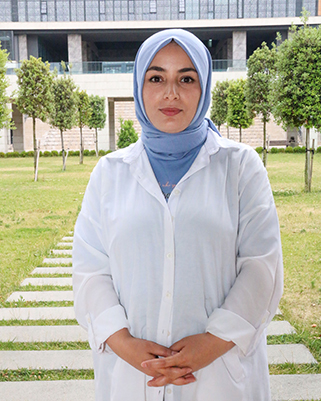
Angela Minichiello is an Associate Professor in the Department of Engineering Education at Utah State University’s College of Engineering. She holds a PhD in Engineering Education from Utah State University, an MS in Mechanical Engineering from Georgia Institute of Technology, and a BS in Mechanical Engineering (Aerospace) from the United States Military Academy. A licensed Professional Engineer in Utah and Colorado, she is also a U.S. Army veteran with experience as a thermal-mechanical engineer. PhD, Engineering Education, Utah State University, 2016 MS, Mechanical Engineering, Georgia Institute of Technology, 1997 BS, Mechanical Engineering (Aerospace), United States Military Academy, 1987 Her research centers on engineering education, with a focus on educational technology, distance and online learning, mobile learning, and asset-based frameworks to improve inclusivity and access. She employs qualitative, mixed-method, and multi-method research to study student experiences, particularly those of nontraditional and military-connected students. Her teaching includes foundational courses like Engineering Mechanics Dynamics and Thermodynamics, as well as graduate courses on the foundations of engineering education and qualitative research methodologies. Her recent publications span topics such as emergency remote learning during the pandemic, student well-being, identity development, and design-based research in engineering education. The articles reflect strong interdisciplinary engagement across education, psychology, public health, and engineering practice, with a consistent emphasis on student-centered pedagogy and inclusive learning environments. Selected Awards and Honors: Undergraduate Research Mentor of the Year (2025) Outstanding Graduate Mentor of the Year (2024) Researcher of the Year (2023, 2022) JEE Star Reviewer Award (2021) National Science Foundation Graduate Fellowship (1994) Distinguished Graduate, US Military Academy (1987) Dr. Minichiello has mentored numerous graduate students in Engineering Education and has been recognized repeatedly for her mentorship and scholarly contributions. She has also contributed to curriculum development, including K–12 engineering design resources, and serves as an ABET program evaluator. Her work is deeply committed to transforming engineering education through inclusive, research-informed practices. She leads or contributes to initiatives involving mobile learning tools, narrative inquiry, and the integration of user experience design in STEM education. Her lab and research team focus on developing and evaluating innovative teaching methods and digital tools to enhance student learning and professional development in engineering.