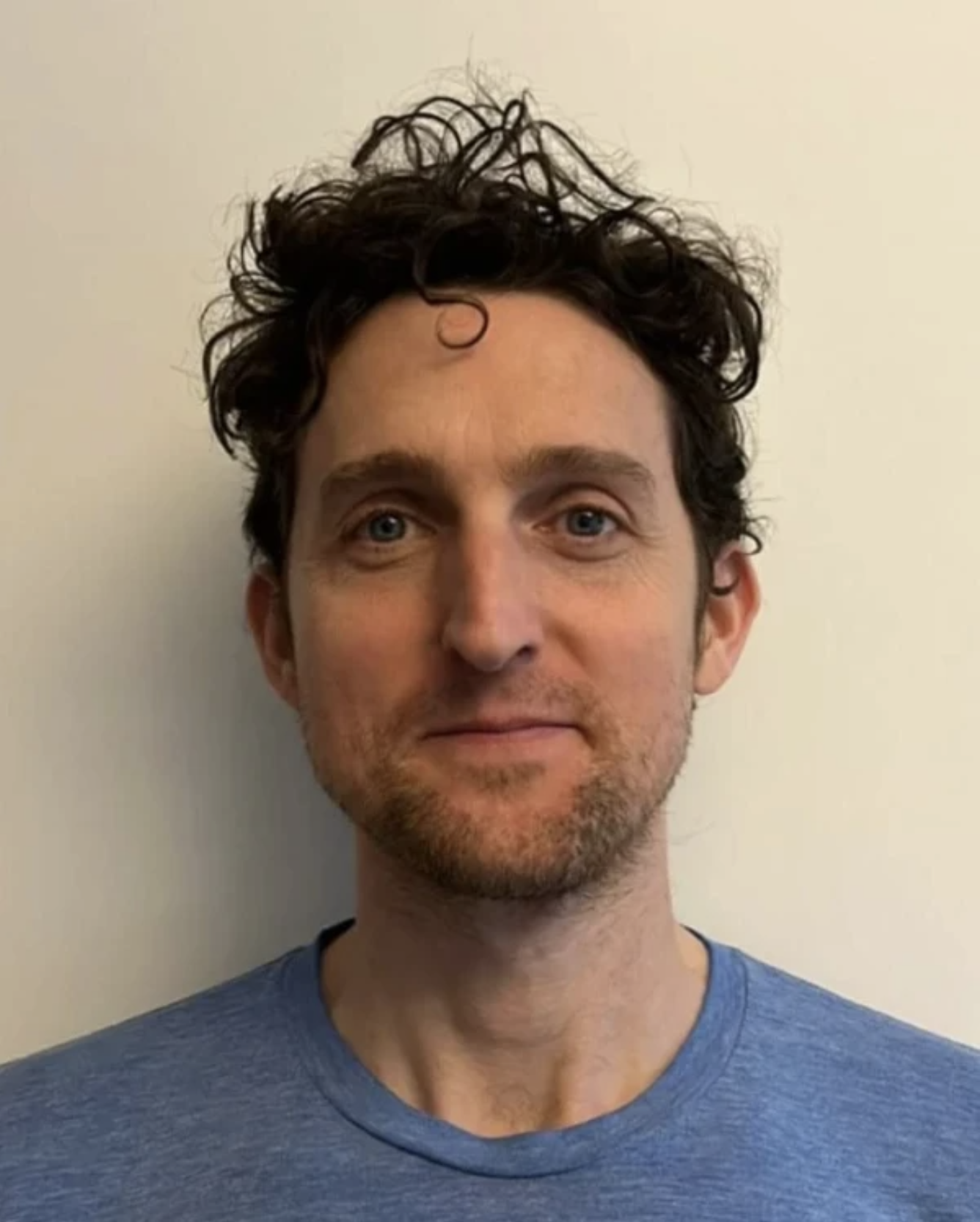
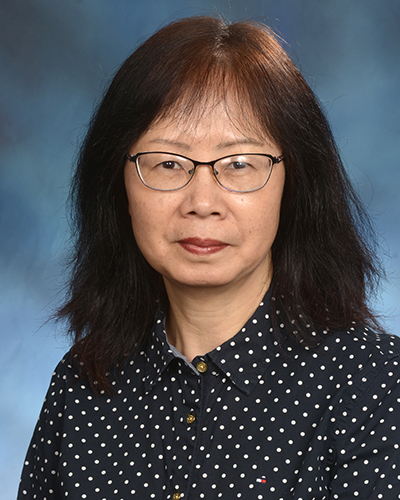
Erwin Schoof is an Associate Professor at the Department of Biotechnology and Biomedicine , Technical University of Denmark. He leads the Cell Diversity Lab and focuses on advancing proteomics and mass spectrometry technologies. Expertise in single-cell proteomics , stem cell niches , and bioinformatics . Active in myelofibrosis and leukemia research , with applications in UN Sustainable Development Goals . Research Trends from 2025–2024 include: Machine learning-driven peptide sequencing (InstaNovo, InstaNexus). Single-cell resolution tools for mapping hematopoietic stem cells and tumor microenvironments . Biomarker discovery in chronic diseases and respiratory conditions . Supervision : Mentors multiple PhD students on single-cell proteomics , omics data analysis , and biotherapeutic production . Labs & Collaborations : Collaborates with international teams on plasma proteomics , 3D bioengineering , and advanced mass spectrometry workflows .
Michael Harrison is an Assistant Professor in the Department of Cell and Developmental Biology at Weill Cornell Medicine, where he leads the Regeneration and Development Lab within the Graduate School of Medical Sciences. His research focuses on vascular development and regeneration using zebrafish as a model organism, with emphasis on coronary and cerebral vasculature. Education: B.Sc. in Genetics, University of Edinburgh (2005) Ph.D. in Developmental Genetics, University of Sheffield (mentor: Vincent Cunliffe) Postdoctoral Fellowship, Saban Research Institute, Children’s Hospital Los Angeles (CIRM Fellow) Harrison's research centers on understanding how blood and lymphatic vessels form and regenerate, particularly in the heart and brain. His lab investigates coronary vessel development, the role of lymphatic systems in inflammation and regeneration, and revascularization after injury. By leveraging zebrafish genetics and advanced imaging, his work aims to uncover pathways that could be harnessed for regenerative therapies in humans. His recent publications reveal key signaling mechanisms such as Cxcr4-Cxcl12 in coronary development and the two-step formation of cardiac lymphatics. The 15 most recent articles demonstrate a strong, consistent research trajectory in vascular biology and regeneration, with increasing use of advanced techniques like single-nuclei multiomics, fluidic imaging devices, and CRISPR-based genome editing. His work spans developmental mechanisms, functional imaging, and translational applications in cardiac repair. Scientific Awards: No awards explicitly mentioned in the provided text. Harrison actively mentors a team of postdoctoral fellows, research assistants, and students, several of whom have progressed to medical school or research careers. His lab collaborates extensively, particularly with Ching-Ling Lien's group. He has secured research space and funding to support ongoing projects in cardiac and cerebral vasculature. The lab is actively recruiting rotation students from BCMB, PBSB, IMP, and Tri-Institutional programs, as well as postdoctoral researchers and research assistants, indicating an expanding research team and active grant support. Labs and Teams: Regeneration and Development Lab, Weill Cornell Medicine Collaborations with Ching-Ling Lien Lab Member of Tri-Institutional PhD Programs Active participation in BCMB, PBSB, and IMP training programs
Gary Gibson is a tenured Professor of Neuroscience at Weill Cornell Medicine and serves as Lab Director at the Burke Neurological Institute . He leads the Laboratory for Mitochondrial Biology and Metabolic Dysfunction in Neurodegeneration , focusing on age-related neurodegenerative diseases such as Alzheimer's, Parkinson's, and Huntington's disease . Educational background: Ph.D. in Physiology (Biochemistry/Neuroscience), Cornell University B.S. in Zoology and Chemistry, University of Wyoming His research investigates how mitochondrial dysfunction , reduced glucose metabolism , and oxidative stress contribute to neurodegeneration. He explores therapeutic interventions targeting these mechanisms, including benfotiamine for improving thiamine levels and modulating post-translational modifications of mitochondrial enzymes like the α-ketoglutarate dehydrogenase complex (KGDHC) . These studies integrate human autopsy samples, genetically modified cells , and transgenic mouse models to test hypotheses about calcium dysregulation, free radical damage, and inflammatory cascades. Recent publications highlight his work on mitochondrial enzyme plasticity , nutritional metabolism in dementia, and benfotiamine's neuroprotective effects in clinical trials. He has secured continuous NIH funding (Grant R01AG043679) and holds three U.S. patents . Dr. Gibson serves on editorial boards for Neurochemical Research , Neurochemical International , and Journal of Neurochemistry , and has mentored undergraduate students and postdoctoral researchers .
Peter Chien is an Adjunct Professor in the Department of Biochemistry and Molecular Biology at the University of Massachusetts Amherst. His research focuses on regulated protein degradation and quality control in bacteria, with a particular emphasis on mechanisms governing proteolysis during the bacterial cell cycle. PhD, University of California, San Francisco Postdoctoral Training, Massachusetts Institute of Technology The Chien Lab employs interdisciplinary approaches including biochemistry, structural biology, and cell biology to study proteolytic mechanisms in Caulobacter crescentus. Their work explores how AAA+ proteases like ClpXP and Lon recognize substrates with precision and how this impacts cellular regulatory networks. Recent research trends from the lab include investigations into Lon protease modulation , DNA damage responses , protein homeostasis under stress , and genetic regulators of proteostasis . Studies often integrate structural analysis with functional assays to uncover molecular principles of protease specificity. The lab is affiliated with multiple graduate programs, including the Molecular and Cellular Biology (MCB) program, Chemistry-Biology Interface Program, Biotechnology Training Program, and the Institute for Applied Life Sciences at UMass Amherst.
Dr. Junfang Wu is a Professor in the Department of Anesthesiology and holds a secondary appointment in Neurobiology at the University of Maryland School of Medicine. She serves as Associate Director of UM-MIND (University of Maryland - Medicine Institute for Neuroscience Discovery), Director of the Anesthesiology Center for Neuroscience Research, and Vice-Chair for Translational Research in the Department of Anesthesiology. Her academic journey includes a BM in Medicine, MS in Pharmacology from Jiangxi Medical College, and PhD in Neuropharmacology from Nanjing Medical University, followed by postdoctoral training at China's Institute of Materia Medica and NIH. Research Focus: Neurotrauma, neuroinflammation, autophagy-lysosomal pathway, extracellular vesicles, Hv1/NOX2/ROS, TrkB.T1 Key Techniques: Rodent models of SCI/TBI, behavioral evaluations, EV characterization, quantitative imaging, molecular/cellular biology Dr. Wu's research explores the cellular and molecular mechanisms of neurological dysfunction following CNS trauma, with emphasis on autophagy-lysosomal disruption, microglial Hv1 channels, and EV-mediated neuroinflammatory signaling. Her 2025 Aging and disease study reveals age-dependent transcriptional changes post-anesthesia, while 2024 Brain, Behavior, and Immunity work demonstrates how SCI alters EV cargoes to drive brain neuroinflammation. Her team recently discovered that Hv1 proton channel ablation in microglia provides neuroprotection in SCI models. Her scientific contributions are recognized through the 2025 Matjasko Professorship in Anesthesiology Research. She has secured multiple NIH grants including: R01 NS145443 (2025-2030): cGAS signaling in brain trauma-induced neuroinflammation R01 AG077541 (2022-2027): TBI olfactory dysfunction and dementia progression 2RF1 NS094527 (2016-2027): Autophagy mechanisms in SCI R01 NS110825 (2020-2026): Hv1 channel in SCI/TBI Dr. Wu's laboratory personnel include Research Associates Yun Li and Zhuofan Lei, Post-doctoral Fellows Balaji Krishnamachary and Zihui Wang, Research Assistant Hui Li, and medical student Ruth Park. Her work spans from bench research on lysosomal damage to clinical implications for Alzheimer's disease-related dementia (AD/ADRD) and potential therapeutic strategies.
Ueli Grossniklaus is an Ordinary Professor at the University of Zurich within the Faculty of Mathematical and Natural Sciences , affiliated with the Department of Plant and Microbiology . His work focuses on plant developmental biology, particularly epigenetic and genetic mechanisms governing reproduction and adaptation. Key Courses: Epigenetics, Plant Biology Workshop, Group Seminars on Current Research Laboratory Techniques: Advanced methods in plant cell mechanics, transcriptomics, and genome editing Research Interests span plant epigenetics, reproductive biology, and the interplay between environmental stress and genetic regulation. He investigates: Mechanistic control of gametogenesis and fertilization Epigenetic contributions to plant adaptation Evolutionary implications of asexual reproduction Biophysical forces in plant cell growth Publication Trends (2025–2018) reveal expertise in: Arabidopsis and fern model systems Epigenetic regulation (DNA methylation, histone dynamics) Apomixis and hybrid seed failure mechanisms Biomechanics of pollen tubes and carnivorous plants Genome editing tools (CRISPR) and long-read sequencing Scientific Collaborations include interdisciplinary projects on: Microfluidic devices for plant cell analysis Gene drive ecology and ethics 3D imaging of plant reproductive structures Advising and Grants focus on mentoring through research internships in developmental biology, genetics, and systems biology. His lab engages in: Epigenetic response to environmental stress Cell wall mechanics in reproduction Computational modeling of plant growth Laboratory Teams integrate plant biologists, bioengineers, and computational scientists to study: Mechanistic gene regulation Evolutionary developmental biology Microrobotics for cellular force measurement
Kyu Y. Rhee is a Professor of Medicine and Professor of Microbiology and Immunology at Weill Cornell Medical College . His research focuses on Mycobacterium tuberculosis , with emphasis on metabolic pathways , antibiotic resistance mechanisms , and drug development . Research highlights include: Multi-omic approaches to TB drug discovery Mechanistic studies of antibiotic action Deciphering TB transmission genetics Metabolomics-driven target identification Current funding includes: Bill & Melinda Gates Foundation : AI/ML-assisted bacterial permeability platform National Institute of Allergy & Infectious Diseases : UM1 TB drug regimen design consortium National Heart, Lung, & Blood Institute : Studies on M. tuberculosis PE/PPE proteins and fructose-induced cancer He has authored over 50 publications on TB metabolomics, drug development, and pathogen persistence. His work bridges systems biology , chemical biology , and clinical research to address antimicrobial resistance.
Timothy M. Jones is a Professor of Computer Architecture and Compilation at the University of Cambridge Computer Laboratory, where he leads research in systems-level computing. He is also a Fellow at Gonville and Caius College, contributing to academic leadership and student mentorship within the collegiate system. His primary affiliation with the Computer Laboratory positions him at the forefront of systems research within the university. Dr. Jones's research focuses on extracting various forms of parallelism (thread-level, data-level, memory-level) to enhance computational performance while addressing energy efficiency and reliability challenges. His work spans compiler design, binary translation, and microarchitecture optimization, with specific interest areas including: Compiler technologies for functional and parallel programming Hardware reliability and fault tolerance mechanisms Binary analysis and instrumentation frameworks Memory system optimization and virtual memory management Security enhancements through binary modification Runtime systems for heterogeneous architectures Analysis of his recent publications reveals strong emphasis on systems-level innovation, particularly in fault tolerance techniques, binary analysis tools, memory optimization, and parallel execution frameworks. His work consistently bridges theoretical computer science with practical hardware implementation challenges. Dr. Jones maintains active participation in the academic community through conference leadership roles, including serving as Program Co-Chair for CGO 2026 and committee positions at premier venues including ISMM, CGO, and ECOOP. He contributes to open-source academic resources through GitHub and maintains professional engagement via Twitter.
Shabaz Mohammed is an Associate Professor of Proteomics at the University of Oxford, holding joint appointments in the Departments of Chemistry and Biochemistry. Since 2020, he has served as Head of the Mechanistic Proteomics research programme at the Rosalind Franklin Institute. His research focuses on advancing proteomics technologies to study protein post-translational modifications and their roles in cellular processes, with applications in viral infections and disease mechanisms. Education: BSc in Chemistry, UMIST (now The University of Manchester), 1999 PhD in Biological Mass Spectrometry, University of Manchester, 2003 Postdoctoral Research, University of Southern Denmark (with Ole Jensen), 2005-2008 Postdoctoral Research, Utrecht University (with Albert Heck), 2008 Professor Mohammed's research centers on developing novel mass spectrometry approaches for large-scale characterization of protein post-translational modifications (PTMs). His group innovates in chromatographic techniques for single-cell proteomics, creates materials for PTM enrichment (glycosylation/phosphorylation), and applies these tools to study viral infections (SARS-CoV-2), cell cycle regulation, and signaling pathways. His work bridges chemistry, biochemistry, and cell biology to understand dynamic protein functions in health and disease. His recent publications (2023-2025) demonstrate strong emphasis on viral proteomics, particularly virus-host RNA-binding protein interactions, and innovations in mass spectrometry fragmentation techniques and chromatography. Key themes include viral remodeling of host cells, new labeling strategies for PTMs, and advancements in single-cell proteomics, with significant implications for understanding viral pathogenesis. Scientific Awards: No specific awards or fellowships were detailed in the source material. Advising and Grants: Information regarding graduate students supervised or specific research grants was not provided in the available text. As an active research group leader, Professor Mohammed likely mentors PhD students and secures competitive funding for proteomics research. Laboratories and Collaborations: Professor Mohammed leads a research group at Oxford focused on proteomics technology development. He collaborates extensively with the Ben Davis group on PTM detection materials and across the university on biochemical applications. At the Rosalind Franklin Institute, he heads the Mechanistic Proteomics programme to unravel protein functions through advanced proteomic methods.
Lailiang Cheng is a Professor in the Horticulture Section of Cornell University's School of Integrative Plant Science, specializing in the physiological processes of deciduous fruit crops (particularly apple). His research focuses on sugar/malate metabolism, mineral nutrition, and environmental stress responses to improve orchard productivity and fruit quality. He integrates physiological, biochemical, and molecular approaches to study sorbitol signaling and nutrient management in high-density orchards. Education: Doctorate, Oregon State University (1999) Master of Science, Shandong Agricultural University (1989) Bachelor of Science, Shandong Agricultural University (1984) Research Focus: Cheng's work investigates carbon partitioning, malate accumulation, and nutrient transport dynamics in apple trees under abiotic stresses. His extension program delivers nutrient management strategies to the apple industry, while his teaching emphasizes analytical techniques (PLSCI 6170) and crop nutrition principles (PLSCI 4551/6551). Publication Analysis: Recent articles (2021-2025) reveal dominant themes in molecular regulation of fruit acidity, transporter biology, stress-responsive transcription factors, and omics-assisted breeding. Over 70% of publications involve collaborative work on apple genomics, with consistent emphasis on translating basic research into orchard management solutions. Awards & Recognition: No scientific awards mentioned in source materials. Academic Contributions: Advises graduate students in Horticulture; research supported by Cornell University Agricultural Experiment Station. Collaborates extensively with pomology breeders, extension specialists, and molecular biologists globally.
Scott Forth is an Associate Professor in the Department of Biological Sciences at Rensselaer Polytechnic Institute's School of Science. He specializes in biophysics, focusing on microtubule networks in cell division and neuronal development. Ph.D. in Physics from Cornell University (2009) B.S. in Physics and B.M. in Music Performance from Oberlin College (2002) Postdoctoral Fellow at Rockefeller University (2010-2016) His research combines optical trapping and fluorescence microscopy to study how forces are transmitted across biopolymer networks. Key areas include: Mechanics of mitotic microtubule networks PRC1-mediated force resistance in cell division Kinesin motor protein dynamics Single-molecule biophysical methods Neuronal cytoskeleton organization Recent work analyzes force generation in reconstituted microtubule bundles and mechanical roles of proteins like PRC1 and kinesin-5. Scientific Awards Ruth Kirschstein National Research Service Award (NIH postdoctoral F32) Rensselaer School of Science Outstanding Teacher Award Rensselaer School of Science Early Career Research Award Biophysical Society Early Career Award (Motility and Cytoskeleton Subgroup) Dr. Forth's lab studies how nanometer-scale proteins coordinate to create micron-scale cellular mechanics. Current projects focus on microtubule network organization during cell division and neuronal development.
Horst A. von Recum, PhD, is the Executive Vice Chair of the Case School of Engineering and a Professor in the Department of Biomedical Engineering at Case Western Reserve University. He is also a member of the Cancer Imaging Program at the Case Comprehensive Cancer Center. His research focuses on developing novel platforms for molecular and cellular delivery, including affinity-based systems for controlled drug release and directed stem cell differentiation. Key applications include HIV therapies, wound healing, ocular disease treatments, and tissue engineering. His work emphasizes improving drug delivery precision through molecular interactions and enhancing stem cell viability for therapeutic use. Dr. von Recum’s research interests span drug delivery systems, biomaterials science, and regenerative medicine. His lab explores cyclodextrin polymers for sustained antibiotic release, affinity-driven drug refilling mechanisms, and engineering biocompatible materials to combat implant-related infections. Recently, his team has investigated microbiome interactions with neural implants and developed polymer-based solutions for localized chemotherapy. Notable contributions include advancements in PMMA bone cement composites for drug refillable depots, cyclodextrin hydrogels for controlled release, and affinity-based systems for anti-fibrotic treatments. His work bridges materials science with clinical applications, addressing challenges in orthopedic infections, neural interfaces, and cardiovascular regeneration. Scientific achievements include over 100 peer-reviewed publications. Research funding has supported projects on antimicrobial coatings, drug delivery mechanics, and stem cell differentiation. Dr. von Recum collaborates across disciplines to translate biomaterial innovations into clinical solutions.
Michael Boutros is a Full Professor at Heidelberg University and Head of Division at the German Cancer Research Center (DKFZ). He currently serves as Dean of the Medical Faculty at Heidelberg University (since 2023) and Director of the Marsilius Kolleg (since 2020). He has held leadership roles including Coordinator of the Functional and Structural Genomics Program at DKFZ (2014–2023) and Acting Scientific Director (2015–2016). His academic base is within the Medical Faculty, focusing on molecular oncology and functional genomics. PhD, Witten/Herdecke University (1993–1996) Postdoctoral Research, Harvard Medical School (1999–2003) MPA, John F. Kennedy School of Government, Harvard University (1999–2001) Additional training: Cold Spring Harbor Laboratory, SUNY Stony Brook His research centers on Wnt signaling, functional genomics, and cancer pathways. He leads major research initiatives such as CRC 1324 on Wnt signaling and the ERC Synergy Grant DECODE. His work integrates high-throughput screening, CRISPR, and systems biology to dissect signaling networks in cancer and development. He has pioneered genome-wide RNAi and CRISPR screens to identify novel regulators of Wnt signaling across models. The 15 most recent articles reflect a strong focus on Wnt pathway regulation using functional genomics in both Drosophila and mammalian systems. Themes include high-throughput screening, CRISPR-based validation, cross-species conservation, and therapeutic targeting. Keywords span Cancer Biology, Systems Biology, and Signal Transduction, with subfields like RNAi, ubiquitination, stem cell regulation, and machine learning in image analysis. Michael Boutros has received numerous scientific honors: Elected member, Leopoldina National Academy of Sciences (2022) Elected member, Heidelberg Academy of Sciences (2022) EMBO Member (2013) ERC Advanced Grant (2012) Johann-Georg Zimmermann Research Award (2007) EMBO Young Investigator (2005) Member, 'Die Junge Akademie' (2003) He has been a recipient of the Emmy-Noether Program, McCloy Fellowship, Boehringer Ingelheim PhD Fellowship, Studienstiftung Fellowship, and Fulbright Fellowship. As a mentor and research leader, he has supervised numerous early-career scientists and coordinated large collaborative grants including the FP7 'CancerPathways' project. He currently serves as Speaker of the Research and Strategy Commission at Heidelberg University and Managing Director of the Health and Life Science Alliance Heidelberg Mannheim. He leads the CRC 1324 on Wnt signaling and is Coordinating PI of the ERC Synergy Grant DECODE. He is also Spokesperson of DFG Research Group 1036 and Coordinator of the former FP7 Coordinated Project 'CancerPathways'. His lab employs cutting-edge functional genomics tools to decode signaling networks in cancer and development.
Miler T. Lee is an Associate Professor at the University of Pittsburgh , focusing on gene regulation during early embryonic development through high-throughput experimental and computational genomics. He earned his Ph.D. in Genomics and Computational Biology in 2009 from the University of Pennsylvania under Dr. Junhyong Kim, followed by postdoctoral work with Dr. Antonio Giraldez at Yale University. Joining the university in 2016, his research spans maternal-to-zygotic transition (MZT), RNA stability, pluripotency networks, and evolutionary developmental biology, utilizing model organisms like zebrafish, Xenopus, and Hydractinia symbiolongicarpus. Key Research Themes: Maternally inherited RNA dynamics during embryogenesis Mechanisms of RNA degradation and transcriptome remodeling Evolution of pluripotency networks in hybrid species Role of zinc signaling in fertilization barriers Computational tools for RNA regulation and sensing Scientific Awards: Pan-American Society for Evolutionary Developmental Biology Junior Faculty Award (2024) Outstanding New Investigator – International Xenopus Board (2023) Basil O'Connor Scholar – March of Dimes (2017-2019) Recent publications highlight his work on enhancer classification, RNA degradation mechanisms, and cross-species MZT comparisons. His lab develops innovative methods like RESA for regulatory sequence analysis and studies evolutionary divergence in RNA localization patterns. While the articles span computational and experimental approaches, they consistently address RNA's role in cellular identity, developmental timing, and evolutionary adaptation. Applications include understanding pluripotency, designing RNA biosensors, and elucidating fertilization barriers. Prospective Ph.D. students are encouraged to contact him for opportunities in gene regulation, development, evo-devo, and computational genomics.
Rebecca L. Walker is a Professor in the Department of Philosophy (College of Arts and Sciences) and a Professor of Social Medicine in the School of Medicine at the University of North Carolina at Chapel Hill. She also serves as Core Faculty in the Center for Bioethics and is an Adjunct Professor in Public Policy. Her research focuses on biomedical ethics, particularly animal research, phase I clinical trials, and genomic ethics. Dr. Walker holds a Greenwall Foundation post-doctoral fellowship in bioethics and health policy (completed in 2001), and has held visiting faculty positions at the University of Michigan. She teaches courses on bioethics, virtue ethics, and the philosophy of medicine at both undergraduate and graduate levels, and contributes to the medical school curriculum in social and health systems. Her academic leadership roles include serving on UNC’s Animal Care and Use Committee, co-directing the Hospital Ethics Service’s education program, and leading NIH-funded grants such as the CMORE project on healthy volunteer research ethics. She is a Hastings Center Fellow (2021) and has authored/co-edited influential works like Of Mice and Primates: Virtue Ethics and Animal Research (2025) and The Social Medicine Reader (2019). Dr. Walker’s research spans ethical issues in biotechnology, distributive justice in healthcare, and the moral status of nonhuman animals. Her recent projects include a study on correctional health care providers’ professional challenges and a National Human Genome Research Institute grant examining incidental enhancements in gene editing technologies. She actively engages in policy debates around genomic screening, animal welfare, and translational research ethics. Her awards and recognitions include the Hastings Center Fellowship, which acknowledges her contributions to ethical scholarship in health, science, and technology. Her work bridges philosophical theory with applied ethics, emphasizing virtue ethics and interdisciplinary collaboration across medicine, policy, and the social sciences.