- Bioelectronics
- Microfabrication
- Biosensors
- +۴ مورد دیگر
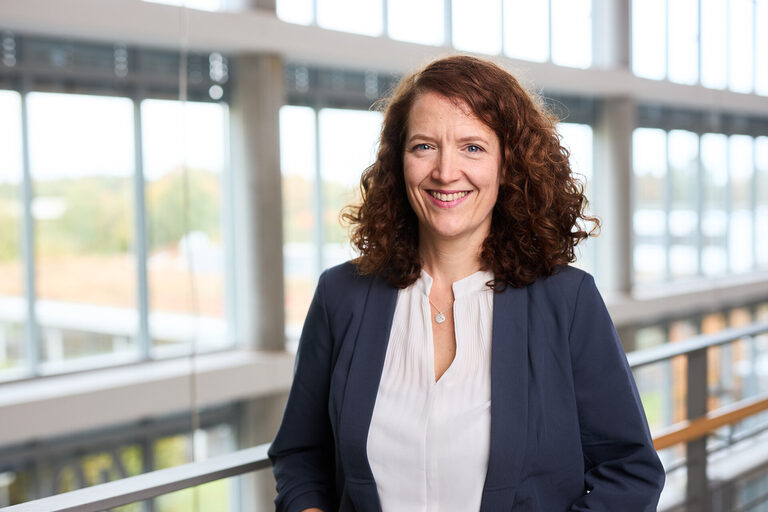
Dr. Jamie Marland serves as a Lecturer in Microelectronics within the Department of Electronics and Electrical Engineering at the University of Edinburgh's School of Engineering. She is affiliated with the Institute for Integrated Micro and Nano Systems (IMNS) and leads a research group developing miniature bioelectronic interfaces for synthetic biology and biomedical engineering applications, including an implantable oxygen sensor currently undergoing clinical translation with NHS partners. Her academic qualifications include: MSc in Sensor and Imaging Systems, University of Glasgow, 2016 (Distinction & Class Prize) PhD in Clinical Neurosciences, University of Cambridge, 2011 BA in Natural Sciences, University of Cambridge, 2005 Dr. Marland's research program focuses on microfabricated electrochemical sensors for medical applications, particularly oxygen sensors for tumor hypoxia monitoring in radiotherapy and post-operative tissue assessment. Her group develops electrochemical platforms enabling multi-channel data readouts from cell-free synthetic biological systems, with strong emphasis on in vivo validation and clinical translation. Current projects address vascular graft monitoring through impedance spectroscopy and stent complication prediction using self-reporting biosensors. Analysis of her 15 most recent publications (2020-2024) reveals consistent innovation in CMOS-compatible sensor microfabrication, with dominant applications in cancer therapy monitoring (tumor hypoxia), cardiovascular disease management (stent/graft monitoring), and surgical complication detection (anastomotic leakage). The work demonstrates interdisciplinary integration of microelectronics, electrochemistry, and clinical medicine through rigorous in vivo testing and sensor packaging solutions. Scientific recognition includes: WCSIM Beloe Fellowship (2018) Dr. Marland actively supervises MSc Electronics and Sensor projects while teaching Microelectronics 2 and Analogue Mixed Signal Laboratory courses. She currently leads multiple research initiatives including the ESRC-funded "AI Images of Care?" project (2024-2025), British Council's Going Global Partnership (2024), and collaborates on EPSRC and Wellcome Trust grants advancing biosensor translation. Her teaching extends to guest lecturing for international summer schools with Beihang University and UNC. Based at the Scottish Microelectronics Centre (G.08), her IMNS research group maintains strong clinical collaborations through the Centre for Engineering Biology, focusing on next-generation bioelectronic interfaces that bridge synthetic biology with practical healthcare solutions for precision medicine applications.