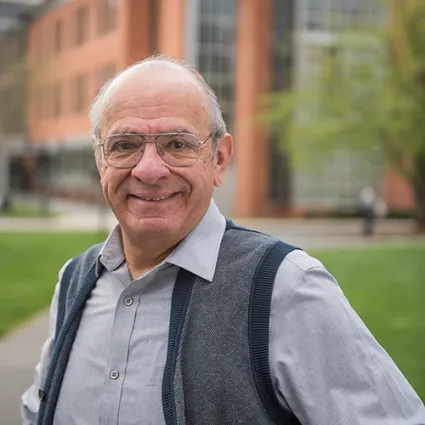
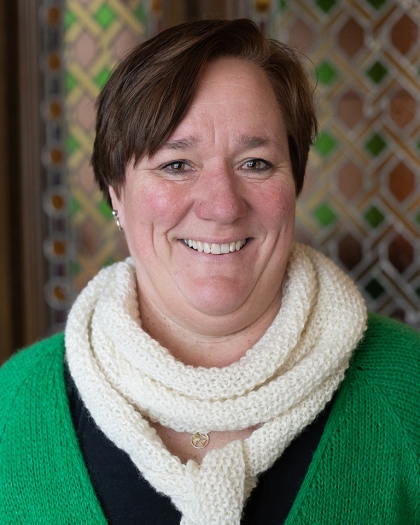
Stylianos P. Scordilis is a Professor in the Department of Biological Sciences at Smith College. His research focuses on molecular physiology, myogenesis, and sexual dimorphism of skeletal muscle, using proteomic and transcriptomic techniques to study muscle repair and adaptation.
Živilė Tarasevičienė is a Professor at the Department of Plant Biology and Food Sciences under the Faculty of Agronomy at Vytautas Magnus University . She actively supervises student research projects in food chemistry and plant biology, with recent focus on organic food systems and sustainable valorization of agricultural by-products. Education: Not explicitly mentioned Research Areas: Organic food products, biologically active substances, food raw material processing, sustainable food systems Her recent articles explore oxidative stability in plant oils, polyphenol retention in microencapsulated juices, and nutrient profiling of underutilized plant materials like black cumin and milk thistle. She applies advanced analytical methods including gas chromatography , spectrophotometry , and DPPH radical scavenging assays. Current projects emphasize valorization of pomace from berry processing and fortification of gluten-free products with nutrient-dense plant additives. Her work bridges agricultural sciences with food technology , focusing on practical applications for sustainable systems.
Ivana Vinkovic is a full Professor in the Department of Mechanical Engineering at the Faculty of Science and Technology, University of Lyon 1. She is affiliated with the Fluid Mechanics and Acoustics Laboratory (LMFA - UMR 5509), focusing on aeroacoustics of rotating machines and multiphysical/multiscale flows. Her research centers on direct numerical simulation (DNS) of wall-bounded turbulence, particularly solid particle transport mechanisms in environmental contexts like atmospheric pollen/dust dispersion. She has developed expertise in Lagrangian particle tracking and immersed boundary coupling for finite-sized particles. Administratively, Vinkovic has served as Real Estate Heritage Officer at LyonTech la Doua (2016-2018) and chaired the Master's in Mechanics program (2016-2018) and its Professional Mechanical/Energy Engineering specialty (2007-2016). She remains active through multiple council memberships, including the Faculty of Science and Technology Council (2013-2018) and University Scientific Council (2012). Her teaching portfolio spans foundational and advanced mechanics courses, including CM/TD/TP instruction in continuous media mechanics (L2/L3), advanced fluid mechanics (L3), and graduate-level fluid mechanics with heat transfer. She has also supervised project-based learning at L3 and M1 levels.
Hubertus Fischer is a Full Professor for Experimental Climate Physics at the University of Bern's Climate and Environmental Physics (CEP) department within the Faculty of Science. He serves as Head of Division for Past Climate and Biogeochemical Studies on Ice Cores and Greenhouse Gas Concentrations in Ice Cores. Fischer is also an Honorary Professor for Glaciology at the University of Bremen and holds significant leadership roles including Co-chair of the International Partnerships for Ice Core Sciences (IPICS) and Co-Chair of the Scientific and Technological Advisory Board of the Swiss Polar Institute. His research focuses on paleoclimate reconstruction using ice cores, with particular expertise in greenhouse gas concentrations, atmospheric chemistry, and glaciology. Fischer leads major international projects including Beyond EPICA - Oldest Ice Core, deepSLice (an ERC Advanced Grant project), and MATRICs (a previous ERC Advanced Grant). His work spans multiple ice core drilling projects across Greenland and Antarctica including EPICA, NEEM, NGRIP, and EGRIP. Fischer's publication record shows consistent high-impact research in climate science, with recent work examining methane dynamics, ocean temperature reconstruction, volcanic eruption proxies, and millennial-scale climate variability. His research integrates ice core analysis with climate modeling to understand past climate changes and their implications for future climate scenarios. Hans Oeschger Medal, European Geoscience Union (EGU), 2018 Dansgaard Award, American Geophysical Union (AGU), 2017 European Research Council (ERC) Advanced Grant deepSLice Sir Nicholas Shackleton Visiting Fellow 2014, Clare Hall, Cambridge University Descartes Prize for Transnational Collaborative Research for EPICA, European Union, 2007 Fischer has secured significant research funding including multiple ERC Advanced Grants and leads major international ice core consortia. His work with the Beyond EPICA project aims to retrieve ice cores dating back 1.5 million years, representing one of the most ambitious goals in contemporary ice core research. He has been instrumental in developing new analytical techniques for ice core gas analysis, particularly through his deepSLice project which created innovative laser spectrometry methods requiring minimal ice samples. As Co-chair of IPICS and leadership roles in Swiss Polar Institute and Swiss Committee for Polar and High Alpine Research, Fischer coordinates international polar research efforts. His laboratory at University of Bern specializes in ice core gas analysis and continuous flow analysis for chemical impurities, contributing to major discoveries about past atmospheric composition and climate dynamics.
Dr. Wanda Phipatanakul serves as S. Jean Emans, MD, Professor of Pediatrics at Harvard Medical School and Director of the Research Center in the Division of Immunology at Boston Children's Hospital. Her clinical practice focuses on allergic diseases and immunology with expertise in pediatric asthma and food allergies. She maintains active research programs examining environmental influences on allergic diseases and health disparities. Her research interests center on environmental determinants of pediatric asthma, particularly school-based exposures including indoor allergens, air pollution, and social determinants of health. She leads major initiatives like the School Inner-City Asthma Study (SICAS) investigating environmental interventions in urban schools. Her work spans clinical trials, epidemiological studies, and health services research with emphasis on vulnerable populations. Analysis of her 15 most recent publications reveals dominant themes in environmental health impacts on asthma, health equity research, and innovative school-based interventions. Her work increasingly integrates climate change considerations with traditional environmental exposures while maintaining strong focus on racial and socioeconomic disparities in allergic disease outcomes. Dr. Phipatanakul has received continuous NIH funding for her research on environmental interventions for asthma management. She serves on multiple national committees including the AAAAI Environmental Exposure and Respiratory Health Committee where she contributes to environmental justice initiatives in allergy practice. She mentors numerous trainees in pediatric allergy research and has developed educational materials for diverse stakeholder groups. Her leadership extends to multi-center clinical trials networks where she examines implementation of evidence-based practices in real-world settings, particularly school-supervised asthma therapy programs.
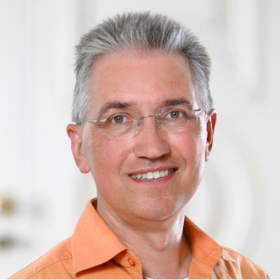
Nicola Hüsing is a University Professor in the Department of Chemistry and Physics of Materials at the University of Salzburg's Faculty of Natural Sciences. With over 200 publications since 1992, she has established herself as a leading researcher in sol-gel processing and advanced materials development. Her current research focuses on sustainable materials, smart materials, and bio-based alternatives for various applications. Her research interests span across sol-gel chemistry, aerogel synthesis, nanoparticle development, and sustainable materials engineering. Professor Hüsing's work bridges fundamental materials science with practical applications in energy storage, environmental remediation, and advanced manufacturing. She has particular expertise in developing bio-based alternatives to conventional materials, with recent focus on tannin-based systems and lignin utilization. Analysis of her recent publications reveals a strong emphasis on sustainability in materials science, with significant work on green synthesis methods, bio-based materials, and resource-efficient processing techniques. Her research demonstrates consistent innovation in adapting traditional sol-gel processes to meet contemporary environmental challenges while maintaining high performance standards. Professor Hüsing actively contributes to the scientific community through numerous conference presentations, including keynote addresses at major international events like the European Silicon Days. She serves as project manager for several significant research initiatives including the Salzburg Center for Smart Materials 2.0 and various projects focused on sustainable materials development. She is also engaged in third-mission activities, notably as a member of Scientists4Future Salzburg, where she contributes scientific expertise to address climate change and sustainability challenges. Her work on media communications, particularly regarding battery technology and future mobility, demonstrates her commitment to science communication and public engagement.
Makarchuk Darya Evgenievna serves as an Associate Professor in the Department of Geography within the School of Ecology and Geography at Siberian Federal University. She also leads the Laboratory of complex physical and geographical research. Her academic career spans 8 years in her specialty, with a strong focus on paleogeographical research in Central Siberia. Her educational background includes: Bachelor's degree in Ecology and Nature Management, Siberian Federal University (2012) Master's degree in ecology and nature management, geoecology, Siberian Federal University (2014) Dr. Makarchuk specializes in stratigraphy, paleontology, and paleogeography, with particular expertise in Holocene mollusk assemblages and paleoenvironmental reconstruction. Her research integrates malacofaunistic, palynological, and sedimentological approaches to understand climate and vegetation changes in the Krasnoyarsk Basin and surrounding regions during the Quaternary period. She has developed significant methodological approaches for paleoreconstruction of climates and vegetation, particularly focusing on the forest-steppe zone of Central Siberia. Her publication record shows consistent output since 2012, with increasing focus on multi-proxy approaches to paleoenvironmental reconstruction. Recent work demonstrates integration of geological, biological, and geographical methods to address climate change questions in Siberia, with particular emphasis on the Holocene period. Her research spans multiple river basins including the Berezovka, Kacha, Bazaikha, and Talaya rivers. Her scientific recognition includes: Membership in the All-Russian public organization 'Russian Geographical Society' Multiple certificates of honor from university administrations Letters of thanks from the Krasnoyarsk Regional Branch of the Russian Geographical Society Recognition from Moscow State University for participation in the All-Russian Science Festival 'NAUKA 0+' Dr. Makarchuk has been actively involved in educational initiatives, particularly in developing paleogeographical tourism and creating GIS-supported educational tools for students. She has participated in numerous scientific internships and advanced training programs focused on modern teaching methodologies and digital learning technologies. Her laboratory serves as a research hub for Quaternary studies in Central Siberia, with particular strength in malacofaunistic and palynological analysis.
Andrey Khlystov serves as a Research Professor in Chemistry within the Atmospheric Sciences division at the Desert Research Institute (DRI) in Reno, Nevada. With over two decades of continuous research activity, his work focuses on critical atmospheric chemistry questions related to aerosol formation, transformation, and impacts on air quality and human health. Dr. Khlystov's research interests span multiple interconnected domains of atmospheric science. His primary focus is on aerosol chemistry, particularly the physical and chemical properties of particles emitted from various sources including biomass burning, electronic cigarettes, and cannabis cultivation. He has made significant contributions to understanding the volatility of organic aerosols, bioaerosol characterization, and the chemical transformations that occur as emissions age in the atmosphere. His work bridges fundamental aerosol physics with practical environmental and health concerns, particularly regarding wildfire smoke impacts and emissions from emerging products like e-cigarettes. Analysis of Dr. Khlystov's recent publications (2022-2024) reveals several key research trajectories. His work increasingly focuses on the intersection of atmospheric chemistry with public health concerns, particularly regarding emissions from cannabis products and their impacts on indoor and outdoor air quality. He has developed novel methodologies for measuring and characterizing complex aerosol mixtures, with particular emphasis on volatile and semi-volatile organic compounds. His research on wildfire smoke has expanded to examine impacts beyond traditional air quality metrics, including effects on agricultural products and water systems. The interdisciplinary nature of his work is evident in collaborations spanning atmospheric science, toxicology, analytical chemistry, and environmental health. Dr. Khlystov actively mentors several researchers including Vera Samburova, Chiranjivi Bhattarai, Young-Min Son, Dipti Sengupta, Pavel Bahdanovich, and Kelsey Axelrod. His laboratory at DRI maintains specialized equipment for aerosol characterization, including thermodenuders for volatility measurements, oxidation flow reactors for aging studies, and advanced analytical instrumentation for chemical speciation. His research has been supported by various funding sources including the National Science Foundation and Health Effects Institute, with particular emphasis on understanding emissions from emerging sources and their atmospheric processing.
Nathan Chellman is an Assistant Research Professor in Snow and Ice Hydrology at the Desert Research Institute (DRI), specifically within the Division of Hydrologic Sciences in Reno, Nevada. He is a key member of the DRI Ultra Trace Ice Core Analytical Laboratory, where he conducts high-resolution, continuous flow analysis of ice cores to investigate environmental change over recent centuries and millennia. His work involves significant interdisciplinary and international collaborations with atmospheric scientists, historians, archaeologists, and microbiologists. Dr. Chellman earned his Sc.B. in Geology-Biology from Brown University in 2012, followed by an M.S. in Hydrology (2016) and Ph.D. in Hydrology (2019), both from the University of Nevada, Reno. His educational background bridges geological and biological sciences with specialized hydrological training, providing a strong foundation for his current paleoclimate research. Chellman's research primarily focuses on developing and interpreting paleoclimate and pollution records from ice cores, with additional work on lake sediments and tree rings. A specific area of expertise is studying black carbon in ice, sediments, and the atmosphere using the Single Particle Soot Photometer instrument to better understand fire history and black carbon atmospheric transport. His work spans multiple disciplines including paleoclimatology, environmental chemistry, and historical climate reconstruction. Analysis of his recent publications (2023-2025) reveals a strong focus on black carbon analysis, volcanic eruptions and their climate impacts, historical pollution records, and fire history reconstruction using ice core methodologies. His research frequently examines hemispheric-scale environmental changes, with studies spanning Antarctica, the Arctic, New Zealand, Patagonia, and North America. Many papers employ advanced analytical techniques combined with atmospheric modeling to reconstruct historical environmental conditions. Chellman's research is primarily funded by the National Science Foundation, indicating recognition of the significance and quality of his work in the scientific community. He collaborates extensively with Dr. Joe McConnell and other researchers at DRI, as well as numerous international collaborators across multiple continents. As part of the DRI Ultra Trace Ice Core Analytical Lab, Dr. Chellman works with sophisticated instrumentation for ice core analysis, contributing to DRI's reputation as a leader in trace chemistry and ice core research. His work connects contemporary environmental changes with historical patterns, providing crucial context for understanding current climate challenges.
Peter Siska is a Professor in the Department of Biological Sciences at Louisiana State University Shreveport (LSUS), College of Arts and Sciences. He has been affiliated with LSUS since 2018 and works in the Science Building, Room 101. His research spans several key areas in environmental science and geospatial analysis. Palynology (pollen grain analysis for ecosystem health and climate change indicators) Geographic Information Systems (GIS) for natural resource management Geostatistical modeling of karst hazards Multifactorial statistical analysis of ecosystem dynamics His recent publications focus on spatial patterns of pollen distribution, karst hazard prediction, and geospatial modeling techniques. He teaches foundational courses in biology and advanced GIS/remote sensing courses.
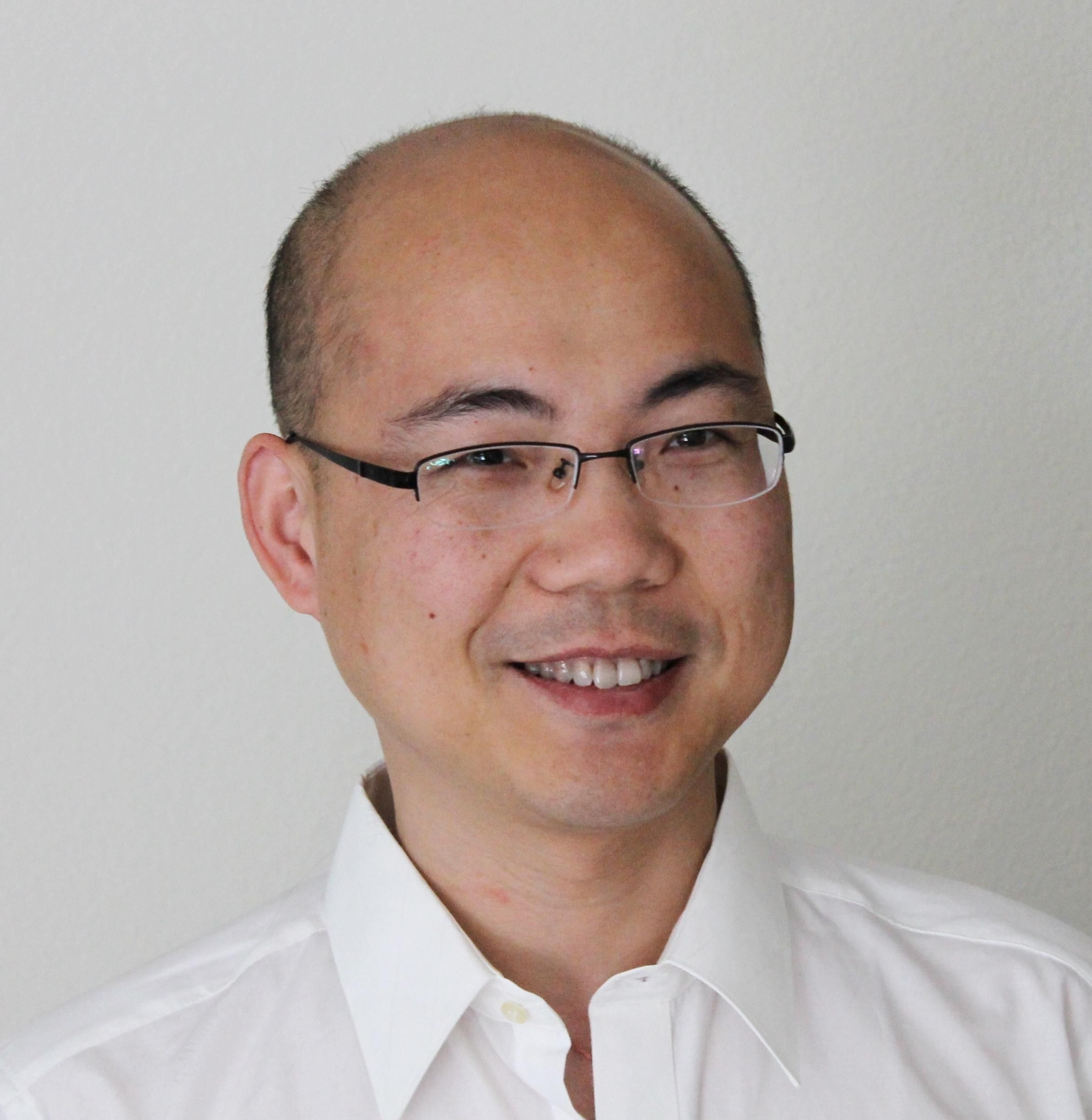
Huanghe Yang is an Associate Professor with multiple appointments at Duke University School of Medicine, holding positions in Biochemistry, Neurobiology, and Medicine. He also has an appointment as Assistant Professor of Cell Biology and is a Faculty Network Member of the Duke Institute for Brain Sciences. His research bridges multiple disciplines, focusing on ion channels, membrane transport, and cellular signaling mechanisms. Associate Professor of Biochemistry, Duke University School of Medicine Associate Professor in Neurobiology, Duke University School of Medicine Associate Professor in Medicine, Duke University School of Medicine Faculty Network Member, Duke Institute for Brain Sciences Dr. Yang received his Ph.D. from Washington University in St. Louis in 2008. His academic journey has led him to become a prominent researcher in the field of ion channels and membrane transport proteins. Dr. Yang's research primarily focuses on the structure, function, and physiological roles of ion channels and lipid scramblases, particularly the TMEM16 and PIEZO families. His work spans multiple systems including neuronal circuits, placental development, red blood cell physiology, and vascular biology. He investigates how these membrane proteins transduce mechanical, chemical, and electrical signals to regulate cellular functions in health and disease. His laboratory employs a multidisciplinary approach combining electrophysiology, structural biology, cell imaging, and animal models to unravel the molecular mechanisms underlying channelopathies and develop potential therapeutic strategies. Analysis of Dr. Yang's recent publications (2023-2025) reveals a strong focus on mechanosensitive channels (particularly PIEZO1 and TMEM63), lipid scramblases (TMEM16F), and their roles in diverse physiological processes. His work spans multiple systems including placental development, red blood cell disorders, neuronal signaling, and vascular biology. A significant portion of his recent research investigates the interplay between PIEZO1 and TMEM16F in various pathologies, suggesting a unifying theme of mechanotransduction and lipid signaling across different biological contexts. NIH Director's New Innovator Award (2017) Pathway to Independence Award (K99/R00) from NINDS (2014) Dr. Yang leads an active research program with substantial NIH funding, including multiple R01 grants and program project support. His laboratory trains graduate students and postdoctoral fellows in advanced techniques for studying membrane proteins. Current research directions include developing TMEM63B channelopathy mouse models, investigating BK channel regulatory subunits in pain pathways, and targeting ion channel interactions for therapeutic intervention in blood disorders and neurological conditions. His collaborative approach is evident in numerous interdisciplinary projects spanning neuroscience, hematology, and reproductive biology. Dr. Yang's laboratory is part of the broader research ecosystem at Duke University, collaborating with multiple departments and institutes. His work on ion channels and membrane transport proteins has implications for understanding neurological disorders, blood diseases, and developmental processes. The integration of structural, functional, and physiological approaches in his research provides a comprehensive framework for translating basic discoveries into potential therapeutic strategies.
Thomas Miedaner is a Professor at the State Seed Breeding Institute of the University of Hohenheim, Germany. Since 1988, he has led the Rye & Biotic Stress Working Group, focusing on resistance genetics in cereals and maize. Academic Milestones : 2005 appointment as extraordinary professor, 1998 Habilitation in plant breeding Research Focus : Fusarium diseases, rust resistance, genomic selection, hybrid breeding systems, and cereal stress tolerance His career spans over 35 years with significant contributions to plant breeding and resistance genetics . Key research areas include: Molecular mapping of rust resistance genes Genomic selection in rye breeding Human-mediated plant/pathogen migration Fusarium-ergot interactions Hybrid rye breeding optimization Population genetics of cereal diseases Publications show a strong emphasis on genomic approaches for disease resistance and breeding methodology across multiple cereal crops. His work bridges classical breeding with modern genomic tools to address agricultural challenges. Key projects include: FusStalk: Fusarium stalk rot resistance in maize RoggenPop: Winter rye genomic selection for organic farming Hybrid rye breeding frameworks
Prof. Gilad Yossifon is a faculty member at the School of Mechanical Engineering and the Department of Biomedical Engineering at Tel Aviv University . He leads the Micro and Nano-Fluidics and Robots Laboratory , focusing on electrokinetics in micro- and nano-fluidic devices, lab-on-a-chip applications, and autonomous particle systems. Education: Affiliated with Tel Aviv University and Technion – Israel Institute of Technology Research Interests span microfluidics, nanofluidics, and robotics. His work explores active particles as mobile microelectrodes, dielectrophoretic cargo manipulation, and electrically powered microrobotics for biomedical applications. Key areas include label-free transport systems, field-gradient optimization, and reconfigurable microfluidic components. Recent Articles demonstrate his group's expertise in frequency-dependent cargo selectivity, 3D electrokinetic trapping, and integration of active colloids with dielectrophoretic forces. These publications highlight applications in sample analysis , single-cell processing , and bottom-up fabrication techniques for microsystems. Scientific Recognition includes grants from the US-Israel Binational Science Foundation , Israel Science Foundation , and fellowships from Russell Berrie Nanotechnology Institute and Gutwirth Foundation . Technological Contributions involve developing microfluidic chambers with Indium Tin Oxide substrates, COMSOL simulations of field gradients, and hardware for electrically powered micromotors. Collaborative work extends to directed cargo transport systems and microscale biosensing platforms.
Anne Elisabeth Bjune is a Professor in the Department of Biological Sciences (BIO) at the University of Bergen and Head of Education at the ETP (Education and Training Programme). She is affiliated with the Bjerknes Centre for Climate Research and leads the Ecological and Environmental Change Research Group. Her work bridges palaeoecology, climate change studies, and innovative STEM education. Research Focus : Vegetation and climate history from the last glacial period to present, using pollen, seeds, and plant macrofossils from lakes and bogs. Key projects include Holocene climate dynamics in the Ural Mountains, Norwegian tree-line shifts, and sub-Antarctic wind patterns. Teaching : Lecturer for courses like BIO 101 - Organismal Biology , BIO 250 - Palaeoecology , and BIO 299 - Research Experience . Scientific Contributions : Her research spans Arctic and boreal ecosystems, with a focus on pollen-based climate reconstructions, carbon dynamics in peatbogs, and AI integration in biology education. Recent publications address Holocene westerly wind stability, vegetation responses to rapid climate shifts, and AI ethics in teaching.
Gunhild Rosqvist is a Professor of Geography with a specialization in Physical Geography at Stockholm University, where she is affiliated with the Department of Physical Geography within the Faculty of Science. Her research focuses on climate change impacts in alpine and polar environments, with particular emphasis on snow, glaciers, and water systems. She has extensive experience in interdisciplinary research, working with climate modelers, environmental and indigenous law experts, and Sami reindeer herders to address the complex challenges facing Arctic communities. Dr. Rosqvist previously served as director of the Tarfala Research Station in Kebnekaise from 2005 to 2020, during which time she helped develop the station into a national and international research infrastructure supported by the Swedish Research Council and the EU through SITES and INTERACT programs. She currently leads several significant research initiatives, including Sweden's Antarctic research program iQ2300, which aims to quantify Antarctica's contribution to future sea level rise along the Swedish coast and globally. Her research interests span multiple interconnected domains within climate science and environmental geography. She investigates how rapid climate change and land use alterations affect mountain ecosystems and create new challenges for traditional livelihoods like reindeer herding. Her work integrates physical science with social dimensions, emphasizing the need for climate impact assessments that incorporate indigenous knowledge. She also studies glacial dynamics, snow properties, and lake ecosystems in Arctic environments, using both field measurements and advanced modeling approaches to understand past, present, and future environmental changes. Dr. Rosqvist's publication record demonstrates a consistent focus on Arctic and alpine environments, with particular attention to climate change impacts, glaciology, and human dimensions of environmental change. Her recent work shows increasing integration of indigenous knowledge with scientific methods, especially regarding reindeer herding in northern Sweden. She has made significant contributions to understanding snow dynamics through innovative remote sensing techniques and has pioneered research on microbial processes for remediating mine pollution in Arctic environments. Her interdisciplinary approach bridges physical geography with social sciences, creating pathways for more holistic environmental assessments. As a research leader, Dr. Rosqvist directs multiple ongoing projects funded by Formas, the National Heritage Board, Vinnova, and international collaborations. These include initiatives on sustainable land use planning in Arctic Sweden, climate impact assessments for reindeer herding areas, methods for cultural environment monitoring, and snow quality assessment tools that integrate Sámi knowledge. She previously led the Nordic Center of Excellence REXSAC (Resources Extraction and Sustainable Arctic Communities) through NordForsk and contributed to the Bolin Center for Climate Research at Stockholm University. Dr. Rosqvist works closely with the Tarfala Research Station in Kebnekaise, which serves as a critical field site for Arctic and alpine research. She collaborates extensively with researchers from Stockholm and Helsinki Universities through the Arctic Avenue initiative, focusing on lake ecosystems and glacial activity. Her research teams include climate scientists, geographers, environmental lawyers, and indigenous knowledge holders, creating truly interdisciplinary approaches to understanding and addressing climate challenges in the Arctic.