
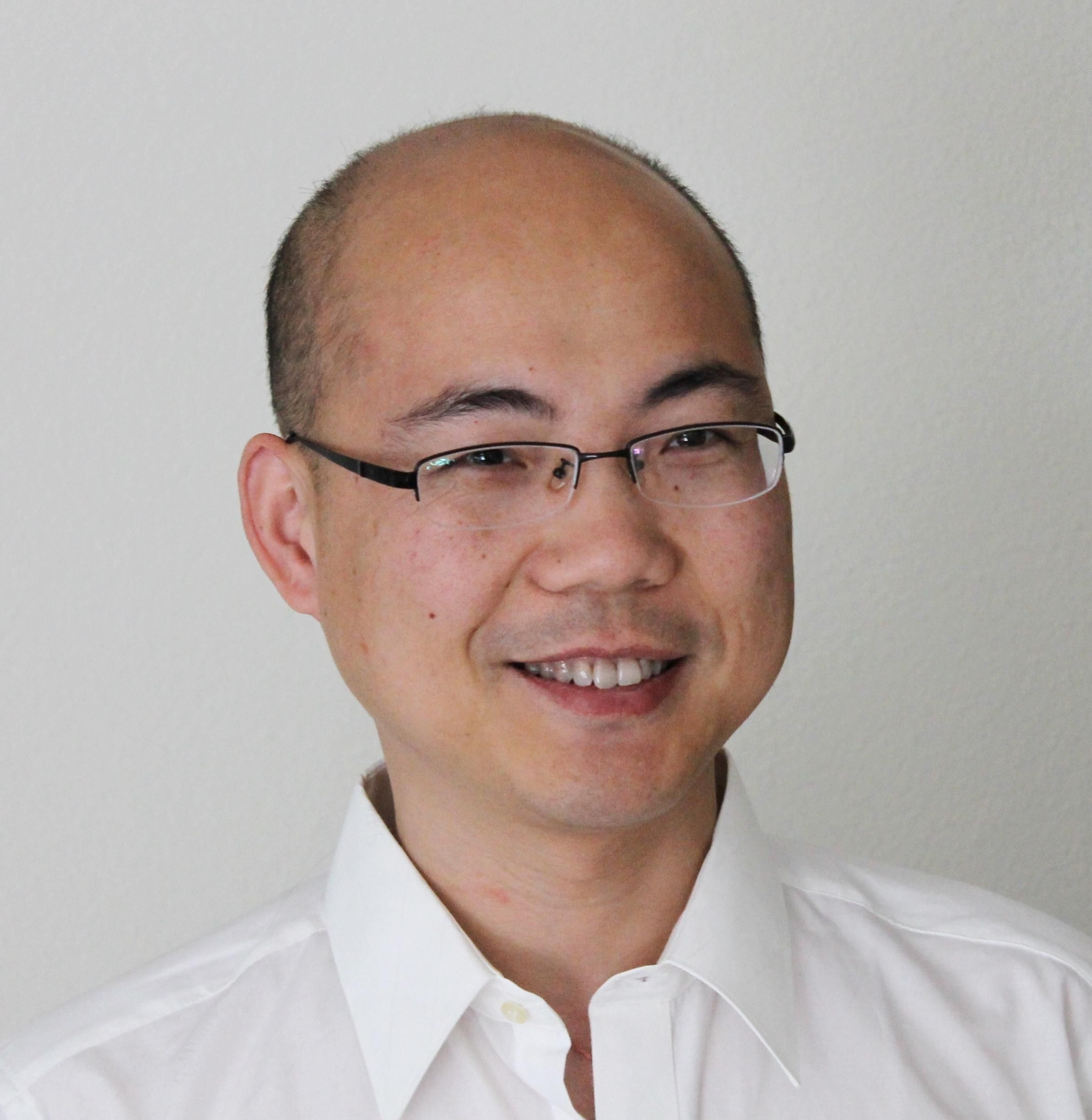
معرفی
Huanghe Yang is an Associate Professor with multiple appointments at Duke University School of Medicine, holding positions in Biochemistry, Neurobiology, and Medicine. He also has an appointment as Assistant Professor of Cell Biology and is a Faculty Network Member of the Duke Institute for Brain Sciences. His research bridges multiple disciplines, focusing on ion channels, membrane transport, and cellular signaling mechanisms.
- Associate Professor of Biochemistry, Duke University School of Medicine
- Associate Professor in Neurobiology, Duke University School of Medicine
- Associate Professor in Medicine, Duke University School of Medicine
- Faculty Network Member, Duke Institute for Brain Sciences
Dr. Yang received his Ph.D. from Washington University in St. Louis in 2008. His academic journey has led him to become a prominent researcher in the field of ion channels and membrane transport proteins.
Dr. Yang's research primarily focuses on the structure, function, and physiological roles of ion channels and lipid scramblases, particularly the TMEM16 and PIEZO families. His work spans multiple systems including neuronal circuits, placental development, red blood cell physiology, and vascular biology. He investigates how these membrane proteins transduce mechanical, chemical, and electrical signals to regulate cellular functions in health and disease. His laboratory employs a multidisciplinary approach combining electrophysiology, structural biology, cell imaging, and animal models to unravel the molecular mechanisms underlying channelopathies and develop potential therapeutic strategies.
Analysis of Dr. Yang's recent publications (2023-2025) reveals a strong focus on mechanosensitive channels (particularly PIEZO1 and TMEM63), lipid scramblases (TMEM16F), and their roles in diverse physiological processes. His work spans multiple systems including placental development, red blood cell disorders, neuronal signaling, and vascular biology. A significant portion of his recent research investigates the interplay between PIEZO1 and TMEM16F in various pathologies, suggesting a unifying theme of mechanotransduction and lipid signaling across different biological contexts.
- NIH Director's New Innovator Award (2017)
- Pathway to Independence Award (K99/R00) from NINDS (2014)
Dr. Yang leads an active research program with substantial NIH funding, including multiple R01 grants and program project support. His laboratory trains graduate students and postdoctoral fellows in advanced techniques for studying membrane proteins. Current research directions include developing TMEM63B channelopathy mouse models, investigating BK channel regulatory subunits in pain pathways, and targeting ion channel interactions for therapeutic intervention in blood disorders and neurological conditions. His collaborative approach is evident in numerous interdisciplinary projects spanning neuroscience, hematology, and reproductive biology.
Dr. Yang's laboratory is part of the broader research ecosystem at Duke University, collaborating with multiple departments and institutes. His work on ion channels and membrane transport proteins has implications for understanding neurological disorders, blood diseases, and developmental processes. The integration of structural, functional, and physiological approaches in his research provides a comprehensive framework for translating basic discoveries into potential therapeutic strategies.
Huanghe Yang در سایتهای دیگر
جستوجوهای مرتبط
شاید اینها هم برایتان مناسب باشند
 Hongyuan YangThe University of Texas Health Science Center at Houston · استاد
 Antreas KalliUniversity of Leeds · دانشیار
- AAgnieszka DyrdaThe University of Western Australia · پژوهشگر
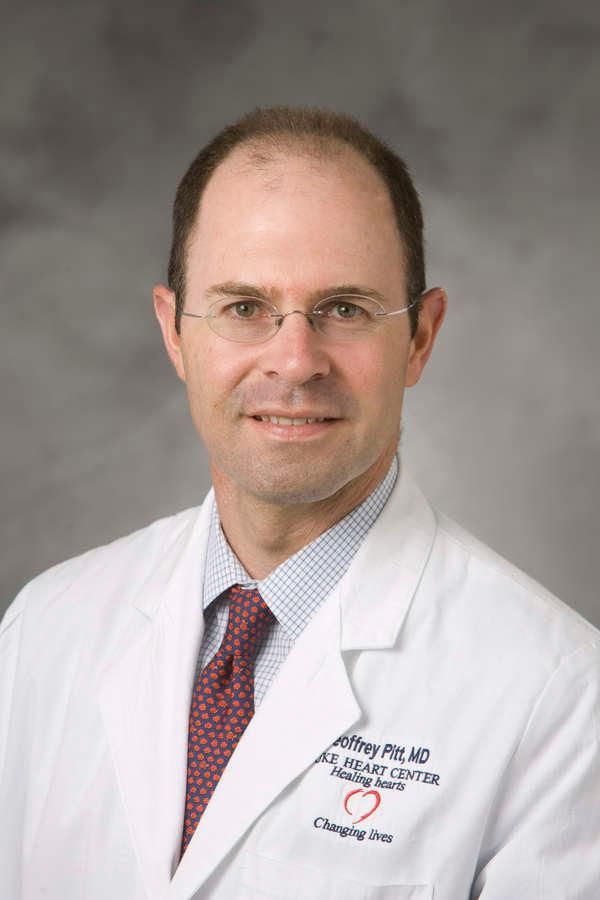 Geoffrey Stuart PittDuke University · استاد مدعو
- EEduardo PerozoUniversity of Chicago · استاد
 Medha PathakUniversity of California, Irvine · استادیار