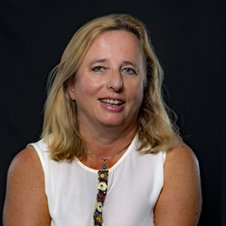
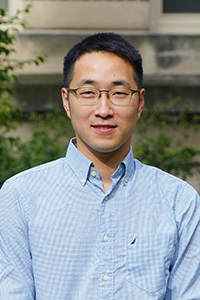
Dr. Nicolás García-Aracil is an Associate Professor at Miguel Hernández University of Elche, Spain, affiliated with the Department of Systems Engineering and Automation. He serves as Deputy Director of the Institute of Bioengineering and Director of the Chair of Advanced Technologies for Rehabilitation. PhD in Robotics (Summa Cum Laude, National Research Prize, 2004) M.Sc. in Control Engineering (1996) M.Sc. in Design, Robotics and Industrial Automation (1997) B.Sc. in Electronics Engineering (1992) His research focuses on medical robotics , rehabilitation robotics , and human-robot interaction , with applications in stroke recovery , prostate cancer visualization , and assistive technologies . Recent publications emphasize dynamic adaptation , neuro-fuzzy systems , and multimodal interfaces for therapeutic optimization. Best Thesis in Robotics, National Research Prize (Spanish Federation of Automatic Control, 2004) Summa Cum Laude PhD Thesis (2004) 1st Accesit for PhD Thesis (2004) Active in European Union Horizon 2020 projects like AIDE and FP7 initiatives (ECHORD, MAAT). Serves as Editorial Board member for BioSystems & Biomechanics and has guest-edited multiple JCR journal special issues.
Jose Angel Perez Alvarez is a Professor in the Department of Agro-Food Technology at Miguel Hernández University of Elche. He holds leadership roles as Director of the Catedra Palmeral d'Elx and Member of the University Senate (Sector 1). His academic activities include coordinating courses like Biotechnology of Functional Foods and Food Development and Innovation at bachelor's and master's levels, and directing the Industrialization of Animal Raw Materials research group. Teaching: Biotechnology, Food Science, and Master's in Agro-Food Technology Research: Food technology, antioxidant properties, coproduct valorization Labs: Director of Industrialization of Animal Raw Materials group His research focuses on functional foods, coproduct utilization, and techno-functional properties of food ingredients. Recent work includes evaluating bioaccessibility of polyphenols, developing prebiotic-enriched foods, and exploring natural additives like beetroot juice and mushroom flours. He has contributed to food stabilization techniques and laser spectroscopy applications. His 15 most recent publications span 2025-2017, emphasizing food innovations (e.g., royal jelly applications, persimmon flour), analytical technologies (laser spectroscopy), and interdisciplinary studies in food safety and medical applications. Key collaborations include projects on antioxidant potential, gut microbiota, and sustainable food processing. Jose Angel Perez Alvarez leads the University Institute for Agro-food and Agro-environmental Research and Innovation, with facilities in Orihuela, Alicante. His work addresses agricultural resources, food quality, and technological advancements through both fundamental and applied research.
Katarzyna WEGRZYN-WOLSKA serves as Professor of Computer Science and Deputy Director of the Efrei Research Lab at Efrei Paris, with concurrent associate researcher positions at Mines ParisTech (CRI) and Télécom Paris (SAMOVAR laboratory). Her academic leadership spans social network analysis, web intelligence, and AI-driven decision systems development. Her educational foundation includes: Engineer in Electronics, Silesian Polytechnic University (1987) Master in Computer Science, University of Val d'Essonne/ENSIIE/Télécom SudParis (1996) PhD in Automation and Computer Science, MinesParisTech (2001) HDR (Habilitation to Direct Research), University of Val d'Essonne (2012) Dr. WEGRZYN-WOLSKA's research integrates four synergistic domains: Social Network Analysis (influence propagation and reputation metrics), Web Intelligence (search engine evaluation and multimodal sentiment mining), Decision Support Systems (ML-based recommendation and fuzzy logic defuzzification), and Emotion Recognition (contextual analysis via multimodal signals). Her methodological framework combines graph theory, machine learning, and human-computer interaction to address complex real-world challenges. Analysis of her 2022-2025 publications reveals strategic focus on heterogeneous graph neural networks for professional recruitment systems, explainable AI architectures, and cross-domain applications from precision agriculture (bee/horse behavior monitoring) to sustainable Industry 4.0 production. This demonstrates consistent translation of theoretical advances into tangible technological solutions. She actively contributes to major research consortia including COST Actions SHIINE (Management Committee) and cHiPSet, PNAPI digital platform for beekeepers, and EU-funded ENGINE project, demonstrating strong international collaboration capabilities. Holding HDR status since 2012, she supervises doctoral candidates while serving on program committees for premier conferences (WI, SNAA, BESC). Current work emphasizes multimodal emotion detection and AI-driven sustainability frameworks for industrial systems.
You Fang is a Professor at Tongji University's School of Art and Media, serving as PhD Supervisor in Design and Automotive Engineering. As Director of the Automotive Interaction Design Lab/User Experience Lab, they lead cutting-edge research in intelligent cognitive interaction, smart cockpit design, and embodied cognition applications. Their work bridges academia and industry through collaborations with Huawei, Baidu, and SAIC, while maintaining international partnerships with institutions in Germany, Australia, and Finland. PhD in Computer Software and Theory (Sun Yat-sen University, 2003) Master's in Computer Animation (Bradford University, 2005) Engineering Master's in Fashion Design (Northwest Institute of Textile Technology, 2000) Research focuses on three core areas: 1. Cognitive Interaction Design for autonomous vehicles, 2. Hybrid Spatial Information systems integrating physical and virtual environments, and 3. Art Therapy Applications using traditional movement cognition. Their work spans from theoretical studies in cognitive science to practical implementations in commercial automotive systems. Recent publications reveal a strong emphasis on AR-HUD interface optimization (7/15 papers), human-vehicle collaboration (4/15), and multimodal interaction (5/15). Key themes include driver trust assessment, spatial perception modeling, and non-verbal communication mechanisms in intelligent transportation. Scientific Recognition : 2022 Chinese Cultural and Tourism Government Award 2021 Tongji Yucai Award (2nd Prize) Multiple Ministry of Education Technology Progress Awards 27 invention patents (2017-2022) As educational innovator, they developed the award-winning Interaction Design: Design Thinking and Practice textbook adopted by 10+ Chinese universities, and pioneered digital education sandboxes for interactive design pedagogy.
Togan Tong serves as Associate Professor in the Department of Building Information at Yıldız Technical University's Faculty of Architecture, where he has maintained continuous academic service since 1992. His expertise spans computational design methodologies and immersive technology applications within architectural practice and education. His educational foundation includes: Bachelor of Architecture from Yıldız University (1988) Master of Architecture in Building Science from Yıldız Technical University (1990) Ph.D. in Building Information from Istanbul Technical University (2000) Research initiatives focus on Architectural Computing , Building Information Modeling , and Immersive Technologies , with particular emphasis on human-computer interaction in design environments. Current projects explore VR/AR interfaces for architectural modeling, computational space planning algorithms, and game-based historical reconstruction systems. Publication analysis reveals a pronounced shift toward immersive educational applications since 2020, with significant contributions in VR ergonomics, spatial cognition studies, and BIM integration methodologies. His work bridges technical computing and architectural pedagogy through systematic reviews and empirical interface studies. Academic mentorship includes supervision of 9 theses across architectural computing disciplines. Professional activities extend to Digital Design Education Consultancy for the Istanbul Metropolitan Branch of the Chamber of Architects, influencing curriculum development at institutional levels. Operational activities center around the YTU Bot Group research collective, utilizing the university's digital design infrastructure for advanced visualization projects and computational prototyping in architectural contexts.
Yi-Ning Wu, Ph.D., serves as Associate Professor in the Department of Physical Therapy and Kinesiology within the Zuckerberg College of Health Sciences at the University of Massachusetts Lowell, concurrently holding the position of Scientific Lead in Physiological Measurement at the New England Robotics Validation and Experimentation (NERVE) Center. Her institutional affiliations extend to multiple research centers including HEROES, FDC, and SCORE, reflecting her interdisciplinary approach to rehabilitation science. Bachelor of Science in Physical Therapy (2000), National Cheng Kung University, Taiwan Ph.D. in Biomedical Engineering (2007), National Cheng Kung University, Taiwan (Dissertation: Quantification of Abnormal Muscle Tone in Animal Model and in Clinical Setting) Postdoctoral Research Associate, Rehabilitation Institute of Chicago (now Shirley Ryan Ability Lab) Postdoctoral Research Associate, Neuroscience Department, Brown University Dr. Wu's research program spans neurorehabilitation technology development, with evolving focus from pediatric cerebral palsy interventions to military rehabilitation applications. Her early work pioneered robotic assessment of spasticity mechanisms in children, while recent investigations address human performance limitations during Explosive Ordnance Disposal (EOD) operations with heavy personal protective equipment (PPE). This trajectory demonstrates strategic adaptation from clinical rehabilitation to defense-related human performance optimization, maintaining core expertise in biomechanics and physiological measurement. Current projects integrate exoskeletons, wearable sensors, and AI-driven home rehabilitation systems. Analysis of her publication record reveals three distinct phases: (1) foundational work on spasticity quantification in cerebral palsy (2005-2015), (2) expansion into home-based rehabilitation technologies (2013-2018), and (3) military human performance applications (2018-present). The most recent publications (2021-2024) show strong emphasis on EOD operational ergonomics, exoskeleton integration with PPE, and neurophysiological monitoring for adaptive human-robot collaboration, indicating successful pivot toward Department of Defense funding priorities while maintaining clinical rehabilitation expertise. Faculty Award for Teaching Excellence (2015) Sarah Baskin Award for Excellence in Research (2010) Switzer Fellowship Award (2009) Student Travel Scholarship, American Academy for Cerebral Palsy (2007) Li Foundation Fellow (2005) Podium Paper Award, Biomedical Engineering Society (2003) TiC100 Design Award (2002) Dr. Wu has secured substantial research funding across multiple domains, including $1.2M from the U.S. Army Combat Capabilities Development Command for EOD performance studies, NIH/NIDRR fellowships for cerebral palsy rehabilitation, and industry partnerships with Biogen Idec. Her mentorship includes directing graduate students in the NERVE Center's robotics validation programs, with recent focus on developing AI-driven home rehabilitation systems for children with cerebral palsy. Current projects bridge military and civilian applications through wearable sensor networks and adaptive exoskeleton control systems. As Scientific Lead at the NERVE Center, Dr. Wu directs the Physiological Measurement Core, developing novel methodologies for quantifying human performance under extreme conditions. Her laboratory integrates motion capture, EMG, force sensing, and neuroimaging to evaluate rehabilitation interventions, with recent expansion into EOD operational environments. The HEROES initiative focuses on human-robot teaming for hazardous operations, while SCORE develops sensor-based outcome measures for clinical rehabilitation.
John-Tyler Binfet is an Associate Professor at the University of British Columbia's Okanagan School of Education, where he serves as Director of Graduate Programs and Director of the Building Academic Retention through K9's (B.A.R.K.) program. He also directs the Centre for Mindful Engagement, a role he assumed in 2021. His dual research focus centers on children's conceptualizations of kindness in educational settings and the impact of canine-assisted interventions on university student well-being. Binfet earned his Bachelor of Arts in Psychology from the University of Calgary (1987), followed by a Bachelor of Education (1991), Master of Arts in Measurement (1993), and PhD in Educational Psychology (2000), all from the University of British Columbia, Vancouver. His educational background has provided a strong foundation for his interdisciplinary research that bridges psychology, education, and human-animal interaction studies. His research on kindness explores how children and adolescents understand and enact kindness within school contexts, resulting in the development of the School Kindness Scale. His canine-assisted intervention research, particularly through the B.A.R.K. program founded in 2012, investigates how interactions with therapy dogs reduce stress and enhance well-being among university students. This work has expanded to include virtual canine comfort modules and cross-population applications. Binfet's publications reveal a strong trend toward methodological sophistication in animal-assisted intervention research, with increasing attention to diverse student populations, gender considerations, and the mechanisms through which human-animal interactions affect wellbeing. His work spans theoretical frameworks in social psychology, practical applications in educational settings, and rigorous methodological approaches including randomized controlled trials and mixed-methods designs. Outstanding Instructor Award (2024) Multiple SSHRC Partnership Engage Grants Central Okanagan Foundation funding for kindness research TELUS funding for canine therapy initiatives Binfet actively supervises graduate students in M.Ed., M.A., and Ph.D. programs, with expertise in both qualitative and quantitative research methodologies. His leadership extends to the B.A.R.K. program, which routinely brings 60+ therapy dogs to campus, and the Centre for Mindful Engagement. Current research directions include virtual canine comfort interventions, cross-cultural validation of kindness assessment tools, and expanding the application of canine-assisted interventions to diverse populations including veterans and law enforcement personnel.
James Kronstad is a Professor in the Department of Microbiology and Immunology at the University of British Columbia , based at the Michael Smith Laboratories . A leading figure in fungal biology, he investigates the molecular mechanisms underlying pathogenesis, morphogenesis, and host–microbe interactions in both plant and human fungal pathogens. Education & Academic Background While explicit degree details are not provided, his long-standing professorship and leadership in genomics and molecular genetics indicate extensive training in microbiology and fungal biology. Research Focus Kronstad’s lab employs functional and structural genomics to dissect how fungi adapt to, and exploit, their hosts. Major themes include: Fungal pathogenesis : Understanding how Cryptococcus neoformans and C. gattii cause life-threatening infections, especially in immunocompromised individuals. Plant-microbe interactions : Elucidating how Ustilago maydis and U. hordei infect maize and barley, respectively, leading to smut diseases. Iron homeostasis & signaling : Deciphering transcriptional networks (Cir1, HapX) that regulate iron acquisition and virulence. cAMP/PKA signaling : Investigating how this pathway controls morphological transitions and pathogenicity across basidiomycetes. Comparative genomics : Building physical maps and reference genomes to enable comparative studies of pathogenic fungi. Recent Publications & Trends Between 2024-2025, the lab has published extensively on redox regulation, polyphosphate metabolism, iron acquisition, and novel antifungal targets, reflecting a pivot toward translational applications in antifungal therapy and vaccine development. Scientific Awards & Recognition Burroughs Wellcome Fund Scholar Award in Molecular Pathogenic Mycology Canadian Institute for Advanced Research (CIFAR) Fellowship, Fungal Kingdom: Threats & Opportunities Graduate Training & Mentorship Kronstad currently supervises multiple PhD candidates and post-doctoral fellows, including Sara Vujakovic, Braydon Black, Elise Bedford, Djihane Damoo, Xianya (Sabrina) Qu, and Kabir Bhalla. A long list of former trainees (over 40 names) attests to his extensive mentorship record. Funding & Collaborations Research is funded by the Natural Sciences and Engineering Research Council of Canada , Canadian Institutes of Health Research , National Institute of Allergy and Infectious Diseases (NIH) , BC Lung Association , and Genome Canada/Genome BC . The lab actively partners with the Michael Smith Genome Sciences Centre for large-scale sequencing projects and welcomes interdisciplinary collaborations. Laboratory & Facilities The Kronstad Lab is housed within the state-of-the-art Michael Smith Laboratories at UBC, offering cutting-edge facilities for genomics, proteomics, molecular genetics, and animal infection models.
Yulong Yan, Ph.D., FAAPM, is a Professor in the Department of Radiation Oncology at UT Southwestern Medical Center, serving as Director of Computational Physics and faculty in the Division of Medical Physics & Engineering. He holds a Ph.D. in biomedical engineering from Southeast University, China, and bachelor's/master's degrees from Nanjing University of Aeronautics and Astronautics. Editorial Roles: Associate Editor for Medical Physics and Journal of Clinical Medical Physics Committee Leadership: Chair of AAPM Southwest Chapter Communications and IT Committee since 2014 Research Focus: Adaptive radiotherapy, AI-driven medical imaging, functional lung avoidance, and synthetic CT generation His recent publications highlight advancements in online adaptive radiotherapy verification, bony structure-enhanced synthetic CT for pelvis treatments, and ensemble learning approaches to improve image reconstruction. These works emphasize AI integration, dosimetric precision, and functional organ preservation. Scientific awards include Fellow of the American Association of Physicists in Medicine (FAAPM). As an educator, he mentors medical physics residents/postdoctoral fellows, delivers annual lectures in medical physics programs, and contributes to clinical training since 2013.
Professor Atul K. Shah is a writer, broadcaster, and academic at City St George's, University of London , specializing in the Department of International Politics . With a PhD from the London School of Economics and a fellowship from ICAEW, his work bridges finance, accounting, and ethics, focusing on sustainability, cultural inclusion, and corporate accountability. His research has been featured in Forbes , The Guardian , and BBC Radio . Research Interests include: Ethical Finance and Sustainable Business Models Jainism's Economic Philosophy (Ahimsa, Moral Capital) Financialisation in Public Sectors (e.g., childcare funding) Forensic Accounting and Tax Corruption Analysis (EU VIRTEU Project) Reform of Accounting Education via Investigative Journalism Journal Publications (2017-2023) show a trajectory from theoretical physics-economics crossovers (e.g., Roadrunner's Doppler effect) to critiques of corporate environmental impact and private equity models. His 2022 EU-funded work on tax corruption and 2020 studies on for-profit childcare highlight systemic financial risks.
Marie-Paule Cani is a Professor of Computer Science at Ecole Polytechnique (IP Paris), where she serves as Dean of the Master of Science and Technology program. She is a member of the Académie des sciences and leads research in the LIX laboratory (CNRS/Ecole Polytechnique, IP Paris). Her career spans several prestigious institutions including Grenoble INP and Collège de France. Dr. Cani earned her M.Sc. in Computer Science from Ecole Normale Supérieure & University Paris XI in 1987, followed by a Ph.D. in Computer Graphics from University Paris XI in 1990 under advisor Claude Puech. She completed her Habilitation in Computer Science from Institut National Polytechnique de Grenoble in 1995. Professor Cani's research focuses on advancing user-centered, creative 3D modeling and animation systems. Her work aims to develop intelligent systems that help users express shapes in motion they have in mind, whether they are computer artists, engineers, or scientists from other disciplines. She pioneered methodologies that provide expressive, gesture-based control (such as sketching, deformation, copy-pasting) while augmenting graphical models with knowledge from priors or statistics learned from examples. Her research spans multiple areas including implicit surfaces, developable surfaces, procedural models, physically-based animation, and sketch-based modeling. Her recent publications demonstrate a continued focus on innovative approaches to 3D modeling, animation, and simulation. Her work bridges computer graphics with applications in geology, biology, and virtual environments. Recent trends show increasing integration of machine learning techniques with traditional graphics approaches, particularly in procedural modeling and animation control. ACM Siggraph Steven A. Coons Award (2023) Member of the ACM Siggraph Academy (2019) Member of Academia Europaea (2013) Silver medal from CNRS (2012) EUROGRAPHICS award for Outstanding Technical Contributions (2011) Irène Joliot Curie national award, mentorship category (2007) Junior member of the Institut Universitaire de France (1999) Professor Cani has supervised numerous students throughout her career and has led multiple significant research projects funded by prestigious organizations. Her ERC Advanced Grant EXPRESSIVE (2012-2017) focused on EXPloring RESponsive Shapes for the creation of Interactive Virtual Environnements. She created and led the STREAM Team at LIX from 2016-2019. More recently, she has been Principal Investigator in the chair between Google and Ecole Polytechnique on Artificial Intelligence & Visual Computing (2018-2021), and in the International Training Network CLIPE (2020-2024), funded by the European Research Council. She currently leads the interdisciplinary project Paleomob-3D (2023-2026) between LIX and HNHP, funded by CNRS 80-Prime. Professor Cani has led several research teams throughout her career, including the Imagine joint team (Inria/LJK lab, 2011-2016) and the Evasion joint team (Inria/GRAVIR lab, 2003-2010). She currently leads research in the LIX laboratory at Ecole Polytechnique, where she was the leader of the "Modeling Simulation and Learning" pole from 2019 to 2023.
Claudio Vinegoni is an Assistant Professor of Radiology at Harvard Medical School and Massachusetts General Hospital, with over three decades of expertise in optical imaging modalities and biomedical data analysis. His research focuses on system-level biological interactions in disease states like cancer and cardiovascular disorders, combining advanced microscopy with machine learning techniques. His lab develops novel optical imaging systems for in vivo and ex vivo applications, including fluorescence anisotropy , two-photon microscopy , and tensor imaging for whole-organ analysis. Recent work emphasizes deep learning integration with fluorescence data processing. Publications span Nature and Science journals, covering Drug-target engagement quantification Cardiac microstructure visualization High-resolution atherosclerosis imaging GAN-based microscopy enhancement His academic background includes a PhD and MS in Physics from University of Geneva and Universita di Trento, with thesis work on Raman spectroscopy and telecom fiber metrology.
Dr. Eleanor Stillman is a Senior Lecturer in Probability & Statistics at the School of Mathematical and Physical Sciences, University of Sheffield, where she has been a faculty member since 1987 after completing both her BSc and PhD at the institution. Her career exemplifies deep institutional commitment and interdisciplinary impact across scientific domains. Her educational foundation at Sheffield enabled her specialization in applied statistics, with research focusing on geological and archaeological applications (particle size modeling for sediment transport and cereal landrace analysis) and materials science (composite strength, glaze design, manufacturing process control). She also pioneers statistical education through computer-assisted learning tools and studies on school-university transitions. Analysis of her 2016-2024 publications reveals three dominant threads: archaeological morphometrics (geometric analysis of ancient grains), industrial quality control (multivariate monitoring of tool wear and manufacturing), and biological/educational applications (zebrafish breeding statistics, school outreach programs). This demonstrates remarkable versatility in solving real-world problems from prehistoric agriculture to modern industry. Her professional recognition includes: Chartered Statistician designation from the Royal Statistical Society Dr. Stillman has secured significant research funding as Coinvestigator on EPSRC grants including Simulation Tools for Automated and Robust Manufacturing and Quantitative characterisation of particle clustering in MMCS . She actively shapes statistical practice through service on the University's MASH steering committee and as an Associate Consultant to the Statistical Services Unit for training and ethical review. Within the School, she contributes to the Mathematical and Statistical Modelling research group, which drives collaborative projects bridging theoretical statistics with geological, archaeological, and industrial challenges.
Pablo Garaizar Sagarminaga is a researcher at the Faculty of Engineering of the University of Deusto , focusing on Computational Thinking , Digital Competence , and Educational Technology . He develops open source tools for cognitive neuroscience experiments and serious games for STEAM education . Co-author of 15+ peer-reviewed articles (2011-2022) Principal investigator in EU-funded projects like Make World and Schools as Living Labs Advisor for 3 PhD theses (2016-2020) His research spans educational technology , human-computer interaction , and behavioral experiments , with a focus on timing accuracy in cognitive neuroscience tools. He has published in journals like Sustainability , PLoS ONE , and Frontiers in Human Neuroscience , often analyzing computational thinking through clickstream data and block-based programming platforms like Scratch . Recent projects include INSPIRA STEAM (2017-2021) for gender equity in STEM, and DEUSTEK IT1582-22 (2022-2025) for open intelligent environments. His work with Social Lab explores privacy risks in social engineering, while ARIIMA (2014) focuses on IoT energy efficiency . He has presented at international conferences including LAK (2015), IEEE EDUCON (2010), and HCI International (2017). His book chapters (2011-2023) address topics like HTML5 APIs in learning analytics and collaborative platforms for education.
Hyun Soo Park is an Associate Professor at the University of Minnesota, Twin Cities in the Department of Computer Science & Engineering . As a McKnight Presidential Fellow , his research focuses on computational social intelligence and egocentric perception , developing algorithms to model human interaction through gaze, facial expressions, and body gestures. He leads the Gemini-Huntley Robotics Research Lab and has secured major grants including NSF CAREER , Toyota Research Institute , and multiple NSF awards. Education : Ph.D. in Computer Science Teaching : Courses on 3D Computer Vision, Computer Vision, and Computational Linear Algebra (2017-2021) Research : Pioneering egocentric video analysis , 3D social signal modeling , and behavioral imaging with applications to robotics and human-computer interaction Scientific Awards include: NSF CAREER Award McKnight Presidential Fellow Guillermo E. Borja Award CVPR Best Paper Honorable Mention Grants secured: TRI (2021-2024) NSF NRI (2020-2023) NSF NCS (2020-2023) NIH R34 (2020-2022) NSF CRII (2018-2021) Minnesota Futures (2018-2021) Team includes: Meng-Yu Jennifer Kuo (Postdoc) 5 Ph.D. students (Yasamin Jafarian, Zhixuan Yu, etc.) Co-advised students with Prof. Roumeliotis and Prof. Guy Past members now at 3M and Adobe Research