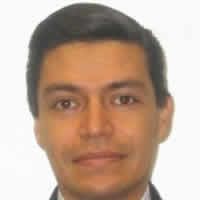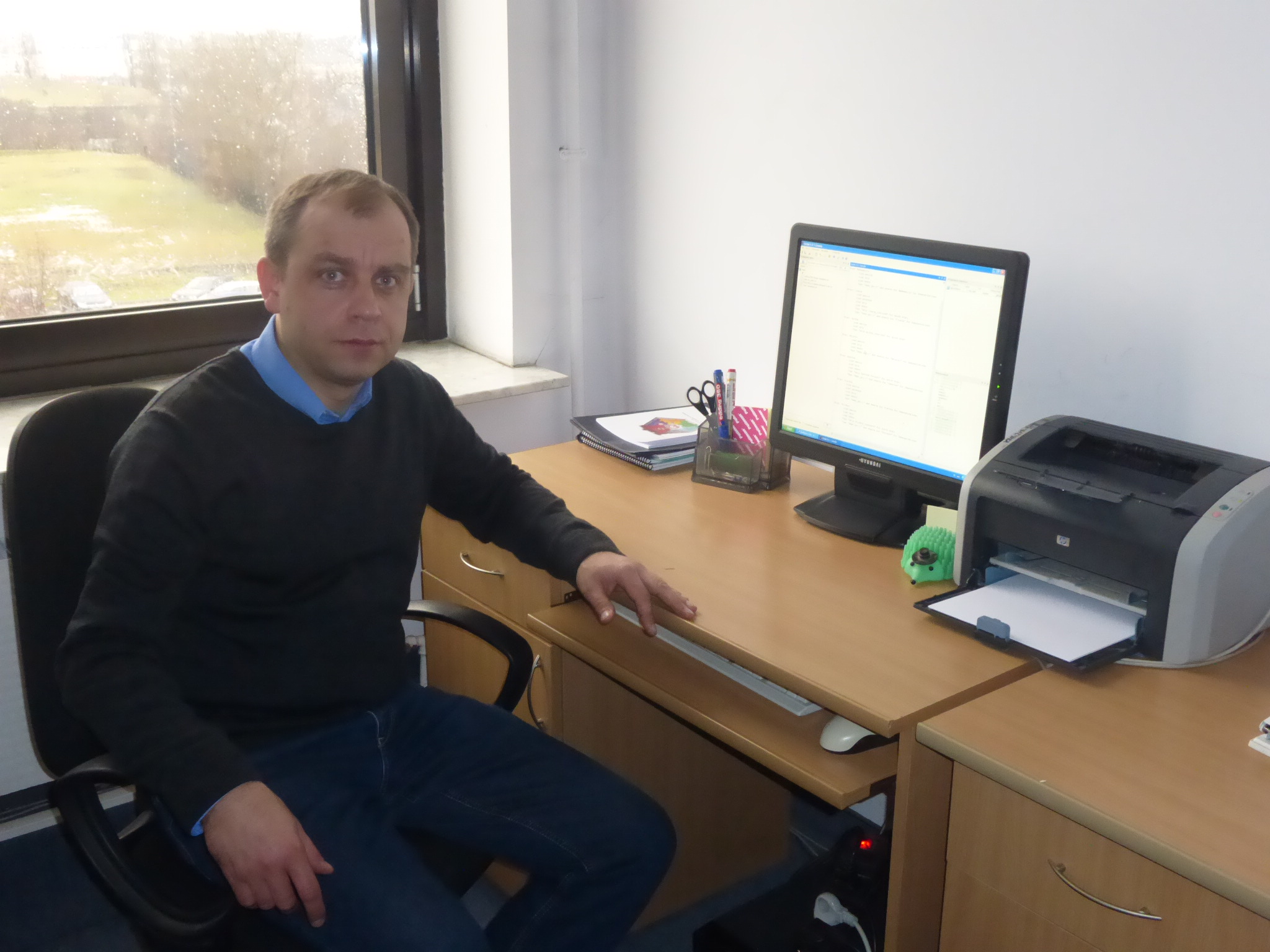
Dr. Edward Kozłowski is a Professor at the Department of Quantitative Methods in Management within the Faculty of Management at Lublin University of Technology. He holds consultations every Wednesday from 10:00 to 12:00 in room 20 of the New Oxford Connecting Building and can be reached via email at e.kozlovski@pollub.pl or through his personal website. Dr. Kozłowski earned his academic credentials through a rigorous path: completing his Master's degree in 1996 from the Faculty of Mathematics and Physics at Maria Curie-Skłodowska University, his PhD in 2002 at the Systems Research Institute of the Polish Academy of Sciences in Warsaw with a thesis on 'Optimization of investment portfolio taking into account the cost of information,' and achieving habilitation in 2019 from the same institution. His research focuses on optimal adaptive control for stochastic systems with random horizon and modeling decision support and control systems under uncertainty. This work spans stochastic optimization, machine learning applications, statistical modeling, and decision theory under uncertain conditions. Dr. Kozłowski's approach consistently bridges theoretical mathematical frameworks with practical applications in management contexts. Analysis of his recent publications (2017-2020) reveals a strong trend toward interdisciplinary applications of quantitative methods. His work spans pandemic response modeling, manufacturing optimization, water resource management, transportation systems analysis, and building diagnostics. The integration of machine learning techniques with traditional statistical approaches has become increasingly prominent in his recent research. Dr. Kozłowski teaches courses in forecasting and simulations, descriptive statistics, and mathematical statistics, emphasizing practical applications of quantitative methods in management. His teaching philosophy aligns with the Department of Quantitative Methods in Management's postgraduate studies in Data Analysis, which focuses on teaching statistical methods as practical tools rather than theoretical constructs. His collaborative research network includes frequent partnerships with Tomasz Rymarczyk, Grzegorz Kłosowski, Anna Borucka, and Dariusz Mazurkiewicz across diverse application domains. This collaborative approach has resulted in numerous publications in reputable journals and conference proceedings.