Kathrin Lang is a Full Professor at the Department of Chemistry and Applied Biosciences, ETH Zurich, and Head of the Organic Chemistry Laboratory. Her research focuses on chemical biology, particularly the development of tools for genetic code expansion to incorporate non-canonical amino acids into proteins and advance bioorthogonal chemistries for studying biological processes. Keywords: Genetic Code Expansion, Bioorthogonal Chemistry, Protein Engineering, Ubiquitylation Networks, Post-Translational Modifications. Lang’s work emphasizes proximity-triggered crosslinking reactions, bioorthogonal labeling, and in vivo chemistries to address challenges in protein interaction mapping and structural elucidation. Her group’s recent publications highlight methodologies for dual protein labeling, deciphering ubiquitin code, and enhancing cycloaddition reactivity. Current projects include exploring cyclopropene-fused dibenzocyclooctynes for improved labeling and investigating methylated lysine as a conformational regulator in Hsp90. Funding sources include the ERC (Ubl-tool), DFG (SFB1035, SPP1926), and ETH Zurich. She contributes to education through courses like Genetic Code Expansion for Studying Posttranslational Modifications and Chemical Biology and Synthetic Biochemistry . Collaborative efforts span structural biology, microbiology, and synthetic biochemistry, with applications in ubiquitin research and cellular imaging.
Ole Nørregaard Jensen is a Professor in Biomedical Mass Spectrometry and Systems Biology at the Department of Biochemistry and Molecular Biology, University of Southern Denmark . His research integrates advanced mass spectrometry, proteomics, and bioinformatics to study chromatin biology, post-translational modifications, and cellular signaling networks. He is actively involved in major research initiatives funded by Novo Nordisk Foundation and Lundbeck Foundation. His research interests include Mass Spectrometry, Proteomics, Posttranslational Modification, Histone Biology, Chromatin Biology, Bioinformatics, Systems Biology, Lipidomics, and Protein Chemistry . He employs cutting-edge techniques such as tandem mass spectrometry and ion mobility spectrometry to analyze protein isomers and dynamic modifications. His work has significant implications for understanding gene regulation, DNA replication, and disease mechanisms. His recent publications demonstrate a strong trend in chromatin dynamics, epigenetics, and integrated omics approaches , combining proteomics with transcriptomics and lipidomics to unravel complex biological systems. His research spans from fundamental molecular mechanisms to translational applications in biomedicine and food science. He has been recognized with several prestigious awards: MCP Lectureship Award Juan Pablo Albar Proteomics Pioneer Award 2019 EliteForsk 2009 prize Knight Order of Dannebrog (Ridder af Dannebrogordenen) Jensen is deeply involved in academic service, including peer review for journals like Nature Communications and Molecular and Cellular Proteomics , organizing conferences, and supervising students. He teaches courses such as Biomedical Mass Spectrometry - Principles and Applications and coordinates the Computational Biomedicine international Master’s program. He leads multiple active research projects, including PLATO and INTEGRA, focusing on health data, imaging, and protein networks. He is a key member of a vibrant research environment in biomedical mass spectrometry at SDU, contributing to both national and international scientific collaborations. His lab is at the forefront of developing and applying novel mass spectrometry methodologies for systems biology.
Wei-Chen Chang is an Associate Professor and the LORD Corporation Distinguished Scholar in the Department of Chemistry at NC State University. His research focuses on understanding enzymatic transformations in natural product biosynthesis, particularly those involving non-heme iron enzymes. He employs interdisciplinary methodologies including molecular biology, biochemical assays, and organic synthesis to explore reaction mechanisms and apply findings to drug discovery and chemo-enzymatic synthesis strategies. Education: Ph.D. Chemistry, University of Texas at Austin (2011) B.S. Chemistry, National Taiwan University (2003) Postdoctoral Research Fellow in Chemistry at Penn State University (2015) Research Interests: Chang’s lab investigates enzyme-catalyzed C-C and C-N bond formations, substrate selectivity in oxyfunctionalization reactions, and the mechanistic roles of iron-and 2-oxoglutarate-dependent oxygenases. Key projects include decoding the chemical logic behind unusual enzymatic reactions like isonitrile formation, cyclopropanation, and epoxidation, with a focus on their application in synthesizing therapeutically relevant molecules. Recent work highlights the discovery of novel enzymes and their roles in creating bioactive compounds such as antibiotics and anticancer agents. Recent Trends in Publications: His articles emphasize mechanistic studies of iron-dependent enzymes, particularly their ability to perform stereodivergent reactions and form non-canonical bonds. Key themes include substrate positioning effects, ferryl intermediate chemistry, and enzyme reprogramming for synthetic purposes. Contributions span diverse systems like Mycobacteria/Streptomyces biosynthesis, polyketide assembly, and lignan production, underscoring a focus on bridging enzymology with synthetic biology. Scientific Awards: 2020 ACS Academic Young Investigator Thomas Lord/LORD Corporation Distinguished Scholar Advising & Grants: Advises graduate students (e.g., Madison Davidson, Tzu-Yu Chen, Lide Cha) and postdoctoral researchers. Grants and funding support his lab’s exploration of enzyme mechanisms and applications in drug discovery. Labs & Teams: Chang leads the Chang Lab , a multidisciplinary group advancing enzymatic catalysis research. Collaborations span synthetic organic chemistry, biochemistry, and computational modeling to engineer novel enzymatic pathways and develop sustainable synthetic methods.
Jun Yin is an Associate Professor at Georgia State University's College of Arts & Sciences specializing in protein engineering, ubiquitin pathways, and cell signaling. He earned his PhD from the University of California at Berkeley and completed postdoctoral training at Harvard Medical School. His research focuses on developing orthogonal ubiquitin transfer systems to identify substrates of E3 ubiquitin ligases involved in diseases including cancer and neurodegeneration. His laboratory employs protein engineering techniques including phage display and yeast cell surface display to study ubiquitin-mediated protein degradation. Research interests include proteomic profiling of E3 ligase substrates, development of PROTAC therapeutics, and regulation of viral proteins through ubiquitination. Current projects investigate Parkin's role in SARS-CoV-2 infection and novel cancer therapies targeting Aurora kinases. Yin's publication record demonstrates consistent innovation in chemical biology tools for ubiquitin research, with recent advances in PROTAC design, peptide activators of ubiquitin ligases, and methodology for studying linkage-specific ubiquitination. His work bridges fundamental biochemistry with therapeutic applications in oncology and virology.
Anne de Jong is a researcher in the Molecular Genetics department at the University of Groningen, specializing in bioinformatics and computational biology. Her work focuses on developing user-friendly pipelines and web servers for integrating data mining and statistics, particularly in bacterial genetics and transcriptomics. She contributes to tools like BAGEL3, PePPER, and Genome2D, which aid in analyzing prokaryotic genome and transcriptome data. Her group utilizes Linux servers to manage large datasets from techniques such as Next Generation Sequencing and proteomics analysis. Her research interests include RNA folding, biospectroscopy, and translating big-data into biological knowledge. She has published extensively on bacteriocin detection, promoter prediction, and data visualization frameworks for prokaryotic systems biology.
Anne Claire Conibear is an Assistant Professor (Tenure Track) in Protein Chemistry at the Faculty of Technical Chemistry, TU Wien (Vienna University of Technology), Austria. She also holds an Honorary Research Fellow position at the School of Biomedical Sciences, The University of Queensland. Her research focuses on using protein and peptide chemistry tools to create site-specifically modified proteins to study post-translational modifications in biological processes. Dr. Conibear's research interests include: Protein and peptide chemistry Chemical biology Post-translational modifications Protein synthesis and semi-synthesis Structural biology NMR spectroscopy Her current research projects focus on understanding how posttranslational modifications of HMGN1 regulate DNA packaging and how phosphorylation regulates β-catenin in oncogenic signaling. She develops chemical tools to create specifically modified proteins that allow precise investigation of how these modifications affect protein structure and function. Dr. Conibear has received several prestigious awards including the Boulder Peptide Foundation Danho Young Investigator Award (2025) and multiple Career Track Awards from the University of Queensland. She supervises multiple PhD students and has successfully mentored several graduate students through their theses. Her teaching includes courses on biomolecule synthesis, bachelor seminars, and foundational chemistry laboratories at TU Wien.
Dr. Karim Rafie is an Assistant Professor in Molecular Pharmacology at the Faculty of Science and Engineering, University of Groningen. His research focuses on host-pathogen interactions, structural biology, and virology. He investigates viral entry mechanisms, enzymatic processes in posttranslational modifications (e.g., O-GlcNAc transferase), and drug delivery systems using extracellular vesicles. His work contributes to understanding infectious diseases, neurodegenerative mechanisms, and therapeutic development. Research Interests: - Structural biology of viral pathogens (e.g., adenoviruses) - Enzyme inhibitors and ligase activity modulation - Extracellular vesicle-based drug delivery - O-GlcNAc glycosylation and its biological roles Recent Articles: Dr. Rafie’s publications highlight advancements in viral capsid structure determination, enzymatic mechanisms (e.g., E3 ligases, O-GlcNAc transferase), and applications of extracellular vesicles in medicine. His 2025 studies address calcium signaling in neuronal death and inhalable dry powder formulations, reflecting his interdisciplinary approach to pharmacology and biomedicine. Labs/Teams: Affiliated with the Groningen Research Institute of Pharmacy, focusing on molecular pharmacology and structural enzymology.
Veit Stefan Schwämmle is an Associate Professor at the Department of Biochemistry and Molecular Biology, University of Southern Denmark. His work focuses on biomedical mass spectrometry and systems biology, with expertise in proteomics, bioinformatics, and computational modeling of multivalent histone modifications in gene regulation. Research Interests: His research combines statistical data analysis, Monte Carlo simulations, and advanced mass spectrometry techniques to study proteomics, posttranslational modifications, and their applications in biomedical contexts. Key areas include liquid chromatography-mass spectrometry, bottom-up proteomics, and privacy-preserving data analysis methods. Projects: He participates in EU Horizon Europe initiatives like ELIXIR-STEERS and ELIXIR-STREERS, focusing on research infrastructure and bioinformatics. His involvement in projects such as PROTEIN and Elixir Hub highlights his contributions to multicenter proteomics and data standardization. Activities: A seasoned lecturer, he has delivered presentations on computational proteomics, statistics, and bioinformatics in both academic and industry settings since 2012, emphasizing large datasets and analytical rigor.
Vladimir Gorshkov is a Lab Manager at the Department of Biochemistry and Molecular Biology, University of Southern Denmark, specializing in Biomedical Mass Spectrometry and Systems Biology . His research focuses on Proteomics , Mass Spectrometry , and Posttranslational Modification , with applications in neurodegenerative diseases, cancer therapy, and cultural heritage analysis. Lab Manager, Biomedical Mass Spectrometry and Systems Biology, SDU 46+ publications spanning 2010–2025 Research Trends : His recent work emphasizes ultra-fast proteomic analysis , MS/MS-free quantification , and neuroprotection mechanisms in Parkinson’s and chemotherapy-induced neuropathy. Collaborations span Denmark , Brazil , and International Partners . Scientific Activities : Presented at the 2023 EuBIC-MS conference on Negative Ion Mode Proteomics .
Dr. Anne Conibear is an Honorary Research Fellow at the School of Biomedical Sciences , University of Queensland . Her research focuses on understanding the role of post-translational modifications (PTMs) in regulating protein structure and function using chemical synthesis , NMR spectroscopy , and protein semi-synthesis techniques. PhD in Chemistry/Biochemistry, University of Queensland Postdoctoral fellowship in Vienna Current UQ Development Fellowship for independent research Her work leverages chemical biology tools to study PTMs like phosphorylation, sulfation, and palmitoylation, providing atomic-resolution insights into how cells dynamically respond to environmental cues. Recent publications highlight structural analysis of PTMs in Hsp90 , HMGN1 , and CD44 , alongside methodological advances in isotope labeling and ligation techniques . She has also contributed to venom peptide research and antimicrobial mechanisms . 2022: Australian Peptide Display Facility (ARC LIEF) 2020-2021: UQ Early Career Researcher Grant 2019-2022: CIL Research Grant 2019-2021: UQ Development Fellowship Dr. Conibear collaborates with industry partners like Syntab Therapeutics and CIL Research Program , while supervising research projects such as the 2024 Master Philosophy thesis on µ-Conotoxins . She actively participates in scientific outreach, including INDICAR cancer research initiatives .
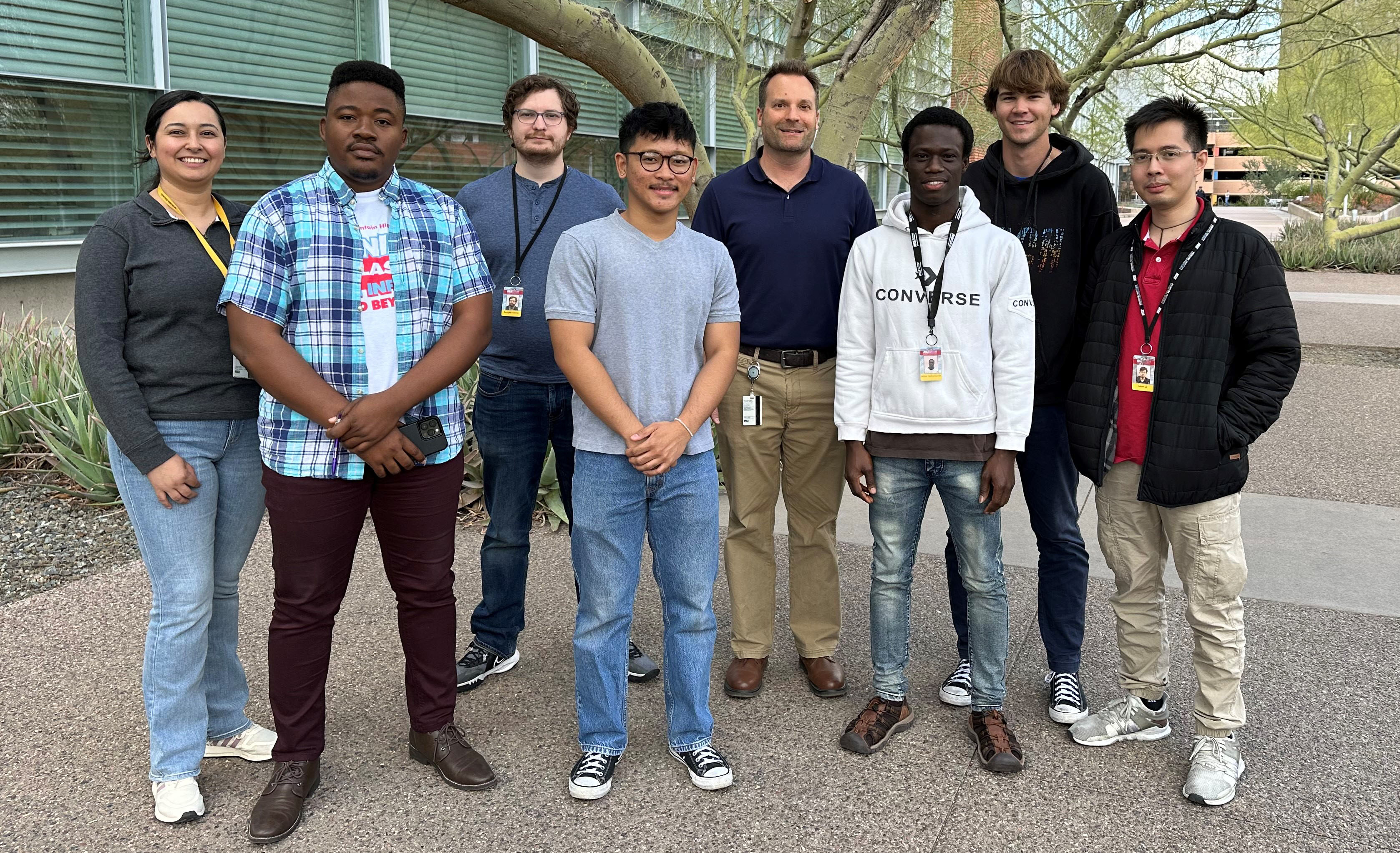
Chad Borges is an Associate Professor at Arizona State University (ASU) with joint appointments in the School of Molecular Sciences and the Biodesign Institute , specifically its Piper Center for Personalized Diagnostics. His work bridges analytical chemistry, biochemistry, and biospecimen science, with a focus on developing innovative techniques for glycan and protein posttranslational modification (PTM) analysis. He serves as a Health Solutions Ambassador for ASU’s College of Health Solutions. Education: Ph.D. in Analytical Toxicology, University of Utah (2001) B.S. in Chemistry, Walla Walla College (1997) Research Interests: Dr. Borges’ research centers on glycan node analysis for bottom-up glycomics, quantifying PTMs (e.g., oxidation, glycation) as disease or sample integrity markers, and designing time-temperature indicators for biospecimen preservation. His lab develops methods to detect artifactual molecular changes in clinical samples, such as S-cysteinylated albumin (ΔS-Cys-Albumin), which reveals thawed-state exposure. He also explores glycan alterations in extracellular vesicles and their role in cancer progression. Article Trends: His recent publications emphasize glycan node analysis for cancer diagnostics (lung, bladder), biospecimen integrity assessment via PTMs, and novel analytical methods using mass spectrometry. Collaborative studies with Mayo Clinic and others highlight glycan features as prognostic tools and the impact of storage conditions on clinical research reliability. Scientific Recognition: His 2019 tenure and promotion to Associate Professor at ASU underscore his contributions. Students in his lab have received awards such as the John Kacoyannakis Award (for analytical chemistry excellence) and the Royal Society of Chemistry Certificate of Excellence . Teaching & Advising: Dr. Borges mentors students in analytical chemistry and biochemistry, with recent advisees earning PhDs and Master’s degrees. His courses include Analytical Chemistry (CHM 325) and Research Techniques (BCH 392). Labs & Collaborations: The Borges Lab collaborates with the Mayo Clinic and operates at the Biodesign Institute . They are commercializing visual time-temperature indicators through CryoVeritas, Inc. , an ASU spin-off.
Pia Jensen is an academic staff member at the Department of Biochemistry and Molecular Biology at the University of Southern Denmark, specializing in Biomedical Mass Spectrometry and Systems Biology. Her research focuses on proteomics, post-translational modifications, and their roles in neurodegenerative diseases such as Parkinson's and Alzheimer's. Dr. Jensen's research spans several interconnected areas including proteomics, dopaminergic neuroscience, posttranslational modification analysis, glycoprotein and glycopeptide characterization, and neural stem cell biology. Her work particularly examines how protein modifications contribute to conditions like Parkinson's and Alzheimer's diseases, with emphasis on glycosylation patterns, neural differentiation, and cellular signaling pathways. Her recent publications demonstrate a strong focus on applying advanced proteomics techniques to understand neurodegenerative processes. Jensen's work connects protein modifications with neuronal function and disease mechanisms, particularly in Parkinson's and Alzheimer's diseases. She frequently collaborates with researchers across multiple institutions to investigate the molecular basis of these conditions using mass spectrometry and systems biology approaches. Scientific awards include: Årets unge forsker 2012 (Young Researcher of the Year 2012) from Parkinsonforeningen Travel Award for abstract submission to ASNTR meeting (2012) Travel Award for abstract submission to ASNTR meeting (2009) Dr. Jensen has served as a peer reviewer and participated extensively in academic activities including conference presentations and workshops. She led a project funded by A. P. Møller og Chastine Mckinney Møllers Fond in 2016 focused on insulin release signaling mechanisms in beta cells. Her research activities span neural transplantation, stem cell research related to Parkinson's disease, and molecular mechanisms of neurodegenerative disorders. As part of the Biomedical Mass Spectrometry and Systems Biology group at the University of Southern Denmark, Jensen applies advanced proteomics techniques to study neurodegenerative diseases and cellular signaling pathways. Her work integrates mass spectrometry with systems biology approaches to understand protein modifications in neurological conditions.
Aaron T. Smith is an Associate Professor in the Department of Chemistry & Biochemistry at the University of Maryland, Baltimore County (UMBC), where he leads an interdisciplinary research group focused on metalloprotein structure and function. His laboratory investigates crucial biological processes including protein translation, peptide posttranslational modification, nutrient uptake, and protein regulation, with particular emphasis on bacterial iron metabolism and eukaryotic protein modification pathways. Dr. Smith received his B.A. from Boston University in 2007, followed by his M.Sc. and Ph.D. from the University of Wisconsin—Madison in 2012. He completed postdoctoral training at Northwestern University in 2016 before joining UMBC's faculty. His educational background bridges chemistry and biology, providing the foundation for his interdisciplinary approach to metalloprotein research. Smith's research program centers on three major projects: (1) The Mechanism and Regulation of Post-Translational Arginylation, investigating how arginyltransferase 1 (ATE1) regulates cellular homeostasis through protein modification; (2) Pathogenic Ferrous Iron Uptake and Delivery, studying bacterial iron acquisition systems as potential antibiotic targets; and (3) Bacterial Ferrous Iron Sensing and Generation, exploring how pathogens sense and generate ferrous iron for virulence. His lab employs techniques spanning molecular biology, protein expression/purification, structural biology, spectroscopy, and anaerobic biochemistry. Analysis of his recent publications reveals a strong focus on metalloprotein structure-function relationships, particularly concerning iron metabolism in pathogens and post-translational modifications in eukaryotes. His work bridges fundamental biochemistry with potential therapeutic applications, especially in understanding bacterial virulence mechanisms and cellular stress responses. Dr. Smith has received numerous prestigious awards including an NSF CAREER Award (2019), an American Heart Association Career Development Grant (2019), and the Carl S. Weber Teaching Award (2023). He currently serves as Director of the T32 Chemistry-Biology Interface (CBI) Training Grant at UMBC (2022-present) and is an HHMI Gilliam Mentor (2022-2025). As an advisor, Smith has mentored multiple Ph.D. students to completion including Verna Van (2022) and Misti Cartwright (2025), along with numerous master's students and undergraduates. His lab has secured significant grant funding including an R35 MIRA from NIH-NIGMS. The Smith Lab maintains active collaborations with researchers at institutions including Johns Hopkins University, Temple University, and the University of Maryland School of Pharmacy. The Smith Lab at UMBC is an interdisciplinary group comprising chemists, biochemists, structural biologists, and spectroscopists working collaboratively at the chemistry-biology interface. The lab maintains strong connections with the broader scientific community through participation in national conferences, hosting visiting scholars, and contributing to symposia such as the Mid-Atlantic Frontiers in Metals and Medicine Symposium.
Dr. Paul Watt is an Adjunct Associate Professor in the School of Biomedical Sciences, Department of Microbiology and Immunology at The University of Western Australia. With an h-index of 16 and 1,169 citations, his research has made significant contributions to immunology, cancer research, and molecular biology. His research interests span several key areas including: T Cell Immunology and Microbiology Peptide-based therapeutics and vaccine development Oncogene and tumor suppressor pathways (particularly MYC and FOXO3a) Small molecule drug discovery Cell-penetrating peptides for drug delivery Regulatory element analysis Dr. Watt's publication record demonstrates a strong focus on translational research with applications in cancer treatment and infectious disease diagnostics. His recent work shows a clear trajectory toward developing novel therapeutic strategies, particularly in targeting tumor suppressor pathways and improving cancer vaccine efficacy. The diversity of his research is evident in both his biomedical work and his editorial contribution to musicology with 'The Oxford Handbook of Music and Intellectual Culture in the 19th Century'. Notable scientific contributions include: Research on MYC inhibition for triple-negative breast cancer (68 citations) Development of peptide libraries for small-molecule discovery in tumor-suppressor pathways Studies on cross-presentation mechanisms to improve peptide-based cancer vaccines Innovative work on SARS-CoV-2 detection methods during the pandemic Dr. Watt has secured substantial research funding from major organizations including the NHMRC National Health and Medical Research Council, Cancer Council WA, and the ARC Linkage Infrastructure Equipment Facilities. His collaborative approach is evident in his work across multiple institutions and research domains, contributing significantly to UN Sustainable Development Goals related to health and well-being.
Peter Sander is a Full Professor at the University of Zurich , leading the Institute of Medical Microbiology 's research group focused on Mycobacterium tuberculosis and Mycobacterium abscessus . His research spans virulence mechanisms, lipoprotein biogenesis, vaccine innovation, and antibiotic resistance. Key research areas include Posttranslational modification of mycobacterial lipoproteins Drug susceptibility and resistance mechanisms RNA metabolism as antibiotic target Recent publications highlight advancements in 3',6'-disubstituted spectinomycins for efflux resistance, Fidaxomicin derivatives with enhanced activity, and Mycobacterium abscessus resistance gene characterization. Collaborations span institutions in Switzerland, France, Italy, and the U.S. Scientific honors include the Young Investigator Award from the German Society for Hygiene and Microbiology (2002). Supported by grants from the Swiss National Science Foundation, European Commission, and industry partners. Students mentored include Ph.D. candidates at the University of Zurich. His lab investigates lipoprotein synthesis pathways and host immunity interactions , with implications for tuberculosis and nontuberculous mycobacteria therapies.