معرفی
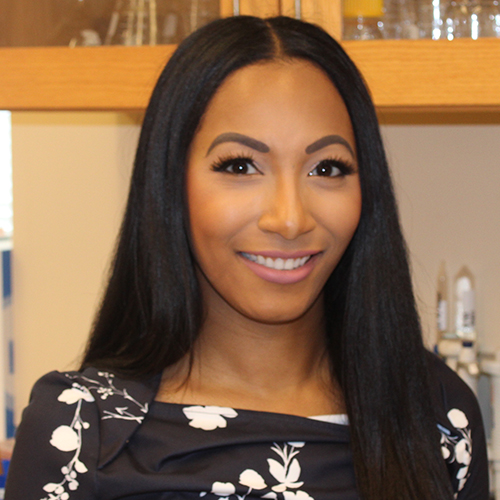
Aaron T. Smith is an Associate Professor in the Department of Chemistry & Biochemistry at the University of Maryland, Baltimore County (UMBC), where he leads an interdisciplinary research group focused on metalloprotein structure and function. His laboratory investigates crucial biological processes including protein translation, peptide posttranslational modification, nutrient uptake, and protein regulation, with particular emphasis on bacterial iron metabolism and eukaryotic protein modification pathways.
Dr. Smith received his B.A. from Boston University in 2007, followed by his M.Sc. and Ph.D. from the University of Wisconsin—Madison in 2012. He completed postdoctoral training at Northwestern University in 2016 before joining UMBC's faculty. His educational background bridges chemistry and biology, providing the foundation for his interdisciplinary approach to metalloprotein research.
Smith's research program centers on three major projects: (1) The Mechanism and Regulation of Post-Translational Arginylation, investigating how arginyltransferase 1 (ATE1) regulates cellular homeostasis through protein modification; (2) Pathogenic Ferrous Iron Uptake and Delivery, studying bacterial iron acquisition systems as potential antibiotic targets; and (3) Bacterial Ferrous Iron Sensing and Generation, exploring how pathogens sense and generate ferrous iron for virulence. His lab employs techniques spanning molecular biology, protein expression/purification, structural biology, spectroscopy, and anaerobic biochemistry.
Analysis of his recent publications reveals a strong focus on metalloprotein structure-function relationships, particularly concerning iron metabolism in pathogens and post-translational modifications in eukaryotes. His work bridges fundamental biochemistry with potential therapeutic applications, especially in understanding bacterial virulence mechanisms and cellular stress responses.
Dr. Smith has received numerous prestigious awards including an NSF CAREER Award (2019), an American Heart Association Career Development Grant (2019), and the Carl S. Weber Teaching Award (2023). He currently serves as Director of the T32 Chemistry-Biology Interface (CBI) Training Grant at UMBC (2022-present) and is an HHMI Gilliam Mentor (2022-2025).
As an advisor, Smith has mentored multiple Ph.D. students to completion including Verna Van (2022) and Misti Cartwright (2025), along with numerous master's students and undergraduates. His lab has secured significant grant funding including an R35 MIRA from NIH-NIGMS. The Smith Lab maintains active collaborations with researchers at institutions including Johns Hopkins University, Temple University, and the University of Maryland School of Pharmacy.
The Smith Lab at UMBC is an interdisciplinary group comprising chemists, biochemists, structural biologists, and spectroscopists working collaboratively at the chemistry-biology interface. The lab maintains strong connections with the broader scientific community through participation in national conferences, hosting visiting scholars, and contributing to symposia such as the Mid-Atlantic Frontiers in Metals and Medicine Symposium.