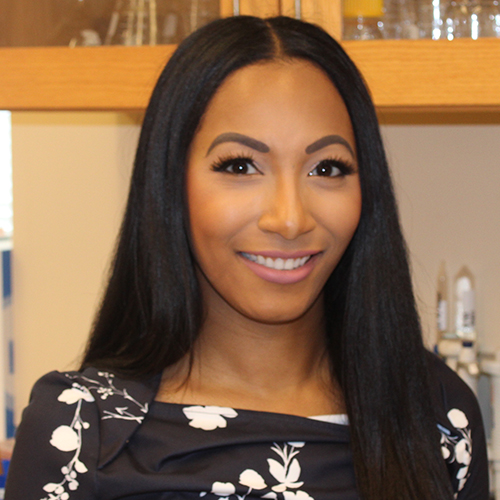
معرفی
Aaron T. Smith is an Associate Professor in the Department of Chemistry & Biochemistry at the University of Maryland, Baltimore County (UMBC), where he leads an interdisciplinary research group focused on metalloprotein structure and function. His lab bridges inorganic chemistry, biochemistry, and biophysics to investigate crucial biological processes involving metal ions.
Dr. Smith's educational background includes a B.A. from Boston University (2007), followed by M.S. and Ph.D. degrees from the University of Wisconsin-Madison (2012), and postdoctoral training at Northwestern University (2016).
His research focuses on three major areas:
- Post-Translational Arginylation: Investigating the structure and mechanism of arginyltransferase 1 (ATE1) and its role in protein modification, cellular homeostasis, and disease
- Pathogenic Ferrous Iron Uptake: Studying bacterial iron acquisition systems, particularly the Feo pathway in pathogens like Vibrio cholerae and Pseudomonas aeruginosa
- Bacterial Iron Sensing: Exploring how bacteria sense environmental iron through two-component systems like BqsRS/CarRS
Dr. Smith's recent publications reveal a strong focus on metalloprotein structure-function relationships, particularly in bacterial iron homeostasis and post-translational modification systems. His work combines structural biology, spectroscopy, and biochemical approaches to understand how metal ions contribute to protein function in both normal physiology and disease contexts. His lab has made significant contributions to understanding iron-sulfur clusters in arginyltransferase and the molecular mechanisms of bacterial iron uptake systems.
Among his notable scientific awards are:
- NSF CAREER Award (2019)
- American Heart Association Career Development Grant (2019)
- CNMS Early Career Faculty Excellence Award (2022)
- Carl S. Weber Teaching Award (2023)
- Career Center Impact Recognition Award (2025)
Dr. Smith actively mentors students at all levels, from undergraduates to postdoctoral researchers, and serves as Director of the T32 Chemistry-Biology Interface Training Grant. He teaches courses including Comprehensive Biochemistry I & II, Bioinorganic Chemistry, and Issues at the Chemistry-Biology Interface.
His laboratory, known as the "Smith Lab," is a diverse group of chemists, biochemists, structural biologists, and spectroscopists working collaboratively to understand the role of inorganic elements in biological settings. The lab has produced multiple PhD graduates and maintains active collaborations with researchers at other institutions.