معرفی
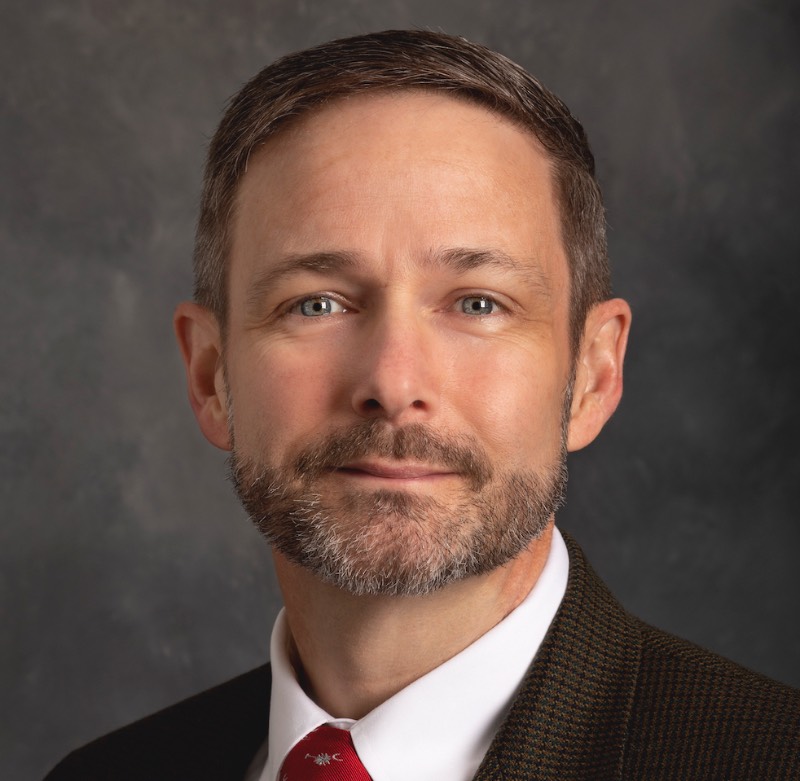
Nick Le Brun is a Professor of Biological Chemistry and Deputy Head of the School of Chemistry, Pharmacy and Pharmacology at the University of East Anglia (UEA). He holds positions as Director of the UEA Centre for Molecular and Structural Biochemistry. His academic journey began with a first-class BSc in Chemistry from UEA (1990), followed by a Wellcome Trust PhD Prize Studentship and Fellowship. He later held an EMBO Fellowship at Lund University (1996–1998) before returning to UEA as a Lecturer (1999–2006), progressing to Senior Lecturer, Reader, and finally Professor in 2011.
- Education:
- BSc Chemistry, First Class, UEA (1987–1990)
- PhD in Bioinorganic Chemistry, UEA (1990–1993)
- Research Interests: Focus on metalloproteins, particularly iron-sulfur clusters and bacterial metal regulation. Key areas include iron and copper trafficking, ferritin biomineralization, nitric oxide signaling, and bacterial gene regulation. His work bridges bioinorganic chemistry and microbiology, with applications to human health and microbial pathogenesis.
His research explores how bacteria handle essential metal ions (iron, copper), assemble metal-containing proteins, and manage oxidative/nitrosative stress. Notable contributions include studies on iron-sulfur cluster regulators (e.g., NsrR, RirA) and the role of ferritins in iron storage and detoxification. His studies use spectroscopic, biochemical, and structural methods, including native mass spectrometry.
Recent publications highlight advancements in understanding mitochondrial ferritin chemistry, iron-sulfur cluster assembly mechanisms, and nitric oxide sensing pathways. His work on the Joseph Chatt Award-winning research elucidated molecular mechanisms of bacterial gene regulation via iron-sulfur clusters.
- Awards: RSC Joseph Chatt Award (2018)
- Grants & Funding: BBSRC, Wellcome Trust, EPSRC, and collaborative grants for projects on metalloprotein assembly and environmental biotechnology.
Le Brun supervises PhD students in metalloprotein research and collaborates with institutions like the John Innes Centre and international labs. His leadership roles include editorial board positions for Journal of Inorganic Biochemistry and roles in national funding committees (e.g., BBSRC).