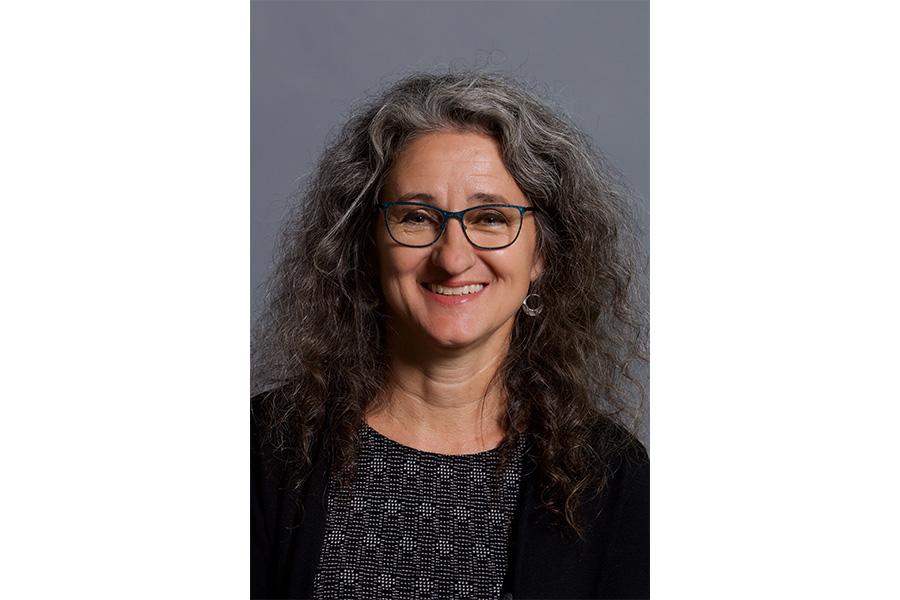
Moni Frickeمشاهده پروفایل
دانشیار
Dr. Moni Fricke is an Associate Professor in the Department of Physical Therapy at the College of Rehabilitation Sciences, Rady Faculty of Health Sciences, University of Manitoba. She joined the department in 1999 as a part-time instructor and transitioned to a full-time faculty role in August 2019, also serving as the Director of the Office of Interprofessional Collaboration. Academic Rank: Associate Professor Institution: University of Manitoba – Bannatyne Campus Contact: Room R030, 771 McDermot Avenue, Winnipeg, MB R3E 0T6 Email: moni.fricke@umanitoba.ca Education: PhD in Community Health Sciences, University of Manitoba (2016) MSc in Community Health Sciences, University of Manitoba (1998) Dr. Fricke's research centers on interprofessional collaboration, social accountability, and equity in health education and practice. Her work spans macro, meso, and micro levels, focusing on interprofessional education’s impact on patient-centered care, health equity in academic environments, and access to services for marginalized populations including refugees and First Nations communities. She is committed to decolonizing educational practices and advancing anti-racism in health professions training. Her scholarly contributions include over 38 publications and more than 96 national and international presentations, with 23 as an invited speaker. She actively contributes to professional development through committee work with organizations such as the Canadian Interprofessional Health Collaborative and the Association of Faculties of Medicine-Interprofessional Education Network. Awards and Recognitions: Medal of Distinction, Canadian Physiotherapy Association (2021) Susan A MacDonald Memorial Award, Manitoba Physiotherapy Association (2021) Student Teacher Recognition Award, University of Manitoba (2023) Multiple research and teaching grants from the University of Manitoba and external agencies (2018–2025) Dr. Fricke has secured significant grant funding for initiatives in interprofessional education, anti-racism training, refugee health care, and community-led physical activity programs. She has served as Principal Investigator and Co-investigator on projects addressing systemic inequities in health education and practice. Her leadership extends to journal and grant peer review, and she plays a key role in shaping national competency frameworks such as the CanMEDS26 update. She is actively involved in developing innovative teaching tools, including the conversion of interprofessional curriculum into open educational resources. Her work is supported by a strong network of interdisciplinary collaborators across health sciences and community organizations.