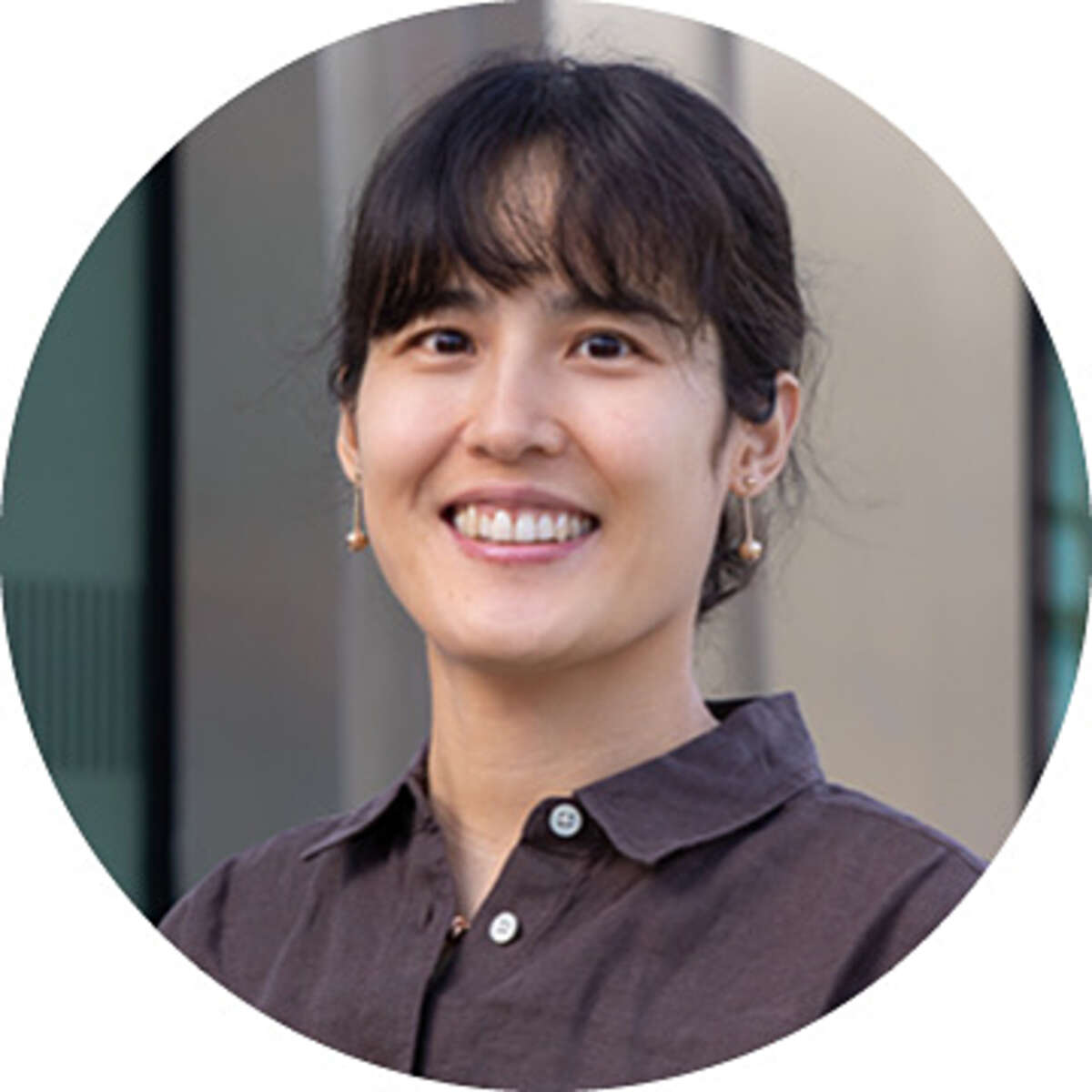
Serena Sanna, PhD , is a researcher at the Faculty of Medical Sciences of the University of Groningen, affiliated with the Groningen Institute for Gastrointestinal Genetics and Immunology (3GI) . She contributes to UN Sustainable Development Goals through work on genetics, microbiome, and complex disease mechanisms. Expert in genetics and microbiome research Specializes in genome-wide association studies and Mendelian randomization Research Focus : Host genetic regulation of gut microbiome composition, causal relationships between microbiome and diseases (e.g., endometriosis, hemorrhoidal disease), and integration of metabolomics with immune phenotypes. Her work involves large-scale biobank studies like the Lifelines Cohort . Scientific Awards : Donna di Scienza 2023 Prize Guido Dorso Prize (2018) Highly Cited Researcher (2018) ESHG Meeting Young Scientist Award (2008) Recent Publications : 2025 studies on MBL pathway/microbiome in endometriosis and age-related microbiome effects; 2024 works on hepatic fat genetics, diverticular disease comorbidities, and structural microbiome variation. Active in multi-omics and data integration methodologies.
Thomas J. Sharpton is a Professor in the Department of Microbiology and Department of Statistics at Oregon State University's College of Engineering. His research focuses on understanding the gut microbiome's role in health, ecology, and evolution through interdisciplinary approaches that combine computational, experimental, and analytical methods. Dr. Sharpton earned his Ph.D. from the University of California, Berkeley and his B.A. from Oregon State University in 2003. His educational background provides a strong foundation for his interdisciplinary research at the intersection of microbiology, statistics, and computational biology. Sharpton's research program centers on three interconnected areas: the microbiome's connection to health and behavior, the impact of exogenous factors on the gut microbiome, and the link between the gut microbiome and vertebrate ecology and evolution. His lab employs systems biology approaches to measure microbiome features and statistically model data to identify those linked to health. They also develop zebrafish as an experimental model to study environmental impacts on the microbiome and explore evolutionary connections across vertebrate species. Analysis of Dr. Sharpton's recent publications reveals a strong focus on using zebrafish models to investigate microbiome-environment interactions, particularly regarding climate change, toxicant exposure, and nutritional impacts. His work increasingly emphasizes computational approaches, including statistical modeling of microbiome data and multi-omics integration. The research spans human health applications, environmental impacts, and evolutionary perspectives on host-microbiome relationships. Dr. Sharpton's work is generously supported by major funding agencies including the National Institutes of Health, the National Science Foundation, and the United States Food and Drug Administration, along with the Morris Animal Foundation and the Oregon Agricultural Research Foundation. The Sharpton Lab manages the Microbiome Core Facility at OSU, which provides services for microbiome data generation and analysis. They value interdisciplinary collaborations, commercial partnerships, and open science practices, developing open-source software and offering training workshops in microbiome data analytics. The lab has processed thousands of samples spanning human, mice, and zebrafish associated microbiomes.
Sylvain Brisse is a Researcher at the Institut Pasteur , leading the Biodiversity and Epidemiology of Bacterial Pathogens lab. His work focuses on three major public health threats: multidrug-resistant Klebsiella pneumoniae , Bordetella pertussis (whooping cough), and Corynebacterium diphtheriae (diphtheria). Key Research Areas: Genomic epidemiology and population biology of bacterial pathogens Integrative approaches combining microbiology, proteomics, and bioinformatics Development of genomic nomenclature systems via BIGSdb-Pasteur Projects: Principal Investigator for the European Reference Laboratory for Public Health on Diphtheria and Whooping Cough Coordinator of the KlebNet One Health network for Klebsiella surveillance Lead for Genomic taxonomy initiatives establishing universal strain nomenclature Recent Publication Trends (2025-2022) demonstrate: 75% focus on Klebsiella pneumoniae genomics and resistance mechanisms 15% on Bordetella vaccine escape and disease severity 10% on Corynebacterium species evolution and toxin production
Michael Johansson serves as a Research Professor at Northeastern University's Roux Institute, maintaining offices in London, UK and Portland, ME. His work bridges public health research and operational response through advanced statistical and mathematical modeling of infectious diseases, with primary focus on vector-borne pathogens including dengue, Zika, chikungunya, and West Nile virus. Previously with the CDC in Puerto Rico for over a decade, he co-founded the Epidemic Prediction Initiative and led modeling efforts during Zika, COVID-19, and dengue emergencies. His research integrates biological, ecological, climatic, socioeconomic, and behavioral factors to understand disease emergence and transmission dynamics. Key methodologies include network-based forecasting models, climate-disease interaction analysis, and development of early warning systems. Current work emphasizes improving surveillance, burden estimation, and control strategy evaluation for arboviral diseases through quantitative tools. Recent publications demonstrate expertise in dengue synchronization across the Americas, West Nile virus forecasting, and addressing biases in mobility data for outbreak modeling. His work spans from molecular-level antibody response analysis to global risk mapping, consistently emphasizing operational implementation of research findings. Johansson actively contributes to public health practice through conference presentations including the 2025 American Mosquito Control Association Annual Meeting. His modeling frameworks have directly informed CDC emergency responses and the development of collaborative forecasting initiatives that pioneer open, transparent disease prediction.
Natasa Miskov-Zivanov is an Assistant Professor at the University of Pittsburgh where she leads the MeLoDy Lab (Mechanistic, Logical, and Dynamic Modeling). She holds a PhD in Electrical and Computer Engineering from Carnegie Mellon University and conducts interdisciplinary research at the intersection of computational methods and biological systems. Her education includes: PhD in Electrical and Computer Engineering, Carnegie Mellon University (2009) MS in Electrical and Computer Engineering, Carnegie Mellon University (2005) BS in Electrical Engineering and Computer Science, University of Novi Sad (2003) Her research focuses on developing computational frameworks and tools for biological systems modeling. Primary interests include: Automated knowledge extraction from biomedical literature Dynamic network modeling of cellular signaling pathways Development of standardized knowledge representation formats (BioRECIPE) Hybrid modeling approaches for complex biological systems Applications in cancer systems biology and immunology Her publications demonstrate consistent focus on computational biology methods development, with recent work emphasizing: Context-aware knowledge selection systems Automated model assembly from literature Biomedical text mining frameworks Hybrid multi-resolution modeling Standards for executable biological models She leads several funded research initiatives including DARPA's Big Mechanism program (AIMCancer W911NF-17-1-0135) and University of Pittsburgh-supported projects. Her lab develops open-source tools like CLARINET, ACCORDION, and VIOLIN that facilitate biological network modeling and knowledge extraction.
PD Dr. Evangelos D. Karousis is a Junior Group Leader and Lecturer at the Department of Chemistry, Biochemistry and Pharmacy at the University of Bern. He leads the Karousis Lab focused on mRNA translation mechanisms in health and disease, with particular emphasis on cell-free translation systems. His research is affiliated with the Multidisciplinary Center for Infectious Diseases (MCID) and the Swiss National Center of Competence in Research (NCCR) RNA & Disease. Dr. Karousis's research focuses on understanding the molecular mechanisms of mRNA translation, particularly how viruses like coronaviruses manipulate host translation machinery. His work combines biochemical approaches , cell-free translation systems , and structural biology to investigate viral pathogenesis and host defense mechanisms. Key areas include: Cell-free translation from diverse human cell types Coronavirus Nsp1 protein mechanisms mRNA degradation pathways Viral RNA structures and translation regulation Host-pathogen interactions at the molecular level His recent publications demonstrate a strong focus on developing innovative cell-free translation systems and understanding coronavirus mechanisms. The work shows a clear trajectory toward developing broad-spectrum antiviral strategies based on fundamental insights into viral manipulation of host translation. Scientific recognition includes: Lecturer of the Year award from the Biology department at University of Bern Dr. Karousis actively mentors the next generation of scientists through his research group and teaching responsibilities. His lab collaborates extensively with Prof. Dr. Oliver Mühlemann's group and participates in the NCCR RNA & Disease network, receiving support from Swiss National Science Foundation funding. The Karousis Lab maintains active engagement with the international RNA biology community through conferences, workshops (including the annual Kandersteg RNA meetings), and collaborative projects. The lab's "cell-free translation enthusiast" approach has positioned it at the forefront of developing innovative methods for studying translation mechanisms.
Kristen W. Lynch, PhD, is the Benjamin Rush Professor of Biochemistry and Chair of the Department of Biochemistry and Biophysics at the Perelman School of Medicine, University of Pennsylvania. She leads research at the Lynch Lab and co-directs the Institute for RNA Innovation , focusing on RNA processing mechanisms in human immune responses. Education: Harvard University (B.A. 1990, Ph.D. 1996) Postdoctoral Training: University of California, San Francisco (1997-2001) Her work bridges RNA splicing , alternative polyadenylation , and gene regulation in immune cells and cancer. She discovered kinase pathways controlling RNA-binding protein (RBP) activity and demonstrated how antigen stimulation and viral infections reprogram splicing networks to modulate immunity. Collaborative studies with oncologists revealed splicing defects phenocopying genetic mutations in leukemias and identified therapeutic vulnerabilities in RNA processing . Her recent publications highlight TREX-2 complex in mRNA export, hnRNP L repressing cryptic exons, and DDX39B structural analysis . Collaborations span RNA-Seq , splicing codes , and epithelial cell post-transcriptional programs . She explores spliceosomal assembly mechanisms and signal-responsive RBPs in T cells and influenza pathogenesis.
Qibin Zhang is a Professor of Chemistry and Co-Director of the Center for Translational Biomedical Research at the University of North Carolina at Greensboro (UNCG), where he leads the Zhang Research Group in the Department of Chemistry & Biochemistry within the College of Arts and Sciences. His laboratory develops cutting-edge mass spectrometry technologies for proteomics, lipidomics, and metabolomics with applications in disease biomarker discovery and clinical diagnostics. Dr. Zhang's primary research interests focus on developing more accurate, sensitive, and higher throughput measurement capabilities for biomolecules. His work centers on three main areas: Proteomics : Temporal plasma proteomics for Type 1 diabetes progression, cell-specific and spatial tissue proteomics, immunopeptidome analysis for novel T1D autoantigens, antimicrobial peptides, and glycated proteome in diabetic complications Lipidomics : Tissue-specific global lipidomics, high-resolution ozone-induced dissociation mass spectrometry, advanced analysis of glycosphingolipids, and lipid glycation in diabetes Metabolomics : Tryptophan catabolism, oxylipins and inflammation, fatty acid and energy metabolism, and chemical isotope labeling-based metabolomics Analysis of Dr. Zhang's recent publications (2022-2024) reveals a strong focus on translational biomedical applications, particularly in diabetes research and exercise physiology. His work demonstrates expertise in both method development (improved mass spectrometry techniques, data processing software) and biological applications (disease mechanisms, nutritional interventions). The research consistently bridges analytical chemistry with clinical applications, showing particular strength in spatial proteomics and lipidomics approaches. Dr. Zhang teaches advanced analytical chemistry courses including CHE 632/732 Advanced Analytical Chemistry, CHE 633/733 Bioanalytical Chemistry, and CHE 431/531 Instrumental Analysis. His laboratory is equipped with state-of-the-art instrumentation including Thermo QExactive HF, TSQ Quantiva, LTQ-Orbitrap with ETD, nano-LC and UPLC systems, and a Leco GC-TOF mass spectrometer. The Zhang Research Group currently includes four postdoctoral research fellows working across various aspects of proteomics, lipidomics, and metabolomics research.
Sarah A Stanley, MBBCh, PhD is a faculty member at the Icahn School of Medicine at Mount Sinai, where she leads the Stanley Laboratory. Her research spans multiple disciplines at the intersection of neuroscience, diabetes, and molecular biology, with significant contributions to understanding the neuroendocrine regulation of metabolism. Education: BA, University of Cambridge BChir, University of Cambridge MB, University of Cambridge PhD, Imperial College, London University Dr. Stanley's research focuses on three primary areas: pioneering the use of radio waves and magnetic fields to stimulate individual cells and neurons (radiogenetics and magnetogenetics); developing nanoparticles in bioengineered murine models for preclinical applications; and advancing understanding of the interaction between central and peripheral systems in appetite control and diabetes. Her work represents a unique integration of engineering approaches with fundamental neuroscience and metabolic research. Her publications demonstrate a strong trajectory in neuroendocrine research with applications to diabetes treatment, showing increasing sophistication in techniques from molecular biology to advanced neural modulation approaches. The research shows particular strength in translating basic science discoveries into potential therapeutic applications. Scientific Awards: 2016 Alexander and Alexandrine Sinsheimer Scholar Award 2016 Dr. Harold and Golden Lamport Research Award 2015 Cell Symposia: Engineering the Brain International Travel Award Darwin Prize in Experimental Natural Sciences Arthur Burrows Prize (Dermatology) James Anderson Prize (Medicine and Surgery) Dr. Stanley's laboratory is currently funded by The National Institutes of Health and American Diabetes Association, working in close collaboration with colleagues across Mount Sinai and partnerships with Professor Jeffrey Friedman at Rockefeller University and Professor Jonathan Dordick at Rensselaer Polytechnic Institute. Her research program demonstrates strong institutional support and strategic collaborations that enhance the impact of her work. The Stanley Laboratory operates across multiple facilities at Mount Sinai, including locations in the Annenberg Building and Atran Berg Laboratory Building, reflecting the interdisciplinary nature of her research that bridges neuroscience, engineering, and metabolic medicine.
Jesse R. Dixon, M.D., Ph.D., is an Associate Professor at the Gene Expression Laboratory of the Salk Institute for Biological Studies in La Jolla, California. His research explores 3D genome architecture, chromatin organization, and gene regulation mechanisms, with implications for cancer and developmental disorders. He employs cutting-edge genomic technologies like Hi-C and single-cell multi-omics to investigate how chromosomal rearrangements impact gene expression. Dr. Dixon's work focuses on: Topological Domains (TADs) and their role in enhancer-promoter communication Haplotype phasing using chromatin conformation data Structural variant-driven oncogene activation in cancer Single-cell mapping of chromatin and DNA methylation dynamics His publications consistently demonstrate innovations in 3D genome analysis, particularly in neurobiology and oncology contexts, with recurring themes of chromatin topology, epigenetic regulation, and computational genomics. Awards & Honors: Pew Biomedical Scholar (2024) Helmsley Salk Fellow He mentors graduate and postdoctoral researchers in genomics and computational biology, with current projects on chromatin dynamics in cancer and development. The Dixon Lab actively develops novel methodologies for studying genome architecture.
Jessica F Brinkworth is an Associate Professor at the University of Illinois at Urbana-Champaign's Department of Anthropology within the College of Liberal Arts & Sciences. She directs the Evolutionary Immunology and Genomics Lab while holding affiliations with the Carl R. Woese Institute for Genomic Biology, Department of Evolution, Ecology and Behavior, and Center for Social and Behavioral Sciences. Research focuses on evolutionary immunology, human immune variation, and host-pathogen interactions Active in community-based health initiatives like LHEAP Recipient of NSF and sustainability grants Education: PhD in Anthropology (2012) from City University of New York Graduate Center. Her research explores why certain individuals develop severe infections through evolutionary, ecological, and social lenses. The lab investigates primate immune system evolution, pandemic-driven genomic changes, and occupational impacts on innate immunity, with specific attention to sepsis, plague, pneumonia, Toxoplasma, and SARS-CoV-2. Recent publications show thematic focus on pandemic ecology, evolutionary trade-offs in immunity, and social determinants of health. Lab members include PhD students Grace Shaw, Abby Long, and Brett Stallone-Dwyer working on stress-epigenetics, trauma immunology, and neural reward systems in physical activity. 2021 LAS Impact Award for community pandemic response NSF BCS-1750675 Grant recipient 2019 Gabriel W. Lasker Award winner The lab pioneers sustainability initiatives like SUPER Labs, reducing plastic waste in research environments, and operates the Carbon Garden at Davenport Hall.
Kizzmekia S. Corbett-Helaire is an Assistant Professor of Immunology and Infectious Diseases at Harvard T.H. Chan School of Public Health and a Howard Hughes Medical Institute Freeman Hrabowski Scholar. She holds a Radcliffe Institute Shutzer Assistant Professorship and Ragon Institute associate membership. Education: BSc in Biological Sciences (University of Maryland), PhD in Microbiology and Immunology (University of North Carolina) Her research focuses on viral immunology and vaccine development for pandemic preparedness, particularly targeting coronaviruses, influenza, and other respiratory viruses. She led the development of mRNA-1273 (Moderna's SpikeVax) against SARS-CoV-2, which achieved 94.1% efficacy in Phase 3 trials and received global authorization. Recent publications highlight her work on MERS-CoV spike antigens , mRNA vaccine structural serology , and nanoparticle-based vaccine platforms . These studies span viral immunology, protein engineering, and pandemic response strategies. Scientific accolades include: Golden Goose Award (2020) Theodore Roosevelt Government Leadership Award (2020) Hans Sigrist Prize (2024) Benjamin Franklin NextGen Award (2021) Clinton Global Citizen Award (2021) She mentors postdoctoral fellows and graduate students (including Connor Eastman, Megan Garcia, and Hannah Matthews) while advocating for STEM education in underserved communities. Her lab operates in FXB Building, Room 425, Boston, MA.
Dr. Curtis Huttenhower is a Professor of Computational Biology and Bioinformatics at Harvard T.H. Chan School of Public Health , with dual appointments in the Department of Biostatistics and Department of Immunology and Infectious Diseases . His research focuses on computational methods for microbial community analysis, human microbiome public health implications, and machine learning applications in genomics. Education: B.S. (2000) from Rose-Hulman Institute of Tech, M.S. (2003) from Carnegie Mellon, Ph.D. (2008) from Princeton Major grants: NIH R21CA299494 (cancer virome), U24HL175772 (HVP consortium), OT2CA297578 (early-onset colorectal cancer prevention) His work spans functional metagenomics , microbiome diagnostics , and structured biological knowledge in machine learning . Recent studies include strain-level microbiome mapping and microbiome links to depression, diabetes, and cardiovascular disease . He contributes to open-source tools like MaAsLin and WAAFLE , and leads the Human Microbiome Project sub-cohort for inflammatory bowel disease microbiome characterization.
Yuping Li is a Tenure-track Assistant Professor at the Biozentrum, University of Basel, where she leads a research group focused on the genetics and evolution of bacteria-jumbophage interactions. She was appointed in 2024 and received an SNSF Starting Grant the same year. Her research explores the unique biology of jumbophages—phages with large genomes and eukaryote-like properties—and their co-evolution with bacterial hosts, particularly the Pseudomonas phage phiKZ and the bacterial 'jumbophage killer' (Juk) immune systems. Nationality: Chinese Current Position: Tenure-track Assistant Professor, University of Basel, Biozentrum (since 2024) Previous Position: Postdoctoral Researcher, University of California, San Francisco (2019–2024) Visiting Scientist: EMBL, Heidelberg (2022–2023) Her research interests center on molecular microbiology, bacteriophage biology, bacterial immunity, and evolutionary genetics . She investigates how jumbophages form protective 'nuclei' inside bacterial cells to evade host defenses and how bacteria have evolved counter-mechanisms like the Juk system. This work combines genetics, microscopy, biochemistry, and structural biology to understand infection dynamics and evolutionary arms races. The ultimate goal is to harness jumbophages in fighting antibiotic-resistant bacteria. The recent publications show a strong trend in phage-host interactions, anti-CRISPR mechanisms, microbial evolution, and systems-level analysis of adaptation . Her work bridges fundamental virology with applied antimicrobial strategies, often using high-throughput sequencing, proteomics, and mathematical modeling. Articles span top journals like Cell , Nature Communications , and PLoS Biology , reflecting interdisciplinary impact. Scientific Awards: SNSF Starting Grant (2024) Postdoctoral Independent Research Grant, Program for Breakthrough Biomedical Research, UCSF (2021–2022) CEHG Predoctoral Fellowship, Stanford University (2018–2019) Genentech Foundation Predoctoral Fellowship (2016) Outstanding Student Scholarship (2007–2011) Yuping Li advises PhD students and postdoctoral fellows, including Elena Kaube, Dr. Marina Mahler, and Dr. Sam van Beljouw. Her group is supported by competitive grants such as the SNSF Starting Grant. She collaborates with leading scientists like Dr. Joseph Bondy-Denomy (UCSF) and Dr. Nassos Typas (EMBL). Her lab employs cutting-edge techniques in genetics, proteomics, and structural biology to dissect phage infection and bacterial immunity mechanisms. Her research group is part of the Biozentrum at the University of Basel, a leading institution in life sciences, and she is affiliated with the NCCR AntiResist initiative, focusing on antimicrobial resistance solutions.
Alan R. Davidson is a Professor in the Department of Biochemistry at the University of Toronto. His research focuses on bacteriophages (phages) and their interactions with bacterial CRISPR-Cas systems, with applications in human health, genome editing, and antibiotic alternatives. He has made groundbreaking discoveries in anti-CRISPR proteins and phage-derived biological tools. Discovered first phage-encoded CRISPR-Cas inhibitors Investigates phage structural biology and assembly Studies prophage impacts on bacterial pathogenesis Develops phage-related entities for microbiome manipulation Davidson's lab combines structural biology (X-ray crystallography, NMR, cryo-EM) with molecular biology and microbiology to explore these systems. His work has been recognized with the Sela Cheifetz Award (2015). He teaches advanced biochemistry courses including BCH473Y Advanced Research Project in Biochemistry and BCH2112 From chaperones to CRISPR-Cas: the incredible genius of phages . His recent research trends include: CRISPR-Cas inhibition mechanisms Phage structural protein evolution Anti-CRISPR functional diversity Prophage-host physiological interactions Therapeutic applications of phage entities Scientific Awards: Sela Cheifetz Award (2015) Davidson's lab serves as a training ground for students, emphasizing interdisciplinary techniques in structural biology, molecular biology, and microbiology to tackle complex phage-bacteria interactions.