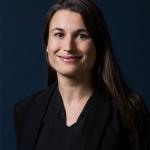
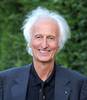
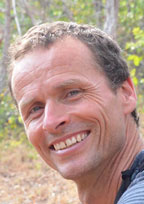
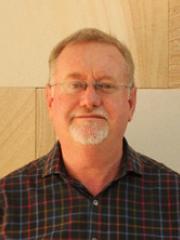
Pascale Ricard is a Research Fellow affiliated with CERIC (Centre d'études et de recherches internationales et communautaires) under the UMR DICE (Droits International, Comparé et Européen) at Aix-Marseille University. Her work focuses on the intersection of International Law , Environmental Law , and Marine Biodiversity , particularly in areas beyond national jurisdiction. Key Research Themes: UNCLOS, BBNJ Agreement, Marine Protected Areas (MPAs), Climate Change Law, and Sustainable Development. Affiliations: Institut de recherche en droit international et européen de la Sorbonne, Université Jean Moulin Lyon 3, Université de Bretagne Occidentale, and Université Paris 1 Panthéon-Sorbonne. Pascale Ricard has contributed extensively to debates on marine environmental governance , emphasizing legal frameworks for seabed resource exploitation, climate change mitigation, and transboundary biodiversity protection. Her recent work includes the 2023 BBNJ Agreement legal analysis and studies on planetary boundaries in international law. Her publications address scientific advisory processes , such as the ITLOS 2024 advisory opinion on climate change, and interdisciplinary challenges in the PROTEUS and SEPIA projects. She collaborates with scholars like Kiara Neri and Sophie Gambardella on climate-maritime law intersections.
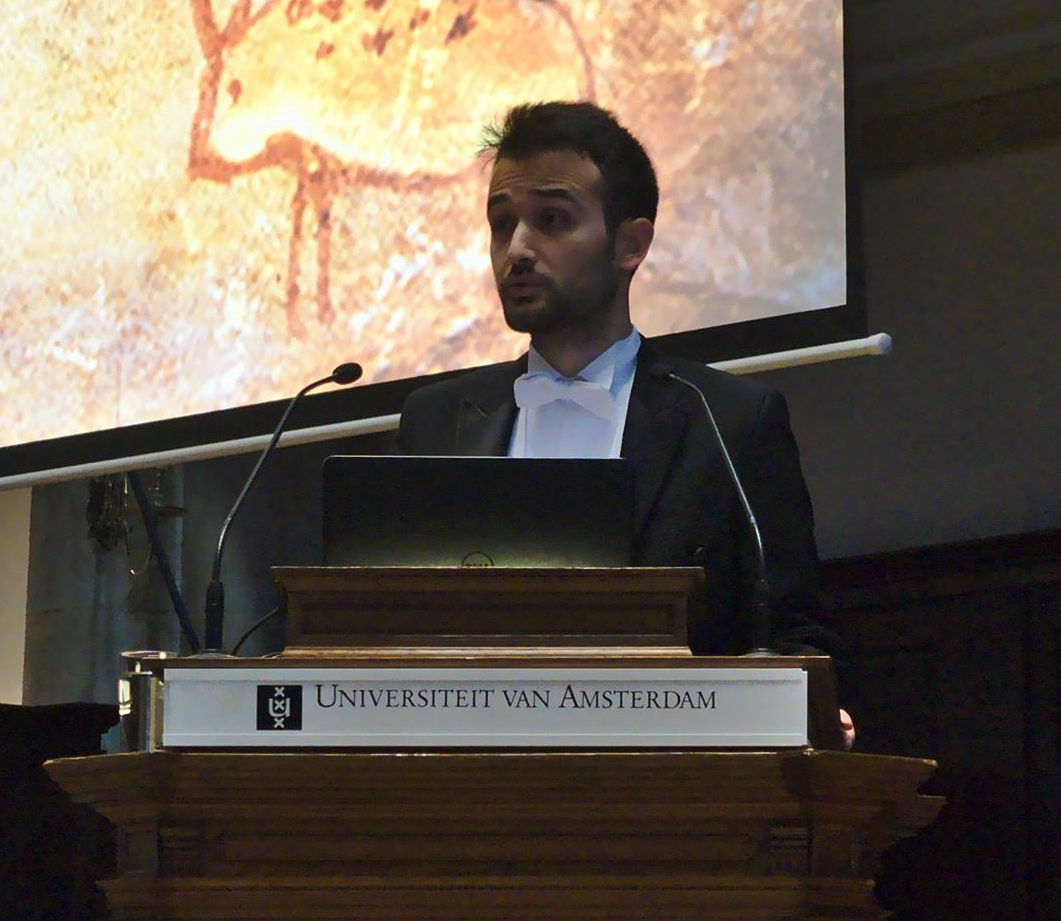
Sezer Karaoglu is a Lecturer and part-time postdoctoral researcher at the Computer Vision Group, Informatics Institute, University of Amsterdam. He is also the CTO and Co-Founder of 3DUniversum, a technology spin-off of the University of Amsterdam that provides state-of-the-art 2D/3D computer vision solutions. Additionally, he has co-founded other startups including Scanm and 3DHealthScan. Dr. Karaoglu received his PhD from the Computer Vision Group, Informatics Institute, University of Amsterdam, with research funded by the COMMIT project. His educational background includes a double master's degree: an optics, image and vision master's degree from University Jean Monnet in France and a media technology master's degree from Gjovik University College in Norway. He completed his undergraduate studies with honors at Istanbul Technical University in Telecommunication Engineering. His research focuses on Artificial Intelligence and 3D Computer Vision, with specific interests in SLAM, re-localization, 3D reconstruction, 3D object detection and segmentation, synthetic media, generative AI, deep fake creation and detection, and VR/AR technologies. His work has significant applications in healthcare, particularly in using deepfake technology for therapy for victims of sexual violence-related PTSD and moral injury, as documented in a Frontiers in Psychiatry article. Analyzing his recent publications reveals a strong trend toward neural scene reconstruction, intrinsic image decomposition, and the application of diffusion models to computer vision problems. His research increasingly integrates 3D scene understanding with language models, as evidenced by his work on language-to-3D scene generation. The applications span from healthcare (deeptherapy.ai) to media authenticity (deepfake detection) and industrial applications. ICT.OPEN Poster Award (3rd Position), Oct'13 Pascal VOC'12 Classification challenge, 2nd Position, Sep'12 Pascal VOC'12 Detection challenge, 3rd Position, Sep'12 Best project award at Nokia and CIMET project competition Outstanding reviewer at CVPR'21 PROVADA Future Startup Battle winner Best Dutch AI startup by Valuer Dr. Karaoglu has supervised numerous PhD, Master's, and Bachelor's students, demonstrating his commitment to academic mentorship. His research has attracted significant media attention, with features on Dutch national TV programs including NPO, VPRO, RTL, and international outlets like BBC News. He has received research funding through the COMMIT project during his PhD studies and has successfully translated his research into commercial applications through his startups. His work on deepfake technology has been applied in innovative therapeutic contexts through DeepTherapy.ai, showing the real-world impact of his research. Dr. Karaoglu leads research efforts at the Computer Vision Group Amsterdam and through his company 3DUniversum, which has developed applications like weScan, DeepTherapy, and FairFake.ai. His team collaborates with various institutions including the Netherlands Film Academy for grief therapy applications using deepfake technology. The DeepTherapy project represents a particularly impactful application of his work, using deepfake technology to help victims of sexual violence confront perpetrators in therapeutic settings.
Mathieu Bunel is a Lecturer in Economics at the University of Burgundy . His research focuses on labor economics, discrimination, experimental economics, and public policy, with a particular emphasis on testing biases in housing, employment, and leisure markets. Institution: University of Burgundy Email: mathieu.bunel@ube.fr Research Interests : Bunel specializes in detecting and analyzing discrimination through experimental methods. His work explores: Labor market biases related to addresses and origins Housing market fairness and tenant selection Impact of public employment agency accessibility Moral and profit-driven discrimination in markets Spatial and neighborhood-based employment barriers Collaborations & Publications : He frequently collaborates with Elisabeth Tovar, Pascale Petit, and Yannick L’Horty on quasi-experimental studies, publishing in journals like Applied Economics and Revue Economique . His methods include experimental vignettes and survey experiments to quantify discriminatory practices.
Dr. Marie Kawthar Daouda serves as a Stipendiary Lecturer in French at Oriel College, University of Oxford, where she teaches both literature and language courses across the undergraduate curriculum. Her academic work is situated within the French Department of Oxford's Faculty of Medieval and Modern Languages, one of the leading language departments in the UK. Dr. Daouda completed her academic training in French and English literature at La Sorbonne and the Université de Bretagne Occidentale. She earned her PhD with a thesis titled "L'Anti-Salomé, représentations de la féminité bienveillante au temps de la Décadence (1850-1920)", which was published as a monograph by Oxford, Peter Lang in 2020. Her second book project, "La Prière désespérée, de Baudelaire à Bernanos", is forthcoming from Garnier, continuing her exploration of spiritual dimensions in French literary tradition. Dr. Daouda's research focuses on challenging conventional understandings of femininity in literary history, particularly examining benevolent feminine figures in fin-de-siècle novels who counter the dominant "femme fatale" stereotype. Her work spans multiple interdisciplinary domains including the evolution of exoticism and orientalism from the Napoleonic era to the Third Republic, intersections between visual arts and literature, children's literature of the Second Empire, and the religious dimensions of literary works from the late 18th century through the 1930s. She demonstrates particular expertise in the literary movements of Naturalism, Decadence, and Symbolism and their complex interrelationships. Her scholarly publications reveal a consistent engagement with French literary traditions from the 19th and early 20th centuries, with special attention to Baudelaire's enduring influence, the reinterpretation of classical myths and fairy tales, and the complex relationship between religious thought and literary production. Dr. Daouda's research methodology demonstrates remarkable interdisciplinary breadth, connecting literary analysis with historical, theological, psychological, and gender studies perspectives to examine how literary figures negotiate authority, legitimacy, and creative expression within specific historical contexts. Monograph: "L'Anti-Salomé, Représentations de la féminité bienveillante au temps de la Décadence (1850-1920)", Oxford, Peter Lang, 2020 Monograph (forthcoming): "La Prière désespérée, de Baudelaire à Bernanos", Paris, Garnier As an educator, Dr. Daouda teaches across the full undergraduate curriculum at Oxford, covering Prelims Papers I-IV and Finals Papers I, II, VIII, and X. Her teaching spans major periods of French literature, from 17th-century works by Pascal and Racine to 20th-century texts by Proust and Camus. She has developed particular expertise in fin-de-siècle literature, teaching both canonical figures like Baudelaire and Mallarmé alongside less-studied authors such as Rachilde, Vivien, and Lorrain. Additionally, she serves as the Visiting Students Coordinator at Oriel College, supporting international students in their academic journey at Oxford.
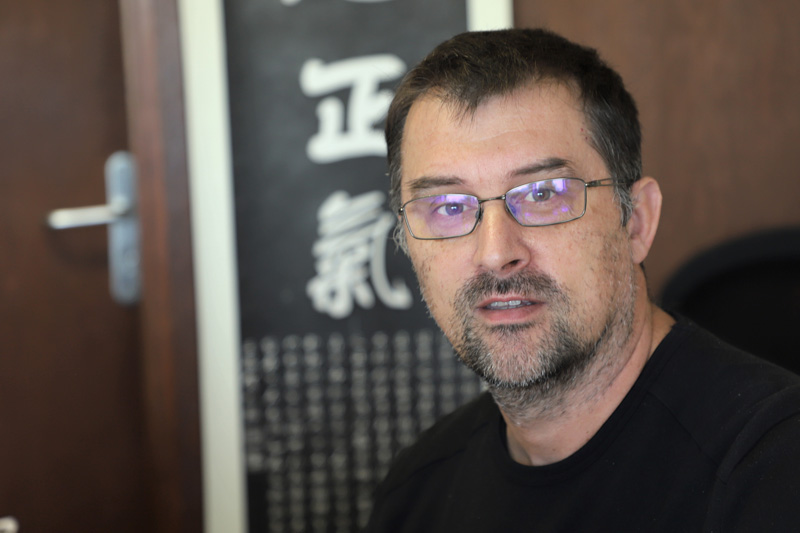
Pascal Menoret is an academic specializing in Middle Eastern Studies with a focus on Saudi Arabia. He is known for his scholarly work examining urban life and social dynamics in Riyadh through the lens of youth culture. His research primarily investigates how joyriding and car culture reflect broader social and political structures in Saudi Arabian society. Menoret's analytical approach combines anthropological fieldwork with urban studies methodologies to explore themes of protest, oil economy impacts, and everyday life in contemporary Riyadh. As author of the Cambridge University Press publication 'Joyriding in Riyadh,' Menoret has contributed significantly to understanding Saudi youth culture and urban transformation. His work demonstrates how seemingly recreational activities like car drifting serve as expressions of social commentary and resistance within constrained political environments.
Rodolphe Clerac is a CNRS Research Director (DR1) and Head of the 'Molecular Materials & Magnetism (M3)' team at the Centre de Recherche Paul Pascal (France). He holds a Ph.D. in Physical Chemistry from the University of Bordeaux (1997) and completed postdoctoral research at institutions including Michigan State University and Texas A&M. His primary affiliation is with the University of Bordeaux, where he has served as Associate Professor (2000–2008) and achieved promotions to CNRS Researcher (CR1) in 2008 and CNRS Research Director (DR1) in 2018. Research interests focus on synthesis and physical studies of molecular materials, including molecule-based magnets, spin-crossover complexes, and magnetic/electro-active liquid crystals. He has trained 25 PhD students, 31 postdocs, and maintains collaborations with 74 international groups across 25 countries. Notable awards include the France-Berkeley Fund Award (2017) and the '1000 Talents Program' (China, 2014). His career includes visiting professorships at universities in China, New Zealand, and Canada, reflecting his global academic engagement. With >500 co-authored papers (h-index 78, 23,000+ citations), he is a leader in molecular magnetism and coordination chemistry.
Prof. Dr. Helmut Schwarz is a distinguished faculty member at the Technische Universität Berlin , where he holds a professorship in the Field of Organic Chemistry within the Institute of Chemistry. He is also a key member of the UniCat Cluster of Excellence , a leading interdisciplinary research initiative focused on catalysis. His work bridges experimental and theoretical chemistry, with a strong emphasis on gas-phase ion chemistry and reaction mechanisms. His research interests include gas-phase ion chemistry, physical organic chemistry, organometallic chemistry, selective bond activation by transition-metal species, mass spectrometry, and computational chemistry . He investigates fundamental processes such as methane and CO2 activation, C-H bond functionalization, and redox reactions using cluster ions and single-atom systems. His approach combines advanced mass spectrometric techniques with theoretical modeling to elucidate reaction mechanisms at the molecular level. His recent publications highlight trends in metal-mediated and metal-free bond activation, ligand and doping effects in clusters, spin-selective reactions, and the role of oxygen-centered radicals . A recurring theme is the activation of small molecules like methane, ammonia, and carbon dioxide under ambient or thermal conditions , with implications for sustainable catalysis and energy conversion. Helmut Schwarz has received numerous scientific honors, including: Eni Award (2015) Karl Ziegler Award (2015) Schrödinger Medal from WATOC (2015) Blaise Pascal Medal (2011) Wilhelm Manchot Professorship (2012) Foreign Honorary Member, American Academy of Arts and Sciences (2012) Honorary doctorate from Kliment Ochridski University, Sofia He has mentored numerous students and collaborators, though specific names are not listed in the provided text. His research is supported by major academic institutions and collaborative frameworks like UniCat. He leads a research group focused on mechanistic studies using mass spectrometry and maintains strong collaborations with theoretical chemists. His laboratory employs advanced techniques including ion-trap mass spectrometry, gas-phase spectroscopy, and computational modeling to explore transient reactive species and catalytic cycles.
Pascal PAILLE is Full Professor in the People & Organisations department at NEOMA Business School , France. Previously, he served as Full Professor and PhD Program Director at Laval University in Canada. Education Doctorat en Sciences de gestion Habilitation à Diriger des Recherches en Sciences humaines Research Interests Professor PAILLE’s scholarship centers on the micro-level greening of the workplace . He investigates how individual behaviors, human resource systems, and organizational contexts interact to foster environmental sustainability. His work integrates quantitative methods with theories from green HRM , organizational behavior , and environmental psychology to understand what drives employees to adopt pro-environmental actions on and off the job. Recent Research Trajectory Across more than 80 peer-reviewed articles since 2015, PAILLE has consistently advanced the field of green human resource management . His 2024 publications reveal a dual focus: (1) refining meta-analytic insights on the link between green HR practices and individual environmental performance, and (2) deploying fuzzy-set and configurational methods to uncover complex causal recipes that explain green behaviors in family firms and entrepreneurial settings. A growing sub-stream explores the emotional side of sustainability, including workplace eco-anxiety and the supportive mechanisms that mitigate its negative consequences. Books & Scholarly Recognition La gestion environnementale des ressources humaines (2024, EMS) Green Behaviors in the Workplace (2022, Palgrave Macmillan) Greening the Workplace: Theories, Methods, and Research (2020, Palgrave Macmillan) Le leadership machiavélique (2018, PUL) La fidélisation des ressources humaines (2004, Economica) Changement organisationnel et mobilisation des ressources humaines (2003, L’Harmattan) Teaching & Doctoral Supervision At NEOMA, Professor PAILLE teaches green human resource management , sustainable HRM , and organizational theory . During his tenure at Laval University, he directed the PhD program, indicating substantial experience in doctoral advising and mentorship, although specific student names are not provided in the source material.
Jacek Jarocki is a researcher at the Department of the History of Modern and Contemporary Philosophy within the Faculty of Philosophy at the Catholic University of Lublin . His academic work spans the history of modern philosophy, philosophy of mind, and philosophical methodology. He has contributed extensively to debates on panpsychism, neutral monism, and the metaphysics of consciousness through publications in journals like Diametros and Przegląd Filozoficzny – Nowa Seria . Education : PhD (2019) in philosophy under Prof. Dr. hab. Piotr Gutowski and Dr. Marcin Iwanicki, MA (2014) in philosophy under Prof. Dr. hab. Piotr Gutowski, and BA (2012) in philosophy under Dr. Maksymilian Roszyk. Research Focus : Jarocki's research emphasizes the metaphysics of mind, thought experiments in philosophy, and the historical roots of American New Realism. His work bridges analytic philosophy with continental traditions, exploring consciousness, free will, and modal semantics. Publications : He has authored 15+ peer-reviewed articles and co-edited volumes like Philosophical Journeys , analyzing themes such as panpsychism, Strawson's metaphysics, and the intersection of philosophy with media and culture. Grants : Jarocki has led two NCN grants ( New Realism , 2019-2022; Strawson's Metaphysics , 2016-2019) and participated in the Mistrz grant (2016-2019) on theism-atheism disputes. Teaching & Outreach : He tutors at the MISHuS College , coordinates the Academy of Young Humanists , and runs the YouTube channel Pan od Filozofii , engaging in philosophy popularization at events like the Lublin Science Festival.
Pascal Gagneux is an Associate Director at the Center of Academic Research and Training in Anthropogeny (CARTA) and a joint faculty member in the Anthropology and Pathology Departments at the University of California San Diego. His research bridges evolutionary biology, glycobiology, and reproductive medicine, focusing on glycan roles in human-chimpanzee divergence and disease susceptibility. Education: PhD in Zoology (1998), MS in Population Biology (Basel University, Switzerland) Faculty: Cellular and Molecular Medicine (2007-present), CARTA (2008-present) As a molecular primatologist, he investigates glycan-mediated cellular recognition in reproduction and infection. His lab discovered sperm-associated neuraminidases critical for fertilization and demonstrated how influenza A viruses exploit sialic acid pathways. Current work explores human-specific glycan evolution through comparative anthropogeny frameworks. His publications span 2025-2020 , emphasizing: Glycan dynamics in age-related macular degeneration Human susceptibility to Alzheimer’s disease Microbial-glycan interactions in infectious disease Evolution of postreproductive cognitive protection Sialome evolution in host-pathogen systems Transdisciplinary anthropogeny research While no specific awards are mentioned, his work integrates UCSD’s biological anthropology labs with sociocultural implications of glycan biology. He also directs a graduate specialization in anthropogeny across eight PhD programs. The Gagneux Lab operates at the intersection of glycobiology, reproduction, and evolutionary medicine, using primate models to decode molecular mechanisms distinguishing humans from other apes.
Shankar Raman is a Professor in the Literature Section at the Massachusetts Institute of Technology, specializing in late medieval and early modern literature and culture. His academic journey uniquely bridges engineering and humanities, having earned dual bachelor's degrees in Electrical Engineering and Architecture from MIT followed by a master's in Electrical Engineering from UC Berkeley before transitioning to English Literature for his doctorate. His educational background includes: Ph.D. in English Literature (with minor in German), Stanford University, 1995 M.S. in Electrical Engineering, University of California, Berkeley B.S. in Electrical Engineering, Massachusetts Institute of Technology B.S. in Architecture, Massachusetts Institute of Technology Raman's research critically examines colonialism's role in European self-definition through figures like India, challenges identity politics in postcolonial criticism by emphasizing differential dynamics, and explores intersections between literature and early modern science/mathematics. His work reveals how colonial patterns persist in contemporary thought while analyzing Shakespearean texts through mathematical frameworks and cognitive studies. Publication trends show a clear evolution from foundational colonial/postcolonial scholarship (2001-2011) toward literature-science interdisciplinarity (2015-present), particularly in Shakespeare studies and early modern mathematical concepts, culminating in his forthcoming monograph Before the Two Cultures . His notable recognitions include: 2023 Fellow, Institute of Advanced Studies/SEARCH research group, University of Strasbourg Fall 2022 Fellow, French Institute of Advanced Study, Aix-Marseilles MacVicar Teaching Fellow (2018-28) Levitan Prize, MIT (2012-13) Beatrice Shepherd Blaine Fellowship, Radcliffe Institute (2010-11) Jeptha H. and Emily V. Wade Award, MIT (2002-03) Raman has secured significant research funding through SSHRC's five-year Making Publics initiative and serves as founding board member for Universität Bayreuth's doctoral college in Intersectionality Studies (2022). His teaching portfolio spans Shakespearean comedies, literary theory, and drama studies, reflecting his interdisciplinary approach to early modern texts. His collaborative networks include editorial leadership for Shakespeare Studies' 2021 Literature-Science Forum and international partnerships with German and French research institutes, demonstrating active engagement with global academic communities beyond traditional laboratory settings.
Dr Joe Hardwick is a Lecturer at the School of Languages and Cultures , The University of Queensland , specializing in French cinema , existentialist literature , narrative theory , queer theory , and cultural studies . He teaches courses in French language, cinema, literature, and cultural studies. Research Focus: Mobility and marginality in French cinema, queer representation in cinematic love triangles, and the transition from secondary to university-level French education. Publications: Recent works analyze Alain Guiraudie's L'Inconnu du lac , Pascal Alex Vincent's Donne-moi la main , and transnational shifts in 21st-century French cinema. Supervision: Available for PhD/MPhil supervision in areas related to French film and cultural studies.
Pascal Mark Gygax is a faculty member at the University of Fribourg , specifically within the Faculty of Philosophy under the Department of Psychology . His academic career spans psycholinguistics, cognitive psychology, and gender studies, focusing extensively on how language structures influence gender perceptions and cognitive biases. With a research profile marked by experimental methodologies, Gygax has published 64 works, including a 2021 book Does the Brain Think Masculine? that critically examines the psycholinguistic impacts of gender-fair language reforms. Role: Researcher at Department of Psychology, University of Fribourg Key Collaborations: Sandrine Zufferey, Ute Gabriel, Anton Öttl Research Focus: Gygax investigates the cognitive mechanisms behind gender representation in language, particularly how grammatical gender systems (e.g., French, German) perpetuate male-dominated mental models. His work explores: Experimental validation of gender-neutral pronouns Discourse connective processing across age groups Impact of language reform on occupational stereotypes Cross-linguistic comparisons of gender perception Implicit bias in performance evaluation (e.g., magic tricks) Recent Publications (2023-2025) demonstrate methodological rigor in studying: Neological intuition in Romance languages Temporal focus and spatial cognition Connective mastery in L2 contexts Participant variability in experimental linguistics Gender ratio norms across global languages Pragmatic constraints on causal connectives Scientific Contributions: While no explicit awards are listed, Gygax's work has significantly advanced: Development of experimental paradigms for gender perception studies Creation of multilingual datasets on role noun norms Validation of facial feedback mechanisms through collaborative research Understanding of discourse coherence in educational contexts Advising & Collaborations: Though specific students aren't named, Gygax collaborates with: Development of the Routledge Handbook of Experimental Linguistics Leadership in SNSF-funded projects Contributions to debates on inclusive language policies
Dr Lea Vuong is a Senior Lecturer at The University of Sydney's School of Languages and Cultures, specializing in modern and contemporary French and Francophone literature and visual arts. She holds a PhD (King's College London) and MA (King's College London), with prior teaching roles at the University of Manchester and University of St Andrews. Her research focuses on Louise Bourgeois's artistic and literary oeuvre, Francophone Oceania's cultural production, and the cultural legacy of Paris's Bièvre river. She co-edited Francophone Oceania Today (2024) and organized the 2023 symposium on 'Arts and Environmental Concerns in Oceania'. Teaching includes Visual Cultures and Cross-Cultural Literature and Film courses. She supervises HDR and Honours students on French and Francophone topics. Member of Sydney Environment Institute Recipient of Leverhulme Early Career Fellowship (2014-2017) Recent articles explore Bourgeois's archives, Oceania Francophone art, and Quignard's literary metamorphoses. Her upcoming book analyzes Bourgeois's writings and artistic-literary intersections.
Siri Mæland is a PhD candidate and lecturer specializing in traditional and social dance, affiliated with the Norwegian University of Science and Technology (NTNU) and Université Blaise Pascal (UBP) through a cotutelle doctoral program. She has been a Lecturer and Assistant Researcher at the Norwegian Centre for Traditional Music and Dance since 2001, an accredited NGO dedicated to preserving and studying Norway’s intangible cultural heritage. Her academic background includes a Master’s degree in Ethnomusicology, with a focus on the dance revival movement in Norway. Her current doctoral research, titled "Social dance in past and present," explores the transmission of traditional dance, integrating perspectives from ethnochoreology, cognitive anthropology, and intangible cultural heritage (ICH). Her research interests include traditional dance, social dance, dance analysis, cognitive anthropology, and the heritagization of leisure activities. She actively participates in academic conferences, presenting on topics such as the cultural significance and policy implications of dance as heritage. Siri Mæland has not listed any scientific awards, publications, or students in the available information. She is currently on leave from her lecturing position to focus on her doctoral studies, indicating ongoing academic engagement and professional development.