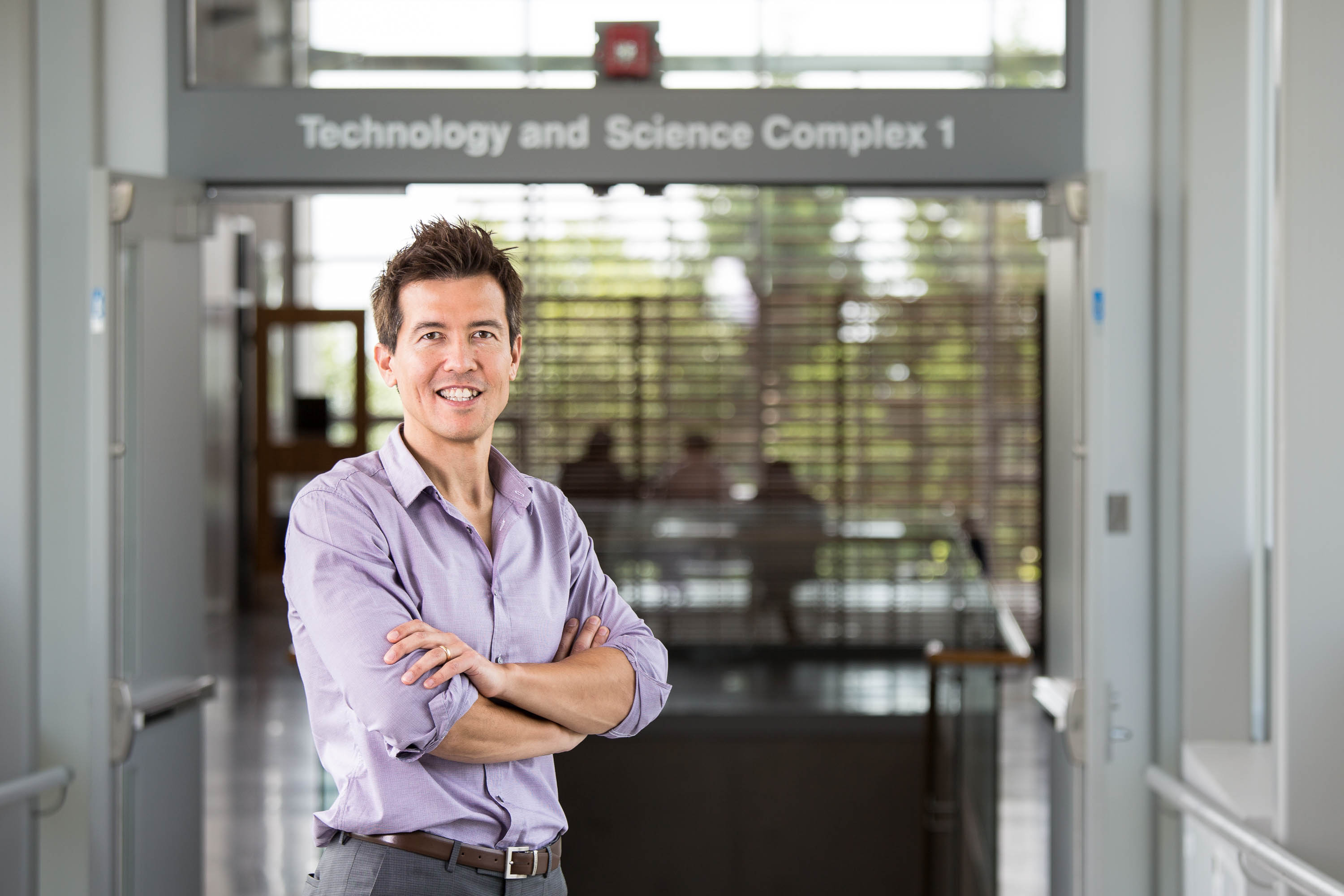
Khalid Osmanمشاهده پروفایل
استادیار
Khalid Osman is an Assistant Professor of Civil and Environmental Engineering at Stanford University and a Center Fellow at the Woods Institute for the Environment. He joined the university in 2022, focusing on integrating equity into infrastructure systems through mixed-methods research. His work bridges socio-technical analysis with engineering solutions to address environmental justice challenges in water systems. Education: Bachelor of Science in Civil Engineering, University of Portland (2016) Masters of Science in Civil Engineering, University of Texas at Austin (2018) Doctor of Philosophy in Civil Engineering, University of Texas at Austin (2022) Research Interests: Osman’s research emphasizes equitable infrastructure design, particularly in water systems, through frameworks that incorporate community perspectives and participatory approaches. Key themes include: Operationalizing equity in decentralized sanitation systems Water affordability and stakeholder engagement Socio-technical systems analysis for resilience Climate adaptation and flood mitigation strategies Recent Trends in Publications: His recent work highlights community-driven solutions for water infrastructure challenges, leveraging machine learning for decision-making, and analyzing disparities in water access. Notable topics include green stormwater infrastructure adoption, flood resilience in vulnerable regions, and the role of social media in crisis communication. Awards: Bill and Melinda Gates Millennium Scholars Graduate Fellowship Ford Foundation Predoctoral Fellowship Advising & Lab Activities: As head of the Osman Lab , he mentors students in advancing equitable infrastructure solutions. Current advisees include PhD candidates Shuojia and Clara. The lab focuses on socio-technical frameworks to improve underserved communities’ access to resilient infrastructure. Labs/Teams: The Osman Lab collaborates with interdisciplinary teams to develop actionable policies and technologies. Recent projects involve: Community-based participatory research (CBPR) Graph neural networks for infrastructure analysis Large language models for translatable water reports