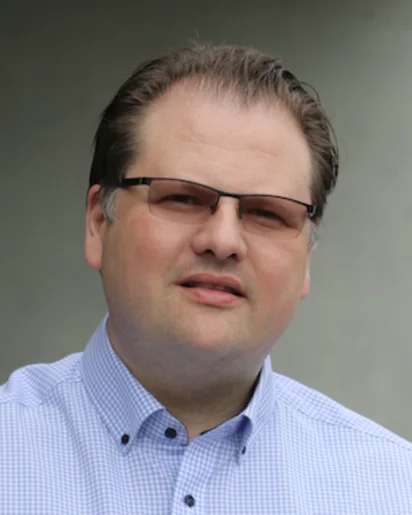
Aleksandra Patenković is a Senior Research Associate at the Department of Genetics of Populations and Ecogenotoxicology , Institute for Biological Research "Siniša Stanković" (IBISS), University of Belgrade. Her research focuses on population genetics, ecotoxicology, and adaptation mechanisms under environmental stress. Education: PhD in Biology (2016), MSc in Biology (2004), both from University of Belgrade. Her work spans genetic variability in Drosophila and honey bee populations, examining mitochondrial DNA dynamics , stress response mechanisms, and climate adaptation patterns. Recent publications analyze anthropogenic impacts on genetic structures using advanced genomic tools. Award-winning scientific communicator, she coordinates European Researchers' Night projects and serves on the Center for the Promotion of Science board. Patenković contributes to insect-based circular economy research and environmental biomonitoring initiatives.
Lynda CHEHAMI serves as an Associate Professor at the University of Polytechnic Hauts-de-France (UPHF), affiliated with the College of Engineering and Department of Acoustics since 2019. She leads research in Structural Health Monitoring (SHM) and Non-Destructive Testing (NDT) within the TPIA group at IEMN UMR CNRS 8520 laboratory. Her research focuses on detection and localization of defects in reverberant environments through passive acoustic imaging using ambient noise sources. Key methodologies include ultrasonic signal reconstruction, guided wave propagation analysis, and low-power sensor networks for predictive maintenance in transport systems (automotive, rail). Research themes span Physical Acoustics, Integrated Health Monitoring, and Distributed Acoustic Sensors. Notable scientific awards include the Prime d'Encadrement Doctoral (2020-2024), Best Poster Prize (2016-2017), and Young Researcher Prize (2015-2016). She has co-supervised four PhD theses on SHM applications for nuclear structures, composite materials, and acoustic transducer arrays. ANR Jeune Chercheur Project DACLOS (Coordinator) ANR Projects PANSCAN and PASNI (Participant) European Project SOCORRO 2 (Member) She actively contributes to academic governance as elected member of UPHF's Research Council (CoR) and Academic Council (CAC), and serves on INSA's Scientific Council. Her work bridges industrial applications in regional transport sectors with fundamental acoustic research.
Paul A. Fisher is a Professor and Vice-Chairman in the Department of Pharmacological Sciences at Stony Brook University, a position he has held since 1997 and 2005 respectively. He received both his MD and PhD (Biophysics) from Stanford University, with his PhD awarded "with distinction" under Dr. David Korn's preceptorship. His educational background includes: MD: Stanford University School of Medicine PhD (Biophysics): Stanford University BS (Biology and Biochemistry, Dual Major): Binghamton University Dr. Fisher's research focused on nuclear structure and function, with particular emphasis on extrachromosomal proteinaceous structural elements of the cell nucleus (karyoskeletal elements). His laboratory pursued three main projects: identifying and characterizing karyoskeletal polypeptides (including nuclear lamins and DNA topoisomerase II), studying the enzymology of eukaryotic DNA polymerases and their interactions with protein cofactors (particularly PCNA), and investigating the nuclear localization of the spinocerebellar ataxia (SCA) protein. His work primarily utilized yeast and fruit fly model systems, which he demonstrated are suitable models for human nuclear processes. Analysis of Dr. Fisher's publications reveals a consistent focus on nuclear structure throughout his career. His earliest work (1987) examined nuclear assembly in cell-free systems, progressing to specific studies on DNA polymerases (1994) and Drosophila nuclear assembly (1998). His later publications (2005-2009) increasingly focused on nuclear lamins and their role in nuclear envelope structure and function, demonstrating the evolution of his research toward more specific molecular mechanisms. Dr. Fisher has extensive experience in research funding and training: Continuously funded as Principal Investigator by NIH from 1982-2005 Additional funding from American Cancer Society, British Royal Society, RIKEN of Japan, International Human Frontiers Science Program, NATO, and US-Israel Binational Science Foundation Director of Stony Brook MSTP (MD-PhD Program) from 1988-2003 Submitted and renewed NIH-NIGMS MSTP training grants for 15 years Associate Director of MSTP since 2003 Service on NIH-NIGMS Study Section (BRT) from 1998-2003 Following the termination of his competitive research funding in 2005, Dr. Fisher ended his research career for health reasons and shifted his focus to medical education. He currently serves as Course Director for Medical Pharmacology, a year-long course for second-year medical and dental students, and is heavily involved in curricular design and revision for both Medical and Dental Schools. His educational responsibilities now encompass undergraduate programs, nursing and allied health professions' programs, a PhD program in Pharmacology, and standard programs for medical and dental students.
Dr. Bin Z. HE is an Associate Professor in the Department of Biology at the University of Iowa, College of Liberal Arts and Sciences. His research focuses on the evolution of gene regulatory networks in stress response mechanisms, particularly in pathogenic yeast species like Candida glabrata and Candida auris . Using interdisciplinary approaches combining genomics, bioinformatics, and molecular evolution, he investigates how transcription factors and their regulatory networks adapt to environmental changes, with implications for understanding microbial pathogenicity and host-microbe interactions. His work addresses fundamental questions about regulatory network divergence, protein sequence evolution, and adaptive selection signatures in both coding and non-coding regions. Key methodologies include RNA-seq, ChIP-seq, phylogenetic analysis, and functional assays. While no specific student advisorship details appear in the text, his lab actively explores stress response evolution through collaborative research platforms and open science initiatives. The research has significant biomedical relevance, offering insights into fungal infection mechanisms and potential therapeutic strategies. His recent publications highlight evolutionary patterns in transcription factor interactions, adhesin family expansions, and stress response network rewiring across yeast pathogens. Publications span topics from molecular mechanisms in TORC1 signaling to computational resources for primate gene evolution analysis.
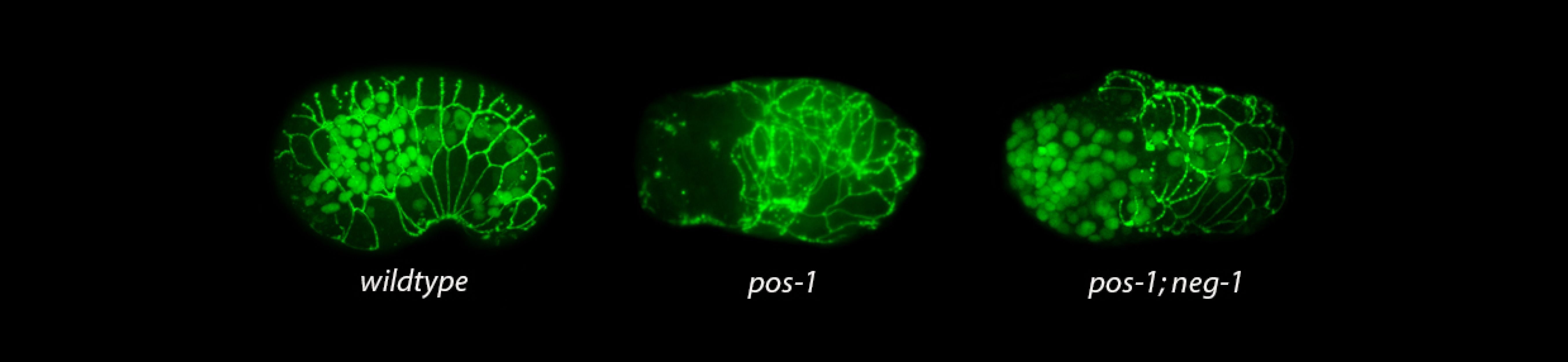
Bryan Phillips is a Professor in the Department of Biology at the University of Iowa, where he conducts research on cell fate determination and developmental biology using C. elegans as a model organism. His work focuses on understanding how a single undifferentiated oocyte develops into a multicellular organism with numerous, intricately connected cell types through precise molecular mechanisms. Dr. Phillips received his PhD from Texas A&M University. His research primarily investigates the molecular mechanisms of cell-to-cell communication during development, with a particular emphasis on the Wnt signaling pathway and its role in asymmetric cell division where a polarized mother cell generates two daughter cells with different fate determinants. Dr. Phillips' laboratory examines how the Wnt signaling pathway regulates cell fate through β-catenin, with a special focus on SYS-1, a β-catenin homolog in C. elegans that shares structural and functional similarities with vertebrate β-catenin. His research explores how centrosomes, protein degradation mechanisms, and gene duplication events contribute to the regulation of asymmetric cell divisions. The lab's work bridges molecular, cellular, and developmental biology to address fundamental questions about why animal cells differentiate the way they do, with implications for developmental defects and diseases like cancer where Wnt signaling is often misregulated. Analysis of Dr. Phillips' publication record reveals a consistent research trajectory focused on Wnt signaling, β-catenin regulation, and asymmetric cell division across 15 recent publications (2015-2025). His work demonstrates how conserved molecular mechanisms control cell fate determination, with particular attention to the SYS-1 protein and its regulation through centrosomal localization, proteasomal degradation, and transcriptional activation. The research spans multiple levels of investigation from protein structure and evolutionary analysis to developmental processes in a whole organism. Dr. Phillips' laboratory is actively recruiting graduate students through multiple programs including the UI Biology Department, the UI Genetics Program, the UI Molecular and Cellular Biology Program, and the UI Biosciences Program. His research facilities are located in the Biology Building East (BBE) at the University of Iowa, where he maintains both office space (200 BBE) and laboratory facilities with dedicated phone lines for administrative and research communications.
Jessica Gosnell, MD is a Professor of Surgery at the University of California, San Francisco School of Medicine , specializing in endocrine surgery with a focus on thyroid, parathyroid, and adrenal gland diseases . She serves as Associate Director of the UCSF Surgery Clerkship Program and directs the Endocrine Surgery Parathyroid Cryopreservation and Autotransplantation Lab . Education : BA in Biology and French Studies, Wellesley College MD, University of Washington School of Medicine (1995) Residency, UCSF-East Bay General Surgery TS Reeve International Fellowship, University of Sydney Endocrine Surgery NIH Gastrointestinal Research Training Grant Her research spans translational thyroid cancer studies , clinical trials for multiple endocrine neoplasia and medullary thyroid cancer , and innovations in surgical education including near-peer mentorship programs. She has co-authored 98 publications with recent work on nerve monitoring in endocrine surgery , 18F-fluorocholine PET imaging , and Covid-19 impacts on surgical education . Scientific Awards : Hunicutt Resident Award for Excellence in Teaching (2 years) Haile T Debas Academy of Medical Educators teaching award (2019) Contributions to 15+ clinical trials As a clinical educator , she transitioned from PISCES preceptor to UCSF Bridges Coach (2016), emphasizing clinical skills and mentorship. Her clinical expertise includes adrenal tumors , hyperparathyroidism , thyroid cancer , and endocrine neoplasms .
Takeshi Hitomi is a Professor at the Rikkyo University School of Law since 2010, specializing in Public Law and Administrative Law with comparative Germany-Japan jurisprudence expertise. He holds a PhD from Tokyo Metropolitan University's Graduate School (1984) and a law degree from Waseda University (1982). Research Interests: Decentralization reforms and local governance Disaster recovery legal frameworks Public-private partnership (PPP) law Administrative litigation and judicial review Environmental and municipal planning law Notable Research Contributions: 2016-2019 Japan Society for the Promotion of Science project on disaster resilience governance models 2011-2014 research on PPP legal doctrines and dispute resolution 2008-2011 disaster recovery law analysis focusing on compensation/housing Key Publications: 15+ articles in Monthly Review of Local Government , Law and Practice , and Public Law Review covering topics from Henoko reclamation litigation to administrative act theories.
Dongya Yang is a Professor in the Department of Archaeology at Simon Fraser University (SFU), Faculty of Arts and Social Sciences. He leads a dedicated ancient DNA laboratory focused on interdisciplinary research addressing human-environment interactions through genetic analysis of archaeological remains. His work integrates molecular biology with archaeology and anthropology, emphasizing collaboration with Indigenous communities, especially in the Pacific Northwest. His educational background includes a BSc in Biology from Lanzhou University, an MSc in Bioanthropology from the Chinese Academy of Sciences, and a PhD in Bioanthropology from McMaster University. Yang’s research interests span ancient DNA techniques , physical anthropology , and environmental bioarchaeology . He focuses on developing robust methods for DNA extraction, contamination control, and species/sex/individual identification from degraded remains. His lab investigates human skeletal populations, ancient diseases, and human interactions with animals and plants such as salmon, herring, turkeys, and domesticates. A central theme is the ethical and critical integration of DNA data with traditional knowledge and archaeological context to avoid overinterpretation. His recent publications reflect a strong trend in zooarchaeology , Ichthyoarchaeology , and community-engaged science , particularly through high-profile collaborations with the Tsleil-Waututh First Nation on sustainable salmon fisheries. His students’ theses consistently apply ancient DNA to address specific archaeological questions across global regions, from the Pacific Northwest to the Caribbean and China. While no formal scientific awards are listed, his research has achieved significant public impact, with one study ranked in the 99th percentile of tracked articles by Altmetric. Yang actively supervises MA and PhD students , serving as primary supervisor, co-supervisor, or committee member. His mentoring philosophy emphasizes both technical rigor in the lab and ethical, reflective thinking outside it. He supports students in developing individualized training plans, especially those bridging archaeology and biology backgrounds. He has trained numerous graduate students and postdoctoral fellows, many of whom have gone on to academic and research careers. He directs the Dedicated Ancient DNA Facilities at SFU , comprising a contamination-controlled Ancient DNA Lab and a physically separated Post-PCR Lab. These facilities enable high-integrity analysis of human, animal, and plant remains. The lab operates under strict protocols including UV sterilization, positive airflow, and dedicated lab attire to prevent contamination.
Ying Jiang, MD, is an Assistant Professor in the Department of Surgery at UMass Chan Medical School, affiliated with Lahey Hospital & Medical Center in Burlington, MA. She holds a Bachelor of Arts in Psychology from Dartmouth College and a Medical Doctorate from Temple University. Her primary research focuses on nanotechnology-enabled biomedical solutions, particularly in drug delivery systems and neural interfaces. Research interests span: Design of responsive nanoparticles for targeted drug/gene delivery siRNA therapeutics with anti-inflammatory applications Neural stimulation technologies using optoacoustic methods Surface engineering of nanomaterials for controlled biodistribution Nanoparticle-protein interactions for diagnostic monitoring Her publication history (2003-present) demonstrates consistent focus on nanomedicine innovations, with recent work expanding into clinical applications for retinal disorders and stroke therapy. The research trajectory shows evolution from fundamental protein translocation studies to advanced therapeutic nanotechnology platforms.
Craig Mello is a Distinguished Professor and Blais University Chair in Molecular Medicine at UMass Chan Medical School , where he leads research in the RNA Therapeutics Institute within the T.H. Chan School of Medicine . His work spans multiple programs including the Cancer Center and Molecular Medicine. B.S. in Biochemistry (Brown University, 1982) Ph.D. in Cellular/Developmental Biology (Harvard University, 1990) Research Focus Mello investigates RNA-mediated gene regulation mechanisms using Caenorhabditis elegans as a model organism. His lab pioneered RNA interference (RNAi) research, revealing conserved protein pathways that govern genetic information through small RNA-guided regulatory searches. Key projects include: Piwi Argonaute pathways in fertility and epigenetic inheritance Germline determination and cell fate specification CRISPR-based genome editing tools for C. elegans Transgenerational RNA silencing mechanisms Publications Trends Recent work emphasizes piRNA biogenesis, SUMOylation in gene regulation, and CRISPR optimization. His studies span Cell Biology , Molecular Biology , and Genetics with applications in Humans , Animals , and Cells . Awards & Recognition Nobel Prize in Physiology or Medicine (2006) for RNAi discovery Howard Hughes Medical Institute Investigator (2000-) Lab Structure The Mello lab maintains facilities at the Albert Sherman Center, focusing on nematode genetics research and small RNA cloning methodologies. Collaborations span biochemistry, developmental biology, and therapeutics development.
Stephan Brunner is a Maître d'enseignement et de recherche (Senior Lecturer) at École polytechnique fédérale de Lausanne (EPFL), affiliated with the School of Basic Sciences (SB), the Center for Plasma Physics Research – Theory (SPC-TH), and education units EDPY-ENS and SPH-ENS. He is based at the PPB 312 building on EPFL's Lausanne campus and is actively involved in teaching and research in plasma physics and fusion energy. His research interests focus on plasma physics , particularly gyrokinetic simulations of turbulence in magnetic confinement fusion devices . He investigates microinstabilities such as ion temperature gradient (ITG) modes and trapped electron modes (TEM), zonal flows, wave-particle interactions, and non-adiabatic electron dynamics. His work bridges theory, simulation, and experiment, often using synthetic diagnostics to validate models against data from tokamaks like TCV and JT-60SA. The most recent articles highlight a strong trend in advanced computational modeling and diagnostic validation . His publications emphasize the development and verification of gyrokinetic codes (e.g., ORB5, PICLS), the analysis of turbulence in realistic plasma geometries, and the integration of experimental measurements with simulation outputs. Key themes include flux-tube and global simulations, collisional effects, magnetic shear, and the role of zonal flows in transport regulation. Stephan Brunner has advised numerous PhD students, including Emmanuel Lanti, Xavier Lapillonne, and Julien Dominski, and has contributed to major collaborative projects in fusion research. He has not received any explicitly mentioned scientific awards in the provided text. He leads or contributes to research on plasma turbulence, computational methods, and fusion energy science, working within teams at EPFL’s CRPP and collaborating with international fusion facilities. His work is foundational to improving predictive capabilities for next-generation fusion reactors.
Romain Guiet is a Scientist at the BioImaging and Optics Core Facility (BIOP) and a Lecturer in the EDMS program at École Polytechnique Fédérale de Lausanne (EPFL). He is affiliated with the School of Life Sciences (SV) and contributes to EPFL’s imaging community through technical support, teaching, and research. His roles span scientific support, education, and institutional service, including membership in the School Council SV. His research interests center on BioImage Analysis , with expertise in image acquisition (widefield, confocal, super-resolution), image processing , and quantitative data extraction . He develops open-source workflows using tools like ImageJ/Fiji, QuPath, Python, and R, promoting FAIR data principles. His background includes a PhD in Biology with a focus on immunology, cancer, 3D cell migration, and organoid systems. He supports experimental design and staining strategies for in vitro models including cell cultures and organoids. His recent publications highlight interdisciplinary work in organoid modeling, cardiogenesis, neural circuit imaging, and bioimage informatics. He co-developed DEVILS, a data visualization tool, and contributes to NEUBIAS training initiatives. His work emphasizes open science and community engagement through platforms like forum.image.sc. Metabolic reprogramming in osteoclasts Osteoclasts: Other functions RANKL-responsive epigenetic mechanism reprograms macrophages into bone-resorbing osteoclasts Nuclear receptors in osteoclasts WNT-modulating gene silencers as a gene therapy for osteoporosis, bone fracture, and critical-sized bone defects Romain Guiet advises on microscopy-based projects and mentors students through EPFL’s teaching programs. He is actively involved in grant-supported research and collaborative projects across EPFL. He is a key contributor to the BioImaging and Optics Core Facility, supporting a wide range of life science research. He also participates in the School Council SV, contributing to academic governance.
Alexander Davis serves as a Clinical Lecturer at the Northern Clinical School within the Faculty of Medicine and Health at the University of Sydney, where he integrates clinical practice with translational oncology research. His work focuses on molecular biomarkers and treatment outcomes in lung cancer, contributing to both academic literature and patient care through active publication and clinical collaboration. Dr Davis completed his doctoral thesis titled "The Role of Co Mutations in clinical and pre clinical outcomes in KRAS mutant non small cell lung cancer" under the supervision of Professors Nick Pavlakis, Wendy Cooper, Kate Mahon, and Steven Kao at the University of Sydney. This foundational work established his expertise in molecular oncology and clinical outcomes research. His research spans lung cancer with concentrated emphasis on KRAS mutation subtypes (particularly G12C and G12D), PD-L1 biomarker dynamics , and immunotherapy efficacy in molecularly defined cohorts. He investigates how co-mutations influence therapeutic responses in non-small cell lung cancer (NSCLC) and explores emerging treatments for malignant pleural mesothelioma. His clinical work includes detailed analysis of immune-related adverse events such as nivolumab-induced cholangitis, demonstrating his commitment to improving safety profiles of novel therapies. Analysis of Dr Davis's publication trajectory (2019-2025) reveals a strategic focus on real-world evidence generation within Australian oncology. His research consistently examines molecular determinants of treatment response, with particular attention to KRAS-mutant NSCLC cohorts and biomarker-driven therapeutic decision-making. The integration of clinical data with molecular profiling across multiple Australian institutions highlights his collaborative approach to advancing precision oncology. Scientific Awards: No scientific awards were documented in the available information. Dr Davis has established himself as a principal investigator in multiple clinical studies examining mutation-specific outcomes and immunotherapy complications. His thesis supervision by senior oncology academics indicates active participation in research training, though specific student mentorship details are not publicly enumerated. His work aligns with national priorities in lung cancer research, particularly through Australian multi-center collaborations examining workers' compensation cohorts and novel therapeutic approaches. As part of the Northern Clinical School, Dr Davis collaborates with clinical teams across Northern Sydney Local Health District facilities. His research infrastructure leverages university-hospital partnerships for translational studies, though specific laboratory names or dedicated research teams are not publicly identified in available sources.
Roger Benoit is a Tenured Scientist and Principal Investigator at the Paul Scherrer Institute (PSI) in Switzerland, leading the Laboratory for Multiscale Bioimaging within the Center for Life Sciences. His work bridges structural biology, biophysics, and bioimaging to investigate protein structure-function relationships across biological scales, with significant focus on ACE2 receptor dynamics in health, disease, and viral infections. Dr. Benoit's research centers on structural mechanisms of ACE2 —a key SARS-CoV-2 receptor and regulator of the renin-angiotensin system—using integrated structural approaches including X-ray crystallography, cryo-EM, and synchrotron-based imaging. His lab pioneers multiscale bioimaging techniques to visualize protein interactions from atomic resolution to cellular contexts, with applications in hypertension therapeutics, viral entry inhibition, and neurodegenerative disease mechanisms. Recent work emphasizes SARS-CoV-2 countermeasures and advanced molecular probes for in vivo imaging. Analysis of Dr. Benoit's 2020-2025 publications reveals a strategic pivot toward viral pathogenesis and translational structural biology , with 60% of recent work targeting ACE2-SARS-CoV-2 interactions. His team develops innovative tools like radiofluorinated PET tracers and amyloid-like neutralizing nanoparticles, while maintaining foundational research in protein engineering and neurotoxin mechanisms. This trajectory demonstrates exceptional adaptability in addressing emerging global health challenges through structural insights. Dr. Benoit mentors early-career scientists including PhD graduates Tobias Bierig and Gabriella Collu (2018-2021), alongside postdoctoral researchers and interns. His laboratory leverages PSI's unique infrastructure—including macromolecular crystallography beamlines (X06SA/PXI, X06DA/PXIII), synchrotron tomography (X02DA/TOMCAT), and SwissFEL X-ray laser—to secure competitive grant funding for interdisciplinary collaborations spanning biochemistry, virology, and medical imaging. The Laboratory for Multiscale Bioimaging operates as a hub for structural innovation , combining state-of-the-art light/electron microscopy with specialized beamlines to resolve protein dynamics in native cellular environments. Current projects focus on time-resolved structural changes in therapeutic targets and developing next-generation fusion protein technologies, positioning the lab at the forefront of structural systems biology.
Benoît Lelandais is a researcher at the Institut Pasteur in Paris, France, affiliated with the Center for Technological Resources and Research, specifically within the Bioinformatics and Biostatistics HUB and the Image Analysis Hub. He plays an active role in training PhD students in bioinformatics, image analysis, and Python programming, contributing to core academic programs at the institute. Institution: Institut Pasteur School: Center for Technological Resources and Research Department: Bioinformatics and Biostatistics HUB Role: Researcher His research focuses on the development and application of computational and imaging tools to study genome organization, particularly chromatin structure and dynamics. He specializes in super-resolution microscopy, 3D localization techniques, and the integration of experimental data with polymer modeling to understand chromatin looping and spatial genome architecture. His work also extends to open data platforms like ShareLoc for localization microscopy and the application of large language models in public health, such as analyzing free-text data on Covid-19 transmission. His recent publications, appearing in journals like Nature Communications , Genome Biology , and Nucleic Acids Research , reflect a strong interdisciplinary approach combining biophysics, computational biology, and advanced imaging. These works span topics including chromatin loop extrusion, HIV-1 integrase binding, and data-sharing infrastructure. Bioinformatics Image Analysis Computational Biology Chromatin Structure Single-Molecule Localization Microscopy Genome Organization Notable scientific contributions include the development of ZOLA-3D for flexible 3D imaging and ShareLoc for open sharing of microscopy data. His work on cohesin-dependent chromatin loops has provided key insights into single-cell genome organization. While no formal academic rank beyond 'Researcher' is specified, his sustained contributions to research and teaching indicate a significant academic role. He collaborates closely with researchers such as Camille Zimmer, Jean-Yves Tinevez, and Bertrand Néron. There is no indication of part-time status, retirement, or former staff status, suggesting he is an active, full-time member of the research faculty.