- Planetary Science
- Atmospheric Physics
- Astrobiology
- +۷ مورد دیگر
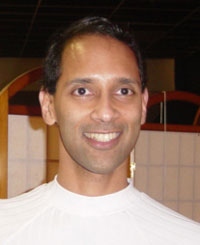
Professor Javier Martin-Torres is a Personal Chair in the School of Geosciences at the University of Aberdeen, where he leads research in planetary science, atmospheric physics, and astrobiology. His work focuses on the study of planetary atmospheres, particularly Mars and the Moon, using remote sensing data, modeling, and space instrumentation. University: University of Aberdeen School: School of Geosciences Rank: Professor Email: javier.martin-torres@abdn.ac.uk His research interests include planetary atmospheres, non-LTE modeling, Mars exploration, lunar subsurface studies, astrobiology, and planetary protection. He has made significant contributions to understanding atmospheric chemistry and energy balance in planetary environments, especially through data from missions such as MIPAS, SABER, Chang’E-4, and Mars Science Laboratory. The most recent publications reflect a strong trend in interdisciplinary planetary science, combining remote sensing, geochemistry, machine learning, and mission design. Key themes include Mars surface and atmospheric processes, lunar subsurface structure, life detection technologies, and the development of cleanroom and sampling systems for space missions. His work bridges observational data with theoretical modeling to advance our understanding of planetary environments. Scientific Awards: Fellow of the Royal Society of Edinburgh Fellow of the Royal Astronomical Society Professor Martin-Torres has been involved in advising and leading research projects related to planetary exploration and instrumentation. He has contributed to major collaborative grants, particularly in the areas of Mars rover missions, lunar science, and planetary protection. His work often involves international consortia and space agencies, indicating significant grant funding and project leadership. He is actively involved in laboratory and team-based research, including the development of planetary instrumentation, cleanroom facilities, and data analysis pipelines for radar and atmospheric sensors. His team works on integrating machine learning with planetary data interpretation and advancing technologies for future space missions.