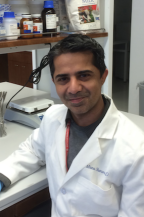
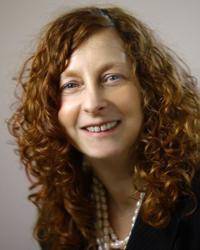
Manu Sharma is an Associate Professor of Neuroscience at the Brain and Mind Research Institute , Weill Cornell Medical College (2024–present). His research focuses on the molecular mechanisms underlying neurodegenerative diseases, particularly tauopathies and synucleinopathies (e.g., Alzheimer’s and Parkinson’s diseases), synaptic transmission, and protein aggregation. Education: Ph.D., University of Toronto (2005) B.Sc., University of Toronto (1998) Research Interests: Dr. Sharma investigates how physiological and pathological modifications of tau and α-synuclein proteins contribute to neurodegeneration. His work explores synaptic vesicle dynamics, chaperone-mediated protein stabilization, and the role of lysosomal pathways in disease progression. Grants: He has secured major funding as Principal Investigator and Co-Investigator from the National Institute on Aging and National Institute of Neurological Disorders & Stroke (2024–2029) for studies on tau proteostasis, synucleinopathies, and small molecule inhibitors targeting neurodegenerative pathways. Labs & Teams: Affiliated with the Brain and Mind Research Institute, Dr. Sharma collaborates on multidisciplinary projects involving synaptic biology, protein quality control, and neurodegeneration models.
Dr. Rebecca San Gil is a Lecturer at the School of Medical Sciences , University of Sydney, Australia. She leads the NeuroMolecular Discovery Group within the Neuroscience theme and is a member of the Charles Perkins Centre . Her research focuses on the molecular mechanisms underlying neurodegenerative diseases such as motor neuron disease (MND) and frontotemporal dementia (FTD) , with an emphasis on protein aggregation, stress responses, and therapeutic discovery. PhD, University of Wollongong (2018) Postdoctoral Research, Queensland Brain Institute (2018–2025) Endeavour Research Fellow (University College London) Her research spans molecular biology , neurosciences , and biochemistry , integrating techniques like genome-wide CRISPR screening , multi-omics analysis , and translational research . Key themes include the role of molecular chaperones , heat shock response , and protein folding dynamics in mitigating neurodegeneration. Dr. San Gil’s recent publications (2016–2025) highlight her work on TDP-43 pathology , heat shock proteins , and therapeutic strategies across ALS/FTD models. She has received awards such as the FightMND Early Career Research Fellow and the Sydney Dementia Network Future Research Leader Award (Travel Support Scheme) in 2025. Scientific Awards : FightMND Early Career Research Fellow, Sydney Dementia Network Future Research Leader Award (2025) Dr. San Gil actively mentors researchers like Celine CHYE and collaborates with institutions globally. Her team welcomes new members to explore neurodegenerative disease biology and therapeutic discovery .
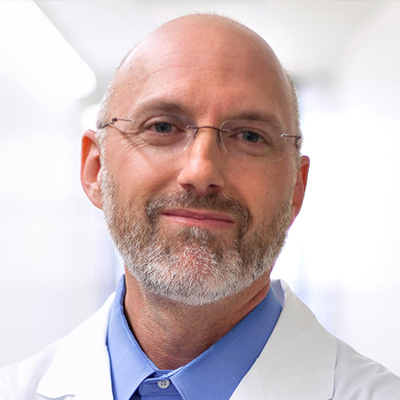
Dr. Brent Fogel is a Professor in the Departments of Neurology and Human Genetics at the David Geffen School of Medicine, UCLA. He directs the Neurogenetics Clinic and the UCLA Clinical Neurogenomics Research Center , focusing on diagnosing and managing genetic neurological disorders such as cerebellar ataxia , ataxia with oculomotor apraxia , spastic paraplegia , and leukodystrophies . His research integrates genomics , bioinformatics , and neuroimaging to improve precision medicine in prenatal counseling and rare disease diagnosis. Education: MD, PhD from Medical College of Wisconsin (2003) PhD in Genetics (2001) Internship in Internal Medicine (Northwestern University, 2004) Residency in Neurology (UCLA, 2007) Fellowship in Neurogenetics (UCLA, 2009) Board Certified in Neurology (2009) Research Focus: Dr. Fogel’s work spans neurogenetics , spinocerebellar ataxia , leukodystrophy , and genomic technologies . He has pioneered gene discovery in hereditary ataxias, developed transcriptional biomarkers , and contributed to diagnostic guidelines for rare disorders. His studies on lysosomal genes in Parkinson’s disease and exome sequencing disparities address critical gaps in neurogenetic research. Key Collaborations: He leads multicenter studies with the Ataxia Global Initiative , Undiagnosed Diseases Network , and Genomics England Research Consortium . His lab ( FogelLab ) develops tools like multiWGCNA for gene network analysis.
Marco Tripodi is a researcher at the University of Cambridge's MRC Laboratory of Molecular Biology (LMB), focusing on neural circuits for goal-oriented actions. His work explores how sensory inputs translate into coordinated movements. Research Focus : Neural circuit organization, motor control, sensory-motor integration, and brain mapping. Methodologies : Mouse genetics, optogenetics, viral circuit tracing, in vivo electrophysiology, and behavioral analysis. Recent studies highlight his lab's contributions to understanding collicular circuits, sensorimotor alignment, and advanced tools like self-inactivating rabies for neural circuit mapping. Publications span high-impact journals including Nature, Current Biology, and Cell. His group includes researchers exploring these areas collaboratively. Awards and broader affiliations are not explicitly mentioned in the provided text.
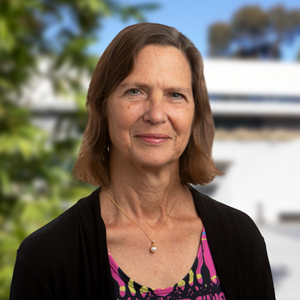
Hollis Cline, PhD, is the Hahn Professor of Neuroscience and Director of the Dorris Neuroscience Center at The Scripps Research Institute (TSRI). She holds adjunct positions at the University of California San Diego and the Salk Institute. Her research focuses on understanding how sensory experience shapes visual circuit development, plasticity, and function, with a focus on neurodevelopmental disorders. Cline earned her PhD in Neurobiology from UC Berkeley (1985) and conducted postdoctoral work at Yale and Stanford. She has served in leadership roles including Co-Chair of TSRI’s Department of Neuroscience and President of the Society for Neuroscience (2015–2016). Her research integrates molecular genetics, electrophysiology, and imaging to study structural dynamics in neural circuits, neurogenesis regulation, and excitation/inhibition balance. Key projects include the Dynamic Connectome (3D connectomics in the optic tectum), neurogenesis control, and the role of inhibition in visual circuit function. Her work revealed activity-dependent mechanisms driving synaptic maturation and topographic map formation, and identified molecular pathways linking visual experience to brain development. Education : PhD (UC Berkeley), B.A. (Bryn Mawr College) Awards : NIH Pioneer Award, AAAS Fellow, TSRI Mentor Award Labs/Teams : Cline Lab at TSRI, Dorris Neuroscience Center Grants : Not explicitly listed but implied via NIH advisory roles and research infrastructure Professional Service : NINDS Board, NIH Advisory Council, Society for Neuroscience leadership Her recent work bridges neurodevelopmental mechanisms with translational insights, using Xenopus models to study exosome-mediated intercellular communication and regeneration responses to injury. Collaborative efforts include the BigNeuron project for neuronal morphology analysis and AI-driven behavior recognition studies.
Prof. Dr. F. Markus Leweke is a faculty member at the Central Institute of Mental Health (ZI) in Mannheim, Germany, leading the Translational Research in Psychosis group. His work focuses on biomarker discovery and molecular mechanisms in schizophrenia. Research Interests : Schizophrenia, biomarkers, proteomics, neuroimmunology, insulin signaling, oxidative stress Publications : Key contributions in N Engl J Med and Mol Psychiatry on clozapine efficacy, proteomic signatures, and immune dysregulation in schizophrenia. Contact : ZI Mannheim | Secretariat: Heike Rapp | Phone: +49 621 1703 -2307 | Fax: +49 621 1703 -2305
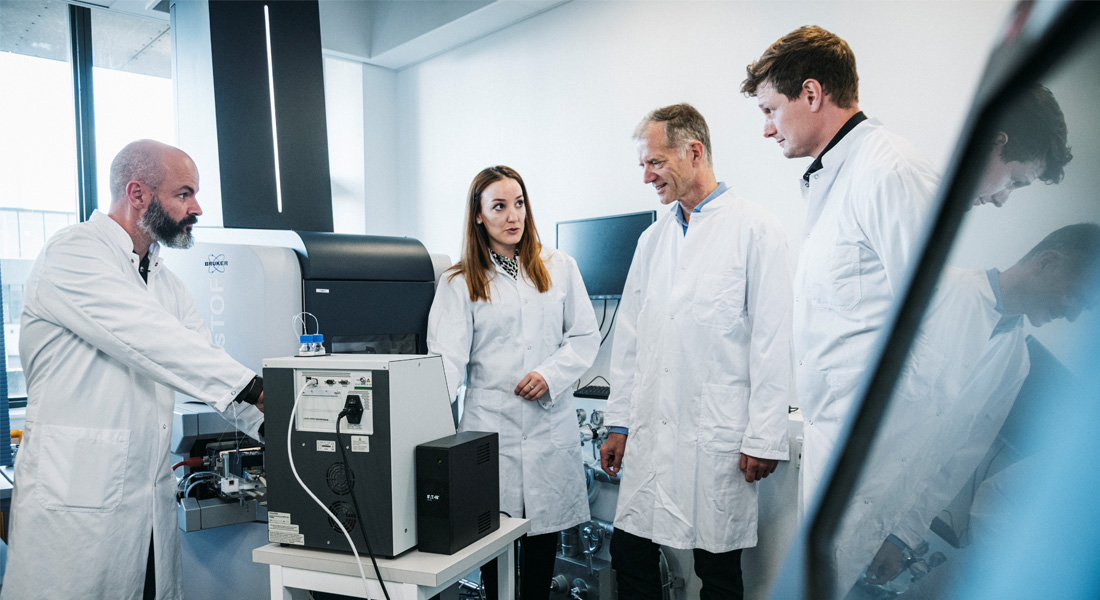
Wilfried O. Rossoll, Ph.D., is an Associate Professor of Neuroscience at Mayo Clinic in Jacksonville, Florida, and serves as Assistant Dean at the Mayo Clinic Graduate School of Biomedical Sciences. He leads the Translational Neuroproteomics Laboratory and is Director of the Multi-Omics Mass Spectrometry Core Laboratory. His research focuses on the molecular mechanisms of protein aggregation in neurodegenerative diseases such as ALS, frontotemporal dementia, and Alzheimer's disease. Ph.D., University of Vienna, Austria Master of Science, University of Vienna, Austria (with research at IMP) Dr. Rossoll's research interests center on understanding proteinopathies—diseases defined by abnormal aggregation of proteins like TDP-43 and tau. His lab uses advanced proteomics, mass spectrometry, and fluorescence microscopy to analyze neuropathological aggregates in human brain tissue and disease models. Key areas include spatial proteomics, molecular profiling of aggregates, mechanisms of protein misfolding, and identifying therapeutic modifiers of aggregation. His work bridges basic science and translational applications, aiming to develop novel therapies for neurodegenerative disorders. The recent publications highlight a strong focus on TDP-43 and tau pathology, phase transitions, stress granule dynamics, and the discovery of nuclear import receptors and other modifiers as therapeutic targets. Techniques such as proximity labeling and spatial proteomics are central to uncovering disease mechanisms and biomarkers. Standing member, Cellular and Molecular Biology of Neurodegeneration Study Section, NIH (2024–present) Associate Editor, Molecular Neurodegeneration (2020–present) Dr. Rossoll has secured multiple research grants from the National Institute on Aging and the U.S. Army, serving as Principal Investigator on projects related to TDP-43 and tau pathology, neuron-glia interactions in Alzheimer's disease, and development of CNTF receptor agonists for ALS therapy. He has mentored postdoctoral fellows and graduate students, contributing to training in neuroscience and proteomics. His laboratory collaborates extensively with the Mayo Clinic Brain Bank and neuropathology teams to validate findings in human tissues. The Translational Neuroproteomics Laboratory operates at the intersection of molecular neuroscience and proteomics, utilizing cutting-edge technologies to decode the composition and dynamics of pathological aggregates. The lab’s work is integral to Mayo Clinic’s broader research mission in neurodegenerative diseases, with a strong emphasis on translating discoveries into clinical applications.
Chao Sun is an Associate Professor affiliated with multiple departments at Aarhus University , including the Department of Molecular Biology and Genetics, DANDRITE, the Interdisciplinary Nanoscience Center (INANO-MBG), and the Department of Biomedicine. His research integrates neurobiology , molecular cell biology , and nanotechnology , focusing on proteostasis, synaptic regulation, and advanced imaging techniques. PhD in Chemistry from Cornell University (2013-2018) Research interests include: Cellular neurobiology Proteostasis and protein turnover Super-resolution microscopy applications Proteomics of neuronal compartments Synaptic biology and plasticity Article trends reveal expertise in: Proteasome dynamics in synapses Multi-omics approaches to subcellular protein synthesis Single-molecule imaging in synaptic contexts Quantitative analysis of neuronal protein turnover Collaborations include leading researchers like Poul Nissen and Erin Schuman, with publications in high-impact journals such as Science and Current Opinion in Neurobiology . His work bridges molecular neuroscience with cutting-edge nanoscale imaging technologies.
Yuki Ogawa is an Assistant Professor in the Department of Biological Sciences at the University of South Carolina , affiliated with the College of Arts and Sciences . Her research focuses on the molecular mechanisms governing neuronal structure and connectivity, particularly the role of the axon initial segment (AIS) in synaptic formation and neuropsychiatric disorders like autism spectrum disorders . Her lab employs proteomics , adeno-associated viral vectors , and CRISPR genome editing to study AIS development and synapse maintenance. They also prioritize biochemical tool development to address unresolved neuroscience questions. Key collaborators include Matthew Rasband and Elisa V. de Freitas . Recent publications explore K2P K+ channel clustering , TRIM46 function , and localized gene transfer methods . The lab's work intersects neurobiology , cellular dynamics , and neuroengineered therapies , with implications for neuropsychiatric disease mechanisms. For inquiries, contact her at yuki.ogawa@sc.edu or visit the Ogawa Lab Website .
Professor Matthias Mann is Research Director and Group leader at the Proteomics Program at Novo Nordisk Foundation Center for Protein Research (CPR) at the University of Copenhagen's Faculty of Health and Medical Sciences. He also holds a Director position at the Max-Planck Institute of Biochemistry in Munich. As one of the most highly cited researchers in the world with h-index 216 and over 200,000 citations, Mann is a pioneer of mass spectrometry-based proteomics who has made landmark contributions to the development of electrospray ionization. Professor Mann's research interests focus on proteomics technology development and its application to biological and clinical problems. His Clinical Proteomics group applies mass spectrometry-based proteomics to understand human health and disease, with the goal of improving patient diagnosis, stratification, and prevention of diseases such as metabolic disorders and cancer. The group has established robust, high-throughput proteome profiling pipelines for clinical cohorts and develops AI-guided platforms for analyzing proteomes from low amounts of formalin-fixed, paraffin-embedded samples. A key research area is the interpretation of multi-omics data through the Clinical Knowledge Graph, which harmonizes multi-omics data with meta-data for machine learning applications. Professor Mann's recent publications demonstrate trends across several fields including clinical proteomics, biomarker discovery, mass spectrometry technology development, and multi-omics integration. His work spans applications in cancer research, metabolic diseases, neuroscience, and cardiac biology, with a consistent focus on translating proteomic technologies into clinical applications for personalized medicine. Dr H.P. Heineken Prize for Biochemistry and Biophysics 2024 Louis-Jeantet Foundation Prize for Medicine (2012) Leibniz Prize of the German Research Society (2012) Körber European Science Award (2012) Ernst Schering Prize (2012) Protein Society Anfinsen Award (2005) Novo Nordisk Prize (2004) Professor Mann has mentored numerous researchers, with several former post-docs receiving prestigious ERC Starting Grants. His research has been supported by significant funding from the Novo Nordisk Foundation and other major research organizations. The Mann Group maintains collaborations with clinical researchers across multiple institutions to apply proteomics to patient cohorts and disease studies. The Mann Group operates within the Novo Nordisk Foundation Center for Protein Research at the University of Copenhagen, working closely with other research groups including the Choudhary Group, Olsen Group, and others within the CPR. The group maintains state-of-the-art mass spectrometry facilities and develops computational tools for proteomic data analysis, creating an integrated environment for technological innovation and biological discovery.
Simon Cervenka is a Professor of Psychiatry at Uppsala University and a Senior Physician at Uppsala Academic Hospital , specializing in Psychosis Research and Preventive Psychiatry . His career spans clinical practice, academic research, and teaching, with a focus on understanding early psychosis progression and developing preventive interventions. MD from Uppsala University (1999) PhD from Karolinska Institutet (2008) Specialist in Psychiatry (2009) Associate Professor at Karolinska Institutet (2016) Professor at Uppsala University (2021) His research investigates psychotic disorders through multidisciplinary approaches, including neuroinflammation , dopamine receptor mapping , and biomarker discovery in cerebrospinal fluid and blood. Key findings include complement system dysregulation and immune activation in early psychosis. Recent publications emphasize transdiagnostic risk prediction , longitudinal healthcare utilization patterns , and neurochemical heterogeneity in psychiatric conditions. He has contributed extensively to PET imaging methodology, particularly in dopamine and glial marker studies . His work bridges clinical psychiatry, neuroimaging, and immunopsychiatry, aiming to improve early detection , preventive strategies , and personalized treatment for psychosis and related disorders. He collaborates with institutions like Karolinska Institutet and participates in ENIGMA Consortium projects.
Sue Griffin is a Professor at the University of Arkansas for Medical Sciences , affiliated with the College of Medicine and the Department of Geriatrics . She holds secondary appointments in Neurobiology & Developmental Science, Pediatrics, Physiology and Cell Biology, and Psychiatry. Her research focuses on neuroinflammation, Alzheimer’s disease, and the role of apolipoprotein E (APOE) genotypes in neurodegenerative pathogenesis. NIH/National Institute on Aging R01AG084472 (2023–2028): Principal Investigator on neuroinflammation, protein aggregates, and autophagy rescue NIH R01HD037989 (2000–2007): Principal Investigator on cytokines in neurodegeneration and Down's syndrome NIH P01AG012411 (1995–2021): Principal Investigator on early events in Alzheimer pathogenesis Her work spans interdisciplinary fields including neuroimmunology, protein homeostasis, and cytokine signaling. Publications highlight connections between inflammation (e.g., IL-1β), amyloid pathology, and genetic risk factors like APOE4. She has contributed to understanding neuroinflammatory mechanisms in Alzheimer’s, Parkinson’s, and Down’s syndrome. Griffin’s recent articles focus on therapeutic strategies targeting autophagy, neuroinflammatory signaling in glioblastoma, and microbial contributions to Alzheimer’s neuropathology. Her research has been supported by NIH grants for over three decades, with collaborations across neurology, genetics, and pharmacology. She is affiliated with the Institute on Aging and the Center for Translational Neuroscience . Her work has been cited in over 50 scientific concepts, including Alzheimer Disease, Epilepsy, and Apolipoproteins E.
Marcello Manfredi is an Associate Professor at the Department of Translational Medicine, Università degli Studi del Piemonte Orientale 'Amedeo Avogadro'. His research focuses on proteomics, lipidomics, and metabolomics, with applications in infectious diseases (e.g., COVID-19), cancer therapy (e.g., triple-negative breast cancer), and functional food development. He leads projects on universal cancer vaccines (UniCanVax), environmental pollution mitigation (SCENARIOS), and sustainable chemical design (INSIGHT). Collaborations span across Europe and Italy, with expertise in multi-disciplinary approaches to biomedical and environmental challenges. Key research interests include extracellular vesicles, biomarker discovery, and the interplay between diet and chronic diseases. His work aligns with UN Sustainable Development Goals, particularly in health and environmental sustainability. He holds grants from AIRC, the European Commission, and other funding bodies, demonstrating a strong commitment to translational research.
Prof. Dr. Birgit Strodel serves as the acting head of the Structural Biochemistry (IBI-7) department at the Institute for Biological Information Processes (IBI), Forschungszentrum Jülich. Her research focuses on understanding the structural basis of protein-ligand interactions, particularly in neurodegenerative and psychiatric disorders. Alzheimer's Disease Parkinson's Disease Protein Folding and Aggregation Computational and Experimental Structural Biology IBI-7 employs advanced techniques such as NMR spectroscopy, X-ray crystallography, and cryo-electron microscopy to determine high-resolution protein structures and develop therapeutic strategies. The department also investigates molecular mechanisms underlying conditions like schizophrenia and explores drug design approaches for neurodegenerative diseases. Recent publications highlight work on protein post-translational modifications, ion effects on amyloid formation, and multi-target drug development for SARS-CoV-2 and neurodegenerative conditions. The research integrates computational modeling with experimental validation to dissect structural determinants of protein interactions.
Gwenn Smith, PhD, is a Professor of Psychiatry and Behavioral Sciences at Johns Hopkins University School of Medicine. She serves as Director of the Division of Geriatric Psychiatry and Neuropsychiatry and Co-Director of the Center for Translational Molecular Imaging at Johns Hopkins Bayview Medical Center. Her primary research facility is located at the Department of Psychiatry, 5300 Alpha Commons Drive, Baltimore. Dr. Smith leads a research program focused on molecular neuroimaging of neurodegenerative and mood disorders. For over two decades, her work has centered on: Developing PET imaging methods to study neurobiological mechanisms of cognitive decline Investigating monoaminergic system dysfunction in late-life depression and dementia Mapping treatment response mechanisms for brain stimulation therapies Identifying early biomarkers for Alzheimer's, Parkinson's, and related disorders Her publication portfolio demonstrates consistent focus on multimodal neuroimaging approaches integrating PET, MRI, and proteomic analyses. Recent work emphasizes: Interactions between serotonin degeneration and amyloid deposition Optimization of deep brain stimulation for Alzheimer's disease Neurobiological signatures of psychosis across neurodegenerative disorders Advanced 7T MR spectroscopy applications Dr. Smith directs several neuroimaging initiatives including studies on fornix deep brain stimulation (ADvance trial), blood-brain barrier opening using focused ultrasound, and traumatic brain injury in athletes. She maintains active collaborations across neurology, neurosurgery, and radiology departments to advance translational applications of neuroimaging.