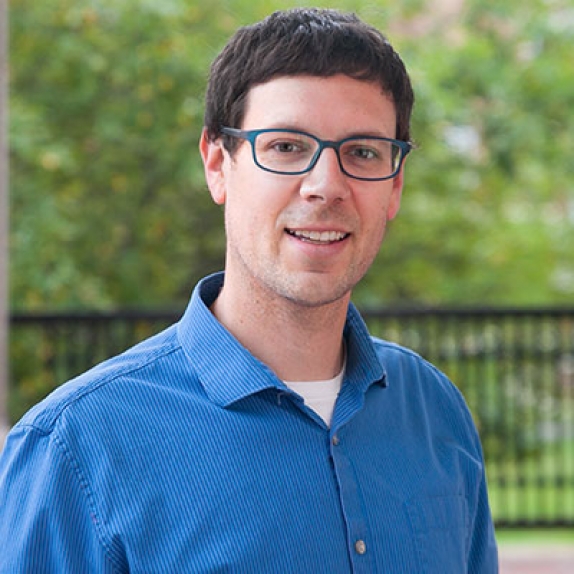
David Lehotzky is a Postdoctoral Research Associate in the Department of Biology at Northeastern University in Boston, Massachusetts (134 Mugar Life Sciences Building). His research bridges interdisciplinary fields including neuroscience, computational biology, and mechanical engineering. Key research areas include: Neuro-behavioral assays for evaluating anesthesia effects on electric fish physiology Computational modeling of neural oscillators and tissue growth mechanisms Stability analysis in milling processes and delayed dynamical systems Application of supervised learning algorithms to animal communication signals His publications demonstrate expertise in cellular automata modeling, spectral element methods, and neurophysiological studies of the weakly electric fish Apteronotus leptorhynchus . Recent work focuses on integrating computational neuroscience with industrial engineering principles.
Milena De Felice serves as Lecturer in Oral Neuroscience at the University of Sheffield's School of Clinical Dentistry, where she leads research on chronic orofacial pain mechanisms and translational pain management strategies. Her work bridges preclinical neuroscience with clinical dentistry applications, focusing on migraine and post-stroke pain pathophysiology. Education: BSc in Biology, Sapienza University of Rome PhD in Pharmacology (2007), Sapienza University of Rome Postdoctoral Research, University of Arizona (lab of Prof. Frank Porreca) Research Focus: Dr. De Felice employs multimodal approaches including preclinical MRI, neurochemical analysis, and electrophysiological studies to investigate neuronal excitability alterations in chronic pain conditions. Her interdisciplinary work targets novel drug development pathways for migraine and post-stroke pain management, emphasizing translational relevance through CNS disorder modeling. Scientific Recognition: Marie Skłodowska-Curie International Incoming Fellowship (European Union) Academic Leadership: As module lead for Head and Oral Cavity in Health and Disease, she shapes dental education while serving on the Sheffield Neuroscience Institute Executive Committee as ED&I lead. Her external examiner roles for King's College London, University of Copenhagen, and Sapienza University of Rome demonstrate international academic influence. Peer review activities span top journals including Pain and Cephalalgia , plus funding bodies Versus Arthritis UK and MRC Neurosciences & Mental Health. Research Infrastructure: Current work integrates resources from the School of Clinical Dentistry and Sheffield Institute for Translational Neuroscience, leveraging cross-departmental collaborations in neuroimaging and pharmacology to advance pain mechanism studies.
Antonio Rodríguez Moreno is a Professor of Physiology and Director of the Cellular Neuroscience and Plasticity Laboratory at Pablo de Olavide University, Seville, Spain. He holds a PhD in Biological Sciences from Autonomous University of Madrid (2000) with an Extraordinary Doctoral Award, and has held academic positions since 2001 at the same university, progressing from Associate Professor to Full Professor in 2016. His research focuses on synaptic transmission mechanisms, neuronal plasticity, and their implications in neurodegenerative diseases. Education: Agricultural Engineer (1992), Biological Sciences Degree (1995), PhD in Biological Sciences (2000) International Experience: Postdoctoral work at University College London, University of Oxford, and University of Cambridge His research integrates synaptic plasticity with neurodegenerative disease modeling, particularly investigating endocannabinoid systems , kainate receptors , and astrocyte-neuron interactions in Alzheimer's disease and Down syndrome models. Recent studies explore how distinct endocannabinoids (anandamide vs 2-AG) differentially regulate synaptic activity through cell-type specific signaling. Key article trends show expertise in receptor pharmacology (CB1, NMDA, KAR), synaptic plasticity mechanisms , and neuroinflammatory modulation in disease states. His team employs electrophysiology , optogenetics , and transgenic models to study these phenomena. Extraordinary Doctoral Award Marie Curie Fellowship EMBO Fellowship HFSP Fellowship FEBS Scholarship Royal Society Fellowship As laboratory director, he supervises a multidisciplinary team including Susana Ramiro Fuentes, Yuniesky Andrade-Talavera, and other researchers. His work has significant implications for understanding neurological disorders through mechanisms like galectin-3 inhibition and mitochondrial disease modeling .
Dr. Asheeta Prasad serves as an Adjunct Senior Lecturer in the School of Psychology at the University of New South Wales (UNSW). She holds a Doctor of Philosophy from the University of Utrecht, the Netherlands, a Masters of Molecular Biology from the University of Queensland, Australia, and a Bachelor of Science (Biomedical Science) from the University of Western Sydney, Australia. Doctor of Philosophy, University of Utrecht, the Netherlands Masters of Molecular Biology, University of Queensland, Australia Bachelor of Science (Biomedical Science), University of Western Sydney, Australia Dr. Prasad's research centers on the wiring of the brain, specifically how neurons grow and form neural circuits that govern complex behaviors including learning, memory, reward-related behavior, and movement. Her work investigates how disruptions in these neural circuits contribute to neurological disorders such as drug addiction, depression, Parkinson's disease, Huntington's disease, and Multiple sclerosis. She employs an interdisciplinary toolkit combining molecular biology, optogenetics, chemogenetics, and behavioral neuroscience techniques to dissect these complex neural systems. Analysis of Dr. Prasad's publication history reveals a consistent focus on addiction mechanisms, particularly alcohol addiction, with increasing attention to Parkinson's disease in recent years. Her research frequently examines specific brain regions including the ventral pallidum, subthalamic nucleus, and striatal pathways, with a growing emphasis on applying precision techniques like optogenetics to manipulate neural circuits and understand their causal role in behavior and disease processes. Discovery Early Career Research Award (2017) Travel award from Asia-Pacific Alcohol Addiction Research Society (2017) Finalist Parkinson's NSW Young Investigator (2016) Silver Star Award, UNSW (2018) Dr. Prasad has secured substantial research funding including a National Health and Medical Research Council grant ($507,000, 2019-2021), a Discovery Early Career Research Fellowship ($388,000, 2017-2020), and multiple Parkinson's NSW seed funds. She actively collaborates with researchers including Claire Shepherd and Perminder Sachdev. Beyond laboratory research, Dr. Prasad is deeply engaged in science communication through Brain Awareness Week events, Pint of Science presentations, and innovative art-science collaborations that translate complex neuroscience concepts for broader public understanding.
David J. Anderson is the Seymour Benzer Professor of Biology at the California Institute of Technology (Caltech), serving as Director and Leadership Chair of the Tianqiao and Chrissy Chen Institute for Neuroscience. He is also a long-standing Investigator of the Howard Hughes Medical Institute (HHMI), appointed in 1989. His academic credentials include an A.B. in Biochemical Sciences from Harvard University (1978, summa cum laude) and a Ph.D. in Cell Biology from Rockefeller University (1983), where he trained with Nobel Laureate Günter Blobel. Postdoctoral training followed at Columbia University with Nobel Laureate Richard Axel. Anderson's research centers on the neurobiological basis of emotional behaviors, particularly fear, anxiety, and aggression. His lab employs mice, Drosophila, and the jellyfish Clytia hemisphaerica to dissect neural circuits using optogenetics, chemogenetics, single-cell RNA sequencing, and advanced behavioral analysis. Key discoveries include identifying aggression-controlling neurons in the hypothalamus and fear-processing microcircuits in the amygdala. Recent publications reveal a strong emphasis on decoding aggression circuits through computational modeling of neural dynamics, whole-brain imaging, and cross-species comparisons. His work integrates molecular, cellular, and systems approaches to understand how internal emotional states emerge from neural activity and influence behavior. Major scientific awards include: 2018 Edward M. Scolnick Prize in Neuroscience 2017 New York Academy of Medicine Salmon Award 2016 Perl-UNC Neuroscience Prize 2007 National Academy of Sciences election Multiple named professorships and fellowships As an HHMI Investigator since 1989 and Allen Distinguished Investigator (2010), Anderson has secured substantial research funding. He serves on the Scientific Advisory Board of the Allen Institute for Brain Science and has mentored numerous trainees. His lab develops cutting-edge tools like the Mouse Action Recognition System (MARS) for behavioral analysis. The David Anderson Lab operates as a multidisciplinary hub integrating genetics, neurophysiology, and computational methods. Current collaborations with engineering groups focus on machine vision for behavior quantification, while expanding the Clytia model to investigate primitive internal states in brainless organisms.
John Osborn is a Professor in the Department of Surgery at the Institute for Engineering in Medicine, University of Minnesota , with a focus on hypertension , renal medicine , and neurocardiology . His research explores autonomic regulation, neural stimulation, and interventional therapies for cardiovascular disorders. Current projects include vagus nerve stimulation for cardiovascular modulation (2021-2028), renal denervation trials with Ablative Solutions (2021-2026), and transcriptomic analysis of sensory neurons in neurogenic hypertension (2024-2025). His work contributes to UN Sustainable Development Goals through medical device innovation and precision hypertension treatment . Research Trends : Recent publications focus on renal nerve mechanisms , vagal excitation , and neurohumoral interactions in cardiovascular disorders, with interdisciplinary applications spanning neuroscience , physiology , and biomedical engineering . Collaborations : Dr. Osborn works with institutions like NIH , Verve Medical , and Augusta University , collaborating with experts in neurology , biomedical engineering , and cardiovascular medicine .
Dr. Ana Lia Obaid is an Adjunct Associate Professor of Neuroscience at the University of Pennsylvania's Perelman School of Medicine. Her work specializes in optical techniques for monitoring neural activity, particularly using voltage-sensitive dyes to study excitation-secretion coupling and enteric nervous systems. She holds a Ph.D. in Biochemistry from the University of Buenos Aires (1974) and an M.S. from the University of Rosario (1969). Her research investigates: Real-time optical recording of membrane potential and calcium transients Functional connectivity in neuronal networks Mechanisms of neurosecretion in vertebrate terminals Enteric nervous system dynamics in guinea-pig models Recent publications (2004-2025) demonstrate sustained innovation in neurophotonics, spanning molecular probe development, action potential mechanics, and advanced imaging of nicotinic receptors. Her work consistently bridges biophysics, neurophysiology, and optical engineering.
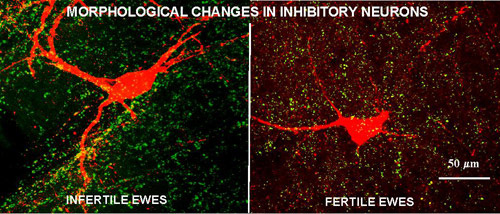
Robert Goodman is a Professor at the West Virginia University School of Medicine , with affiliations in the Department of Physiology, Pharmacology & Toxicology and the Rockefeller Neuroscience Institute . He has maintained a continuous faculty position since 1980. Research Focus: His work centers on neuroendocrine mechanisms controlling gonadotropin-releasing hormone (GnRH) secretion, particularly the role of KNDy neurons (kisspeptin/neurokinin B/dynorphin) in mediating ovarian steroid feedback. Key areas include seasonal breeding regulation, episodic GnRH secretion, and hypothalamic plasticity. Scientific Contributions: Dr. Goodman has authored numerous studies on: KNDy neuron functionality in sheep models Estradiol's positive/negative feedback mechanisms Melatonin and thyroid hormone interactions in seasonal reproduction Endogenous opioid peptides' role in progesterone feedback Awards: Benedum Distinguished Scholar (1992)
Dr. Lucille Duquenoy is a post-doctoral Research Fellow at the University of Oxford, affiliated with both the Cragg Group and Waddell Group within the Department of Physiology, Anatomy and Genetics. She maintains college membership at St John's College and contributes to the Oxford Parkinson's Disease Centre research consortium. Her work bridges molecular neuroscience and systems-level neural circuit analysis with direct clinical relevance to movement disorders. Dr. Duquenoy's research focuses on dopamine neurobiology , specifically investigating acetylcholine's modulation of dopamine release in the murine striatum—a question that has puzzled neuroscientists for decades. Her innovative inter-species approach combines Drosophila genetics with advanced mouse neurophysiology to study neural circuits underlying learning, memory, and reward processing. Recent publications demonstrate her methodological expertise in voltage sensor imaging and fluorescent in situ hybridization , with findings directly relevant to Parkinson's disease mechanisms where disrupted dopamine patterns cause motor symptoms. Her publication record shows strong momentum with high-impact contributions in Neuron (2024) and Nature (2023), indicating robust research productivity. Dr. Duquenoy's work has attracted significant attention, with her research being picked up by multiple news outlets and shared extensively across academic social media platforms. Dr. Duquenoy's research program operates within the Cragg Group's infrastructure at Oxford, utilizing specialized neuroscience facilities for dopamine imaging and electrophysiological recording . Her collaborative approach spans multiple laboratories, including ongoing work with the Waddell Group on conserved neural circuit mechanisms. The team maintains active connections with international neuroscience consortia focused on basal ganglia function and movement disorders.
Stuart William George is an Associate Professor at the National University of Singapore , specializing in pain research within the Department of Psychology . His work investigates pain mechanisms that occur without obvious injury or disease, focusing on conditions like fibromyalgia, low back pain, and irritable bowel syndrome. Ph.D. and B.Sc. (Hons.) from the University of London Expert in functional neuroimaging and hypnosis for pain modification Developed experimental techniques including rubber hand illusion-induced pain Using functional MRI and direct stimulation, his research explores the neural basis of pain perception through methods like suggested pain and vicarious pain observation. Key studies examine pain modulation in clinical populations and ethical dimensions of injury feigning in sports. His publications span neuroscience , social psychology , and clinical pain management , with notable work on brain activity divergence during pain interventions and empathic pain responses. Collaborations with researchers like D.A. Oakley and M.G. Whalley highlight interdisciplinary approaches.
Brian Kobilka is a Professor of Molecular and Cellular Physiology at Stanford University School of Medicine, holding the Hélène Irwin Fagan Chair of Cardiology. He is a member of multiple prestigious institutes including Bio-X, the Cardiovascular Institute, the Maternal & Child Health Research Institute (MCHRI), and the Wu Tsai Neurosciences Institute. Dr. Kobilka's research focuses on G protein-coupled receptors (GPCRs), particularly adrenergic receptors. His laboratory studies receptor structure, intracellular trafficking, and the physiological relevance of receptor subtype diversity. Using techniques like cryo-EM, molecular dynamics, and single-molecule imaging, his team investigates conformational changes during receptor activation and G protein coupling. His recent publications reveal groundbreaking insights into GPCR mechanisms, including G protein coupling specificity, receptor activation pathways, and novel drug design approaches for pain management and metabolic disorders. His work bridges structural biology with therapeutic applications, with particular emphasis on understanding how receptor conformational changes translate to specific signaling outcomes. Nobel Prize in Chemistry (2012) for studies of G protein-coupled receptors American Academy of Arts and Sciences (2010) National Academy of Sciences (2009) Dr. Kobilka mentors numerous postdoctoral scholars, doctoral students, and medical scholars. His laboratory has trained many successful scientists who continue to advance the field of receptor pharmacology. His research is supported by multiple NIH grants and other funding sources that enable cutting-edge structural and biophysical investigations of receptor function. The Kobilka Lab at Stanford employs cutting-edge techniques including time-resolved cryo-EM, single-molecule fluorescence imaging, and molecular dynamics simulations to study GPCR structure and function. The lab maintains strong collaborations with pharmaceutical companies and academic researchers worldwide, focusing on translating basic science discoveries into therapeutic applications for cardiovascular disease, pain management, and neurological disorders.
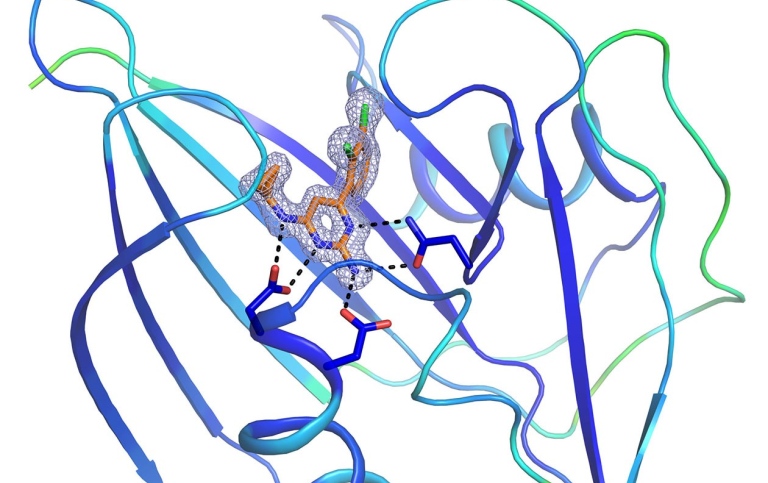
Pål Stenmark is a Professor of Biochemistry at the Department of Biochemistry and Biophysics , Stockholm University. His research focuses on botulinum neurotoxins and structure-based drug design , particularly targeting enzymes in nucleotide metabolism for cancer therapy. Research Interests Elucidating the molecular mechanisms of botulinum neurotoxins using X-ray crystallography and cryo-EM . Developing novel cancer drugs through structural insights into proteins like MTH1 and OGG1 , which are critical for managing oxidative DNA damage. Applying interdisciplinary collaborations to refine inhibitors for therapeutic applications. Scientific Awards Awarded a grant from the Swedish Brain Foundation (Hjärnfonden) in 2023 for research on ALS, Epilepsy, and Alzheimer's. Students and Collaborators Supervises a team including PhD students and postdocs such as Chloe Leveque , Maria Nowakowska , and Ellen Walse . Laboratory members engage in projects spanning protein structure , neurotoxin interactions , and nanobody tools for synaptic imaging. Publications His recent work explores trends in botulinum toxin engineering , OGG1 activation , and endolysin structures for food safety applications.
Professor Bryndis Birnir is a leading researcher at Uppsala University's Department of Medical Cell Biology within the Faculty of Medicine. She founded the GABA Lab at Uppsala University in 2008, establishing herself as a prominent figure in neuroscience and diabetes research. Her primary research focuses on the multifaceted roles of the signaling molecule GABA (γ-aminobutyric acid) across different physiological systems. Her work spans three major areas: GABA's function as the main inhibitory neurotransmitter in the brain, its role in modulating insulin and glucagon secretion in pancreatic islets, and its regulatory effects on inflammatory and anti-inflammatory molecule release from white blood cells. Professor Birnir's research demonstrates that GABA serves as a crucial homeostatic molecule that promotes physiological balance and health. Her recent publications reveal a strong emphasis on the intersection of neuroscience, immunology, and diabetes research. She has made significant contributions to understanding how GABA signaling affects T cell function in diabetes, how it's altered in Alzheimer's disease models, and its potential therapeutic applications for diabetes treatment. Her work consistently explores the connections between metabolic health, neural function, and immune regulation. Professor Birnir's laboratory investigates GABA signaling mechanisms across multiple systems, with particular attention to how this signaling pathway might be targeted for therapeutic interventions in neurological disorders, diabetes, and inflammatory conditions. Her research has important implications for developing novel treatments for type 1 diabetes, neurodegenerative diseases, and immune-related disorders. She leads an active research group including researchers Zhe Jin, Sergiy Korol, and Hao Li, and collaborates extensively with other research groups at Uppsala University, particularly through EXODIAB (Excellence of Diabetes Research in Sweden).
Steven Threlkeld is an Associate Professor of Neuroscience and Neuroscience Program Director at Regis College's School of Health Sciences. Since joining Regis in 2016, he has developed over a dozen neuroscience courses and established the department's major/minor programs while directing the Regis College Brain Sciences Association for community outreach. Education: Postdoctoral Training: Research Associate in Pediatrics, Perinatal Brain Research Laboratory, Women & Infants’ Hospital/Brown University (2008-2010) Ph.D. & M.A. in Behavioral Neuroscience, University of Connecticut B.A. in Psychology, University of Portland His research investigates anatomical and behavioral consequences of disrupted forebrain development from injury or teratogenic events, focusing on how behavioral experience or pharmacological intervention improves outcomes. Current projects examine inflammation in neonatal hypoxia/ischemia and mild traumatic brain injury, specifically anti-inflammatory treatments' effects on learning, auditory processing, and neuroanatomy using rodent models. He emphasizes undergraduate research integration, developing hippocampal slice culture techniques for introductory labs through recent MLSC funding. Analysis of his 14 publications (2007-2022) reveals consistent focus on neonatal hypoxic-ischemic injury and traumatic brain injury, with Inter-alpha inhibitor proteins as a recurring therapeutic target. Key trends include developmental windows of plasticity, auditory processing deficits, and experience-dependent recovery mechanisms across juvenile and adolescent periods. Research Funding: Principal Investigator: NIH R15HD077544 ($329,762; 2013-2017) & competitive renewal 2R15HD077544 ($275,000; 2018-2023) on neonatal brain injury; RI-INBRE Award ($267,690; 2011-2013) Co-investigator: NIH R01NS094440 ($130,350; 2016-2022) on TBI neuroprotection; MLSC Workforce Development Grant ($748,000; 2024-2025) for neuroscience equipment Dr. Threlkeld maintains active collaborations with Brown University's Perinatal Brain Research Laboratory and Rhode Island Hospital's Neurotrauma and Brain Barriers Lab. His Regis laboratory trains undergraduates in neuron culture, behavioral testing, and neuroanatomical analysis, with recent MLSC funding enabling advanced brain tissue preparation techniques for student training.
Associate Professor Sokcheon Pak at Charles Sturt University's School of Dentistry and Medical Sciences has specialized in complementary medicine since 2007, pioneering evidence-based practice (EBP) in this field through laboratory research and clinical validation. His work bridges traditional therapies with modern biomedical analysis, focusing on substances like bee venom and nutraceuticals. Key affiliations: Charles Sturt University, Gulbali Research Institute Academic background: BSc in Nutrition, MSci in Physiology, PhD in Physiology Research interests center on: Scientific validation of complementary medicine through modern technologies Bee venom applications in inflammation, fibrosis, and neurological conditions Development of nutraceuticals with clinical relevance Combating lack of evidence in complementary medicine through publications Article trends reveal: 2025-2024 focus on Aboriginal health research and rice bran arabinoxylan in oncology 2023-2022 advancements in venom mechanisms for wound healing and immunomodulation 2021-2020 foundational studies on DNA protection and chronic disease applications Scientific recognition includes: Guest editorship for TOXINS journal special issue Springer book chapter invitations on bee venom properties Leadership in EBP education for complementary medicine Academic contributions span: Supervision of honours students and research teams Active participation in research symposia and faculty workshops Interdisciplinary collaborative projects across pharmacology, physiology, and indigenous health