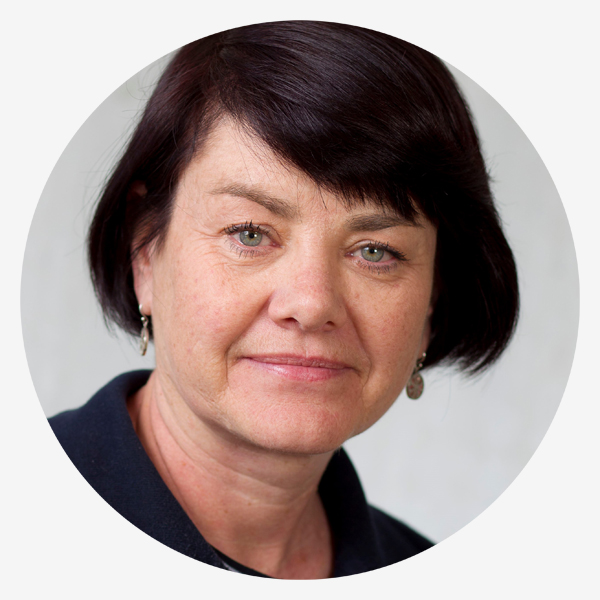
Professor Helen Cooper is a faculty member at the University of Queensland, affiliated with the Queensland Brain Institute and the Faculty of Health, Medicine and Behavioural Sciences. She holds the rank of Professor and leads the Neural Migration Laboratory. Her research focuses on the cellular and molecular mechanisms governing neocortex development, with a particular emphasis on neurodevelopmental disorders such as autism and schizophrenia. She has pioneered studies on axon guidance receptors like Neogenin and Ryk, linking their roles to neural stem cell function, neuronal migration, and synaptic connectivity. Education: PhD in Biochemistry and Molecular Biology from the University of Melbourne. Postdoctoral training at the Scripps Research Institute and Ludwig Institute for Cancer Research. Established her independent laboratory at The University of Queensland in 2003. Research Interests: Mechanisms of cortical development, neural stem cell biology, axon guidance, and the molecular basis of neurodevelopmental disorders. Her lab uses mouse models and human induced pluripotent stem cells to explore how signaling pathways like Netrin-DCC and Wnt-Ryk regulate brain architecture and contribute to conditions like hydrocephalus and autism spectrum disorders. Articles: Over 98 publications, including key works on Neogenin’s role in actin remodeling, ependymal cell physiology, and the interplay between autism genes and cortical malformations. Recent studies highlight the involvement of WNT5a and RGMa in dendritic spine morphogenesis. Awards: Recipient of the Smart Futures Fellowship (2009) for nanoparticle drug delivery research. Extensive funding from NHMRC, The McCusker Charitable Foundation, and other grants for projects on hydrocephalus, autism gene networks, and ependymal cell development. Advising: Supervised over 20 PhD and Master’s students, focusing on topics like neural migration, epigenetics, and synaptic development. Collaborates with institutions globally to advance translational neuroscience. Labs/Teams: Queensland Brain Institute, Neural Migration Laboratory. Active in interdisciplinary collaborations, including work with Ernst Wolvetang’s team on pluripotent stem cell models.