G. Boyd Padgett is Professor and Extension/Research Row Crop Plant Pathologist at Louisiana State University's College of Agriculture. He serves as State Small Grains and Peanut Specialist and Interim Soybean Specialist, developing disease management programs for major Louisiana crops including corn, cotton, grain sorghum, peanut, soybean, and small grains. Education: Educational background not explicitly provided in text. Dr. Padgett's research focuses on the epidemiology and management of fungal pathogens affecting row crops. His work emphasizes field-based solutions through variety evaluation, fungicide efficacy trials, and integrated disease management strategies. He has secured over $3 million in grant funding from organizations including the United Soybean Board, USDA, and National Peanut Board. Recent publications address soybean rust monitoring systems, fungicide resistance mechanisms in Cercospora species, nematode management in cotton, and integrated disease management strategies for wheat and soybeans. His extension program delivers practical disease management solutions through over 170 local, state, and national presentations and media engagements. Dr. Padgett teaches plant disease management courses and mentors graduate students. His extension publications provide disease management guidelines for Louisiana growers, addressing emerging threats like target spot of cotton and Fusarium head blight of wheat.
Vincent Foray is a Researcher at the University of Tours, affiliated with the Research Institute on Insect Biology (IRBI) and the Department of Animal Biology and Genetics. He specializes in thermal biology, symbiotic interactions, and the impacts of climate change on insects. His work focuses on how temperature and endosymbiotic bacteria influence insect phenotypes and fitness, particularly in aphids. Research themes include: (1) Thermal biology, exploring how temperature fluctuations affect insect performance and adaptation, and (2) Symbiotic interactions, studying the role of endosymbionts like Serratia symbiotica and Wolbachia in thermal tolerance and host-symbiont dynamics. He teaches courses in population genetics and organism biology. Publications span topics like aphid-parasitoid dynamics, microbial symbiont effects on host fitness, and thermal adaptation mechanisms. Collaborations include studies on Drosophila suzukii invasions and metabolic impacts of dietary shifts. His work is grounded in integrative approaches combining molecular, physiological, and behavioral data.
Zane Grabau is an Assistant Professor in the Department of Entomology and Nematology at the University of Florida/IFAS . His work focuses on nematology, particularly the management of plant-parasitic nematodes in agronomic and horticultural crops. Primary research areas: Soybean Cyst Nematode (SCN), Root-Knot Nematodes, Integrated Pest Management (IPM), and cover crop strategies Key institutional affiliations: UF/IFAS Nematode Assay Lab, Agronomy Department Dr. Grabau specializes in nematode biology, population dynamics, and sustainable management practices. His research evaluates chemical control (fumigants, non-fumigants, aldicarb), cultural methods (cover crop rotation, fallow periods), and biological control strategies. Recent publications analyze nematode impacts on corn, soybean, sweetpotato, and cotton. He emphasizes practical diagnostics, soil sampling protocols, and economic considerations for growers. As a member of the UF/IFAS Nematode Assay Lab team, he contributes to molecular species identification and field-specific recommendations.
Johan Desaeger is an Associate Professor of Nematology in the Department of Entomology and Nematology at the University of Florida's Institute of Food and Agricultural Sciences (UF/IFAS), based at the Gulf Coast Research and Education Center in Wimauma, Florida. His work bridges academic research and practical extension services for Florida's agricultural community. Dr. Desaeger's research focuses on nematology with particular expertise in root-knot nematodes and their management across various agricultural systems. His work spans from fundamental nematode biology to practical field applications for crop protection. He has made significant contributions to understanding Meloidogyne graminicola (rice root-knot nematode) and Meloidogyne enterolobii (guava root-knot nematode), including their life cycles, host ranges, and management strategies. His research integrates chemical, biological, and cultural approaches to nematode management, with particular emphasis on vegetable production systems. His publication record demonstrates a strong focus on practical nematode management solutions for Florida growers, with numerous articles in the Vegetable Production Handbook of Florida covering crops including tomatoes, strawberries, cucurbits, and specialty vegetables. His research shows consistent attention to both conventional nematicides and alternative management strategies, reflecting the evolving regulatory landscape for pest management in agriculture. Rice Root-Knot Nematode research Guava Root-Knot Nematode characterization Non-fumigant nematicide evaluation Integrated Pest Management systems Crop-specific nematode management guides Dr. Desaeger actively collaborates with other UF/IFAS faculty across disciplines to develop comprehensive pest management solutions. His work demonstrates strong integration of economic analysis with biological research, ensuring practical applicability for growers. He serves as a key resource for Florida's agricultural community on nematode identification and management strategies across diverse cropping systems.
Hassan Hakimi is an Assistant Professor of Veterinary Parasitology in the Department of Diagnostic Medicine/Pathobiology at Kansas State University's College of Veterinary Medicine. His academic journey includes a DVM from University of Tehran, Iran, an MSc from Obihiro University of Agriculture and Veterinary Medicine in Japan, and a PhD from Gifu University United Graduate School of Veterinary Sciences, Japan, followed by post-doctoral trainings at Nagasaki University and Texas A&M University. He is also a Diplomate of the American College of Veterinary Microbiologists-Parasitology. Dr. Hakimi's research focuses on the functional genomics of important protozoan parasites, particularly Babesia and Theileria (tick-borne pathogens), with special emphasis on the molecular mechanisms that underpin parasite survival within host erythrocytes. He has pioneered the development of genetic tools for Babesia parasites, including establishing a CRISPR/Cas9 system and adapting glmS riboswitch system for conditional gene knockdown. A second major research line focuses on Guinea worm (Dracunculus medinensis), aiming to understand immune responses to develop diagnostic tools for this neglected tropical disease. His publication record shows consistent high-impact research output, with recent papers exploring ves1α genes in cytoadhesion, spherical body proteins in red blood cell modification, and genetic tools for parasite manipulation. The research spans molecular mechanisms, diagnostic development, and comparative genomics across various parasite species. Diplomate of American College of Veterinary Microbiologists-Parasitology Dr. Hakimi serves as co-instructor for the Clinical Veterinary Parasitology course (DMP834) for second-year veterinary students. His work bridges basic molecular parasitology with practical veterinary applications, contributing significantly to our understanding of parasite biology and developing tools for disease control. His research has implications for both veterinary and human medicine, particularly in understanding host-pathogen interactions and developing interventions for parasitic diseases.
Becky B. Westerdahl is a Professor and Professor of Cooperative Extension at the University of California, Davis, affiliated with the Department of Nematology within the College of Agricultural and Environmental Sciences. She joined UC Davis in 1986 and holds a B.S. in Biology from Chapman University (1972) and a Ph.D. in Biology with a specialization in Nematology from the University of California, Riverside (1978). Her research focuses on applied nematology, integrated pest management, and extension services. Key interests include biotechnological approaches to nematode management, sustainable practices for agricultural crops, and the development of non-chemical pest control strategies. She has contributed to studies on root lesion nematode resistance in Easter lilies, trap cropping systems for vegetable crops, and the use of essential oils and biochar in pest management. Her work emphasizes practical solutions for farmers, such as optimizing irrigation techniques for nematicide efficacy and evaluating preplant soil fumigation alternatives. She has published extensively on nematode challenges in sugarcane, sugar beet, potatoes, and other crops, advocating for environmentally friendly methods. Westerdahl collaborates with extension programs to disseminate knowledge, ensuring research findings translate into actionable strategies for agricultural communities. Her contributions span peer-reviewed articles, book chapters, and outreach initiatives, reflecting her dual role as a researcher and educator.
Mihaela Pertea, PhD, is an Associate Professor in the Department of Biomedical Engineering at Johns Hopkins University, with affiliations in Genetic Medicine and the Computer Science department. She leads the Pertea Lab, focusing on computational methods for analyzing genomic and transcriptomic data to understand cellular function, particularly in gene finding, alternative splicing, and RNA-seq analysis. Her work integrates machine learning and statistical techniques to improve gene annotation and maintain genomic catalogues. Education: PhD in Computer Science (Johns Hopkins University, 2001); multiple degrees from University of Bucharest (BS in Psychology, BS and MS in Computer Science). Affiliations: Center for Computational Biology at Johns Hopkins. Research interests include developing algorithms for transcriptome assembly, splice site prediction (e.g., Splam tool), and tools like StringTie for RNA-seq analysis. Her lab’s work has contributed to genome projects of malaria parasites, nematodes, and other pathogens. Recent achievements include an AIMBE College of Fellows recognition (2025) and innovations in AI-driven gene splicing analysis. Publications span over 70 peer-reviewed articles, emphasizing computational biology tools and genomic studies. Notable collaborations include work on the ENCODE project and genome sequencing of Plasmodium falciparum. Her lab’s tools (e.g., CHESS, GFF Utilities) are widely used in genomic research.
Dr. Earl Creech is an Assistant Professor and Agronomy Specialist at Utah State University's College of Agriculture and Applied Sciences , with a focus on the Department of Plants, Soils, and Climate . He earned his PhD in Weed Science from Purdue University (2007) and an MS in Plant Science from USU (2003). Research interests include: Weed-Soil-Crop Interactions Sustainable Soil Health through Compost and Cover Crops Drought-Tolerant Crop Management Integrated Pest Management (IPM) in Forage and Field Crops Agricultural Extension and Education Publication trends (2025–2021) emphasize herbicide resistance , compost impacts on soil organic matter , nematode-weed interactions , and innovative irrigation strategies for crops like alfalfa and corn in semi-arid environments. Scientific awards include: Extension Specialist Career Award (2024) Graduate Research Mentor of the Year (multiple years) Best Student Paper Advisor (2024, 2021, 2019) Richard L. Chase Scholarship (2003, 2002) He has advised 19 graduate students since 2014 and led extension programs on weed control , soil testing , and cover crop integration across the western U.S.
Prof. Dr. Karl-Josef Dietz holds a Professorial Chair (C4) in Biochemistry and Physiology of Plants at the Faculty of Biology, Bielefeld University since 1997. He is Head of the working group 'Biochemistry and Physiology of Plants' at the Center for Biotechnology (CeBiTec). His academic career spans prestigious institutions including Julius-Maximilians-Universität Würzburg (where he completed his PhD and Habilitation), Harvard University (postdoc position), and numerous international research stays in France, Japan, and the USA. Prof. Dietz's research focuses on plant stress responses, redox regulation, and photosynthesis. His work explores how plants acclimate to multiple environmental stresses through molecular signal integration, with particular emphasis on reactive oxygen species (ROS) signaling, thiol peroxidases, and oxylipin pathways. His laboratory investigates the mechanisms of redox regulation in chloroplasts and mitochondria, stress sensing, and plant defense responses against pathogens and abiotic challenges. His recent publications reveal a strong focus on redox biology, stress acclimatization mechanisms, and the role of peroxiredoxins in plant stress responses. His work spans both fundamental biochemical investigations and applied research in plant protection and stress tolerance. Scientific Awards and Recognition: Science Prize of the University Foundation Würzburg (1985) Gay-Lussac-Humboldt Prize (2012) Prof. Dietz has served in numerous leadership roles including Dean of the Faculty of Biology (2004-2006), President of the German Botanical Society (2012), and as a member of the Science Board of the German Research Foundation (DFG). He serves on the editorial boards of several prestigious journals including Journal of Experimental Botany, Physiologia Plantarum, and Plant Physiology. His professional activities demonstrate extensive involvement in national and international scientific communities, including the German Society of Botany, the American Society of Plant Biologists, and the Federation of European Societies of Plant Biology.
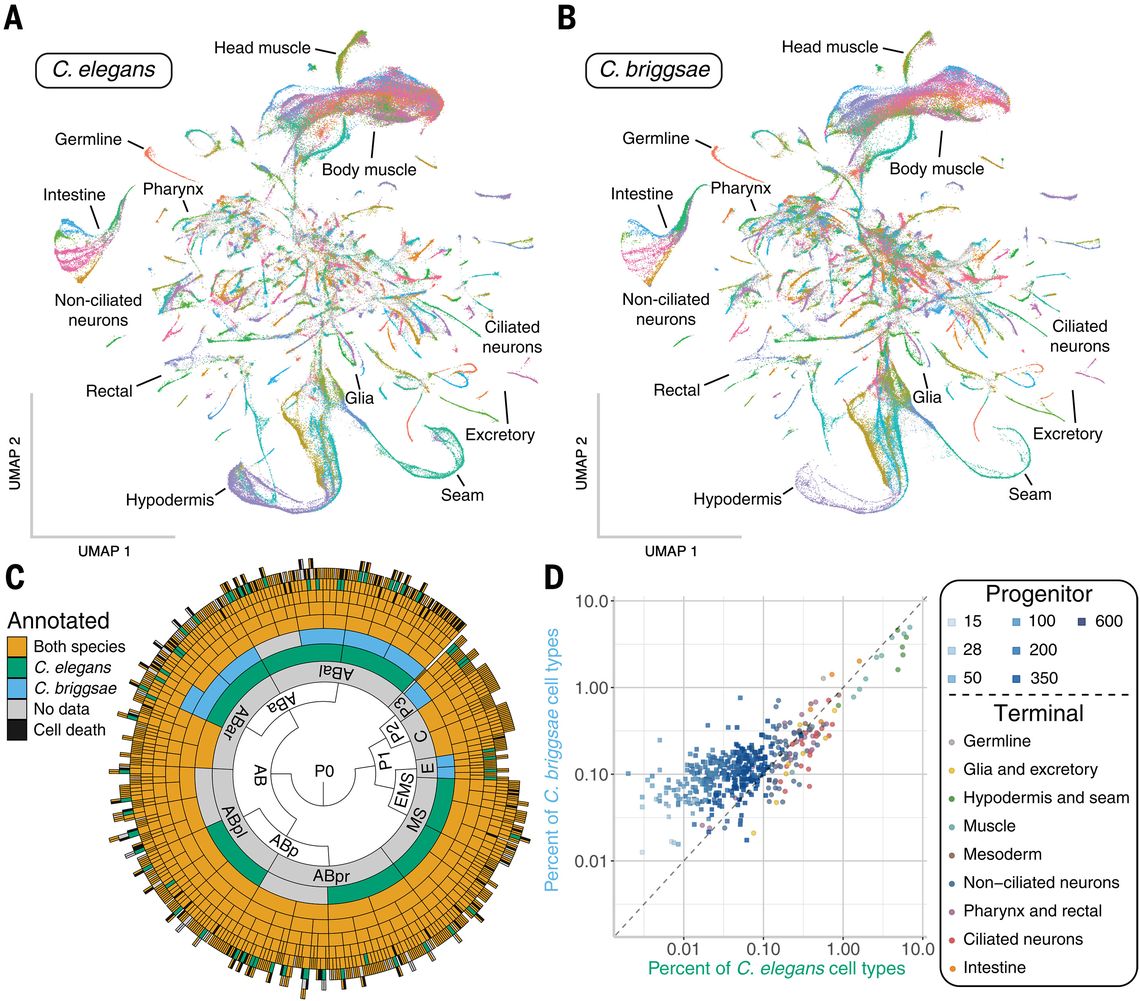
John Isaac Murray is a Professor of Genetics at the Perelman School of Medicine, University of Pennsylvania. His laboratory focuses on understanding how genomes orchestrate animal development at single cell resolution using the nematode worm Caenorhabditis elegans as a model organism. Dr. Murray's research integrates powerful imaging-based experiments with genomics and computational tools to determine gene expression patterns across entire embryos at single cell resolution. Dr. Murray received his B.S. in Civil Engineering with a minor in Biology from Carnegie Mellon University in 1999, followed by a Ph.D. in Genetics from Stanford University in 2004. He completed his post-graduate training as a Senior Fellow in Genome Sciences at the University of Washington from 2003 to 2009, working in the laboratory of Robert Waterston. Dr. Murray's research interests span developmental biology, genomics, and gene regulation. His laboratory has developed innovative lineage tracing methods that allow quantitative determination of gene expression at single cell and approximately 1-minute temporal resolution for essentially all embryonic cells. Current research focuses on three main areas: (1) improved technology for lineage tracing and expression mapping in developing embryos, (2) mechanisms ensuring robust development across environmental conditions, and (3) defining mechanisms of context specificity in developmental gene regulation. His work has revealed how transcription factors and signaling pathways regulate developmental gene expression, with implications for understanding cancer and other human diseases. Dr. Murray's laboratory has produced significant publications in high-impact journals including Science, Genome Research, and Genetics. His recent work has focused on single-cell resolution analysis of embryonic gene expression evolution, mRNA decay dynamics in developing embryos, and comprehensive mechanisms of lineage specification in C. elegans . His research employs cutting-edge techniques including live-cell imaging, single-cell RNA sequencing, and computational analysis to build comprehensive molecular atlases of embryonic development across multiple species. Large CRL, et al. (2025). Lineage-resolved analysis of embryonic gene expression evolution in C. elegans and C. briggsae. Science. Peng F & Murray JI (2024). A spatiotemporally resolved atlas of mRNA decay in the C. elegans embryo. Genome Research. Liu J & Murray JI (2023). Mechanisms of lineage specification in Caenorhabditis elegans. Genetics. Dr. Murray has mentored numerous students and postdoctoral fellows who have gone on to successful careers, including Dr. Felicia Peng who recently completed her PhD in his laboratory, Dr. Priya Sivaramakrishnan who now leads her own laboratory at the Children's Hospital of Philadelphia, and Dr. Amanda Zacharias who is an Assistant Professor at Cincinnati Children's Hospital Medical Center. His laboratory is affiliated with several graduate programs at Penn including Biomedical Graduate Studies, Cell and Molecular Biology, Genomics and Computational Biology, Biochemistry and Molecular Biophysics, and Bioengineering. The Murray laboratory maintains active collaborations with other research groups and has contributed to studies on chromatin regulation, neuronal development, and cuticle formation in C. elegans . Dr. Murray's work continues to advance our understanding of how genomes control the complex process of animal development at unprecedented resolution.
Dr. Craig Evans is a Senior Lecturer in Environmental Science and Management at the University of Newcastle , affiliated with the College of Engineering, Science and Environment . With over 15 years of academic experience, his career spans teaching, research, and postgraduate supervision in biological and environmental sciences. Education: BSc (Biochemistry, University of New England), PhD (Science, University of Newcastle) Research Expertise: Chromatography & mass spectrometry for contaminant detection, molecular microbiology for pathogen tracking, and metabolic profiling for physiological studies Teaching Portfolio: Water quality science, emerging contaminants, freshwater systems, and advanced analytical techniques His research portfolio includes world-first studies on biostability in water distribution networks, aquatic Streptomyces activity, rainwater micro-ecology, and wind pattern impacts on microbial composition. Recent publications focus on antibiotic resistance in water systems, probiotic applications, and cyanobacterial dynamics. Key Research Areas: Aquatic ecology and pollution Faecal source tracking methodologies Microbial indicators in water quality Human and equine metabolic disturbances Emerging contaminants in water recycling Biostability in drinking water networks Dr. Evans has secured $724,141 in grants across 24 projects, including studies on: Soil health in viticulture Biocontrol of aquatic weeds Climate change water quality impacts Real-time cyanobacterial monitoring He has supervised 6 completed PhD projects and 2 ongoing investigations, with focus areas in: Invasive aquatic plant control Probiotic dairy applications Microbial water quality assessment
Mark Burow is a Professor of Peanut Genetics at Texas A&M University's College of Agriculture & Life Sciences. His research program focuses on developing new peanut cultivars with enhanced yield, disease resistance, and stress tolerance, particularly targeting drought, heat, and salt stress conditions. Through international collaborations in Ghana and Burkina Faso, his work contributes to the global Peanut and Mycotoxin Innovation Lab/USAID project. Research interests center on genomic technologies for crop improvement, with emphasis on traits like high oleic oil content, early maturity, and resistance to pests/diseases including leafspot, nematodes, and Sclerotinia blight. Current projects utilize molecular tools to advance peanut breeding efficiency.
Baltasar Escriche Soler is a Full Professor in the Department of Genetics at the Faculty of Biological Sciences, Universitat de València, Spain. He is a core researcher in the Univ. Institute of Biotechnology and Biomedicine (BIOTECMED) and leads the CPB Biotechnological Pest Control research group. His work is centered on the molecular mechanisms and agricultural applications of Bacillus thuringiensis (Bt) insecticidal proteins, including Cry and Vip toxins, for sustainable pest and nematode management. Research Interests: His research spans molecular entomology , biological pest control , genomics and proteomics of Bt strains , resistance evolution in insect pests , and toxin engineering . He investigates how Bt toxins interact with insect midgut receptors, how resistance develops, and how new toxins can be discovered and optimized for broader efficacy. His work has significant implications for integrated pest management and GMO safety. The most recent articles (2020–2025) reveal a strong trend toward genomic and proteomic discovery of novel pesticidal proteins , enhancement of toxin delivery via encapsulation , and expanding Bt applications to nematodes . His publications demonstrate a consistent focus on both fundamental mechanisms and practical agricultural solutions, with increasing emphasis on multi-omics approaches and cross-species toxin evaluation. Scientific Contributions: Over 80 peer-reviewed publications on Bt toxins and resistance. Key role in EU-level working groups on GMOs and Bt resistance management. Supervision of PhD theses and research projects in biotechnological pest control. Advising and Grants: While specific student names and grant details are not listed, his leadership of a research group and PhD supervision indicate active mentoring and likely success in securing competitive research funding. His involvement in collaborative projects and working groups suggests strong national and international networks. Labs and Teams: He leads the CPB Biotechnological Pest Control group at BIOTECMED, focusing on molecular and applied aspects of Bt-based biocontrol. The team integrates molecular biology, biochemistry, genomics, and entomology to develop sustainable alternatives to chemical pesticides.
Caroline Jacobson is Professor of Biochemistry and Nutrition and Head of the School of Agricultural Science at Murdoch University. With a background in veterinary science and livestock research, she leads initiatives to translate scientific innovation into practical farming solutions. Her research focuses on livestock disease impacts, production sustainability, and zoonotic disease control. Key research domains include gastrointestinal parasitology in ruminants and equines, reproductive disorders in sheep, antimicrobial resistance in livestock pathogens, and novel diagnostic development. Her work employs advanced molecular techniques and epidemiological approaches to address industry challenges. Recent publications demonstrate strong focus on parasitic disease management in horses, reproductive wastage in sheep flocks, and development of evidence-based guidelines for livestock health. Research frequently involves multi-institutional collaborations and direct industry engagement.
Fabienne Uehlinger is an Associate Professor at the Department of Large Animal Clinical Sciences within the Western College of Veterinary Medicine (WCVM) at the University of Saskatchewan. Her academic credentials include a PhD in Veterinary Sciences (2008) and a Med. Vet. degree from the University of Bern, Switzerland (2002). She is also a Diplomate of the American College of Veterinary Internal Medicine (Large Animal Internal Medicine) and holds National Board Certification from the Canadian Veterinary Medical Association. Dr. Uehlinger specializes in large animal internal medicine, with a focus on food and production animals. Her research integrates veterinary epidemiology, food security, and socio-economic impacts of animal health in resource-constrained regions like Kenya, Laos, and Haiti. Key areas include calf health management, zoonotic protozoa in livestock, and sustainable livestock production intensification. She collaborates globally on projects enhancing livestock management in context-specific settings. Her publications (2016–2020) address gastrointestinal nematode control, outbreak investigations, nutritional interventions in dairy farming, and One Health leadership frameworks. While no explicit awards are listed, her work reflects significant contributions to applied veterinary research and global health. Dr. Uehlinger’s advising and grants involve collaborative projects on livestock health economics and disease management. She is affiliated with WCVM’s clinical and research teams focused on production animal medicine and global veterinary challenges.