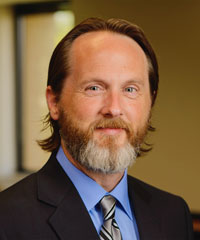
Scott Spier, PhD, is an Associate Professor in the Department of Health And Kinesiology at the University of Texas at Tyler. His research focuses on vascular physiology, particularly the effects of aging, exercise training, and acute exercise on endothelial function in skeletal muscle and cerebral arteries. He holds a Ph.D. in Kinesiology (Exercise Physiology) from Texas A&M University (2003), an M.S. in Kinesiology (Exercise Physiology) from Texas A&M University (1998), and a B.S. in Finance from Louisiana Tech University (1993). Dr. Spier’s work examines mechanisms underlying age-related declines in vasodilation, the role of nitric oxide and prostaglandins in vascular function, and how exercise interventions can mitigate these impairments. His studies utilize animal models to investigate myogenic constriction, endothelium-dependent vasodilation, and structural changes in arterioles. Recent projects include exploring testosterone’s impact on muscle capillary density in aging and the neurovascular effects of exercise on cerebral arteries. His publications analyze acute and chronic exercise effects on vascular reactivity, α-adrenergic responsiveness, and microvascular oxygen dynamics. Despite no explicitly listed awards, his sustained research output demonstrates expertise in exercise physiology and vascular aging. No advising or grant information is provided in the text, though his CV may contain additional details about teaching or service roles.
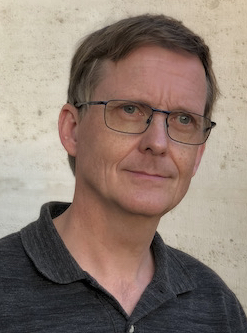
Torsten Eken is a Professor II in the Department of Anesthesia and Intensive Care Medicine at the University of Oslo. His work focuses on trauma outcomes, injury prevention, and critical care. He is affiliated with Oslo University Hospital (OUS) Ullevål, where he contributes to clinical and translational research. Research Interests: Dr. Eken’s research emphasizes trauma patient management, bicycle-related injuries, helmet efficacy, and systemic responses to trauma (e.g., inflammation, coagulation). He collaborates with multidisciplinary teams to improve trauma protocols and public health strategies. Publications: His work appears in journals like Acta Neurochirurgica , Injury , and Molecular Medicine , with a focus on observational studies and clinical trials. Recent studies address helmet use, facial injury patterns, and biomarkers in trauma patients. Grants/Advising: While specific grants are not listed, his publications suggest involvement in funded projects (e.g., IPOT nationwide registry studies). No formal student advisees are mentioned, but he collaborates with numerous researchers. Labs/Teams: Active in trauma research groups at OUS Ullevål, focusing on translational studies linking clinical care and epidemiology.
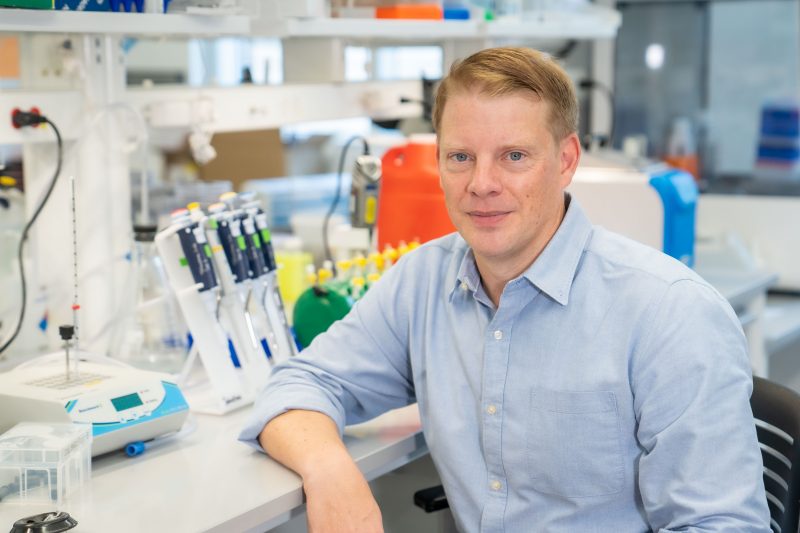
Scott Johnstone, Ph.D., is an Assistant Professor at the Fralin Biomedical Research Institute at Virginia Tech Carilion (VTC), the Department of Biological Sciences (College of Science), and the Department of Surgery (Virginia Tech Carilion School of Medicine). His research focuses on understanding vascular disease mechanisms, particularly how healthy blood vessels are altered in conditions like atherosclerosis and restenosis. Key areas include cell signaling pathways, pannexin channels, and connexin proteins in inflammation and proliferation. Education includes a Ph.D. and BSc from Glasgow Caledonian University, and a Postgraduate Certificate in Academic Practice from the University of Glasgow. Previous roles include postdoctoral fellowships at the University of Virginia and Glasgow Cardiovascular Research Centre. Research interests span inflammation in vascular disease, proliferation pathways in stent-induced blockages, and developing peptide inhibitors targeting connexin interactions. He also explores pannexin channels' roles in blood pressure regulation and their implications for conditions like hypertension and obesity-related vascular dysfunction. Key publications include works on pannexin 1's role in inflammation, renin secretion regulation, and endothelial dysfunction in COVID-19. Awards include the 2009 University of Virginia Outstanding Post-Doc Award and the 2004 Institute of Biomedical Science President's Prize. Led the Johnstone Lab, which collaborates on translational projects, including NIH-funded studies on obesity-heart disease links and novel therapies for vascular diseases. Lab members include postdoctoral associates and medical students like Meghan Sedovy and Adam Hoch. Active in professional activities like co-chairing international gap junction conferences and serving on advisory boards.
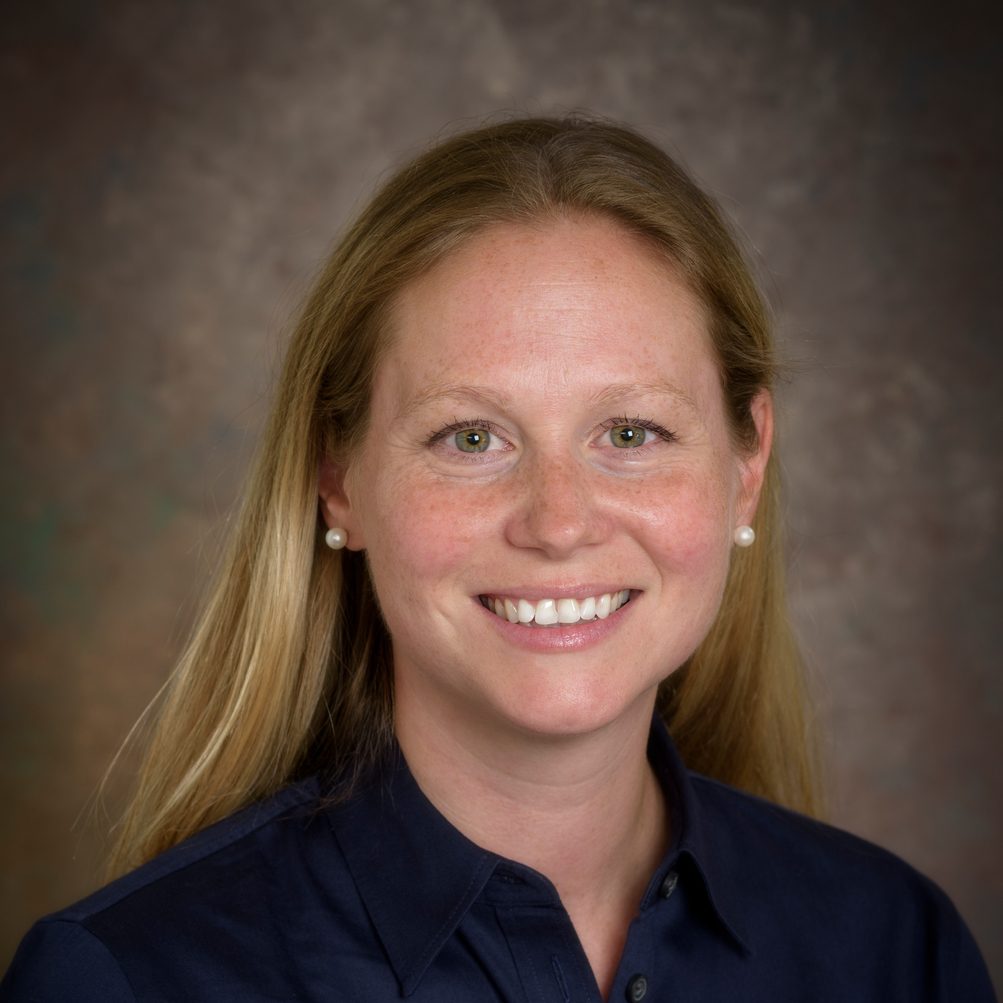
Megan Wenner is an Associate Professor in the Department of Kinesiology & Applied Physiology at the University of Delaware's College of Health Sciences. Her research focuses on women’s cardiovascular health across the lifespan, particularly investigating mechanisms of vascular dysfunction related to menopause, estrogen, and blood pressure regulation. She holds a PhD in Applied Physiology from the University of Delaware (2009) and completed postdoctoral training at the John B. Pierce Laboratory and Yale School of Medicine. Her academic background includes a BS in Athletic Training (2002) and subsequent MS (2005) and PhD degrees from UD. Dr. Wenner teaches courses in clinical exercise physiology and applied physiology. She directs the Women’s Cardiovascular Research Lab, studying sex-specific mechanisms in cardiovascular health, including estrogen’s role in vascular health, sodium handling, and autonomic responses to exercise. Key areas of investigation include hypertension prevalence post-menopause, endothelin receptor function, and racial disparities in vascular function. Her work integrates neurophysiological, molecular, and clinical approaches to understand cardiovascular regulation in diverse populations. Active research projects include examining how dietary sodium impacts blood pressure variability and sympathetic nervous system activity, as well as the effects of aerobic exercise on vascular function in perimenopausal women. Collaborative projects explore central nervous system mechanisms regulating fluid balance and hypertension. Dr. Wenner has authored over 50 peer-reviewed articles on topics ranging from endothelin biology to exercise physiology. Her lab maintains partnerships with the STAR Tower and Health Sciences Complex facilities at UD, emphasizing translational research to improve women’s cardiovascular health outcomes.
Professor James Leiper is an Honorary Professor in the School of Cardiovascular & Metabolic Health at the University of Glasgow, where he leads research at the Institute of Cardiovascular and Medical Sciences and the BHF Glasgow Cardiovascular Research Centre. His work focuses on translating basic science findings into applications for human health and disease, with particular emphasis on nitric oxide signaling pathways. Originally trained in molecular biology at the MRC Clinical Research Centre, Professor Leiper developed his interest in cardiovascular physiology while working with Professor Patrick Vallance in the Centre for Clinical Pharmacology at UCL. He continued this research as a Programme Leader at the MRC Laboratory for Medical Sciences before joining the University of Glasgow in 2017. Professor Leiper's research centers on understanding the mechanisms that regulate nitric oxide (NO) signaling in health and disease. His laboratory investigates how endogenously produced inhibitors of NO synthesis, particularly through the ADMA/DDAH pathway, might be harnessed therapeutically. His work spans cardiovascular, immune, and central nervous systems, with applications to conditions including hypertension, atherosclerosis, and the cardiovascular collapse seen in septic shock. Rather than directly targeting NO (which has had limited therapeutic success), his research focuses on endogenous regulatory pathways that might facilitate more appropriate regulation of NO production. His recent publications demonstrate a continued focus on nitric oxide signaling pathways, with particular attention to asymmetric dimethylarginine (ADMA) and dimethylarginine dimethylaminohydrolase (DDAH). His work spans multiple disciplines including vascular biology, cardiovascular physiology, and translational medicine, with applications to conditions such as septic shock, hypertension, metabolic disorders, and vascular contributions to dementia. Professor Leiper has secured significant research funding from major organizations including the Medical Research Council (MRC), British Heart Foundation (BHF), and Wellcome Trust, totaling millions of pounds for his research on nitric oxide signaling pathways. His research group has been supported by substantial grants including an MRC Intramural Research Programme Funding award of £2.8 million and multiple British Heart Foundation project grants. Professor Leiper has supervised numerous PhD students and postdoctoral researchers through various funding mechanisms including BHF PhD studentships, MRC Chain Florey Fellowships, and the BHF ICTEM 4-year PhD training scheme. To facilitate translation of his understanding of nitric oxide signaling for healthcare benefit, he established a biotech company backed by venture capital funding to perform clinical trials of new drugs for the treatment of septic shock. His research group collaborates extensively with clinical researchers across multiple disciplines to advance understanding of cardiovascular diseases and their treatment.
Dr. Francisco Rios is an Honorary Research Fellow at the University of Glasgow's School of Cardiovascular & Metabolic Health. His research focuses on cardiovascular biology, hypertension, oxidative stress, and vascular inflammation. He holds a Research Fellow academic rank and is actively involved in collaborative studies with institutions globally. Key research interests include mechanisms of vascular inflammation, NADPH oxidase signaling, magnesium's role in cardiovascular health, and exosome-mediated communication in disease. His work bridges basic science and clinical applications, particularly in hypertension and vascular dysfunction. Dr. Rios has contributed to over 60 peer-reviewed articles, with recent studies emphasizing therapeutic targets for vascular inflammation, genetic associations with endocrine disorders, and magnesium signaling pathways. He collaborates extensively with Professors Rhian Touyz and Augusto Montezano on vascular biology projects. He received grant support from the Medical Research Council (2016-2017) for the project 'P2D - Histoindex-Clinnovate Health UK'. His research also explores biomarkers of vascular inflammation and the impact of antiangiogenic therapies on cardiovascular systems.
Tarik Smani Hajami is a University Professor in the Department of Medical Physiology and Biophysics at the University of Seville . He leads the Translational Research in Cardiovascular Pathophysiology group, focusing on mechanisms of calcium signaling, miRNA regulation, and cardiovascular diseases. His work spans cardiac protection, angiogenesis, and translational medicine. Key research projects include the role of Orai channels in angiogenesis (PID2022-136279NB-C22) and fibroblast progenitor cells in heart failure (PROYEXCEL_00530). He has participated in studies on vascular smooth muscle response to hypoxia (1FD97-1614). His research integrates experimental and computational approaches, with a focus on clinical translation. Research interests include: Calcium signaling in cardiovascular and skeletal muscle disorders MiRNA modulation in cardiac ischemia-reperfusion injury Role of TRP channels in cancer cell migration Therapeutic targets for heart failure and cardiotoxicity Publications highlight studies in Biomedicines , Molecular Therapy , and Frontiers in Cell and Developmental Biology . He has directed PhD theses on vascular tone mechanisms (Ávila Medina, 2017) and cardioprotection against ischemia (Diaz Carrasco, 2016). His lab collaborates on projects involving microRNA biomarkers for coronary restenosis and cardiac remodeling. Virtual reality applications for surgical improvements and miRNA-driven therapeutic strategies are key translational focuses.
Jan Huizinga is a Professor at the McMaster School of Biomedical Engineering, McMaster University. His research focuses on gastrointestinal motility, smooth muscle physiology, and the interplay between the autonomic nervous system and gut dysfunction. Key interests include colonic dysmotility, interstitial cells of Cajal (ICC), and neurogenic/myogenic motor patterns in health and disease. Education and background details are not explicitly provided in the text. His work combines experimental and mathematical modeling approaches to understand gut motor patterns, particularly in conditions like chronic constipation and autonomic dysfunction. He collaborates on translational research, including diagnostic tools like hydrogen breath testing and ultrasound imaging of motor patterns. Research emphasizes clinical applications such as evaluating therapies (e.g., spinal laser therapy) for colonic motility disorders and validating novel diagnostic methods (e.g., heart rate variability analysis). Recent studies investigate the role of short-chain fatty acids in restoring motility in germ-free mice and the physiology of defecation reflexes via high-resolution colonic manometry. No awards or grants are listed, but his extensive publication record reflects sustained contributions to gastrointestinal physiology and neurogastroenterology. He advises no listed students, though collaborations with clinicians and researchers in the field are implied. Labs/teams: Affiliated with McMaster’s biomedical engineering research clusters focusing on therapeutics, imaging, and translational physiology. Active in human and animal model studies to bridge basic science and clinical practice.
Matthew Alan Boegehold is a Professor and Chair of Basic Sciences at the Augusta University/University of Georgia Medical Partnership, affiliated with the Department of Physiology and Pharmacology in the College of Veterinary Medicine. His research focuses on microvascular physiology, endothelial function, and mechanisms underlying hypertension. He holds a B.S. in Biology (University of Michigan, 1980) and a Ph.D. in Physiology (University of Arizona, 1986). His research interests include endothelium-dependent vascular regulation, oxidative stress in hypertension, and growth-associated vascular adaptations. Key themes in his publications address nitric oxide signaling, salt-induced vascular dysfunction, and developmental influences on microvascular tone. His work bridges basic science and clinical implications in cardiovascular health. Boegehold’s scholarly contributions span experimental physiology, with a focus on translational mechanisms linking environmental factors (e.g., dietary salt) to vascular disease. Collaborative studies investigate molecular pathways like eNOS phosphorylation and adenosine receptor signaling. His lab integrates advanced microvascular imaging and genetic model systems to explore disease mechanisms.
Dr. med. Anika Seniuk is a Researcher at the Institute of Cellular and Integrative Physiology within the Center for Experimental Medicine at Universitätsklinikum Hamburg-Eppendorf (UKE). Her work focuses on cardiovascular physiology, renal medicine, and hypertension mechanisms. She has contributed to studies on blood pressure regulation, ion channel dysfunction, and metabolic pathways in disease models. Her research spans molecular mechanisms of hypertension, renal injury prevention, and arrhythmia pathophysiology. Key findings include the role of chemokine receptors in renal protection, ion channel disruptions in blood pressure control, and myeloperoxidase’s role in atrial fibrillation. Publications emphasize mouse model studies, genetic knockout analysis, and translational physiology. She collaborates with teams investigating cardiovascular and renal pathologies, contributing to mechanistic insights in cellular and integrative medicine.
Adam Greenstein is a Clinical Professor and clinician scientist at the University of Manchester , holding a joint appointment in the Division of Cardiovascular Sciences . He is a consultant physician at Manchester University Hospitals Foundation Trust, specializing in hypertension, geriatric care, and obesity-related hypertension. His dual clinical-research role combines treating patients with vascular dementia and hypertension with leading a laboratory investigating hypertension-induced vascular damage and obesity-driven hypertension mechanisms. Education: BSc(Hons) Pharmacology (1994), MBChB (1997), PhD (2009) from the University of Manchester. He completed a BHF Travel Fellowship in Vascular Physiology at the University of Vermont and a BHF Intermediate Clinical Research Fellowship (2012-2016). Research focuses on hypertension's role in small vessel disease of the brain (linking to vascular dementia) and obesity-related hypertension. Key techniques include pressure myography, confocal microscopy, and electrophysiology. His lab uses advanced imaging (e.g., Andor Revolution XD microscope) to study intracellular calcium signaling in vascular tissues. Major funding comes from the British Heart Foundation (BHF), including grants for infrastructure and PhD studentships. Notable achievements include the 2020 'Best Basic Science Paper' award from the American Heart Association for obesity hypertension work. His research has been featured in high-impact journals like PNAS and JCI, and he collaborates internationally (e.g., with Prof. Mark Nelson, University of Vermont). Funding and grants: BHF Centre for Research Excellence (2024-2029), BHF PhD Studentships (2018-2023). Active in professional bodies: British and Irish Hypertension Society (Executive Committee), International Society for Hypertension. Labs/Teams: Leads a cutting-edge small artery laboratory at the University of Manchester, part of the BHF-funded infrastructure. Collaborates on multidisciplinary projects like the 'Vascular Contributions to Dementia' initiative.
Neil Detweiler is an Assistant Professor of Biology and Director of Pre-Health Programs at Goshen College. He holds a A.A. from Hesston College (2006), B.A. from Goshen College (2008), Ph.D. from University of Arkansas Medical Sciences (2015), and completed a postdoctoral fellowship at the University of New Mexico Health Sciences Center (2015-2018). His research focuses on pulmonary hypertension mechanisms, ion channel physiology, and cellular responses to hypoxia/hypercapnia. He explores therapeutic targets for pulmonary vascular diseases and investigates acid-sensing ion channels (ASICs) and BK channels in respiratory and cardiovascular systems. Key research areas include the role of ASIC channels in ventilatory responses, BK channel dysfunction in pulmonary arterial hypertension, and estrogen receptor signaling in vascular pathology. His work combines mouse models, cellular electrophysiology, and pharmacology to uncover disease mechanisms. As Director of Pre-Health Programs, he supports students pursuing healthcare careers. Publications highlight contributions to understanding ASIC and BK channel biology, hypoxic/hypercapnic ventilatory drive, and novel therapeutic strategies for pulmonary hypertension. Research projects span molecular biology, pharmacology, and clinical translational science.
Dr. Lauren A. Biwer is an Assistant Professor in the Department of Comparative Medicine at Yale School of Medicine, affiliated with the Vascular Biology and Therapeutics Program. Her research focuses on understanding female-specific mechanisms of cardiovascular disease, particularly the long-term cardiovascular risks associated with preeclampsia. She employs techniques such as primary cell culture, molecular biology, flow cytometry, and in-vivo physiology to investigate blood pressure regulation at the intersection of immunology and vascular function. Education: PhD in Molecular Physiology (University of Virginia, 2017), MS in Biological Sciences (2014), BS in Health Science Studies (Baylor University, 2009). Postdoctoral training at Tufts Medical Center under Dr. Iris Jaffe (2023). Research Interests: Preeclampsia-induced hypertension, post-partum vascular dysfunction, sex-specific cardiovascular risks, and the role of mineralocorticoid receptors in vascular health. Her lab explores how pregnancy complications like preeclampsia increase future cardiovascular risks through immunological and vascular mechanisms. Recent Publications: Key works include studies on mineralocorticoid receptor signaling in smooth muscle, LXR signaling in atherosclerosis, and therapeutic interventions for preeclampsia. Her work emphasizes translational research bridging basic science and clinical applications. Awards: NIH K99/R00 Award (2021), YSM Bohmfalk Scholar (2024-2025), and recognition from the American Heart Association. Her mentorship includes postdoctoral researchers like Olivia Monte and Michele D'Agata. Labs/Teams: Biwer Lab at Yale, collaborating with experts like Carlos Fernandez-Hernando and Daniel Greif. Current projects include developing therapies targeting vascular smooth muscle receptors and understanding post-pregnancy cardiovascular resilience.
Dr. Peter Zalewski is a Senior Lecturer in the Adelaide Medical School at the University of Adelaide, affiliated with the Basil Hetzel Institute for Translational Health Research. His research focuses on the role of labile zinc in cardiovascular physiology, apoptosis regulation, and respiratory diseases such as COPD and asthma. He co-discovered labile zinc's role in cell signaling and developed the zinc fluorophore Zinquin, widely used globally. His work explores zinc's impact on airway epithelium, macrophage function, and vascular health, with applications in coronary artery disease and pulmonary hypertension. He has secured multiple NHMRC grants and collaborates extensively with researchers in diabetes, COPD, and translational medicine. Key contributions include identifying zinc's link to apoptosis suppression (1993), zinc's role in airway inflammation (2010s), and its effects on macrophage phagocytosis in COPD. Current research addresses zinc deficiency in coronary heart disease and vascular signaling mechanisms. He has published over 90 papers and advises on zinc deficiency trials in Bangladesh. As an academic leader, he coordinates Honours programs in Medicine and serves on university committees.
Alison Gurney is a Professor of Pharmacology at the University of Manchester. Her research focuses on ion channels regulating pulmonary vascular tone, particularly in the context of pulmonary hypertension. She investigates mechanisms controlling pulmonary artery smooth muscle cell function using interdisciplinary techniques like electrophysiology, calcium imaging, and molecular biology. Her work contributes to understanding ion channel roles in diseases such as pulmonary hypertension and has identified novel drug targets. She has co-led projects on congenital bladder diseases and collaborated on studies involving gene therapy and neurovascular coupling. Research interests include KATP channels, KCNQ potassium channels, mitochondrial calcium signaling, and store-operated Ca2+ channels. Her findings have advanced knowledge of oxygen-sensing mechanisms and pharmacological interventions for vascular diseases. Prominent collaborations involve studies on bladder pathophysiology in mutant mouse models and the role of LRIG2 in urinary tract disorders. She has published extensively on ion channel function and vascular biology, with recent work exploring neurovascular coupling techniques and TRPV4-mediated vasodilation. Alison has supervised 11 research projects and contributed to grants investigating congenital bladder diseases. Her lab integrates pharmacology, physiology, and molecular biology to address cardiovascular and pulmonary health challenges aligned with UN Sustainable Development Goals.