Otto Hemminki is a Researcher at the University of Helsinki , associated with Clinicum . His work focuses on cancer genetics , oncolytic virotherapy , and environmental risk factors in hereditary cancers. He has contributed to collaborative research on familial cancer clustering, particularly in urological and solid tumors , and is involved in clinical trials using oncolytic adenoviruses combined with immunotherapy. Education: Docent in Cancer Biology (University of Helsinki, 2018). Research Interests span familial cancer risks, germline mutations, and immunotherapy. His recent work explores the intersection of genetic predisposition and environmental causation in cancers like colorectal, prostate, and lung. He also investigates oncolytic viral delivery systems to enhance anti-tumor immunity. Publications highlight his contributions to understanding age-specific cancer risks , checkpoint blockade in renal carcinoma, and recurrence patterns in non-muscle invasive bladder cancer. While his affiliations and projects align with HUS Cancer Center , specific grants or awards for Otto are not detailed in the provided texts.
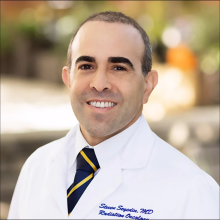
Dr. Steven Seyedin is a radiation oncologist at the University of California, San Francisco (UCSF), affiliated with the School of Medicine and the Department of Radiation Oncology. He specializes in treating genitourinary cancers, including prostate, kidney, bladder, and testicular cancers, utilizing advanced techniques such as stereotactic body radiation therapy and biology-guided radiotherapy. His research is focused on integrating radiation therapy with immunotherapy and targeted agents to enhance treatment efficacy. He actively participates in clinical trials and collaborates with multidisciplinary teams at UCSF to translate laboratory discoveries into clinical practice. B.A. in Biochemistry, University of California, Berkeley, 2008 M.D., University of California, Los Angeles (David Geffen School of Medicine), 2014 Internship in Medicine, University of Illinois at Chicago, 2016 Residency in Radiation Oncology, University of Iowa, 2020 Dr. Seyedin's research interests span radiation oncology , genitourinary cancers , immunotherapy integration , precision radiotherapy , and health disparities in cancer care . His work emphasizes improving clinical outcomes through technological innovation and combination therapies. His recent publications reflect a strong trend in combining radiotherapy with systemic agents, exploring biomarkers for treatment response, and addressing socioeconomic barriers in cancer care. He has published in high-impact journals such as JAMA Oncology , Frontiers in Oncology , and Cancers (Basel) . Scientific Awards and Honors: Association of Residents in Radiation Oncology Educator of the Year, 2022 ASTRO Annual Meeting Resident Recognition Award in Biology, 2020 UIHC Excellence in Clinical Teaching Award, 2020 American Brachytherapy Society HDR LDR Prostate Scholarship Workshop, 2019 RSNA Roentgen Resident Research Award (2019, 2012) ASTRO Annual Meeting Abstract Travel Award, 2018 David Geffen School of Medicine at UCLA Student Teacher Award Dr. Seyedin is actively involved in medical education and clinical research, contributing to grants and collaborative projects across UCSF. While no formal lab or independent students are listed, he mentors through clinical teaching and research collaboration. His future work is likely to continue advancing personalized radiotherapy and equitable access to cutting-edge cancer treatments.
Yi-Fen Lee, Ph.D., is a Professor in the Department of Urology at the University of Rochester School of Medicine and Dentistry. Her research focuses on extracellular vesicles (EVs), particularly exosomes, in the context of urological cancers such as bladder and prostate cancer. She leads an active research laboratory investigating the roles of EVs in cancer development, progression, and treatment response. Department: Department of Urology School: School of Medicine and Dentistry University: University of Rochester Dr. Lee earned her Ph.D. in Endocrinology/Molecular Oncology from the University of Wisconsin-Madison, followed by post-doctoral training in the Department of Pathology at the University of Rochester. Her research expertise spans molecular oncology, cancer biology, and biomarker discovery. Her primary research interests include extracellular vesicles, exosomes, bladder cancer, prostate cancer, cancer immunotherapy (particularly BCG), chemoresistance (especially to cisplatin), proteomics, gene arrays, and CRISPR/Cas9 gene editing. Her lab studies how EVs mediate cell-cell communication in the tumor microenvironment, influence treatment response, and can serve as biomarkers for disease prognosis and therapy monitoring. The analysis of her 15 most recent publications reveals a strong focus on the molecular mechanisms by which extracellular vesicles contribute to bladder and prostate cancer progression, metastasis, and treatment resistance. Her work integrates proteomics, functional studies, and clinical collaboration, particularly in the context of BCG immunotherapy and cisplatin chemotherapy. A recurring theme is the potential of EVs as liquid biopsy tools for precision medicine. Research Scholar Edwin Beer Fellowship Award (2003-2005) Cap CURE Award, Third Prize (2002) Dr. Lee has been awarded grants, including a 2-year grant from The Hope Foundation. She actively mentors graduate students such as Md. Mahmudul Hasan Akash and Chia-Hao Wu. Her lab collaborates with URMC investigators and participates in the SWOG S1602 clinical trial. She utilizes advanced technologies like the Nanosight nanoparticle tracking system for EV analysis. Her future work aims to establish rapid body fluid biopsy assays to predict patient response to therapy and advance personalized medicine for urological cancers. Her laboratory investigates several key projects: the role of EVs in bladder cancer metastasis, their involvement in cancer cell immunogenicity following BCG therapy, their contribution to cisplatin resistance, and their role in the bladder cancer field cancerization effect, where EVs reprogram normal cells to become malignant.
Amir Sherif is a Lecturer at Linköping University , affiliated with the Department of Surgery, Orthopaedics and Oncology and the Department of Biomedical and Clinical Sciences . Research Focus: His work centers on urinary bladder cancer , emphasizing biomarker discovery through urinary extracellular vesicle analysis , immune-stimulating therapies , and clinical outcomes in muscle-invasive bladder cancer . He also explores the interplay between neoadjuvant chemotherapy and antitumour immune responses . Publication Trends: Recent articles (2025) address proteomic profiling of urinary vesicles for cancer diagnostics, while 2023-2018 studies focus on zebrafish tumor models, thromboembolic risk assessment, and immunomodulatory effects of chemotherapy in bladder cancer contexts.
Hyma Polimera, MD is an Associate Professor in the Department of Medicine, Division of Hospital Medicine. Her research focuses on the intersection of cancer and infectious diseases, particularly examining how COVID-19 impacts patients with various cancer types. Her expertise spans several critical areas in modern medicine: Oncology and cancer treatment outcomes COVID-19 impact on cancer patients Racial disparities in healthcare outcomes Registry-based and retrospective cohort studies Hospital medicine for complex patient populations Dr. Polimera's research program demonstrates a strong focus on understanding how the COVID-19 pandemic has affected vulnerable cancer patient populations. Her work examines outcomes across multiple cancer types including breast cancer, melanoma, and bladder cancer, with particular attention to racial disparities and metastatic disease. She frequently collaborates with the COVID-19 and Cancer Consortium (CCC19) on large-scale registry studies that have provided critical insights during the pandemic. Her scientific contributions have been recognized with the Dean's Award for Excellence in Teaching in 2021, highlighting her dual commitment to research and education. Dr. Polimera has received significant attention for her work, with research mentioned in news outlets and shared across social media platforms including X (formerly Twitter) and Bluesky. Her findings have reached both academic and public audiences, demonstrating the real-world impact of her research.
Anita Lyn Sabichi, M.D., is an Assistant Professor in the Department of Medicine-Hematology & Oncology at Baylor College of Medicine in Houston, TX. She holds a joint appointment at the Michael E. DeBakey VA Medical Center and is an active member of the Dan L Duncan Comprehensive Cancer Center. Her clinical and research work focuses on genitourinary oncology and cancer prevention. Education & Training: B.A. - University of Colorado (1981) M.D. - University of Colorado School of Medicine (1987) Internship & Residency in Internal Medicine - Columbia University Medical Center Medical Oncology Fellowship - National Cancer Institute Advanced Training - Columbia Presbyterian Medical Center (1990) and National Cancer Institute (1993) Board Certifications: American Board of Internal Medicine (Internal Medicine, Medical Oncology) Research Focus: Dr. Sabichi's research encompasses molecular mechanisms of carcinogenesis, chemoprevention strategies for bladder and prostate cancers, and clinical translation of COX-2 inhibitors, retinoids, and selenium-based therapies. Her work integrates molecular biology techniques with clinical trial design to develop novel cancer prevention approaches. Honors & Awards: Best Doctors in America (2013, 2014) Outstanding Teaching Service Award (2011, 2012) America's Top Oncologists (2010-2012) Outstanding Patient Educator Award (2010) Alpha Lambda Delta Honorary Society (1977-1979) With over 55 peer-reviewed publications, her recent work demonstrates consistent focus on molecular biomarkers, clinical prevention trials, and therapeutic innovations in genitourinary oncology.
Brock O'Neil, MD is an Associate Professor in the Division of Urology at the University of Utah School of Medicine and Huntsman Cancer Institute. He specializes in robotic, laparoscopic, and open surgical treatment of genitourinary malignancies including prostate, bladder, kidney, and testicular cancers. University of Rochester School of Medicine & Dentistry (MD, Research Distinction) University of Utah (Urology Residency) Vanderbilt University (Urologic Oncology Fellowship) His research spans multiple domains: Prostate Cancer: Biomarker development, treatment-related regret, functional outcomes, and rural health disparities Health Services: Low-value screening reduction, germline testing implementation, and oncology care delivery models Robotic Surgery: Outcomes in prostatectomy and cystectomy procedures Family Impact: Cardiovascular and psychological effects on relatives of cancer patients Selected trends from publications (2014-2025) show sustained focus on: PSA screening optimization and decision support systems Comparative effectiveness of radiation vs surgery for prostate cancer Machine learning applications in cancer outcomes Clinical germline testing implementation Financial toxicity in cancer treatment Current affiliations: University of Utah Department of Surgery Huntsman Cancer Institute Vanderbilt University Medical Center (alumnus)
Jonathan D. Tward is a tenured Professor in the Department of Radiation Oncology at the University of Utah and directs the Huntsman Cancer Institute (HCI) Genitourinary Cancers Center (GUCC). With expertise in prostate, bladder, and penile cancers , he pioneers AI-driven digital-molecular oncology through innovations in precision radiation therapy , multimodal imaging , and prognostic biomarker development . Education: BS in Biology (UCLA), PhD in Biochemistry, MD (Tufts University), Residency in Radiation Oncology (University of Utah) Leadership: Director of GUCC, Utah ASTRO State Captain, NCCN Guideline Panel Member His research integrates machine learning with genomic/transcriptomic profiling to optimize radiation workflows and validate molecular signatures in clinical trials. He is a globally recognized authority in AI-enabled cancer discovery and digital pathology , holding the Vincent P. and Janet Mancini Endowed Chair. Dr. Tward’s work emphasizes resource-stratified oncology solutions for low/middle-income settings. Scientific awards include the Vincent P. and Janet Mancini Presidential Endowed Chair and Fellowship in the American Society for Radiation Oncology (FASTRO) . His 100+ peer-reviewed publications focus on AI-guided treatment adaptation , cell-cycle risk modeling , and multimodal prognostication in GU malignancies. Patient testimonials highlight his empathetic care , technical precision , and global leadership in radiation oncology.
Christopher B. Dechet, MD, is a Professor in the Department of Surgery at the University of Utah, specializing in Urologic Oncology through the Huntsman Cancer Institute. As Director of the Section for Urologic Oncology and holder of the Anderson Family Endowed Chair, he focuses on surgical treatments for prostate, kidney, bladder, adrenal, and testicular cancers using robotic, laparoscopic, and open surgical approaches. Undergraduate: Stanford University (German Studies BA) Medical Degree: University of Pennsylvania School of Medicine Training: Mayo Clinic (Surgery/Urology Residency) His research emphasizes improving surgical outcomes via a quality-of-life database and robotic surgical innovations for high-risk prostate cancer. Clinical expertise spans complex partial nephrectomies, cystectomy with neobladder formation, and nerve-sparing prostatectomy. He has received multiple awards, including the Society of Laparoscopic Surgeons Achievement Award and Vitals Top 10 Doctor recognition. Scientific Awards Patient Choice Physician Award Most Compassionate Doctor Vitals Top 10 Doctor/Specialist Society of Laparoscopic Surgeons Achievement Award
Emily Vertosick is a Research Fellow in the Department of Epidemiology and Biostatistics at Memorial Sloan Kettering Cancer Center (MSK). Her work focuses on biostatistical analysis and epidemiological studies in urologic oncology and clinical cancer research. Key affiliations: MSK, Urologic Oncology Division, Population Sciences Research Program Her research explores treatment outcomes for BCG-unresponsive bladder cancer, telemedicine applications in clinical consent processes, and anesthesia efficacy in prostate biopsies. Publications span journals like Urologic Oncology , JCO Oncology Practice , and World Journal of Urology . Recent studies analyze trends in telemedicine versus in-person consent practices, narcotic use reduction in biopsy procedures, and gemcitabine efficacy. Collaborative work spans 85 co-authors including Vickers, Sjoberg, and Eastham.
Ragnhild Hellesnes serves as an Associate Professor in the Department of Clinical Medicine at UiT The Arctic University of Norway, where her research focuses on cancer survivorship and treatment outcomes. She is actively engaged in translational oncology research with emphasis on long-term patient outcomes following cancer therapy. Her primary research interests center on testicular cancer survivorship, bladder cancer treatment efficacy, cisplatin-based chemotherapy effects, and late complications in cancer survivors. Hellesnes investigates critical areas including second cancer incidence, mortality patterns, psychosocial determinants of survival, and real-world treatment complications using population-based cohort methodologies. Analysis of her publication record reveals a consistent focus on national cohort studies examining long-term outcomes in testicular cancer patients treated in the cisplatin era. Her work demonstrates expertise in identifying modifiable prognostic factors, quantifying late relapse risks, and characterizing platinum-related toxicities through rigorous epidemiological approaches. Hellesnes is an active member of the Translational Cancer Research Group (TCRG) and contributes significantly to the "Testicular Cancer and Cancer Survivorship" project, which aims to improve understanding of long-term survivorship challenges and develop evidence-based interventions for cancer survivors.
Professor Yonglun Luo is a leading academic at Aarhus University, affiliated with DANDRITE and the Department of Biomedicine. His research focuses on genome editing technologies (e.g., CRISPR), regenerative medicine, and translational applications such as xenotransplantation. Key projects include developing safer pig models for organ transplantation and studying extrachromosomal circular DNA (eccDNA) in cancer progression. He leads a multidisciplinary group applying cutting-edge tools like single-cell RNA/ATAC sequencing and machine learning. Research interests span biomarker discovery, CRISPR tool optimization, and ethical frameworks for gene therapy. He collaborates internationally on initiatives like the FarmGTEx consortium and the EU COST Action on genome editing. Teaching responsibilities include advanced courses in genome engineering for PhD students and personalized medicine for medical trainees. Current projects include EXOCURE (CRISPR-based muscle stem cell therapy for Duchenne muscular dystrophy) and CIRCULAR VISION (eccDNA dynamics modeling). His lab's innovations include TRAP-seq for CRISPR off-target analysis and pig cell landscape mapping for xenotransplantation compatibility.
Mihir M. Desai, MD is the Dua Family Professorship in Urologic Oncologic Surgery and Vice Chair for New Technology & Innovation at the Keck School of Medicine, University of Southern California. He serves as Director of the Center for Advanced Robotics , focusing on cutting-edge developments in robotic-assisted urologic procedures. His research emphasizes robotic-assisted radical cystectomy , Aquablation therapy for BPH , urinary diversion techniques , and AI-driven surgical outcomes analysis . Recent work explores generative AI applications for medical communication and novel robotic surgical platforms for combined procedures. Key scientific awards include the Dua Family Professorship . His articles demonstrate a focus on robotic surgery validation , perioperative complication management , and technological innovation in urology.
Dr. Rebecca Mercieca-Bebber is an NHMRC Early Career Fellow at the NHMRC Clinical Trials Centre, University of Sydney, and associated with Sydney Medical School. She holds a PhD in methodological issues related to patient-reported outcomes (PROs) in clinical trials and focuses on optimizing their design, implementation, and reporting. Her work addresses challenges like missing data and patient preferences, with contributions to international guidelines such as the SPIRIT-PRO extension. She has led over 20 clinical trials and was past chair of the ISOQOL Australia and New Zealand Special Interest Group. Education: Completed her PhD supported by the Sydney Catalyst full scholarship (2014–2017). She also holds coursework awards and has been involved in developing educational initiatives for PRO integration in clinical research. Research interests include PRO methodology, missing data strategies, patient preferences, and ethical considerations in PRO use. She advocates for equity in PRO assessment for culturally diverse and Indigenous populations. Recent work explores survivorship care plans, PRO reporting standards, and ethical frameworks for patient involvement. Scientific awards include the NHMRC Early Career Fellowship (2018), Cancer Research Network 10th Anniversary Award (2016), and multiple travel grants and scholarships. She has secured grants for projects like HyNOVA and the development of PRO ethics guidelines. Her advising contributions include mentoring future PhD students on PRO-related topics like cancer survivorship and PRO implementation. Grants highlight her focus on PRO integration in diverse healthcare settings and improving trial design through education. Labs/Teams: Active in the NHMRC Clinical Trials Centre, ISOQOL, and the PROMIS International Collaboration. Collaborates with multidisciplinary teams on PRO-related studies and guideline development.
Sumati V. Gupta, MD, is a tenured Associate Professor in the Division of Oncology, Department of Medicine at the University of Utah's Huntsman Cancer Institute (HCI). She specializes in genitourinary cancers (bladder, kidney, prostate, testicular) and geriatric oncology. Dr. Gupta serves as Medical Director of the Geriatric Oncology Clinic (GOAL) and co-Principal Investigator of the Total Cancer Care project at HCI. She also practices at the Salt Lake City Veteran Administration hospital, where she chairs the VISN-19 Interdisciplinary Cancer Committee. Education: MD: King Edward Memorial Hospital and Seth G.S. Medical College, Mumbai, India Residency: Internal Medicine, Nassau University Medical Center (SUNY Stony Brook) Fellowships: Geriatrics (Baylor College of Medicine), Medical Oncology (University of Utah) Research Focus: Her work investigates treatment resistance mechanisms in genitourinary cancers, clinical trial design for targeted therapies (e.g., FGFR/PARP inhibitors), and biomarker discovery. She leads studies on immunotherapy combinations, radiotherapeutic approaches, and real-world treatment patterns in urothelial/prostate cancers. Publications (Trends): Recent articles (2023-2025) emphasize phase II trials of novel agents (e.g., nivolumab, enfortumab vedotin), biomarker-driven therapies in FGFR-altered cancers, and real-world analyses of treatment attrition/disparities. Key themes include immunotherapy combinations, geriatric oncology considerations, and liquid biopsy applications. Leadership & Grants: Co-chairs the Genitourinary Cancers Research Interest Group (ORIEN consortium) and serves on HCI's Data Safety and Monitoring Committee. Active in multi-center trials (e.g., TROPHY-U-01, NEXT, RadSABR) funded by industry/academic partnerships. Clinical Teams: Leads the GOAL Clinic for older adults with cancer and collaborates with HCI's Experimental Therapeutics program. At VA hospitals, mentors residents/fellows and oversees genitourinary cancer research initiatives.