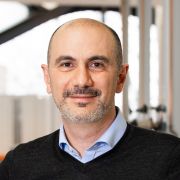
Stig William Omholt is a Research Professor and Research Director at the Kavli Institute for Systems Neuroscience at NTNU. His work bridges systems biology, neuroscience, and computational modeling. Key research interests include Alzheimer’s disease mechanisms, population dynamics modeling, and cardiovascular physiology. He has contributed to major initiatives like the Functional Annotation of All Salmonid Genomes (FAASG) and pandemic response strategies during the COVID-19 crisis. Publications span topics such as amyloid beta-reelin interactions in Alzheimer’s, household-targeted vaccination strategies, and mitochondrial genetics. His interdisciplinary approach integrates mathematical modeling with experimental data to address complex biological systems. Recent work emphasizes translational applications in personalized medicine and ecological conservation. Key Contributions: Alzheimer’s pathology modeling, wildlife population dynamics, and pandemic intervention strategies Collaborations: International teams in genomics, cardiology, and epidemiology Expertise: Systems-level analysis of physiological and ecological systems
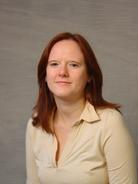
Jérôme Noailly is a Full Professor at the Universitat Pompeu Fabra (UPF), leading the Biomechanics and Mechanobiology Area at the Barcelona Centre for New Medical Technologies. As head of the Multiscale and Computational Biomechanics & Mechanobiology (MBIOMM) group, he specializes in computational modeling of musculoskeletal systems, with a focus on intervertebral discs, osteoporosis, and inflammation-driven degeneration. Education: BSc in Physical Chemistry, Engineer’s/MSc in Materials Science, MSc in Acoustics, and a PhD in Spine Biomechanics (UPC, 2006). Key career milestones include a Marie Skłodowska-Curie fellowship (2006–2009), Ramon y Cajal fellowship (2016), and ERC Consolidator Grant (2023). He currently co-directs the SIMBIOSys group and coordinates EU projects such as Disc4All. Research interests span biomechanical modeling, computational systems biology, medical imaging integration, and machine learning applications. Over 50 peer-reviewed articles, 150+ conference contributions, and 15 PhD supervisions reflect his prolific output. Awards include the UPC Best PhD Thesis (2009) and leadership roles in the European Society of Biomechanics (ESB), including Vice-President (2022–2024). Teaching includes Biomedical Engineering courses at UPF, and leadership roles in academic administration (e.g., Bachelor’s program coordination, international mobility). His work bridges experimental and computational approaches to address complex biomedical challenges like disc degeneration and osteoarthritis.
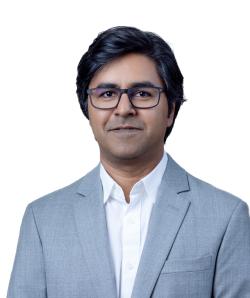
Robert Raphael is an Associate Professor of Bioengineering at Rice University and Principal Investigator of the Neuroengineering IGERT program. He leads research on auditory system mechanics, focusing on ion transport in inner ear membranes and cochlear implant development. His work bridges biophysics with engineering to address hearing loss and deafness. Affiliations: Rice University/Baylor College of Medicine Neuroengineering IGERT Grants: $3M NSF IGERT grant (2018), NIH R01 (collaborative) Research interests include membrane biophysics, computational modeling of ion transport, and carbon nanotube-based cochlear implants. He develops 3D cell culture systems using magnetic levitation and studies mitochondrial diversity in auditory cells. His lab integrates optical imaging, computational modeling, and micromechanical techniques. Recent articles explore synaptic transmission in vestibular systems, potassium transport dynamics, and electromagnetic wave effects on auditory cells. Key awards include the NSF CAREER Award (2005), three Hamill Innovation Awards (2006–2018), and the Charles W. Duncan Jr. Achievement Award (2010). Advising focuses on interdisciplinary neuroengineering training through the IGERT program. Collaborations span Rice, Baylor, and University of Chicago. His lab pioneered the first biophysically-based inner ear ion transport model and advances magnetic nanotechnology for biomedical applications. Current projects include optogenetic studies of membrane proteins and equity initiatives for deaf professionals.
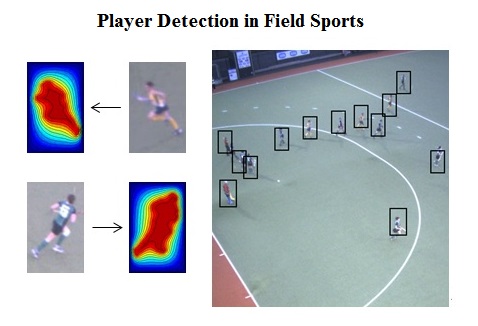
Cem Direkoğlu is a faculty member in the Department of Electrical and Electronics Engineering at Middle East Technical University - Northern Cyprus Campus (METU NCC), within the College of Engineering. His research is centered on computer vision and image analysis, with a strong emphasis on feature extraction, human behavior modeling, and video understanding. Research Interests: His primary research areas include computer vision, pattern recognition, image and video analysis, and signal processing. He focuses on human (individual and group) behavior analysis in sports and surveillance contexts, video event detection, object detection and localization, motion analysis and tracking, and feature/shape/skeleton extraction and segmentation. His ongoing projects involve crowd behavior analysis in surveillance videos, team behavior analysis in sports, and player detection and classification. Publication Trends: His recent work (2004–2014) shows a consistent focus on applying physical analogies (e.g., heat flow) and mathematical models to shape and feature extraction. Later publications shift toward higher-level video understanding, particularly in sports and surveillance, using motion trajectories, team activity modeling, and information retrieval methods for event detection. Scientific Awards: No awards mentioned in the provided text. Advising and Grants: There is no information available regarding students supervised or research grants received. However, his involvement in projects like SAVASA (TRECVid) suggests participation in collaborative research initiatives. Labs and Research Teams: While no specific lab is named, his work appears to be conducted within the research ecosystem of the Electrical and Electronics Engineering department at METU NCC, likely involving collaboration with researchers in multimedia and computer vision, as evidenced by co-authorship with researchers from institutions like Dublin City University.
Dr. Andrew Narracott is a Senior Lecturer in Cardiovascular Mechanics at the University of Sheffield's School of Medicine and Population Health. He holds a MPhys and PhD in Medical Physics from the University of Sheffield. His research focuses on applying numerical techniques to cardiovascular systems, including coronary stenting, valve function, and venous hemodynamics. He teaches a third-year undergraduate course on numerical methods for clinical engineering problems. Education: MPhys (Physics), University of Sheffield, 1997 PhD (Medical Physics), University of Sheffield, 2002 His research interests span computational fluid dynamics (CFD), fluid-structure interaction (FSI), and multiscale modeling. Notable projects include the EU-funded ARCH and MeDDiCA initiatives, and collaborations on valve dynamics and stent thrombosis. He has contributed to over 100 peer-reviewed publications, advancing translational cardiovascular modeling and clinical decision support tools. Dr. Narracott’s work integrates experimental validation with computational methods, emphasizing clinical relevance. His lab develops digital patient applications for personalized medicine, such as predicting femoral bone strength from CT data and optimizing coronary artery reconstruction for virtual FFR computation.
Dr. Alberto Marzo is a Senior Lecturer in the Department of Mechanical Engineering at the University of Sheffield, serving as Director of the MSc Bioengineering program. His research focuses on computational fluid mechanics, cardiovascular biomechanics, and clinical translation of engineering technologies. He holds a five-year Mechanical Engineering degree from the University of Cagliari, Italy, and a PhD from the University of Sheffield. Early in his PhD, he received the David Crighton Fellowship, enabling collaborative research at the University of Cambridge on flow-induced oscillations in elastic vessels. Education: Bachelor's/Master's (5-year): Mechanical Engineering, University of Cagliari, Italy PhD: University of Sheffield Research Interests: Image-based 3D cardiovascular modeling 1D whole-circulation blood flow modeling Medical device optimization (e.g., respiratory treatments) Hemodynamic influences on cardiovascular/biofilm dynamics High-performance computing (HPC) and statistical emulators for validation Recent Work Trends: His publications emphasize clinical translation, such as developing open-source tools (e.g., openBF solver), optimizing stroke treatment protocols, and integrating machine learning with biomechanics for diagnostic biomarkers. He also focuses on musculoskeletal modeling and renal artery hemodynamics. Awards: David Crighton Fellowship (2011) Grants & Leadership: Co-investigator in VPH-DARE@IT (EU FP7) for dementia modeling Principal Investigator for NHS/EPSRC urinary drainage system project Lead of CompBioMed EU H2020 Center of Excellence Teaching & Labs: Teaches courses like MEC320 (Computational Fluid Dynamics) and oversees labs focused on cardiovascular biomechanics and computational modeling.
Dr. Dawn Walker is a Senior Lecturer in the Department of Computer Science at the University of Sheffield. She specializes in computational modeling of biological and biomedical systems, focusing on agent-based and multiscale approaches. Her research includes modeling biological tissues, tumor growth, and electrical properties of epithelial tissues for cancer diagnosis. She leads the School Student Recruitment and contributes to undergraduate admissions. Education: Not explicitly stated but inferred from roles and publications. Research Interests: Agent-based modeling, multiscale modeling in cancer and medicine, electrical impedance spectroscopy (EIS) for early cancer diagnosis, and computational frameworks for biomedical applications. Her work bridges computational methods with biological systems, emphasizing emergent phenomena and translational research. Articles Trends: Recent work emphasizes neuroblastoma modeling, thyroid/parathyroid tissue differentiation via EIS, and frameworks like FLAMEGPU2 for agent-based simulations. Collaborations span oncology, endocrinology, and bioengineering. Grants & Projects: PI/Co-PI on grants including £496k for EIS-based oral cancer diagnosis (Yorkshire Cancer Research), £2.5M EU-funded SANO project for computational diagnostics, and PRIMAGE for pediatric cancer analytics. Also involved in Hypermodelling frameworks for clinical multiscale models. Labs/Teams: Leads the Complex Systems Modelling group and collaborates with INSIGNEO Institute for in silico Medicine. Active in developing tools like the FLAMEGPU2 framework and MAF-based visualization systems.
Sergio Escalera is a Professor at the Department of Mathematics and Informatics, Universitat de Barcelona, and leads the Human Behavior Analysis Group (HuPBA). He holds affiliations at Aalborg University (Distinguished Professor), Computer Vision Center (UAB), and Mathematics Institute of Barcelona. His roles include editorships at journals like TPAMI and Data-centric Machine Learning. He co-created the Codalab platform and co-founded NeurIPS competitions. His research focuses on human-centric AI, including visual and multimodal data analysis, and he has pioneered challenges like ChaLearn Looking at People. Education: Doctorate in Computer Science (Universitat de Barcelona). Research spans computer vision, machine learning, and topological deep learning. He has published over 560 papers and holds patents in AI and biometrics. Research Interests: Inclusive human analysis, transparent AI, affective computing, and sports analytics. Notable projects include SoccerNet for sports video understanding and MyoPS for cardiac MRI analysis. His work bridges theory (e.g., Cellular Transformers) and applications (e.g., mental health monitoring). Awards: ICREA Academia, ELLIS Fellow, AAIA Fellow, multiple best-paper nominations. He has advised 20+ PhD/Master students and led grants totaling millions in funding. Key labs include HuPBA and collaborations with institutions like NVIDIA Jetson Research. Current Projects: MetrikaMind (mental health AI platform), SoccerNet 2024 challenges, and TopoX (topological machine learning software). Active in 3D human motion generation, unlearning algorithms, and robust OOD detection.
Neamul H. Khansur is an Assistant Professor in the Department of Materials Science and Engineering at the Case School of Engineering, Case Western Reserve University. His research focuses on advanced ceramic materials, energy conversion/storage systems, and in situ structural characterization techniques. He holds a PhD in Materials Science & Engineering from UNSW Sydney, Australia. Teaching: Solid-state material chemistry, energy materials, and advanced characterization courses (EMSE 413, EMSE 220). Research Interests: Multimodal energy materials, room-temperature ceramic fabrication, X-ray/neutron diffraction, and photoferroelectrics. Projects: In situ structural characterization of perovskites, energy-efficient ceramic fabrication, and photoferroelectric development. Memberships: American Ceramic Society, IEEE UFFC. His work emphasizes functional ceramics for energy applications, with a focus on structural dynamics under stress/thermal conditions. Key contributions include aerosol deposition of ceramic films, phase boundary engineering, and dielectric/piezoelectric material optimization. Publications highlight innovations in lead-free piezoelectrics, ferroelastic behavior analysis, and composite material recycling strategies. Research spans from fundamental material characterization to applied energy storage solutions.
Yuting Luo is an Assistant Professor in the Department of Materials Science and Engineering at Johns Hopkins University (JHU) and a core faculty member of the Ralph O’Connor Sustainable Energy Institute (ROSEI). She joined JHU in January 2024, following a postdoctoral fellowship at the University of Illinois Urbana-Champaign. She holds a PhD in Chemistry from Texas A&M University (2022) and a BS in Chemistry from Nankai University (China). Her research focuses on designing multi-scale materials for energy storage applications, including solid-state batteries, water treatment, and wearable devices. Key areas include understanding the interplay between chemical, electrochemical, and mechanical properties of materials. Her work emphasizes atomistic to 3D architectural design to enhance functional performance. Collaborations include Argonne and Brookhaven National Labs for synchrotron X-ray characterizations. Her research vision centers on enabling a sustainable energy future through advanced materials science. Current projects bridge atomic-level design principles with practical applications in energy transition and human health technologies. Luo’s group actively explores novel materials for next-generation electrochemical storage systems, employing cutting-edge techniques like operando synchrotron analysis and machine learning-driven data analytics. Her interdisciplinary approach addresses challenges in battery longevity, thermal stability, and fast-charging capabilities.
Dr. Alexander Schwedt is a Group Leader at the Central Facility for Electron Microscopy at RWTH Aachen University. His research focuses on advanced materials characterization using electron microscopy techniques, particularly in the context of rolling contact fatigue in bearing steels, microstructural evolution in high-performance alloys, and failure mechanisms in engineering materials. He collaborates extensively across disciplines, including metallurgy, tribology, and energy storage systems. His work integrates experimental methods (e.g., EBSD, TEM/STEM) with computational modeling to study phenomena such as white etching areas, dark etching regions, and subsurface carbide deformation. Recent studies highlight innovations in additive manufacturing processes, corrosion-resistant materials, and nanostructure analysis of functional materials like sodium-ion battery components. Key Research Themes: Rolling contact fatigue in bearings, microstructure-property relationships, advanced microscopy techniques, and materials for energy storage. Notable Projects: Development of novel imaging methods for laser-induced defects in intraocular lenses, mechanistic studies on carbonation of peridotite, and tailored microstructures via hybrid directed energy deposition. Dr. Schwedt’s publications span journals like Wear , Acta Materialia , and Nano Letters , reflecting his contributions to both fundamental and applied materials science. He actively engages in collaborative research with academia and industry, addressing challenges in mechanical engineering, geochemistry, and biomedical applications.
Shijie Zhou is an Assistant Professor of Biomedical Engineering at Worcester Polytechnic Institute (WPI), previously serving as an Assistant Professor at Miami University, Ohio. He holds a PhD from Dalhousie University and completed a postdoctoral fellowship at Johns Hopkins University. His research focuses on cardiac electrophysiology and biomedical engineering, particularly in developing AI-driven 3D computational heart models for personalized diagnostics and therapies. Dr. Zhou’s work bridges clinical practice and research, emphasizing ventricular tachycardia localization and translational studies to improve patient outcomes. He leads the Computational Clinical Cardiac Electrophysiology Laboratory (CCCEL), which has secured grants including the 2025 American Heart Association Innovative Project Award and National Heart, Lung, and Blood Institute R15 Grant. His lab relocated to WPI in 2023, focusing on clinical applications of virtual-heart technologies. Education PhD in Biomedical Engineering, Dalhousie University, Canada (2018) Postdoctoral Research, Biomedical Engineering, Johns Hopkins University (2018–2020) Research Interests Dr. Zhou’s research integrates computational modeling with clinical data to address arrhythmia mechanisms. Key areas include: AI-based ventricular tachycardia localization using ECG and imaging fusion Personalized heart digital twins for guiding ablation therapies Non-invasive ECG imaging techniques (ECGI) Fat infiltration’s role in post-infarct arrhythmogenesis Professional Recognition Fellow of the Heart Rhythm Society Fellow of the European Society of Cardiology Awarded multiple grants including AHA Innovative Project Award (2025), AHA Career Development Award (2025), and NHLBI R15 Grant (2025) Lab Activities CCCEL develops real-time systems for arrhythmia origin localization, including the RAPID-VT platform. Current projects aim to enhance clinical decision-making through automated algorithms and patient-specific models.
Prof. Songbai Ji is a Professor of Biomedical Engineering at Worcester Polytechnic Institute (WPI), affiliated with the Mechanical Engineering department. His research focuses on integrating advanced neuroimaging with computational modeling to study traumatic brain injury (TBI) mechanisms, particularly in contact sports, and improving surgical image-guidance for spine procedures. He holds a BS and MS from Shanghai Jiaotong University, and MS and PhD from Washington University in St. Louis. His work combines biomechanical modeling, medical imaging techniques, and real-time data analysis to develop diagnostic tools for concussions and improve surgical accuracy in open spine surgery. Key innovations include a pre-computed brain response atlas for instant strain estimation and low-cost stereovision systems for intraoperative registration. He collaborates with clinicians and engineers to translate these technologies into clinical practice. Recent publications emphasize helmet design optimization, robotic-assisted surgery, and machine learning applications in injury prediction. His lab’s research spans biomechanics, medical imaging, and surgical navigation, with a focus on precision medicine and injury prevention.
Yonghui Ding is an Assistant Professor of Biomedical Engineering at Worcester Polytechnic Institute (WPI). He holds a B.Eng. in Materials Science from Chongqing University, an M.Phil. in Bioengineering from The Hong Kong University of Science and Technology, and a Ph.D. in Mechanical Engineering from the same institution. He completed a postdoctoral fellowship at the University of Colorado-Boulder before serving as a Research Assistant Professor of Biomedical Engineering at Northwestern University (2019–2023). His research focuses on biomaterial scaffold design and additive manufacturing technologies for regenerative engineering, particularly targeting vascular and musculoskeletal tissues. Key areas include 3D-printed bioresorbable stents, mussel-inspired hydrogels, and micro/nano-phase composites for clinical applications. He leads the Additive Manufacturing for Regenerative Engineering (AMRE) Lab , emphasizing translational strategies to bridge engineering and clinical needs. His work has been recognized with awards such as the NIH NIBIB Trailblazer R21 Award (2022) and the American Heart Association Career Development Award (2021). He is committed to STEM education, holding a CIRTL Associate certification and actively mentoring students in interdisciplinary research. Current research interests include biomaterials for tissue regeneration , advanced 3D printing techniques , and anti-postoperative adhesion materials . His lab offers fully funded positions for postdocs and students in Chemical Engineering, Materials Science, and Biomedical Engineering, emphasizing collaboration and innovation in regenerative engineering.
Bingbing Li is a Full Professor in the Department of Chemistry and Biochemistry at Central Michigan University, College of Science & Engineering. She has held key leadership roles including Coordinator and Chair of the Chemistry Graduate Program (2015–2017, 2020–2024) and Associate Department Chair (2022–2024). Her academic journey includes postdoctoral research at the University of Massachusetts Amherst and Indiana University, followed by a tenure-track appointment at CMU in 2009. B.S. in Chemistry, Beijing Normal University, 1998 M.S. in Chemistry, Virginia Polytechnic Institute and State University, 2004 Ph.D. in Physical Chemistry of Polymers and Interface Science, Virginia Tech, 2007 Her research centers on multiscale events in semicrystalline polymer systems, with three major areas: (1) biodegradable polyesters under non-equilibrium conditions, (2) POSS-based polymer coatings and nonwoven materials, and (3) polymer materials for environmental protection. She employs advanced techniques such as electrospinning, solvent vapor annealing, and interfacial polymerization to design functional materials. Analysis of her recent publications reveals a strong focus on polymer morphology control, crystallization behavior, and hybrid nanocomposites. Her work spans fundamental interfacial phenomena to applied environmental remediation, particularly in air filtration and wastewater treatment using nanostructured polymer materials. The integration of POSS and graphene oxide into polymer matrices highlights her innovation in enhancing material performance and sustainability. Dr. Li has been recognized with several scientific awards: Honorable Frank J. Padden Award Finalist, American Physical Society (2007) Alice L. Jee Memorial Young Investigator Award, American Orthopedic Research Society (2008) Outstanding Service Award, College of Science & Engineering, CMU (2023) Outstanding Achievement Award in Diversity, Midland Section of ACS (2024) She has served as an advisor to numerous graduate students and has secured research funding through grants from NSF and ACS Petroleum Research Fund. Her professional service includes organizing conferences, serving as a proposal reviewer, and editorial roles for Scientific Reports (NPG, 2016–present) and Material Circular Economy (Springer, 2021–present). She also teaches graduate and undergraduate courses in polymer chemistry, quantum mechanics, and scientific communication. Dr. Li leads the Li Research Lab (Dow 243), where her team investigates hierarchical polymer structures, degradation mechanisms, and circular economy applications of polymer materials. The lab emphasizes interdisciplinary collaboration and innovation in sustainable materials science.