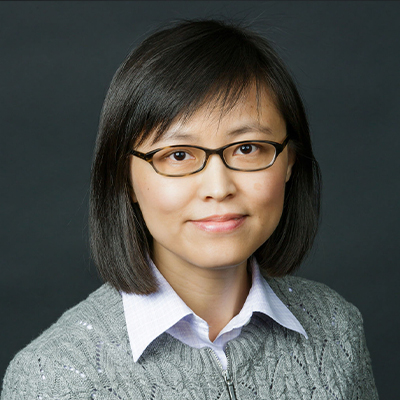
Mingyao Li, PhD, is an Associate Professor of Biostatistics whose scholarship bridges high-dimensional statistics with modern genomics and spatial biology. Her work is recognised for advancing computational methods that dissect complex tissue architecture and disease heterogeneity at single-cell resolution. Research Interests Bioinformatics and computational biology Statistical methods for high-dimensional genomic data Single-cell and spatial multi-omics integration Genetics and genomics of cardiovascular and cancer systems Systems biology approaches to disease mechanisms Across more than one hundred peer-reviewed publications, Li’s research exhibits a clear trajectory from developing rigorous statistical frameworks—such as hypothesis testing in stochastic block models—to large-scale applications in human disease. A dominant theme is the fusion of spatial transcriptomics, single-cell multi-omics and AI-driven image analysis to uncover cell-type heterogeneity, lineage relationships and microenvironmental crosstalk in atherosclerosis, lung adenocarcinoma, pancreatic cancer and neurodegenerative disorders. Scientific Awards & Recognition While specific awards are not listed in the provided text, the consistent appearance of Dr Li as senior or corresponding author on high-impact papers in Nature family journals and the development of widely-used computational tools (e.g., MISO, iSCALE) attest to significant scholarly recognition. Research Support & Teams Granting agencies and collaborative networks are not explicitly detailed, but the scale and scope of the projects—from whole-organ spatial atlases to primate genome-editing studies—imply substantial multi-institutional funding and interdisciplinary teams integrating biostatisticians, wet-lab scientists and clinician-scientists.
Benjamin Voight, PhD, is an Associate Professor of Systems Pharmacology and Translational Therapeutics. His research program sits at the intersection of computational biology, genomics, and clinical translation, with a particular focus on understanding how human genetic variation influences complex disease susceptibility and therapeutic response. Research Interests Bioinformatics & Computational Genomics: Development of algorithms and statistical frameworks for large-scale genomic data integration. Human Genetics & Population Genetics: Leveraging diverse global cohorts to uncover ancestry-specific and shared genetic signals underlying cardiometabolic traits. Systems Pharmacology: Translating genetic discoveries into therapeutic hypotheses and pharmacogenomic applications. Across more than 60 recent publications (2020-2025), Dr. Voight’s group has consistently advanced multi-ancestry genome-wide association studies (GWAS), polygenic risk score development, and single-cell multi-omic dissection of pancreatic, hepatic, renal, and cardiovascular tissues. These works collectively illuminate pleiotropic networks connecting type 2 diabetes, coronary artery disease, heart failure, atrial fibrillation, gallstone disease, and non-alcoholic fatty liver disease. Scientific Recognition No specific awards are listed in the provided text. Advising & Collaborative Teams While individual trainees are not named, the extensive co-authorship patterns across the Million Veteran Program, trans-ancestry consortia, and interdisciplinary pharmacogenomic initiatives indicate substantial mentorship and collaboration with both pre- and post-doctoral researchers.
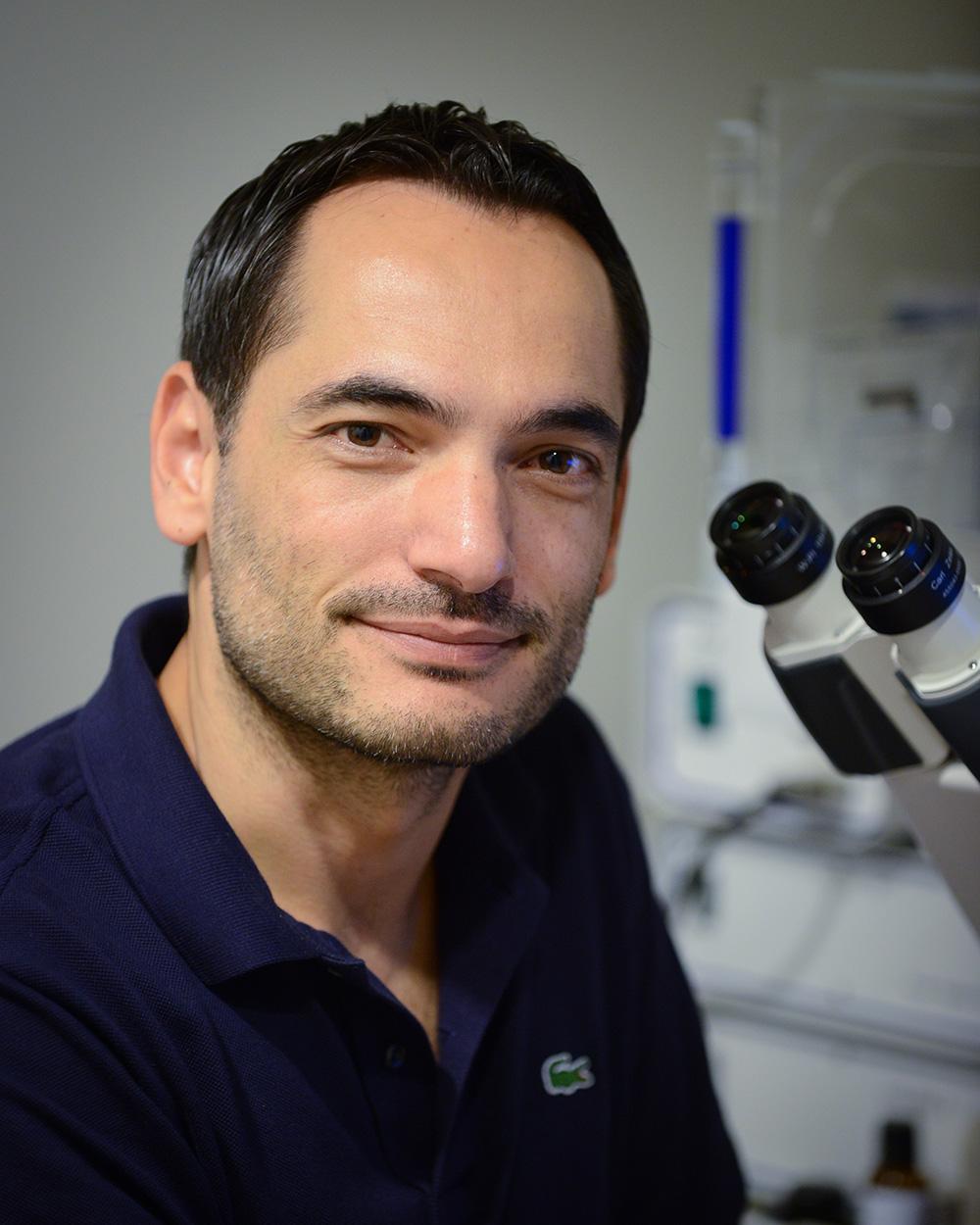
Jesper Grud Skat Madsen is an Associate Professor at the Department of Biochemistry and Molecular Biology, University of Southern Denmark (SDU), and Principal Investigator of the MadLab research group. His work bridges computational biology with experimental genomics, focusing on transcriptional regulation in tissue plasticity and metabolic diseases. Current affiliation: SDU (Department of Biochemistry and Molecular Biology) Previous affiliation: SDU (Department of Mathematics and Computer Science, 2021-2023) Research centers: ATLAS, Human Gene Regulatory Map (HGRM), ADIPOSIGN
Nikos Tapinos is the Sidney A. Fox and Dorothea Doctors Fox Associate Professor of Ophthalmology, Visual Science, and Neuroscience at Brown University, affiliated with the School of Engineering and Department of Neurosurgery. He leads the Molecular Neuroscience & Neurooncology Lab, focusing on epigenetics, glial cell biology, and neuro-oncology. Research spans myelination mechanisms, glioma stem cell migration, RNA epigenetics, and novel therapies like GliaTrap hydrogels. Collaborations include departments of Pathology, Engineering, and Molecular Biology across Brown University. Recent work emphasizes epigenetic regulation in glioblastoma using machine learning, enhancer RNAs, and HDAC inhibitors. Key technologies include enzyme-free tissue dissociation and electric field therapy platforms. His lab investigates chromatin remodeling via antisense RNAs (e.g., Egr2 regulation) and mechanisms of glioma invasion in 3D models. Publications highlight integrative approaches to targeting glioma stem cells and Schwann cell biology.
Pengfei Liu, Ph.D. , is an Associate Professor in the Department of Molecular and Human Genetics at Baylor College of Medicine and Associate Clinical Director of NGS/Molecular at Baylor Genetics . He directs the ACGME/ABMGG Laboratory Genetics and Genomics Fellowship Program and leads the Medical Genetics and Multiomics Laboratory (MGML), a CLIA-certified diagnostic facility. Education: PhD from Baylor College of Medicine (2012), BS from Nankai University Certifications: American Board of Medical Genetics (Clinical Molecular Genetics #2015130, Laboratory Genetics and Genomics #2023143) Dr. Liu's research focuses on genomic medicine for rare diseases , with emphasis on clinical implementation of whole genome/exome/transcriptome sequencing . His lab pioneers patient-derived cell transdifferentiation for functional variant analysis and antisense oligonucleotide therapies for Mendelian disorders. Current projects include integrating low-cost sequencing technologies (Ultima Genomics) and characterizing genetic modifiers in recurrent deletions (e.g., 1q21.1 and 17q12 syndromes). His publications span genomic structural variation mechanisms , transcriptome diagnostics , and AI applications in Mendelian disease diagnosis (AI-MARRVEL system). The lab contributes to national initiatives including NIH Undiagnosed Diseases Network (UDN), GREGoR, RADIANT, and PrenatalSEQ consortia. Scientific Awards: C. W. Cotterman Award (ASHG 2012) NHGRI Top 10 Genomic Advances (2019) ACMG Michael S. Watson Innovation Award (2022) NHGRI Genomic Innovator Award (2021) The MGML, under Dr. Liu's leadership, operates the first clinical RNA-seq pipeline for the NIH Undiagnosed Diseases Network. The lab trains clinical geneticists through its ACGME-accredited fellowship program and collaborates with families affected by SPTAN1 mutations to develop individualized therapies.
Qian Zhu is an Assistant Professor at Baylor College of Medicine in the Department of Molecular Genetics . He earned a BSc in Computer Science and Biochemistry from the University of Ottawa , a PhD in Computational Biology from Princeton University , and completed postdoctoral training at Dana-Farber Cancer Institute/Harvard Medical School . Research Focus : Computational Biology, Cancer Genomics, Spatial Transcriptomics Key Projects : Spatial Multiomic Integration, Triple Negative Breast Cancer Disparities, Chromatin Structure Analysis, Software Development Recent Trends : His 15 most recent publications (2025-2018) focus on spatial transcriptomics tools ( Giotto , Xenomake ), cancer disparities research, chromatin structure analysis, and computational methods for single-cell data integration. These works reflect expertise in machine learning application to biomedical imaging, tumor microenvironment characterization, and epigenetic regulation. 2025 : Spatial omics analysis of racial disparities in TNBC 2024 : BCL11A tetramer function, xenograft data processing 2023 : CRISPR screening in leukemia 2022 : Chromatin regulators in developmental disease Awards : 2025 - Marion R. Wright Award for Scientific Excellence 2022 - CPRIT Tenure-Track Faculty Recruitment Award Collaborations : Works with experimental biologists on tumor progression, therapy resistance, and hematopoietic development. His lab includes bioinformatics programmers and graduate students.
Ravza Gur is a Postdoctoral Computational Biologist at the University of Oxford's MRC Weatherall Institute of Molecular Medicine (MRC WIMM) and member of the Genome Biology Lab. Her work focuses on integrating single-cell multiomic epigenetics and transcriptomics with machine learning to study non-coding genetic variations in human diseases. Affiliation: University of Oxford Department: MRC WIMM Centre for Computational Biology Role: Postdoctoral Computational Biologist Volunteer: President of ISCB SC RSG-Turkiye (2023) Her research spans single-cell genomics , machine learning , and gene regulation , with a focus on improving scATAC-seq resolution and developing tools like the CREST-GV platform. Current work involves Deep Neural Network methods for analyzing non-coding genomic regions. Scientific contributions include 14 publications on scATAC-seq, chromatin accessibility, and multiomic disease analysis. Her Google Scholar highlights projects like REnformer and GTAC. Recent work emphasizes epigenetic variation in AML and IMiD-induced neutropenia . 2023: Elected President of ISCB SC RSG-Turkiye 2022: Analyzed ATRX chromatin remodelling mechanisms Labs & Collaborations: Genome Biology Lab (Oxford) Centre for Computational Biology (MRC WIMM) ISCB SC RSG-Turkiye
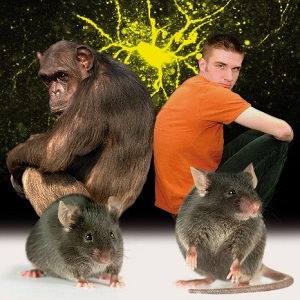
Prof. Dr. Wolfgang Enard is a faculty member at Ludwig Maximilian University of Munich, leading research in Primate Genomics , Evolutionary Biology , and Computational Biology . His work bridges evolutionary genomics with experimental molecular mechanisms to understand human-specific traits, particularly focusing on speech evolution and brain size development. Studying FOXP2 transcription factor in human speech evolution using mouse models Investigating genetic basis of brain size evolution through cross-species genomic comparisons Generating and analyzing induced pluripotent stem cells (iPSCs) from primates for evolutionary studies His laboratory employs RNA-Seq , ChIP-Seq , and proteomics to explore regulatory networks, with recent publications emphasizing cross-species comparisons, epigenetic evolution, and stem cell engineering. While no explicit awards are listed, his work has been cited in numerous high-impact publications across genomics, neurobiology, and disease modeling. Key trends in his research include comparative epigenomics of neural development, iPSC-based evolutionary studies , and multiomic approaches to disease mechanisms . His lab maintains active collaborations and generates specialized stem cell lines for cross-primate investigations.
Mehmet Gönen is a Professor in the Department of Industrial Engineering at Koç University's College of Engineering. His academic career spans multiple disciplines at the intersection of engineering, computer science, and biomedical research. He maintains an active research program with significant contributions to machine learning applications in biological and medical contexts. Education: PhD, Boğaziçi University (2010) MSc, Boğaziçi University (2005) BS, Boğaziçi University (2003) Professor Gönen's research primarily focuses on developing and applying machine learning methodologies, particularly multiple kernel learning techniques, to solve complex problems in computational biology and medicine. His work bridges theoretical algorithm development with practical applications in cancer biology, infectious disease modeling, and drug discovery. He has made significant contributions to single-cell multiomics analysis, antibiotic resistance research, and cancer genomics. His methodological innovations in kernel-based machine learning have found applications across diverse biological domains, demonstrating the versatility and power of his computational approaches. Analysis of his recent publications (2022-2025) reveals a consistent research trajectory centered on applying advanced machine learning techniques to pressing biomedical challenges. His work demonstrates strong interdisciplinary collaboration, spanning computational methods development, clinical applications, and biological discovery. Key thematic areas include cancer genomics (particularly pathway analysis and biomarker discovery), infectious disease modeling (with emphasis on antibiotic resistance mechanisms), and methodological innovations in kernel learning for biological data integration. His research has practical implications for precision medicine, drug discovery, and healthcare analytics. Professor Gönen has maintained a robust publication record with significant contributions to both methodology development and domain-specific applications. His work on scMKL for single-cell multiomics analysis represents cutting-edge integration of computational techniques with modern biological data. The consistent focus on interpretable machine learning methods suggests an emphasis on creating tools that provide biological insights rather than just predictive accuracy. His research group appears to collaborate extensively with domain experts in microbiology, oncology, and clinical medicine, ensuring that computational approaches address real-world biomedical challenges.
Kathryn Luker is a Researcher in the Department of Radiology at the University of Michigan Medical School, affiliated with the Biointerfaces Institute. She specializes in molecular imaging of cell signaling in cancer, developing fluorescence and bioluminescence tools for single-cell analysis of tumor microenvironments. BS in Chemistry (University of Kansas, 1987) PhD in Biochemistry & Molecular Biology (Washington University, 1993) Research Interests: Biochemical mechanisms of chemokine/growth factor signaling in cancer progression, autocrine/paracrine signaling, fluorescence/bioluminescence reporters, custom image analysis, and multiscale computational modeling of tumor environments. Her recent work focuses on CXCR4 inhibition in breast cancer immunotherapy, CX43 -mediated tumor-stroma interactions in bone marrow metastases, and machine learning approaches to decode cancer cell heterogeneity. She has received major grants from NIH, Army-DoD, and the W. M. Keck Foundation. Mentoring: Committed to team-based mentorship, she has co-mentored over 70 trainees across biology, medicine, engineering, and computational disciplines.
Liming Pei, Ph.D., serves as Associate Professor of Pathology and Laboratory Medicine at the University of Pennsylvania's Perelman School of Medicine and Children's Hospital of Philadelphia (CHOP), where he directs a research program focused on inter-organ communication in metabolic homeostasis. His laboratory investigates how the heart functions as an endocrine organ, employs single-cell multiomics to decode cardiac development and disease, and elucidates cell-type-specific metabolic regulation through nuclear receptors like ERRγ. Dr. Pei earned his B.S. from the University of Science and Technology of China (2000) and Ph.D. from UCLA (2006), followed by postdoctoral training at the Salk Institute. He joined CHOP/UPenn in 2013 as Assistant Professor before promotion to Associate Professor. His research spans three synergistic domains: (1) Cardiac endocrinology, where his team discovered GDF15 as a heart-derived hormone regulating body growth and liver metabolism, explaining failure-to-thrive in pediatric heart disease; (2) Single-cell multiomics, pioneering snRNA-Seq in cardiac research to build human heart atlases through NIH HuBMAP and study Fontan-associated liver disease; (3) Mitochondrial metabolism, identifying ERRγ as a master regulator of cell-type-specific energy pathways essential for cardiac, neuronal, and renal function. His work employs proximity labeling, single-nucleus sequencing, and transgenic models to uncover fundamental mechanisms with therapeutic implications. Recent publications reveal his lab's dominance in cardiac multiomics, with 2024-2025 studies on Fontan physiology, mitochondrial heteroplasmy, and ERRγ-targeted heart failure therapies appearing in Science Translational Medicine and Nature Cell Biology. His work demonstrates consistent innovation in linking molecular mechanisms to clinical metabolic and cardiac disorders. Funded by multiple NIH grants and Department of Defense awards, Dr. Pei actively mentors postdoctoral fellows and graduate students through CHOP/UPenn training programs. His lab offers rotation projects in cardiac hormone discovery, single-cell atlas development, and mitochondrial disease modeling, emphasizing computational and experimental integration. The Pei Lab operates within CHOP's Center for Spatial and Functional Genomics, collaborating with UPenn's Institute for Diabetes Obesity and Metabolism and the Cardiovascular Institute. Current initiatives include developing ERRγ-based therapies for kidney disease and expanding the understanding of heart-liver metabolic crosstalk through clinical-translational partnerships.
Dr. Yasser Mahmmod is an Associate Professor in Production Animal Medicine at Long Island University's Lewyt College of Veterinary Medicine. With 20+ years of academic and clinical experience, he holds a DVM from Zagazig University, MVSc in clinical epidemiology, and PhD in cattle health from the University of Copenhagen. His global research includes postdoctoral positions at the University of Minnesota and Autonomous University of Barcelona as a Marie Skłodowska-Curie Fellow. Research Focus: Dr. Mahmmod leads interdisciplinary research at the intersection of veterinary epidemiology, microbiology, and data science. Primary interests include: Bovine herd health management and mastitis control Antimicrobial resistance dynamics in livestock systems Metagenomics of animal microbiomes Bayesian disease modeling and diagnostics validation Ruminant infectious disease epidemiology Awards & Honors: European Marie Skłodowska-Curie Fellowship (2018) Medal of Excellence from Egyptian Presidency State Encouragement Award for agricultural sciences Editor's Choice recognition in Journal of Dairy Science Fellow of Higher Education Academy (FHEA) Academic Contributions: Certified in digital pedagogy by Blackboard Academy, he coordinates core veterinary courses and champions research-oriented teaching. He has supervised numerous graduate trainees and serves on editorial boards of Frontiers in Veterinary Science, Journal of Dairy Science, and BMC Veterinary Research. His laboratory focuses on developing novel diagnostics and management strategies for production animal diseases.
Avi Srivastava, Ph.D. is an Assistant Professor in the Genome Regulation and Cell Signaling Program at The Wistar Institute's Ellen and Ronald Caplan Cancer Center. A computational biologist with expertise spanning computer science and biology, Dr. Srivastava leads research focused on understanding how epigenomic regulation influences cellular fate determination, particularly in the context of hematopoiesis and leukemia development. Dr. Srivastava's research interests center on computational approaches to single-cell genomics, epigenomics, and transcriptomics. His work integrates epigenetic, computational, and cancer biology analysis with state-of-the-art multimodal single-cell technologies and sophisticated uncertainty-aware computational models. His lab specifically investigates chromatin dynamics during cell differentiation, with special emphasis on dysregulation in leukemia. Analysis of Dr. Srivastava's publication record reveals a strong focus on developing computational methods for RNA-seq and single-cell analysis. His work spans transcript quantification algorithms , uncertainty-aware Bayesian models for single-cell data, and integrated analyses of epigenomic data to understand hematopoietic malignancies. His contributions address critical challenges in handling gene-ambiguous reads and improving accuracy in gene abundance estimation. Dr. Srivastava's laboratory currently includes Postdoctoral Fellow Rajeev Ramisetti, Ph.D. and Research Assistant Calen Nichols, working together to advance understanding of the molecular mechanisms underlying blood cell development and malignancy.
Dr. Ljiljana (Lili) Paša-Tolić is a distinguished Lab Fellow and Lead Scientist for Visual Proteomics at Pacific Northwest National Laboratory (PNNL), where she works within the Environmental Molecular Sciences Division and the Environmental Molecular Sciences Laboratory (EMSL) user program. She brings world-leading expertise in native-state and top-down proteomics, mass spectrometry, and the Biomolecular Pathways Integrated Research Platform, combining these with Functional Bioimaging and Cell Signaling platforms to develop transformational capabilities for dynamic spatio-temporally resolved proteomic imaging in cells. Shipley Capturing Federal Business Course (2013) Emerging Leader Program (2012) Management Skills Development Program (2003) Postdoc, National High Magnetic Field Laboratory (1995–1997) Postdoc, PNNL (1993–1995) PhD in Chemistry, University of Zagreb (1992) MS in Theoretical and Physical-Organic Chemistry, University of Zagreb (1989) BS in Chemistry, University of Zagreb (1986) Dr. Paša-Tolić specializes in developing sophisticated analytical methods with emphasis on Fourier transform mass spectrometry and micro-separations. Her research focuses on applying these techniques to accurately quantify spatiotemporal changes in protein (metabolite) abundance, identity, and activity. Her work bridges the gap between advanced instrumentation development and biological applications, particularly in environmental systems, microbial communities, and plant-microbe interactions. She has pioneered approaches for single-cell metabolomics, top-down proteomics, and mass spectrometry imaging that have transformed how researchers study complex biological systems at unprecedented resolution. The trend in Dr. Paša-Tolić's recent publications demonstrates her leadership in advancing mass spectrometry technologies while applying them to increasingly complex biological questions. Her work spans environmental science, microbiology, plant biology, and immunology, showing how fundamental advances in analytical methodology can be leveraged across diverse research domains. Key themes include single-cell analysis, interlaboratory standardization, top-down proteomics, and the development of novel instrumentation approaches that push the boundaries of detection sensitivity and spatial resolution. The Analytical Scientist Power List (2019) Spectrometry Global Impact Award (2015) Director's Award, EMSL (2010) Systems Biology Fellows Mentor Award (2007) Outstanding Merit Award, International Immunology (2007) Key Contributor Award, PNNL (2002, 2003) Outstanding Performance Award, PNNL (1998, 1999, 2000) International Institute of Quantum Chemistry and Solid-State Theory Award (1988) As a leader in her field, Dr. Paša-Tolić has served in numerous professional capacities including Treasurer of the American Society for Mass Spectrometry (2020–2022), Editorial Board Member for the Journal of the American Society for Mass Spectrometry (2017–Present), and Member at Large on the Board of Directors for the Consortium for Top-Down Proteomics (2012–Present). She has organized and lectured at the 'Mass Spectrometry in Biology and Medicine' summer school in Dubrovnik, Croatia since 2007, demonstrating her commitment to training the next generation of scientists. Her research has been supported by multiple federal agencies including the Department of Energy, National Institutes of Health, and National Science Foundation. Dr. Paša-Tolić leads a dynamic research team at PNNL focused on visual proteomics, which combines advanced mass spectrometry with imaging techniques to study biological systems at unprecedented resolution. Her group works at the intersection of the Functional and Systems Biology group, the Biomolecular Pathways Integrated Research Platform, and the Functional Bioimaging platform, creating a synergistic environment for innovation. The team has developed novel capabilities for single-cell analysis, top-down proteomics, and mass spectrometry imaging that are being applied to diverse research areas from environmental systems to human health.
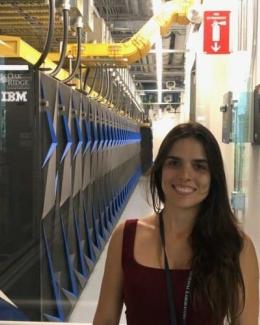
Erica Teixeira Prates is a Computational Systems Biologist at Oak Ridge National Laboratory (ORNL), working within the Biological and Environmental Systems Science Directorate's Biosciences Division. She leads computational research in the Computational and Predictive Biology Group and Biocomputing and Information Section, focusing on integrating molecular dynamics simulations with multi-omics data to study protein structure-function relationships. Her research spans three major domains: Bioenergy (CBI projects on plant-microbe interfaces and cellulose biosynthesis) Plant-Microbe Interactions (modeling receptor-ligand pairing in Populus systems) Viral Pathogenesis (SARS-CoV-2 protease mechanisms and antiviral strategies) She develops computational protocols for proteome-wide modeling, virtual screening, and enhanced sampling techniques to bridge molecular biophysics with systems-level biological traits. Publication analysis reveals consistent focus on structural bioinformatics (47% of articles), with growing emphasis on AI-driven approaches since 2020. Her work connects quantum biology with CRISPR optimization, metabolite-GWAS networks in plants, and opioid addiction genetics through meta-multiomics integration. Professional contributions include key projects: Plant-Microbe Interfaces (PMI) initiative for bioenergy crops COVID-19 research on NEMO cleavage and bradykinin storms Development of explainable AI models for viral mutation tracking