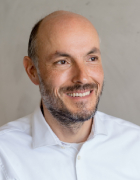
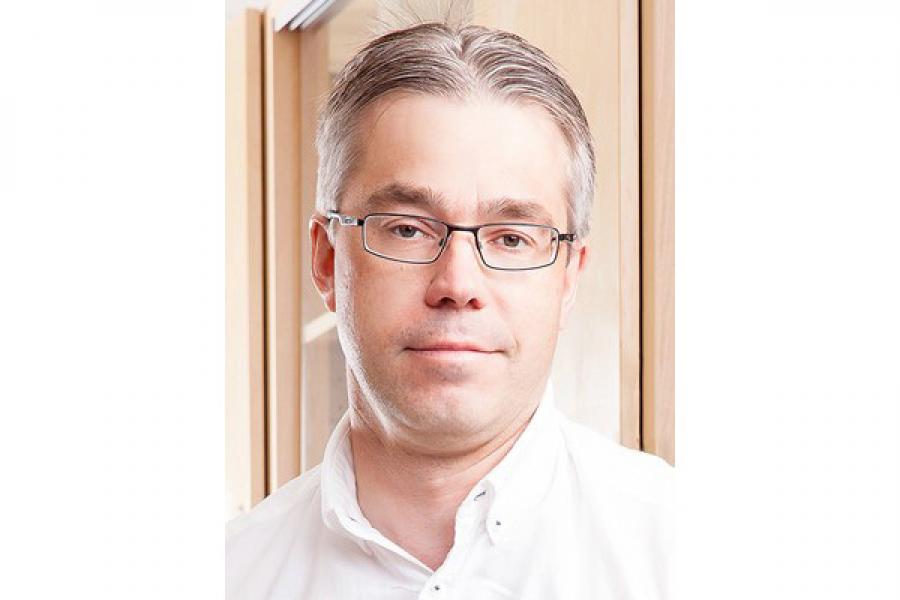
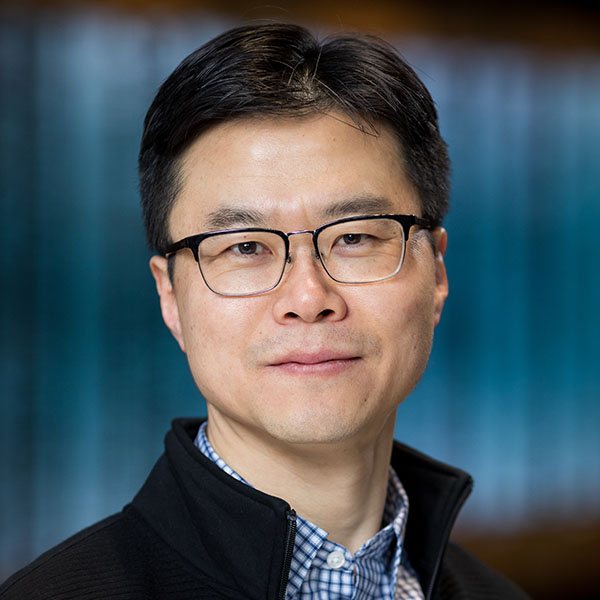
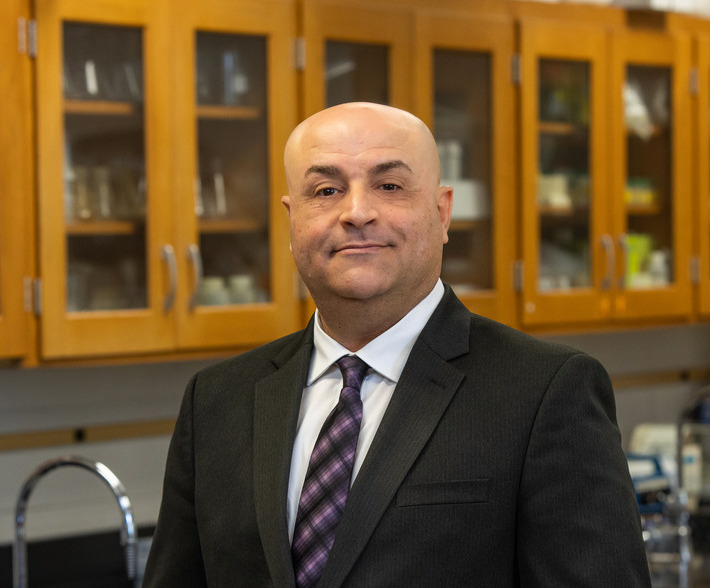
Professor David Grainger is a faculty member at the University of Birmingham's School of Biosciences, specializing in Molecular Microbiology. He leads the Grainger Lab, focusing on bacterial chromosome biology, pathogenicity, and antibiotic resistance. His research integrates high-throughput techniques and single-molecule analysis to study gene regulation and bacterial pathogenesis. Education: PhD (2004), PGCE (2000), BSc (1999) in Biochemistry from the University of Birmingham. Affiliations: Part of the Institute of Microbiology and Infection (IMI), collaborating with experts in genomics, proteomics, and structural biology. Research Interests: Deciphering chromosome biology of pathogenic bacteria, including transcriptional regulation, toxin production control, and antibiotic resistance pathways. Utilizes cutting-edge methods like Hi-C for 3D chromatin analysis and single-molecule microscopy. Recent Articles: Focused on transposon capture mechanisms, bacterial promoter diversity, and quorum sensing signaling. Highlights include studies on Salmonella regulons and Vibrio cholerae biofilm suppression. Awards: Wellcome Trust Career Development Fellowship (2008), Runner-up in 'Science Snaps' competition for scientific communication. Grants: Career Development Fellowship-funded establishment of his research group at the University of Warwick (2008). Labs/Teams: Grainger Lab at the University of Birmingham, part of the IMI network. Engages in public science outreach via Twitter and lab website.
JIANG Xingyu is Chair Professor and Head of the Department of Biomedical Engineering at the Southern University of Science and Technology (SUSTech) . Since 2018 he has led a multidisciplinary team developing advanced micro- and nano-scale tools for analytical chemistry, microfluidics and nanomedicine. Education Postdoctoral Research, Harvard University (2004–2005) Ph.D. in Chemistry, Harvard University (2004) B.S. in Chemistry, University of Chicago (1999) Research Interests Professor Jiang’s research integrates analytical chemistry , microfluidics , biomedical engineering and nanomedicine . His laboratory designs microfluidic chips for point-of-care diagnostics, engineers gold nanoclusters and nanoparticles for antimicrobial and anticancer therapy, and develops soft flexible bio-electronics for neural interfaces and wearable health monitoring. Across 400+ publications, recent work demonstrates a clear trend toward translational nanomedicine : point-of-care viral variant detection, nanoantibiotic strategies against multidrug-resistant bacteria, CRISPR delivery systems for cancer therapy, and conformal electronic tattoos for human-machine interfaces. Scientific Awards & Honours Fellow, American Institute for Medical and Biological Engineering (2020) Fellow, Royal Society of Chemistry (2016) Tencent Science Exploration Award (2019) Chief Scientist, National Key R&D Program (2019–) National Science Fund for Distinguished Young Scholars (2010) Young Investigator Award, Human Frontier Science Program (2007) Research Funding & Teams He currently directs the Nanoscience Laboratory at SUSTech, hosts National Key R&D Program projects as Chief Scientist, and serves on editorial boards of Advanced Healthcare Materials , Lab on a Chip , Nanoscale Horizons , Nanoscale and Nanoscale Advances . The group is actively recruiting post-docs, research professors and technicians across chemistry, materials, biology and medical engineering disciplines.
John E. Moses is a Professor at Cold Spring Harbor Laboratory (CSHL), where he leads the Moses Laboratory and serves as Faculty Head of the Mass Spectrometry Shared Resource for the Cancer Center. He is also a Cancer Center Member focusing on developing chemical tools for biological discovery, particularly in cancer research. Dr. Moses earned his D.Phil. in Synthetic Organic Chemistry from the University of Oxford in 2004. His academic journey includes positions as Professor of Organic Chemistry at La Trobe University (2017-2020), Level 6 Future Fellow at the Australian Research Council (2017-2021), and Reader & Associate Professor in Organic Chemistry at the University of Nottingham (2007-2017). Moses' research focuses on click chemistry, a powerful discovery method that uses robust chemical reactions to synthesize functional molecules. His lab specializes in developing and exploiting bond-forming click reactions for rapid synthesis of small functional molecules, including cancer drugs and chemical probes. They apply these molecular tools in multidisciplinary projects spanning biology and chemistry. His recent work has led to significant advances in click chemistry methodologies, including Diversity Oriented Clicking (DOC) and Phosphorus Fluoride Exchange (PFEx). These approaches have enabled the discovery of new cancer therapeutics and antibiotics effective against multidrug-resistant bacteria like MRSA. Dr. Moses has received numerous honors including the 2021 Organic Division Horizon Prize: Robert Robinson Award in Synthetic Organic Chemistry, Fellow of the Royal Society of Chemistry (2015), Thieme Chemistry Award (2011), and UK & ROI Lilly Award for Excellence in Organic Chemistry (2011). Through his work at CSHL, Moses mentors students and postdoctoral researchers while collaborating with biologists to develop Chemistry For Biology. His lab's innovative approaches have been supported by multiple grants, including those from the National Cancer Institute. The Moses Laboratory is at the forefront of click chemistry research, developing new methodologies while applying them to solve critical problems in cancer biology and antibiotic resistance.
James C. Gumbart is an Adjunct Professor in the School of Physics at Georgia Institute of Technology, with additional affiliation to the School of Chemistry and the Institute for Bioengineering and Bioscience . His research leverages molecular dynamics simulations to decode the atomic-level mechanisms of bacterial proteins and cellular structures. B.S., Physics and Mathematics, Western Illinois University, 2003 Ph.D., Physics, University of Illinois at Urbana Champaign, 2009 Dr. Gumbart's work bridges computational biophysics and biochemistry to understand: Mechanisms of bacterial membrane protein insertion and nutrient import Structural dynamics of cell wall mechanics SARS-CoV-2 spike protein interactions with ACE2 Free-energy calculations for protein-ligand binding Applications of machine learning in biomolecular simulations His publications reflect trends in membrane protein biophysics , viral dynamics , and computational drug design , with a strong emphasis on interdisciplinary techniques. Awards include multiple fellowships and grants from NSF , DOE , and NIAID . He has mentored numerous PhD students, including Zijian Zhang , David Ryoo , and Andrew Pang , whose work has advanced understanding of bacterial systems and viral proteins. The Gumbart Lab integrates high-powered supercomputing and advanced software to model biomolecular processes, fostering collaborations with institutions like the National Institutes of Health and Argonne National Laboratory .
Kevin Wood was an Associate Professor of Physics and Biophysics at the University of Michigan. He held a dual PhD in Theoretical Physics and Physical Chemistry from the University of California-San Diego (2007), followed by postdoctoral research in Systems Biology (2008-2013) and Chemistry (2007-2008) at Harvard University. His research focused on applying theoretical physics principles to study antibiotic resistance, microbial ecology, and cancer biology. Wood's work emphasized understanding population dynamics in bacterial colonies, drug resistance evolution, and optimizing treatment strategies through mathematical modeling. Education: B.S. Chemical Physics, Centre College (2001) M.S. Biology, University of California-San Diego (2003) Ph.D. Physics and Ph.D. Physical Chemistry, University of California-San Diego (2007) Postdoctoral Fellowships: Harvard University (2007-2013) Wood's research interests included spatial evolution of drug resistance, collateral sensitivity in bacteria, and critical phenomena in cancer cell populations. His lab developed novel frameworks for predicting antibiotic efficacy and designing treatment sequences to combat resistance. Despite his untimely passing, he left a legacy of impactful contributions to biophysics and mentorship of students. Advising and Grants: Wood mentored numerous students but specific grants were not detailed. His Wood Lab was located in the Randall Laboratory and Homer A. Neal Lab at the University of Michigan.
Shutao Ma is a Professor and Doctoral Supervisor at Shandong University's School of Pharmaceutical Sciences, serving as Director of the Department of Medicinal Chemistry since 2009. He has received the Special Government Allowance from China's State Council since 2002 and the seventh youth award of Shandong province for his contributions to medicinal chemistry. His academic credentials include: Ph.D. in Pharmaceutical Sciences, Shandong University (2004-2007) M.Sc. in Pharmaceutical Sciences, Shandong Medical University (1988-1991) B.Sc. in Pharmaceutical Sciences, Shandong Medical University (1981-1986) Professor Ma's research pioneers innovative strategies against antibiotic-resistant bacteria through three interconnected pillars: 1) Designing FtsZ/AcrB-targeted small molecules to disrupt bacterial cell division and efflux mechanisms; 2) Structural optimization of macrolides, glycopeptides, and lipopeptides to overcome resistance; 3) Total synthesis and mechanistic studies of marine-derived antibacterial natural products. His work bridges synthetic chemistry with microbiological validation to develop next-generation antimicrobials. Analysis of his 15 most recent publications (2014-2016) reveals a dominant focus on antibacterial drug discovery (87% of works), particularly FtsZ inhibitors (33%) and macrolide derivatives (27%). Emerging themes include quorum sensing modulation (7%) and antiviral/anticancer applications (13%), demonstrating strategic expansion while maintaining core expertise in resistance mechanisms. His scientific recognition includes: First prize of Shandong science and technology progress award (2000) Special government allowance from the State Council (2002) The seventh youth awards of Shandong province (2002) As a Doctoral Supervisor, Professor Ma mentors the next generation of medicinal chemists while directing a robust research program funded by 12 major grants. His National Natural Science Foundation portfolio (2004-2020) spans antibacterial discovery, while Shandong Provincial grants (2006-2017) and China-Australia collaborations (2014-2017) support translational development of resistance-breaking agents. Leading the Department of Medicinal Chemistry, he oversees a multidisciplinary team integrating synthetic chemistry, microbiology, and computational modeling to advance antibacterial drug candidates from concept to preclinical validation, with particular emphasis on FtsZ-targeted therapeutics and macrolide engineering.
Dr. Alicia Fajardo Lubian serves as a Research Fellow at the Westmead Clinical School within the University of Sydney's Faculty of Medicine and Health. Her work bridges bacteriophage therapy, antimicrobial resistance, and gut microbiome dynamics, with a focus on translating research into clinical solutions for infectious diseases. Her research explores the interplay between bacteriophages and human immunity, antibiotic effects on microbial communities, and molecular mechanisms of pathogen evolution. She employs genomic and experimental approaches to investigate Klebsiella pneumoniae, Escherichia coli, and phage-based therapeutics. Publications spanning 2014-2025 demonstrate concentrated expertise in antimicrobial resistance surveillance (e.g., AGAR reports), phage-immune interactions, and microbiome disruption models. Over 85% of articles involve international collaborations, reflecting strong engagement with global health challenges. Awards: EMCR Emerging Star Funding (2022) Grant involvement includes the 2022 EMCR Emerging Star Funding from the Faculty of Medicine and Health, supporting innovative research in phage therapeutics.
Hartmut Michel is a Scientific Member and Director at the Max Planck Institute of Biophysics in Frankfurt, Germany, where he leads the Department of Molecular Membrane Biology. He has held this position since 1987 and has also served as an Adjunct Professor at the University of Frankfurt since 1989. Michel received his PhD in Biochemistry from the University of Wuerzburg in 1977 and completed postdoctoral work there before joining the Max Planck Institute of Biochemistry as a research associate. Michel's research focuses on membrane proteins, particularly in the areas of structural biology, biochemistry, photosynthesis, and respiratory complexes. His work has centered on understanding the structure and function of membrane proteins, especially cytochrome c oxidase and photosynthetic reaction centers. He pioneered techniques for membrane protein crystallization and has made significant contributions to understanding electron transfer processes and proton pumping mechanisms in respiratory enzymes. His publication record spans over four decades, with recent work focusing on cryo-EM structural analysis of membrane proteins including cytochrome bd oxidases, ABC transporters, and photosynthetic complexes. The research demonstrates a consistent trajectory from fundamental structural studies toward understanding functional mechanisms and applications in areas like antibiotic development and bioenergetics. Scientific Awards 1986 Leibniz Prize of the German Research Foundation 1988 Otto Bayer Prize (with Johann Deisenhofer) 1988 Nobel Prize in Chemistry (with Johann Deisenhofer and Robert Huber) 2008 Keilin Medal of the British Biochemical Society Honorary doctorates from the Universities of Wuerzburg and Bologna Michel has maintained an active research program with numerous collaborations across Europe and internationally. His laboratory has developed innovative approaches for membrane protein expression, purification, and structural characterization. The team has made significant contributions to understanding the structure-function relationships in respiratory chain components and photosynthetic apparatus. His department at the Max Planck Institute serves as a leading center for membrane protein research, with specialized facilities for protein crystallization, cryo-electron microscopy, and functional characterization of membrane proteins. The research has implications for understanding fundamental biological energy conversion processes and developing new therapeutic approaches targeting membrane proteins.
Professor Stephan A. Sieber is a leading researcher in bioorganic chemistry at the Technical University of Munich (TUM), where he holds the Chair of Organic Chemistry II within the TUM School of Natural Sciences. His research program focuses on developing new drugs against multidrug-resistant bacteria through a multi-disciplinary approach that integrates synthetic chemistry, functional proteomics, microbiology, and protein biochemistry. His laboratory has made significant contributions to identifying unprecedented antibacterial targets beyond the scope of current antibiotics and exploiting these for chemical manipulation. Recent work has increasingly incorporated machine learning approaches to accelerate antibiotic discovery, with notable publications on AI-guided pipelines, drug-target interaction prediction, and high-throughput screening optimization. Sieber's research has resulted in the discovery of new active substances, some of which are currently being optimized for medical applications. His group's publications reveal a strong focus on chemical proteome mining, natural product mode of action studies, and novel antibacterial target identification. The lab has published extensively in top journals including Nature Chemistry, Nature Communications, and ACS Central Science. Inhoffen Medal (2024) Max Bergmann Medal (2023) ERC Advanced Grant (2023) Merck Future Insight Prize (2020) Klaus Grohe Prize (2020) ERC Consolidator Grant (2016) Professor Sieber leads an active research group that maintains a strong presence in the scientific community through regular publications, conference presentations, and collaborations. His laboratory website and BlueSky presence (@sieberlab.bsky.social) demonstrate ongoing research activities and engagement with the broader scientific community. He has successfully secured significant research funding including multiple ERC grants that have supported his innovative work in antibiotic discovery.
Frank Schweizer is a Professor in the Department of Chemistry and holds a cross appointment in the Department of Medical Microbiology and Infectious Diseases at the University of Manitoba. His research focuses on preclinical drug discovery, particularly developing antibiotic adjuvants to combat multidrug-resistant bacteria. He earned a PhD in Chemistry from the University of Alberta (1998) and a Dipl.Chem. from Albert Ludwigs University, Freiburg (1993). His work has yielded over 130 peer-reviewed publications and 10 patents. Education: PhD in Chemistry, University of Alberta, Canada (1998) Dipl.Chem., Albert Ludwigs University, Freiburg, Germany (1993) Research Interests: Antibacterial drug discovery, antibiotic adjuvants, efflux pump inhibitors, outer membrane permeabilizers, and glycosylated antitumor ether lipids (GAELs). His lab explores novel compounds to restore antibiotic efficacy in resistant pathogens. Collaborations include Dr. George Zhanel and Dr. Ayush Kumar. Awards: Clarivate Highly Cited Researcher (2021–2022) Faculty of Science Award for Established Research Excellence (2019) UofM Merit Award for Research (2016, 2012) MHRC Manitoba Research Chair (2012–2017) Grants & Labs: Holds CFI Leader Opportunity Award (2008–2009) and manages labs in Chemistry (448 Parker Building) and Microbiology (382 Parker Building). Current research emphasizes hybrid antibiotics and electrochemical detection of antibiotic resistance.
Dr. Byeonghwa Jeon is an Associate Professor in the Division of Environmental Health Sciences at the University of Minnesota. His research focuses on antibiotic resistance mechanisms, stress tolerance in foodborne pathogens, and development of antimicrobial alternatives such as bacteriophages and antioxidant-based therapies. Education: PhD in Veterinary Medical Sciences, University of Tokyo, Japan MSc in Food Science and Biotechnology, Lund University, Sweden BSc in Food Science and Technology, Seoul National University, Korea Postdoctorate in Veterinary Microbiology and Preventive Medicine, Iowa State University Dr. Jeon's research employs molecular biology, genomics, and microbial ecology to study Campylobacter jejuni, a leading enteric pathogen, with emphasis on stress responses, biofilm formation, and antibiotic resistance. His work aims to develop interventions to disrupt bacterial survival pathways and reduce public health impacts. Recent publications highlight his exploration of antioxidant-mediated antimicrobial synergy, cold tolerance mechanisms, and phage-based control of multidrug-resistant bacteria. Key collaborations include researchers from South Korea, Canada, and the U.S. Areas of investigation include: Stress tolerance in foodborne pathogens Molecular mechanisms of antibiotic resistance Bacteriophage applications for STEC and Salmonella Oxidative stress and biofilm regulation Wall teichoic acid roles in Listeria Adjuvant strategies for bacitracin against MRSA
Vincent Rotello is a University Distinguished Professor of Chemistry at the University of Massachusetts Amherst. He holds multiple affiliations including Faculty in the Graduate Program in Molecular & Cellular Biology, the Center for Bioactive Delivery, the Models to Medicine program, the Center for Personalized Health Monitoring, and the Materials Science and Engineering Interdisciplinary Graduate Program at the Institute for Applied Life Sciences. Dr. Rotello received his B.S. in Chemistry (Honors) from Illinois Institute of Technology in 1985, followed by an M. Phil and Ph.D. in Chemistry from Yale University in 1987 and 1990, respectively. He completed an NSF Postdoctoral Fellowship at the Massachusetts Institute of Technology from 1990-1993 before joining the faculty at UMass Amherst. Professor Rotello's research focuses on supramolecular chemistry, particularly the study and application of non-covalent interactions including hydrogen bonding and aromatic stacking. His work spans nanotechnology, bionanotechnology, bioorthogonal chemistry, drug delivery, and antimicrobial development. His laboratory explores how these molecular recognition concepts can address essential questions in biology, biomedicine, and material chemistry, with particular emphasis on using synthetic organic chemistry to engineer interfaces between synthetic and biological worlds. The group has published over 650 peer-reviewed papers to date. His recent publications reveal a strong trend toward bioorthogonal catalysis, particularly 'nanozymes' and 'polyzymes' - nanomaterial scaffolds incorporating transition metal catalysts for localized drug and imaging agent generation. His research increasingly addresses biomedical applications including cancer treatment, bacterial infection control, and diagnostic development, with significant focus on antimicrobial applications and biofilm eradication. Arthur C. Cope Scholar Award (2023) Highly Cited Researcher by Clarivate (2014, 2015, 2018-2023) Fellow of the American Association for the Advancement of Science Fellow of the Royal Society of Chemistry (UK) NSF CAREER award Cottrell Scholar award Camille Dreyfus Teacher-Scholar Sloan Fellowship Professor Rotello has mentored numerous graduate students and postdoctoral fellows, with recent PhD graduates including Dr. Aarohi Gupta and Dr. Aritra Nath Chattopadhyay. His research group maintains active collaborations across multiple disciplines and has secured significant funding for their work in nanotechnology and bionanotechnology. The group has published over 650 peer-reviewed papers, demonstrating consistent productivity and impact in their field. The Rotello Lab operates within the Lederle Graduate Research Tower at UMass Amherst, with office in room 379 and laboratory space in room 320. The group consists of graduate students, postdoctoral fellows, and visiting scholars from around the world, working collaboratively on projects spanning antimicrobials, bioorthogonal chemistry, drug delivery, and sensing technologies. The lab has documented numerous visiting scholars from institutions across Europe, Asia, and North America, indicating strong international collaborations.
Dr. Kerri Thom serves as Professor in the Department of Epidemiology and Public Health and Department of Medicine at the University of Maryland School of Medicine, holding the administrative role of Associate Dean for Student Affairs while directing the Office of Student Research and advising medical students through the Office of Student Affairs. Education: M.D. from University of Florida College of Medicine Internal Medicine Residency and Infectious Disease Fellowship at University of Maryland Medical Center and Baltimore VA Medical Center M.S. in Epidemiology and Clinical Research from University of Maryland School of Medicine Her research concentrates on infection prevention, antimicrobial resistance mechanisms, and transmission dynamics of multidrug-resistant pathogens—especially Acinetobacter baumannii —in healthcare environments. She develops evidence-based interventions for antimicrobial stewardship and infection control, addressing critical gaps in reducing healthcare-associated infections through clinical epidemiology and translational research. Analysis of Dr. Thom's publication record reveals sustained focus on healthcare epidemiology, with methodological diversity spanning clinical trials, observational studies, and mathematical modeling. Her work evaluates interventions across varied clinical contexts—from trauma resuscitation to transplant surgery—emphasizing practical strategies to combat multidrug-resistant organism transmission and antibiotic resistance. Dr. Thom actively mentors medical students through curriculum development and research supervision via the Office of Student Research. She has secured significant competitive funding from NIH, CDC, and AHRQ for projects targeting antibiotic resistance transmission and infection prevention. Selected Grants: CDC: "Transmission of Antibiotic Resistant Bacteria from Patient-to-Patient in Healthcare Setting and the Impact of Contact Precautions" (PI, 9/2018-9/2019) CDC: "Epicenters for the Prevention of Healthcare Associated Infections" (Co-Investigator, 9/2018-9/2020) AHRQ: "Removing barriers to hand hygiene and glove compliance: evaluation of two novel, time-efficient interventions" (PI, 8/2015-5/2019) CDC: "Epicenters for the Prevention of Healthcare Associated Infections (HAI) Cycle II" (Investigator, 9/2015-9/2018) ARLG: "ESBL-producing Enterobacteriaceae in solid organ transplant recipients" (Investigator, 7/2016-7/2018) CDC: "Impact of Post-antibiotic Prescription Review on Antibiotic Use and Resistance" (Co-PI, 9/2013-12/2016) NIH K23: "Epidemiology of Acinetobacter baumannii: An Emerging Nosocomial Pathogen" (9/2010-12/2016) As a key contributor to the CDC Epicenters program, Dr. Thom collaborates with national researchers on healthcare-associated infection prevention while leading student research initiatives that cultivate future clinician-scientists in infectious disease epidemiology.
Mengyan Li is an Associate Professor in the Department of Chemistry and Environmental Science at New Jersey Institute of Technology (NJIT). Her research focuses on environmental biotechnology, bioremediation of emerging contaminants, microbial ecology, and water treatment technologies. She holds grants from the National Science Foundation (NSF) and U.S. Geological Survey (USGS), including projects addressing 1,4-Dioxane biodegradation, biochar-enabled filtration systems, and antibiotic resistance mitigation. Li has authored over 60 peer-reviewed articles and is actively involved in media outreach, discussing topics like microplastics and antibiotic resistance. Her research employs cutting-edge techniques such as machine learning for enzyme evolution and genomic analysis of microbial communities. Key projects include: CAREER: Tackling Solvent-Stabilizer Co-contamination (NSF, 2019–2026) INFEWS: US-China Biochar Filtration for Sustainable Rice Agriculture (NSF, 2019–2025) Li’s work bridges environmental chemistry and engineering, with a focus on practical solutions for water contamination challenges. She collaborates internationally and has developed innovative methods for detecting and remediating pollutants like PFAS and fluorotelomer carboxylic acids.
Mohamed K. Fakhr, Ph.D., is a full-time Professor in the Department of Biological Sciences at The University of Tulsa, affiliated with the Oxley College of Health Sciences. His research focuses on molecular microbiology of foodborne pathogens, particularly Campylobacter and Staphylococcus aureus, examining antibiotic resistance mechanisms, plasmid characterization, and survival under extreme conditions. Ph.D., Oklahoma State University M.Sc., Zagazig University, Benha Branch B.Sc., Zagazig University, Benha Branch Research interests include: Molecular microbiology of foodborne pathogens Antimicrobial and heavy metal resistance Plasmid-mediated survival mechanisms Genomics and transcriptomics approaches Diversity of extremophilic actinomycetes Antimicrobial and antitumor metabolites His 2025 Google Scholar publications highlight advancements in Campylobacter aerotolerance, plasmid genomics, and extremophile metabolite discovery. Notable trends span food safety, bacterial stress response, and molecular typing methodologies. Scientific awards include: 2025 UTulsa Outstanding Teacher Award 2025 UTulsa Oxley College Teaching Excellence Award Dr. Fakhr's lab investigates polymicrobial interactions in retail meats, utilizes next-generation sequencing for plasmid analysis, and explores actinomycetes in extreme environments. His work bridges molecular biology and public health through pathogen characterization and teaching excellence.