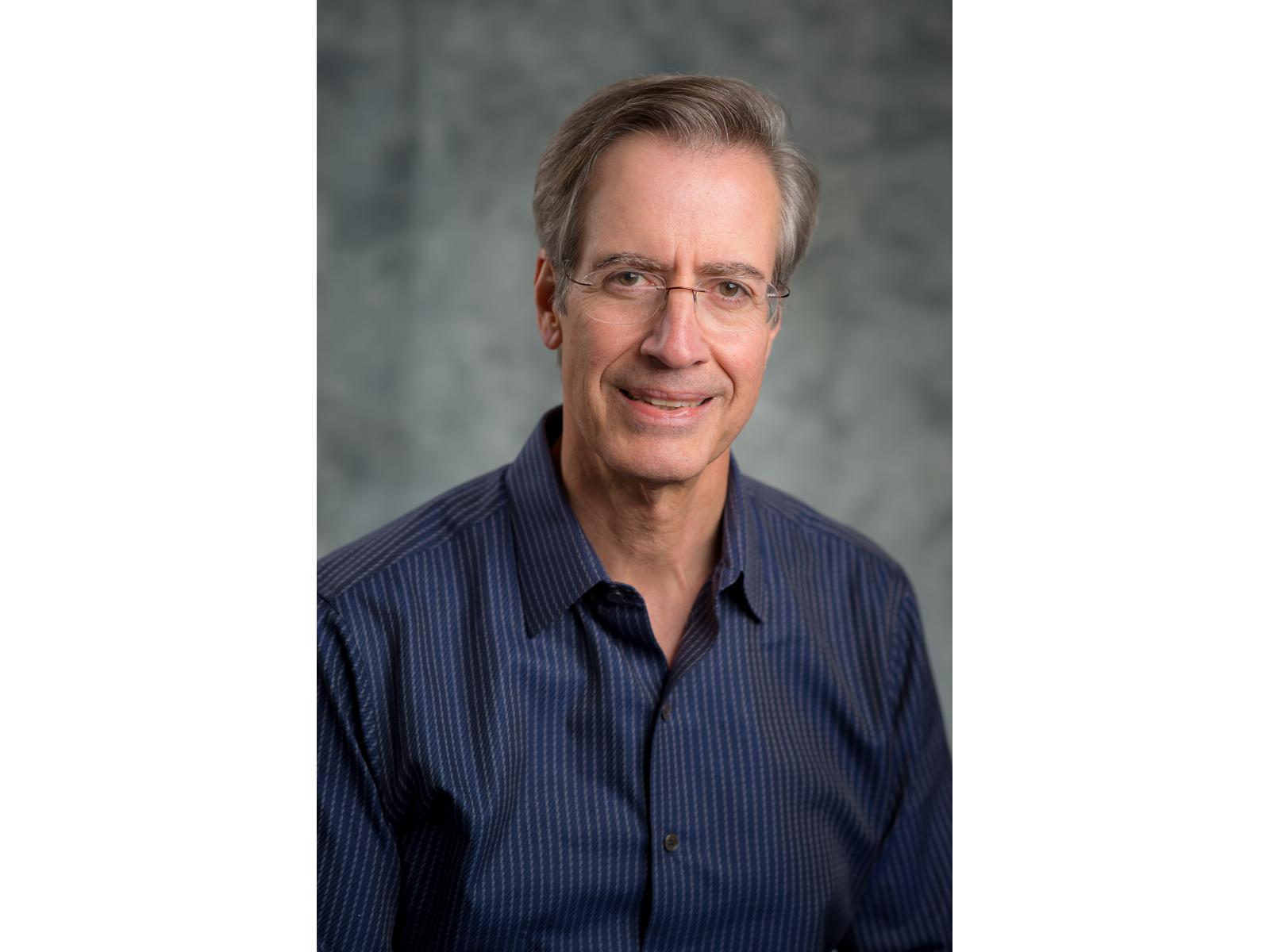
H. Steven Wiley serves as a Lead Scientist in Systems Biology at Pacific Northwest National Laboratory (PNNL), where he is affiliated with the Environmental Molecular Sciences Division and the Environmental Molecular Sciences Laboratory (EMSL) user program. With over 200 scientific publications including more than 130 peer-reviewed journal articles, Dr. Wiley has established himself as a leading figure in systems biology research. Dr. Wiley's research focuses on understanding the systems-level design principles underlying regulatory networks in both prokaryotic and eukaryotic cells, with particular emphasis on how these networks become dysfunctional in diseases like cancer. His recent work leverages CRISPR-based technologies combined with proteomics, gene expression, and biochemical assays to build improved mechanistic models of signaling and metabolic networks. This research requires developing scalable computational infrastructure for integrating multidimensional datasets and advancing analytical technologies. His publication record shows a consistent focus on cellular signaling pathways, particularly the EGFR-MAPK pathway, with recent work expanding into single-cell analysis, cancer heterogeneity, and drug resistance mechanisms. The evolution of his research demonstrates a trajectory from fundamental signaling mechanisms toward increasingly complex systems-level questions with translational implications. Award for Distinguished Technical Communication (2011) Faculty of 1000 Member for Cell Biology (2011) Elected AAAS Fellow (2005) R&D 100 Award for designing single-chain antibody library in a yeast-display system (2004) Laboratory Fellow, Pacific Northwest National Laboratory (2000) National Institutes of Health Research Career Development Award (1988–1993) Dr. Wiley has served as an associate editor of Frontiers in Genetics and sits on the editorial boards of The Scientist and BMC Biology. He has reviewed for more than 30 scientific journals, demonstrating his significant contributions to scientific discourse. His work at PNNL's EMSL facility positions him at the intersection of cutting-edge experimental technologies and computational modeling approaches.