- Biophysical Approaches to Systems and Developmental Biology
- Multicellular Pattern Formation
- Transcriptional Regulation in Development
- +۷ مورد دیگر
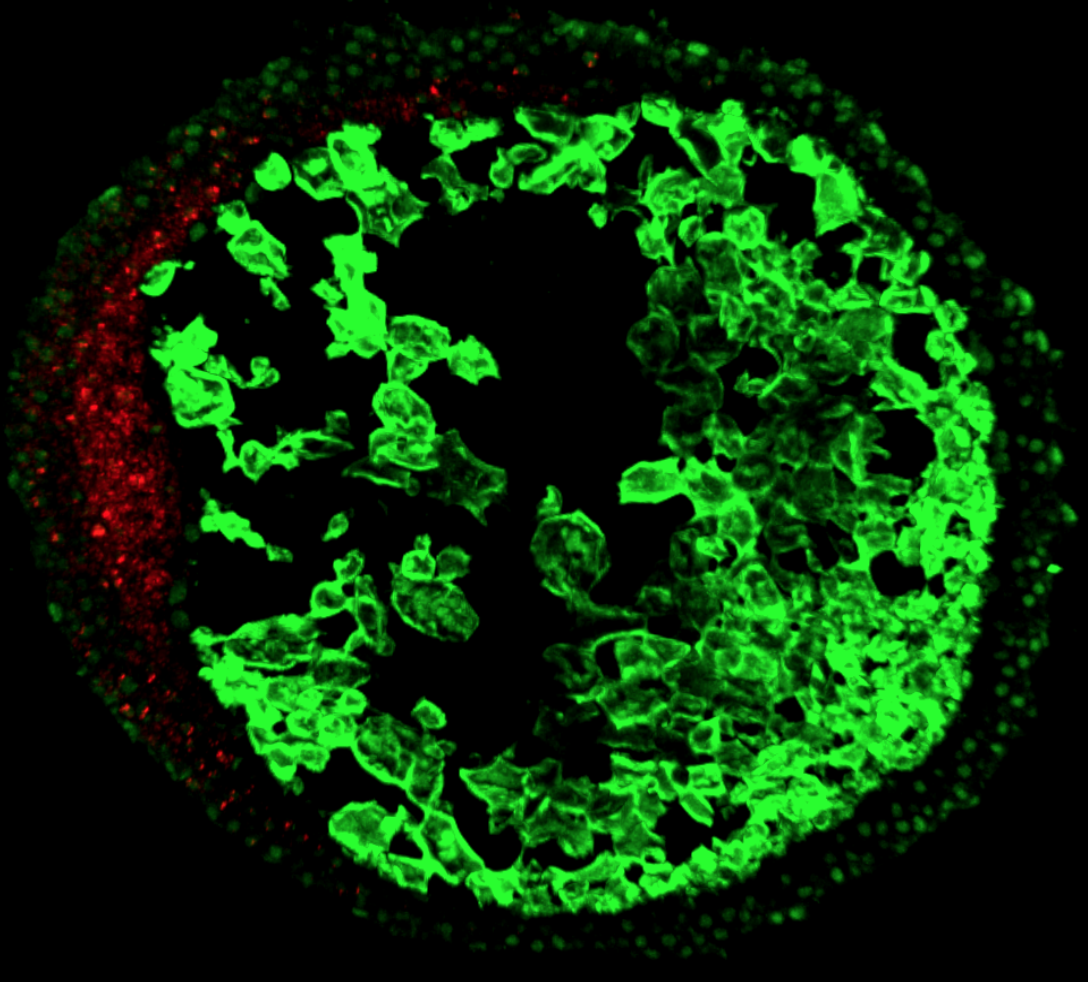
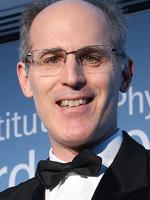
Thomas Gregor is a Professor of Physics and the Lewis-Sigler Institute for Integrative Genomics at Princeton University. He also holds a position as Professor of Physics and Biophysics, and maintains affiliations with the Molecular Biology Department. His laboratory, the Laboratory for the Physics of Life, is dedicated to studying the basic physical principles that govern multicellular life from a physics perspective. Gregor earned his M.S. in physics from the Université de Genève in Switzerland and his Ph.D. in biophysics from Princeton University. He also leads the unit "Physics of Biological Function" in the Department of Developmental and Stem Cell Biology at the Institut Pasteur in Paris, France. Dr. Gregor's research focuses on understanding biological development—the process through which an organism grows from a single cell into a differentiated, multicellular organism—from a physics perspective. His primary research interests include: Multicellular pattern formation Transcriptional regulation in developmental contexts Molecular limits to biochemical sensing Emergence of collective behaviors in multicellular systems Physics of cellular processes and gene regulatory networks His laboratory employs a combination of experimental and theoretical approaches, building state-of-the-art microscopes and microfluidics devices while applying tools from statistical mechanics. They primarily work with Drosophila melanogaster (fruit fly) and Dictyostelium discoideum (social amoeba) as model organisms. Analysis of Dr. Gregor's recent publications reveals a consistent focus on quantitative approaches to developmental biology. His work bridges physics and biology, examining transcriptional dynamics, morphogen gradients, and pattern formation with precision measurements. The research demonstrates how physical principles govern biological development, with particular emphasis on information transmission, precision, and reproducibility in genetic networks. Dr. Gregor has received several notable scientific honors: ERC Synergy Grant (2023) Searle Scholarship (2010) Elected Fellow of the American Physical Society Elected member of the European Molecular Biology Organization (EMBO) As an advisor, Dr. Gregor mentors graduate students across multiple departments including physics, biology, computer science, engineering and applied mathematics. His laboratory is highly interdisciplinary, supporting research in biophysics, developmental biology, and quantitative approaches to biological systems. He has been involved with several training programs including the Biophysics Graduate Program, NIH NHGRI Training Program, and QCB Graduate Program at Princeton. The Laboratory for the Physics of Life is part of Princeton's Physics Department, Lewis-Sigler Institute for Integrative Genomics, and Molecular Biology Department. The lab maintains a strong theoretical influence alongside experimental work, designing analytical and numerical models drawn from statistical mechanics to test and guide experiments. Current research themes include precision in early mammalian development, size control in insect development, super-resolution imaging of subnuclear structures, optogenetic pathway activation, and information transmission in developmental pathways.