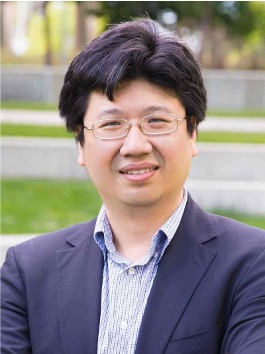
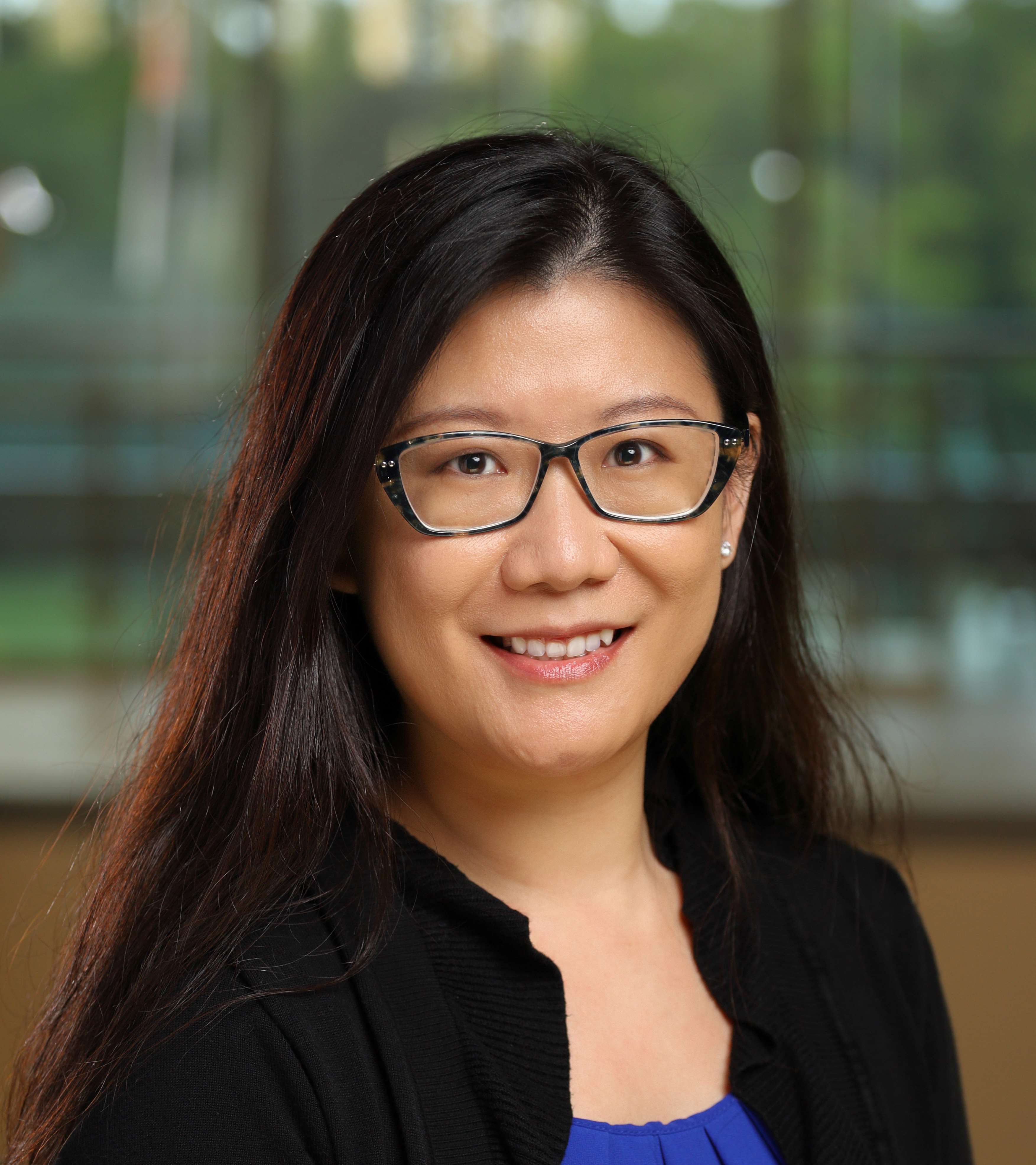
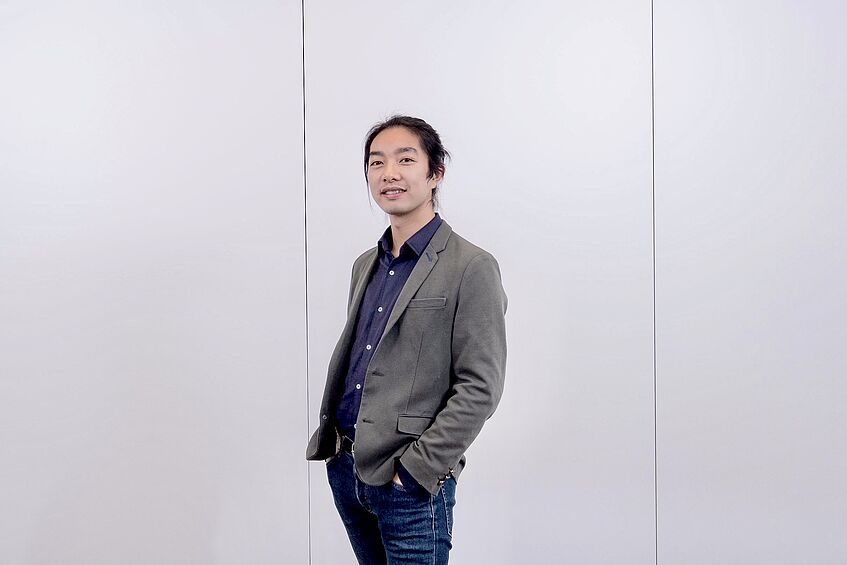
Daniel Leung is a Professor of Internal Medicine and Adjunct Professor of Microbiology and Immunology at the University of Utah . He holds a B.Sc. and M.Sc. from the University of British Columbia and an M.D. from Wake Forest University School of Medicine . His research focuses on Mucosal-Associated Invariant T (MAIT) cells in infections like cholera , sepsis , and diarrheal diseases , with emphasis on their immune regulatory roles and vaccine implications. Education: B.Sc., University of British Columbia M.Sc., University of British Columbia M.D., Wake Forest University School of Medicine Leung's work examines how MAIT cells contribute to B cell help , antibody production , and mucosal immunity . His team investigates these cells in human tonsil germinal centers and mouse models , particularly in cholera vaccine development using MAIT-activating ligands . Recent publications highlight his efforts in serosurveillance for cholera and SARS-CoV-2 , integrating statistical and machine learning approaches to estimate disease incidence from cross-sectional data. He also develops electronic clinical decision support tools (eCDST) for diarrhea management in low- and high-resource settings , aiming to reduce antibiotic misuse and improve patient outcomes. Key collaborations include the International Centre for Diarrhoeal Disease Research, Bangladesh (icddr,b) , GHESKIO (Haiti) , and institutions like Johns Hopkins and University of Florida . His research is funded by NIH (R01AI130378, R01AI135114, R01AI135115) and the Bill & Melinda Gates Foundation (OPP1198876).
Aik Choon Tan is a Professor of Oncological Sciences at the University of Utah. His research focuses on translational bioinformatics, cancer systems biology, and precision oncology, with an emphasis on understanding treatment resistance through multi-omics data integration and tumor microenvironment analysis. B.Eng. (University of Technology Malaysia) Ph.D. (University of Glasgow) The Tan Lab develops computational methods to discover predictive biomarkers, predict drug combinations, and co-target tumor microenvironments. Current projects include integrative analysis of circulatory proteomes in prostate cancer, immune landscape modeling in colorectal and melanoma cancers, and inflammation-metabolism interactions in obesity-related tumors. Recent publications highlight his work in proteomic and epigenetic biomarkers, tumor-immune-microbiome interactions, and computational tools for personalized cancer vaccines. His lab provides seamless integration of computational methods with clinical research. Contact: aikchoon.tan@hci.utah.edu
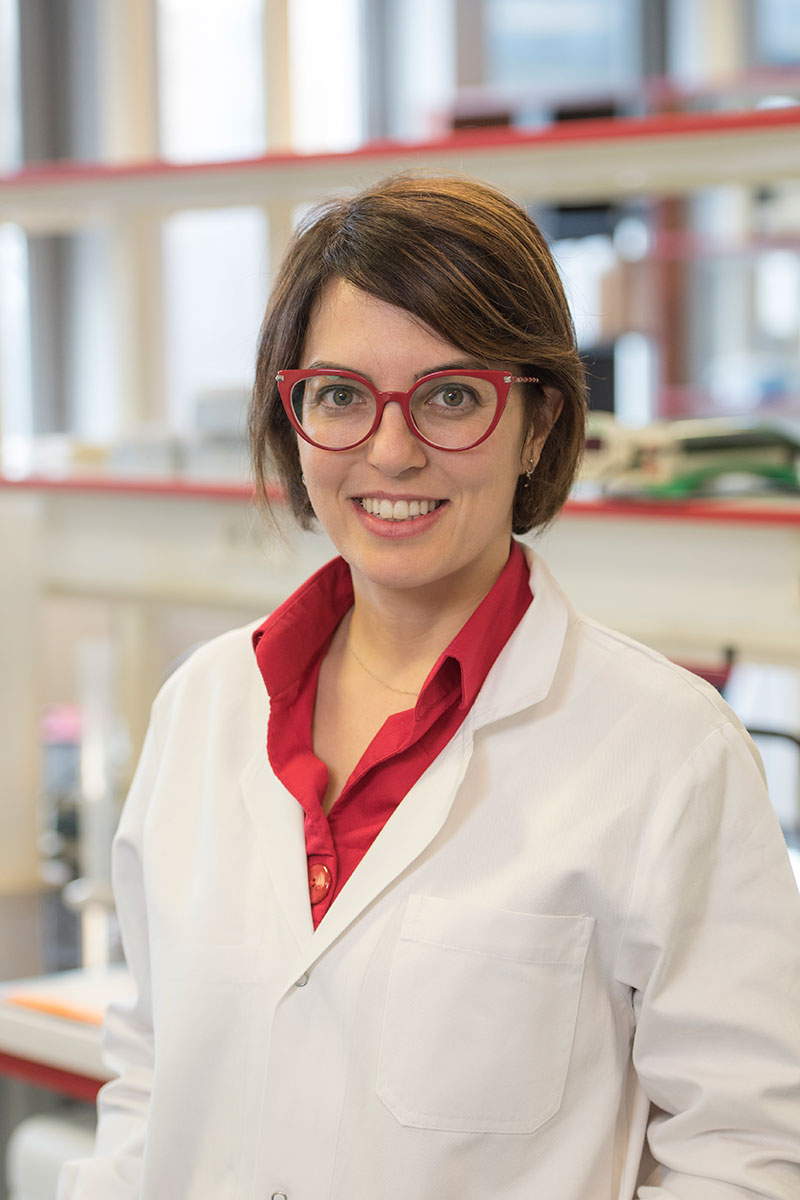
Piera Smeriglio is a tenured INSERM Researcher at the Institute of Myology, Sorbonne University, Paris, holding an HDR (Habilitation à Diriger des Recherches) qualification. She leads an HCERES-accredited research team focused on motor neuron diseases and skeletal muscle pathophysiology since 2022, with strong institutional ties to Sorbonne University. Her research integrates epigenetic regulation, stem cell biology, and tissue engineering to investigate skeletal muscle disorders. Using cutting-edge multi-omics approaches, she identifies novel therapeutic targets for motor neuron diseases while maintaining direct translational pathways to clinical applications through patient-centered collaborations. Her work bridges fundamental epigenetic mechanisms with practical regenerative medicine solutions. Analysis of her publications reveals consistent exploration of 5-hydroxymethylcytosine (5hmC) dynamics in disease pathogenesis, with significant contributions to understanding epigenetic drivers in osteoarthritis and cartilage engineering. Her research trajectory demonstrates increasing specialization in epigenetic therapeutics for musculoskeletal disorders since 2016. Her scientific recognition includes: Marie Skłodowska-Curie Postdoctoral Fellowship (MSCA) 2020 Dr. Smeriglio secures competitive funding through European frameworks including the MSCA fellowship and participates in major international initiatives. She actively mentors researchers within her HCERES-accredited team and contributes to global rare disease research through the Sorbonne/Fiocruz program (Brazil) and European Erdera consortium. She directs her research unit at the Institute of Myology where her team investigates epigenetic mechanisms in motor neuron diseases using multi-omics platforms, with dedicated facilities for stem cell culture and tissue engineering relevant to skeletal muscle repair.
Professor Lee Roberts serves as Professor of Molecular Physiology and Metabolism at the University of Leeds within the Faculty of Medicine and Health, School of Medicine. He leads the Discovery and Translational Science Department at the Leeds Institute of Cardiovascular and Metabolic Medicine (LICAMM), directing research on metabolic disease mechanisms and therapeutic development. His academic foundation includes: BSc in Biochemistry from University of Bristol PhD in Biochemistry from University of Cambridge Postdoctoral training at Massachusetts General Hospital/Harvard Medical School Research Fellow at Wolfson College, Cambridge Roberts' research centers on metabolic regulation in adipose tissue and skeletal muscle, with emphasis on beige/brown adipose thermogenesis, fatty acid oxidation, and metabolite-mediated inter-organ signaling. His laboratory investigates how small molecules mediate cross-talk between tissues to influence systemic metabolism, particularly in obesity and diabetes pathogenesis. Current projects explore endothelial-adipocyte interactions, metabokine signaling, and novel therapeutic targets for cardiometabolic diseases. Analysis of his 15 most recent publications reveals dominant themes in adipose tissue biology, endothelial mechanotransduction, and multi-omics approaches to metabolic disease. Key methodological trends include transcriptomic deconvolution (CIBERSORTx/BayesPrism), metabolomic/lipidomic profiling, and in vivo modeling of inter-organ signaling. Major disease contexts span type 2 diabetes, obesity, heart failure, and fatty liver disease. His scientific recognition includes: BBSRC New Investigator Award Diabetes UK RD Lawrence Fellowship Leducq Foundation Career Development Award Elsie Widdowson Fellowship Roberts actively mentors PhD students including Shaimaa Gad, Hannah Smith, Aysha Ali, and Anna Malicka, while supervising postdoctoral researchers Dr. Amanda MacCannell and Dr. Raquel Fernando. His research group operates within LICAMM's LIGHT Laboratories, utilizing advanced metabolomics, lipidomics, and molecular techniques. Current projects include brown adipose tissue-derived signaling in cardiometabolic disease and endothelial IGF-1R mechanisms in adipose adaptation. The laboratory maintains strong collaborations with clinical departments and participates in British Heart Foundation-funded cardiovascular research initiatives through the Multidisciplinary Cardiovascular Research Centre.
Patrick Forré is an Assistant Professor and Lab Manager of the AI4Science Lab at the Informatics Institute, Faculty of Science, University of Amsterdam. His work bridges theoretical machine learning and scientific applications, fostering interdisciplinary collaboration across informatics, mathematics, ecology, chemistry, physics, biology, and astrophysics. His research centers on mathematical foundations of machine learning including causal inference, graphical models, information theory, conditional independence structures, and geometric deep learning. He specializes in applying these techniques to scientific data problems, particularly in electro-catalysis and nitrogen fixation, where machine learning enhances molecular simulations and quantum chemical modeling. His theoretical work addresses non-linear structural causal models with cycles and latent confounders. The AI4Science Lab under his management focuses on detecting hidden patterns in scientific data through projects like electrode-electrolyte interface modeling, nitrogen-fixing coordination complexes analysis, and classical DFT neural approximations. Located in LAB42 Building at Amsterdam Science Park, the lab connects diverse scientific disciplines through machine learning innovation while organizing colloquia, workshops, and PhD defenses.
Seyoung Kim is an Associate Professor in the Department of Epidemiology at the University of Pittsburgh School of Public Health. She holds a PhD in Computer Science from University of California, Irvine (2007), preceded by a BS in Computer Engineering from Seoul National University (2001), and completed postdoctoral training at Carnegie Mellon University (2010). Her methodological research focuses on statistical machine learning for systems genomics, with applications to gene network reconstruction, eQTL mapping, and longitudinal data analysis. Education : BS in Computer Engineering, Seoul National University (2001) PhD in Computer Science, University of California, Irvine (2007) Postdoctoral Fellow in Computer Science and Machine Learning, Carnegie Mellon University (2010) Her lab develops computational tools for analyzing complex genomic datasets, including methods for: Learning gene networks under SNP perturbations Allele-specific expression quantification via kallisto extensions Integrating multi-omics data with scalable algorithms Doubly mixed-effects Gaussian process regression for spatio-temporal modeling Joint covariance estimation in high-dimensional biological datasets Recent work demonstrates methodological advancements in handling dependencies among samples and features in genomic studies. She teaches EPIDEM 2186 Introduction to R Programming within the epidemiology curriculum.
Manuela Karola Zucknick is a Professor in the Department of Biostatistics at the University of Oslo , where she leads statistical learning research for translational and clinical cancer applications. Her work focuses on integrating multi-omics data for personalized cancer therapies, predicting drug responses, and modeling prognosis. Director of Oslo Centre for Biostatistics and Epidemiology (2023–present) Professor (2022–present) and Associate Professor (2015–2022) at University of Oslo Research Interests span high-dimensional statistical modeling, Bayesian methods for heterogeneous data integration, regularization techniques, and applications in pharmacogenomics. She develops tools for drug combination screens, survival modeling, and risk prediction incorporating prior biological knowledge. Key domains: Biostatistics, Integrative Genomics, Precision Medicine Methodological focus: Bayesian structured variable selection, Penalized Regression Publications demonstrate expertise in pan-cancer transcriptomics, proteomics for pregnancy complications, and machine learning for DNA methylation analysis. Recent work includes Tutorial on Survival Modeling (2024) and Dose-Response Prediction (2023) applied to pharmacogenomic datasets. Collaborations span clinical trials in colorectal cancer nutrition, prostate cancer screening for Lynch syndrome patients, and chronic pain research using molecular profiling.
Dr. Lise Pingault is a Research Assistant Professor in the Department of Entomology at the University of Nebraska-Lincoln. Her research focuses on the molecular mechanisms of arthropod vectors and the development of innovative pest management strategies. PhD, Physiology and Molecular Genetics, University Blaise Pascal, France (2014) M.S., Molecular and Cellular Biology, University Pierre & Marie Curie Paris 6 (2010) B.S., Biology, University Francois Rabelais (2008) Dr. Pingault’s work integrates Arthropod Genomics , Plant-Insect Interactions , and Bioinformatics to study pathogen transmission dynamics and vector adaptation. She employs multi-omics and computational biology to develop novel pest control solutions. Her recent publications highlight trends in plant defense transcriptomics , molecular interactions between vectors and hosts, and bioinformatic tools for analyzing large datasets. Notable studies include aphid resistance in sorghum and viral tolerance in wheat. Dr. Pingault teaches graduate-level courses in sequencing data analysis and is an active member of the Entomological Society of America and American Society of Plant Biologists .
Dr. Adelheid (Heidi) Lempradl is an Assistant Professor in the Department of Metabolism and Nutritional Programming at Van Andel Institute, where she leads a research laboratory focused on understanding how parental metabolic states are transmitted across generations. Her work bridges epigenetics, metabolism, and developmental biology to uncover mechanisms of intergenerational inheritance. Dr. Lempradl's research explores how environmental factors like diet impact future generations through epigenetic mechanisms. Her laboratory investigates molecular pathways that underlie phenotype transmission across generations, with particular focus on how parental nutrition affects offspring health. She was the first to demonstrate that paternal diet reprograms offspring metabolism in Drosophila and identified the first epigenetic signature of obesity conserved across species. Her recent publications reveal trends in early embryonic metabolism, transgenerational epigenetic inheritance, metabolic programming, and the identification of distinct cell subtypes relevant to metabolic diseases. Her work spans from fundamental mechanisms in Drosophila models to mammalian systems and human relevance. 2002 DOC-fFORTE Ph.D. Fellowship from the Austrian Academy of Sciences Nominated for the Helmholtz Young Investigator Diabetes (HelDi) Award in 2018 Keynote address at SETAC/iEOS Joint Topic Meeting on Environmental and (Eco) Toxicological Omics and Epigenetics Dr. Lempradl mentors several postdoctoral fellows and graduate students including Alix Booms, Eduardo Perez-Mojica, April Rickle, Ellen Stirtz, and Krittika Sudhakar. Her laboratory works closely with the Van Andel Institute Graduate School and collaborates extensively with researchers at Max Planck Institute. The Lempradl Laboratory is part of Van Andel Institute's comprehensive metabolism and nutrition research program launched in 2018.
Prof. Dr. Steffen Kolb is a Professor at the Humboldt-Universität zu Berlin’s Faculty of Life Sciences and leads ZALF’s Microbial Biogeochemistry working group. He co-heads Research Area 1 ( Landscape Functioning ), focusing on soil microbiology, trace gas dynamics (methane, nitrous oxide), and agricultural sustainability. His research bridges microbial ecology, biogeochemical cycles, and climate impacts, with projects on land-use changes, soil health, and crop-microbe interactions. Key roles include membership in the DFG Review Panel (Agricultural Sciences) and the COST Action ROOT-BENEFIT . Recent work emphasizes soil biodiversity’s role in ecosystem resilience, methane sinks in grasslands, and microbial responses to environmental stressors like drought and salinity. Collaborations span global institutions, addressing agricultural challenges through multi-omics and field-based studies. Publications highlight interdisciplinary approaches, such as linking transcriptomics and metabolomics to plant stress responses, and exploring microbiome dynamics under climate change. His contributions advance sustainable land management and climate mitigation strategies.
Dr. Lezi E is an Assistant Professor in the Department of Cell Biology, Neurobiology and Anatomy (CBNA) at the Medical College of Wisconsin. Her research focuses on understanding molecular mechanisms underlying neurodegeneration, particularly the role of non-neuronal signals in aging. She holds a PhD in Rehabilitation Science from the University of Kansas Medical Center and completed postdoctoral training at Duke University. Education: PhD: University of Kansas Medical Center (Rehabilitation Science) Postdoctoral: Duke University (Neurobiology) MB: Peking University (Medicine) Research Interests: Dr. E investigates how non-neuronal tissues communicate with neurons during aging, focusing on antimicrobial peptides (AMPs), tissue aging effects, and inter-individual differences in neurodegeneration susceptibility. Her work uses Caenorhabditis elegans models combined with genetics, molecular biology, and live imaging. Key Findings: Her lab has revealed that skin-expressed AMPs can trigger neurodegeneration via neuronal receptors, challenging traditional cell-autonomous views of aging. Current projects explore how aging in non-neuronal tissues (skin, muscle, intestine) directly influences neuronal health using transcriptomics and multi-omic approaches. Lab Activities: The laboratory emphasizes interdisciplinary methods to dissect systemic aging signals and their neural consequences, with implications for Alzheimer’s disease and other age-related neurodegenerative conditions.
Kyoungmi Kim, Ph.D. is a Professor in the Department of Public Health Sciences at the UC Davis School of Medicine. Her research focuses on statistical genetics/genomics and omics data integration, with particular emphasis on biomarker discovery for diseases like cancer, genetic disorders, and multi-factorial chronic conditions. She develops computational methods for analyzing complex genetic data and has contributed to interdisciplinary projects studying heart disease, metabolic disorders, and neurodegenerative diseases. Education: B.S. in Undergraduate School, Chungnam National University (1997) M.S. in Applied Mathematics, University of Kentucky (1999) Ph.D. in Statistics, University of Kentucky (2003) Fellowship in Statistical Genetics and Genomics, University of Alabama at Birmingham (2003-2005) Research Interests: Combines quantitative genetic analysis with bioinformatics to identify disease genes and molecular functions using multi-omics data. Focus areas include early disease detection (e.g., cancers), therapeutic response prediction, and patient stratification risk assessment. Active in team-science projects addressing genetic components of chronic conditions like neurodegenerative diseases. Notable Achievements: Recipient of Med/Surg Research Award (2010) Junior Faculty Leadership Program participant (2007) RL Anderson Award for Best Student (2003) Lab Affiliations: Collaborates with the UC Davis MIND Institute and engages in interdisciplinary initiatives at the School of Medicine. Develops statistical methodologies for omics data integration and biomarker validation.
Dr. Aladdin Shadyab is an Associate Professor of Public Health, Human Longevity Science, and Medicine at the University of California San Diego, with a joint appointment in the Herbert Wertheim School of Public Health and Human Longevity Science and the Division of Geriatrics, Gerontology, and Palliative Care, Department of Medicine. He is a leading researcher in the epidemiology of aging and longevity with extensive expertise in multi-omics approaches to studying healthy aging. PhD in Epidemiology, University of California, San Diego (2016) MS in Bioinformatics and Medical Informatics, San Diego State University (2012) MPH in Epidemiology, San Diego State University (2010) BS in Biochemistry, San Diego State University (2008) Dr. Shadyab's research focuses on the epidemiology of aging, exceptional longevity, women's health, geroscience, and multi-omics. His seminal work has identified risk factors for major chronic conditions of aging including cardiovascular disease, diabetes, dementia, hip fracture, and cancer, as well as determinants of exceptional longevity and exceptionally healthy aging. He has made significant contributions to identifying aging biomarkers for healthy aging outcomes. His research on longevity has received national and international recognition in prominent media outlets including TIME, Reuters, The Washington Post, and BBC. Dr. Shadyab's extensive publication record includes over 300 papers in prestigious journals such as JAMA, JAMA Internal Medicine, Alzheimer's & Dementia, and the Journal of the American Geriatrics Society. His work spans multiple domains including genetic epidemiology of longevity, cognitive aging, women's health across the lifespan, dietary influences on aging, and biomarker discovery for age-related conditions. A significant portion of his recent work leverages data from the Women's Health Initiative to examine relationships between biological aging markers, chronic disease risk, and longevity outcomes. Journal of Gerontology: Biological Sciences 2025 Associate Editor Alzheimer's & Dementia 2025 Top Viewed Articles Journal of Gerontology: Medical Sciences 2023 Editor's Choice Manuscript Journal of the American Geriatrics Society 2023 Highest Altmetrics Score Award Longevity.International 2022 Longevity Leader in Research and Academia San Diego State University 2016 Delta Omega Honorary Society in Public Health As Principal Investigator, Dr. Shadyab leads several multi-million-dollar population-based studies focused on examining the role of biological aging in the etiology of Alzheimer's disease and cognitively healthy longevity. He serves as PI on multiple NIA-funded R01s to identify epigenetic and proteomic biomarkers for mild cognitive impairment, Alzheimer's disease, cognitively healthy longevity, and brain aging. He is also an investigator at the Alzheimer's Disease Cooperative Study, participating in randomized controlled trials for Alzheimer's disease. Dr. Shadyab has received numerous research grants totaling several million dollars to support his work on aging and longevity. Dr. Shadyab has played a key leadership role in shaping the strategic planning process for the new Herbert Wertheim School of Public Health and Human Longevity Science at UCSD. He serves in several local and national leadership positions, including as Co-Chair of the Women's Health Initiative COVID-19 Scientific Interest Group and on committees for the Gerontological Society of America. He is recognized as one of the world's leaders in longevity research by Longevity.International.
Feng Xian is a Postdoctoral Researcher at the University of Vienna's Department of Pharmaceutical Sciences within the Faculty of Life Sciences. His research employs advanced proteomic techniques to study host-microbiome interactions, neuropathic pain mechanisms, and inflammatory diseases. Xian utilizes cutting-edge metaproteomics approaches to investigate the gut microbiome's role in health and disease. His work bridges proteomics and systems biology, focusing on identifying molecular signatures of disease and developing analytical methods for complex biological systems. Recent publications demonstrate innovations in high-sensitivity proteomic profiling and multi-omic integration.
Remo Rohs is a tenured Professor of Quantitative and Computational Biology, Chemistry, Physics and Astronomy, Computer Science, and Biomedical Engineering at the University of Southern California Dornsife College. He leads the Rohs Lab, focusing on integrating genomics and structural biology to uncover molecular mechanisms in gene regulation. Chair, Department of Quantitative and Computational Biology (2021–2024) Section Head, Quantitative and Computational Biology (2018–2020) Full Professor with Tenure at USC (2016–present) Research Interests center on: Computational structural biology DNA shape prediction Protein-DNA recognition mechanisms Epigenetic effects on binding specificity RNA structure modeling High-throughput genomic analysis His work combines artificial intelligence , molecular simulations , and experimental validation to study transcription factors and chromatin structure. Recent publications highlight deep learning methods for DNA/RNA structure prediction and database development for molecular interactions. Scientific Awards include: Sloan Research Fellowship (2013–2017) Multiple RECOMB/ISCB Top-Paper Awards (2012–2017) American Chemical Society OpenEye Outstanding Junior Faculty Award (2015–2016) USC Mentoring Award (2015–2016) He has supervised 13 PhD graduates and published 92+ peer-reviewed papers . His lab develops tools like DNAproDB and TFBSshape for structural analysis of nucleic acid complexes.