معرفی
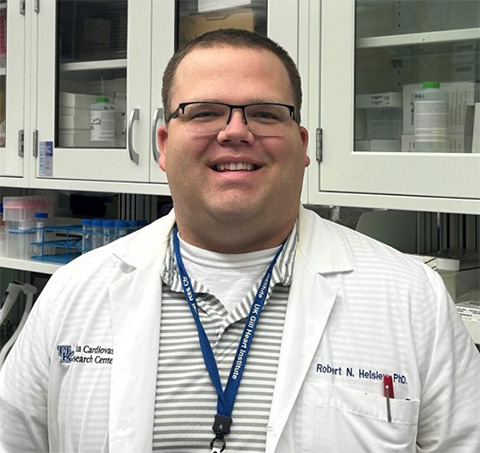
Professor Lee Roberts serves as Professor of Molecular Physiology and Metabolism at the University of Leeds within the Faculty of Medicine and Health, School of Medicine. He leads the Discovery and Translational Science Department at the Leeds Institute of Cardiovascular and Metabolic Medicine (LICAMM), directing research on metabolic disease mechanisms and therapeutic development.
His academic foundation includes:
- BSc in Biochemistry from University of Bristol
- PhD in Biochemistry from University of Cambridge
- Postdoctoral training at Massachusetts General Hospital/Harvard Medical School
- Research Fellow at Wolfson College, Cambridge
Roberts' research centers on metabolic regulation in adipose tissue and skeletal muscle, with emphasis on beige/brown adipose thermogenesis, fatty acid oxidation, and metabolite-mediated inter-organ signaling. His laboratory investigates how small molecules mediate cross-talk between tissues to influence systemic metabolism, particularly in obesity and diabetes pathogenesis. Current projects explore endothelial-adipocyte interactions, metabokine signaling, and novel therapeutic targets for cardiometabolic diseases.
Analysis of his 15 most recent publications reveals dominant themes in adipose tissue biology, endothelial mechanotransduction, and multi-omics approaches to metabolic disease. Key methodological trends include transcriptomic deconvolution (CIBERSORTx/BayesPrism), metabolomic/lipidomic profiling, and in vivo modeling of inter-organ signaling. Major disease contexts span type 2 diabetes, obesity, heart failure, and fatty liver disease.
His scientific recognition includes:
- BBSRC New Investigator Award
- Diabetes UK RD Lawrence Fellowship
- Leducq Foundation Career Development Award
- Elsie Widdowson Fellowship
Roberts actively mentors PhD students including Shaimaa Gad, Hannah Smith, Aysha Ali, and Anna Malicka, while supervising postdoctoral researchers Dr. Amanda MacCannell and Dr. Raquel Fernando. His research group operates within LICAMM's LIGHT Laboratories, utilizing advanced metabolomics, lipidomics, and molecular techniques. Current projects include brown adipose tissue-derived signaling in cardiometabolic disease and endothelial IGF-1R mechanisms in adipose adaptation.
The laboratory maintains strong collaborations with clinical departments and participates in British Heart Foundation-funded cardiovascular research initiatives through the Multidisciplinary Cardiovascular Research Centre.