Associate Professor Leszek Lisowski is affiliated with the Children's Medical Research Institute (CMRI) at the University of Sydney. He holds the roles of Conjoint Senior Lecturer and Associate Professor, focusing on viral vector development for gene therapy applications, particularly using adeno-associated viruses (AAV). His research emphasizes enhancing AAV tropism for liver, cardiac, and CNS targets, with a strong focus on translational medicine. Key research areas include AAV capsid engineering, optimization of liver and cardiac gene delivery, and applications in neurodegenerative diseases like amyotrophic lateral sclerosis. He leads projects funded by grants such as the NHMRC Ideas Grant and the Cure4 Cystic Fibrosis Foundation. Current research student Ahmad Hammoud is investigating novel AAV capsids for cardiac gene therapy. His work spans collaborations in optogenetics, CAR-T cell engineering, and liver perfusion models. Notable publications highlight advancements in AAV genome structure, liver fibrosis impact on gene transfer, and hydrogel-mediated viral vector protection. His contributions bridge virology, molecular biology, and clinical translation, aiming to address unmet needs in genetic disorders and cancer therapies.
Wendy A. Goodman, PhD is an Assistant Professor in the Department of Pathology at the Case Western Reserve University School of Medicine . She is also a Member of the Immune Oncology Program at the Case Comprehensive Cancer Center. Her research focuses on the role of steroid hormones (e.g., estrogens, androgens, progesterone) in immune regulation, particularly in mucosal tissues (e.g., intestinal mucosa) and maternal-fetal interface tissues (e.g., decidua). She employs preclinical mouse models and primary human cells/tissues to study mechanisms underlying immune homeostasis, chronic inflammation, and autoimmunity. Dr. Goodman’s education includes a Bachelor of Arts in Biology (2001) and a PhD in Pathology/Immunology (2010), both from Case Western Reserve University. Her research interests emphasize non-classical roles of sex hormones in adaptive and innate immune responses, including T-cell differentiation, regulatory T cell function, and immune cell/epithelial crosstalk. She investigates how local environmental cues in the gut and pregnancy tissues shape protective vs. pathogenic immune responses. Her work is supported by significant grants including an NIH/NIDDK R01 (2021-2026) and the March of Dimes Ohio Collaborative (2020-current) . Notable awards include the Michael E. Lamm Teaching Award (2018) and multiple Best Abstract Awards at conferences like FASEB GI Summer Conference (2017) and Advances in IBD (2015). She collaborates with institutions like Cincinnati Children’s Medical Center on pregnancy-related immune studies. Dr. Goodman has advised numerous research projects but no formal students are listed. Her lab actively explores estrogen/progesterone crosstalk during pregnancy, hormonal control of myeloid cells, and mechanisms driving IBD sexual dimorphism. Professional memberships include the American Association of Immunologists, Crohn’s and Colitis Foundation, and American Gastroenterological Association.
Nelson LaMarche is an Assistant Professor in the Department of Pathology at Yale School of Medicine and a member of the Cancer Biology Institute within Yale Cancer Center. He earned his Ph.D. in Immunology from Harvard University (2020) under Drs. Michael Brenner and Lydia Lynch, followed by postdoctoral training at Icahn School of Medicine at Mount Sinai (2024) with Dr. Miriam Merad. His research focuses on myeloid-targeted immunotherapies for cancer , investigating how tumors communicate with distant organs to subvert immune responses. Key findings include the discovery of IL-4 signaling in bone marrow driving immunosuppressive myeloid cells in lung cancer, leading to a clinical trial of dupilumab (2024, Nature ). Research Themes : Cancer immunology, tumor microenvironment, myeloid cell biology, metabolic homeostasis, bone marrow-tumor communication Methodologies : High-dimensional patient tissue profiling, mouse models, translational immunotherapy development Current work emphasizes systemic tumor-immune interactions , aiming to identify novel therapeutic targets beyond traditional T cell-focused approaches.
Dr. Rand J. Gruen is an Assistant Clinical Professor in the Department of Psychiatry at Yale School of Medicine. He specializes in psychotherapy and supervises residents in clinical practice. His academic background includes a PhD in Psychology from the University of California, Berkeley (1985), followed by postdoctoral training at Yale School of Medicine (1989). Education: BA, MA, and PhD in Psychology, University of California, Berkeley (1982-1985) Postdoctoral Fellow, Yale University School of Medicine (1989) Research Focus: Dr. Gruen's work spans clinical and neuroscience domains. Key areas include: - Neuropharmacology of GABAergic and dopaminergic systems - Stress neurobiology and its impact on brain function - Alzheimer's disease mechanisms (amyloid-beta pathology) - Psychological aspects of stress appraisal and coping - Psychotherapeutic approaches to depressive disorders Publications Trend: His research demonstrates cross-disciplinary expertise: - Early work (1980s-1990s) focused on neurochemical mechanisms (GABAA receptors, dopamine pathways) - Later studies (2000s) addressed Alzheimer's biomarkers and clinical psychology - Consistent exploration of brain-behavior relationships across development and stress contexts Grants & Advising: No specific grants or advisee names are listed in available records. His clinical supervision role suggests involvement in resident training programs. Labs/Teams: Affiliated with Yale Psychiatry Department research programs, though specific lab affiliations are not detailed in the provided information.
Diana Tavares Ferreira is an Assistant Professor of Neuroscience at the University of Texas at Dallas (UTD) within the School of Behavioral and Brain Sciences . Her research focuses on understanding cellular and molecular mechanisms underlying axonal integrity in sensory neurons, particularly in neuropathies and neurodegenerative diseases. Education & Training: Postdoctoral Researcher in Neuroscience at UTD (2023) PhD in Neuroscience from the University of Sheffield, UK (2018) PharmD/MS in Pharmaceutical Sciences from the University of Coimbra, Portugal (2013) Research Interests: RNA transport dynamics in distal axons Role of non-coding RNAs (e.g., miRNAs) in sensory neuron function Computational integration of multi-omics data (single-cell, spatial transcriptomics) Mechanisms of axon-soma communication and axonal regeneration Her lab, the Axon Biology and Neuroinformatics Lab , combines experimental and computational approaches to decode how RNA regulation impacts nerve health and disease. Awards & Recognition: Peter J. Dyck Abstract Prize (2022) for diabetic neuropathy research Catalyst Studentship (2016) from the Higher Education Funding Council for England Grants & Funding: Data Core UTD PRECISION Pain Center (National Institute of Neurological Disorders and Stroke, 2022–2027) Dr. Ferreira is currently accepting graduate students and collaborates on projects involving spatial transcriptomics and translational control in chronic pain mechanisms.
Larry Feig is a Professor in the Department of Developmental, Molecular and Chemical Biology at Tufts University School of Medicine. His research focuses on molecular mechanisms underlying sex-dependent effects of stress across generations, particularly involving Ras-GRF1 and epigenetic inheritance via sperm miRNAs. He holds a PhD from Harvard University and has held faculty positions since 1987. He teaches courses in molecular biology and signal transduction, and has been awarded the Distinguished Faculty Award (2017). Education: PhD in Biological Sciences, Harvard University (1982) MS in Chemistry, Massachusetts Institute of Technology (1976) BS in Chemistry, Columbia University (1974) Research Interests: Feig's lab investigates: Sex-specific stress responses in adolescents Transgenerational epigenetic inheritance via sperm miRNAs Lamarckian inheritance mechanisms in mammals Neuroendocrine regulation of HPA axis Publications Trends: Recent work emphasizes miRNA-mediated transgenerational effects of paternal stress exposure. Key themes include: Role of miR-34c/449 in stress transmission Epigenetic mechanisms in multi-generational behavior Interactions between astrocytes and sperm biology Neurodevelopmental impacts of environmental enrichment Grants & Funding: Active NIH grants include studies on: Sperm miRNAs in trauma transmission (2020-2024) Paternal stress effects across generations (2015-2020) Professional Activities: NIH Study Section reviewer (2019) Member, Tufts Cancer Center (2006-2015) Program Director, Biochemistry Program (2001-2020) Labs/Teams: His lab collaborates on projects involving: Mouse behavioral models Epigenetic analysis techniques 3D tissue models for cancer research
Professor Vijendra Sharma is a faculty member in the Department of Biomedical Sciences at the University of Windsor's Faculty of Science. His research focuses on neurodegenerative diseases, particularly Alzheimer’s, exploring molecular pathways and therapeutic interventions. He has secured grants from the WE-Spark Health Institute’s Igniting Discovery program to advance his work. His research interests span molecular mechanisms of memory, stress response pathways, and translational control in neurological disorders. Sharma’s lab utilizes mouse models and cellular systems to study Alzheimer’s, autism, and epilepsy, with recent emphasis on quinone reductase 2 (QR2) inhibitors and astrocyte functions. His work bridges basic science and clinical outcomes, including studies on obesity-linked lncRNA and alcohol-induced liver injury. His recent publications highlight contributions to understanding ATF4’s role in long-term memory, 4E-BP2-dependent translation in cerebellar Purkinje cells, and p53’s prognostic significance in breast carcinoma. Collaborations and grants underscore his commitment to interdisciplinary research addressing health challenges. Sharma mentors students in neuroscience and molecular biology, though no specific advisees are listed. His research also involves collaborations within the Faculty of Science and beyond, focusing on translational neurobiology and drug development strategies.
Patrick Winter is a Senior Lecturer I in the Department of Bioengineering at the Erik Jonsson School of Engineering and Computer Science, University of Texas at Dallas. His research focuses on advanced MRI techniques, cardiovascular imaging, and nanotechnology applications in molecular imaging. He specializes in developing imaging methodologies for diagnosing vascular diseases like atherosclerosis and aneurysms, with particular emphasis on 4D flow MRI, deep learning algorithms, and nanoparticle-based theranostics. Educations: No formal education details provided in text. Research Interests: His work bridges bioengineering and clinical medicine, addressing challenges in non-invasive disease detection. Key areas include: Development of super-resolution MRI techniques Machine learning applications in medical imaging Targeted nanoparticle delivery systems Quantitative hemodynamic analysis Preclinical cardiovascular modeling Recent articles highlight innovations in: Deep learning-enhanced 4D flow MRI for stroke prediction Ensemble learning for cardiovascular system imaging Multi-modal imaging of aneurysm dynamics Awards: No scientific awards explicitly mentioned in provided texts. Grants/Advising: No grant details or student advisees listed. Collaborations likely focus on interdisciplinary cardiovascular research. Labs/Teams: Engaged in bioengineering labs specializing in MRI technology advancement and nanomedicine applications.
Ann Maine is an Assistant Professor of Biology at Lake Forest College since 1994. She holds a BA in Biology from Williams College, an MA and PhD in Biochemistry from the University of Rochester. Her research focuses on gene expression regulation during developmental stages and cellular changes in carcinogenesis. She teaches courses emphasizing science education for non-science majors. Education : BA Biology (Williams College), MA/PhD Biochemistry (University of Rochester) Research Interests : Developmental gene regulation, aldolase enzyme systems, molecular mechanisms in carcinogenesis Her publications analyze gene expression patterns in mice, particularly in aldolase genes and liver cancer models. No awards mentioned. No student advising details available. Active in undergraduate teaching and curriculum design.
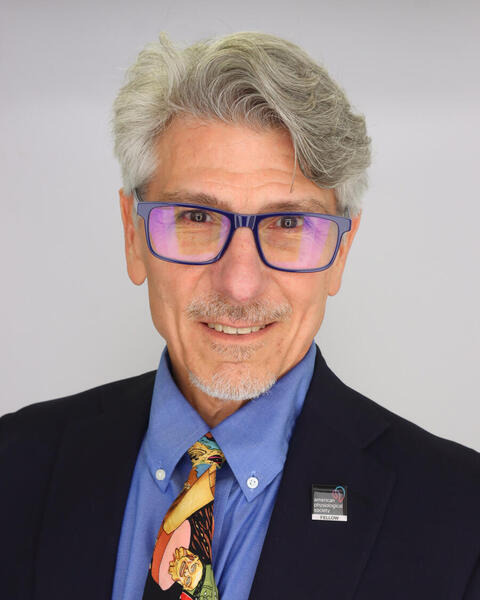
Michael F. Romero, Ph.D., is a Professor and Consultant in the Department of Physiology & Biomedical Engineering at Mayo Clinic, Rochester, MN, with a joint appointment in the Division of Nephrology & Hypertension. He leads the Transporter Biology and Physiology Laboratory, focusing on the molecular mechanisms of ion and solute transport in health and disease, particularly in kidney function. His research aims to understand the pathophysiology of kidney disease, acidosis, diabetes, and polycystic kidney disease. Dr. Romero earned his Ph.D. from Case Western Reserve University and completed postdoctoral training at Yale University. He has been recognized with a Mayo Clinic Presidential Discovery Award and is a Fellow of the American Physiological Society since 2022. His research spans multiple areas including Na+-coupled bicarbonate transporters, Drosophila models of kidney stones, genetically encoded ion sensors, and preclinical ultrasound imaging. His lab investigates the roles of sodium, bicarbonate, hydrogen, chloride, oxalate, and CO2 in cellular physiology. He has pioneered the use of fruit fly models to accelerate research on nephrolithiasis due to their rapid crystal formation. Analysis of his recent publications (2020–2025) reveals a strong focus on transporter biology, particularly SLC4 and SLC26 families, using innovative models like Drosophila and zebrafish. His work integrates molecular physiology, genetics, imaging, and bioengineering to understand disease mechanisms and develop clinical tools. Key themes include acid-base balance, oxalate metabolism, mitochondrial function in beta cells, and novel imaging techniques for polycystic kidney disease. Fellow, American Physiological Society (2022–present) Presidential Discovery Award, Mayo Clinic (2019) Associate Editor, Kidney360 (2019–present) Editorial Board, Hypertension (2022–present) Dr. Romero is actively involved in mentoring and education, serving as Principal Investigator for the Mayo Clinic Nephrology & Urology Summer Undergraduate Research Fellowship (nuSURF) and faculty for the TREKS program. He has received continuous NIH funding, including grants from NIDDK, for projects on kidney cell function, metabolic reprogramming in diabetes, and Drosophila-based nephrolithiasis research. His lab develops novel tools such as genetically encoded pH sensors and robotic ultrasound for preclinical assessment. His laboratory, the Transporter Biology and Physiology Lab, utilizes cutting-edge approaches including cell, fly, and mouse models, fluorescent imaging, and molecular cloning to study transporter function at multiple biological levels. The lab collaborates widely across disciplines to translate basic findings into clinical applications for kidney and metabolic diseases.
Thomas Bourgeron is a Professor and head of the Human Genetics and Cognitive Functions Unit at the Institut Pasteur in Paris, France. His research integrates psychiatry, neuroscience, and genetics to investigate the causes of autism spectrum disorders (ASD) and improve clinical management. He leads a multidisciplinary team and numerous international research initiatives. Institut Pasteur, Paris Human Genetics and Cognitive Functions Unit Principal Investigator, EU-AIMS, PARIS Study, Phelan-McDermid Syndrome Project His research focuses on identifying genetic mutations linked to ASD, particularly in synaptic genes (NLGN, SHANK, CNTN) and the melatonin pathway affecting sleep. His team employs high-throughput genomics, brain imaging (MRI, EEG), mouse models, and human iPSCs to study functional impacts and develop therapeutic strategies. He emphasizes data sharing and open science through tools like GeneTrek and GRAVITY. His recent publications reveal genetic heterogeneity in autism, brain connectivity patterns, and phenotypic stratification using electrophysiology and behavioral analysis. His work bridges molecular mechanisms with clinical manifestations, aiming to identify common pathways for targeted interventions. Phenotypic effects of genetic variants in autism Genetic correlates of phenotypic heterogeneity Stratification of autistic phenotypes using EEG Functional impact of SHANK3 mutations Proteomic analysis of the pineal gland in autism Thomas Bourgeron mentors numerous PhD students, postdoctoral researchers, and engineers. He collaborates with leading institutions and clinicians, including Professor Christopher Gillberg at the University of Gothenburg. His lab is actively recruiting in human genetics and neuroimaging. He contributes to public education through lectures, open-access tools, and outreach initiatives like the CléPsy platform and educational videos for families of autistic children.
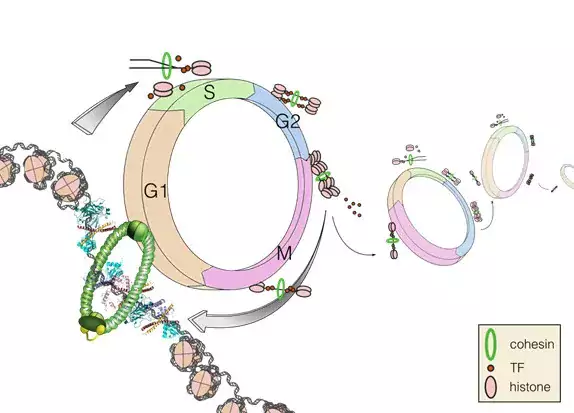
Jussi Taipale is a Professor of Medical Systems Biology at Karolinska Institutet and holds professorships at University of Helsinki. His research focuses on transcription factor binding mechanisms , cancer genomics , and gene regulatory networks . The interdisciplinary Taipale Lab operates across three international locations: Wellcome Sanger Institute (UK), Karolinska Institutet (Sweden), and University of Helsinki (Finland), with over 20 members including senior scientists, postdoctoral fellows, and graduate students. Ph.D., University of Helsinki (1996) Postdoctoral training: University of Helsinki, Johns Hopkins University Research spans transcription factor cooperativity , epigenetic regulation , chromatin accessibility , and noncoding mutation analysis . Key methodologies include HT-SELEX , CUT&RUN , ATI assays , and CRISPR-based functional genomics . The lab has significantly advanced understanding of Myc-driven oncogenesis , TF-nucleosome interactions , and dinucleotide specificity mechanisms . Notable discoveries include chromatin context-dependent enhancers , water-mediated DNA recognition , and novel composite transcription factor motifs . The group maintains active collaborations across Europe and has trained numerous alumni now leading academic and industry positions worldwide.
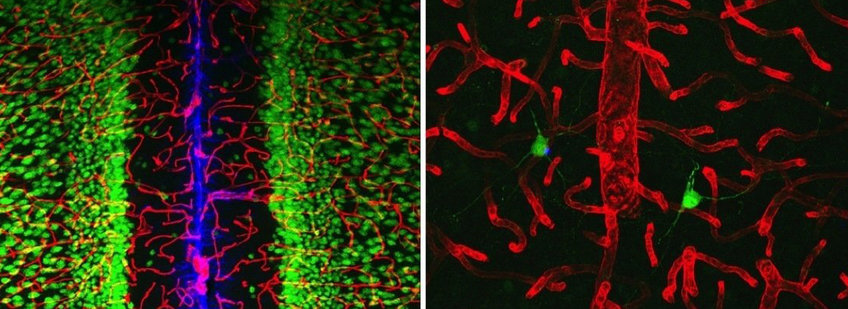
Amparo Acker-Palmer is a Professor at Goethe University Frankfurt's Institute of Cell Biology and Neuroscience, Department of Molecular and Cellular Neurobiology, and holds a Max Planck Fellow position at the MPI for Brain Research since 2014. Her research focuses on the molecular crosstalk between vascular and nervous systems at the neurovascular interface. Her primary research interests include: Neurovascular communication during CNS development Molecular pathways in vessel-nerve crosstalk Vascular roles in synaptic plasticity Ephrin/VEGF receptor signaling mechanisms Neurovascular interface in disease models Analysis of her 51 publications reveals consistent focus on vascular guidance in neural development, receptor crosstalk (particularly EphrinB2/VEGFR2), and neurovascular unit dynamics. Her work spans molecular neuroscience, vascular biology, and developmental neurobiology, with significant contributions to understanding how blood vessels instruct neuronal behavior. Her laboratory utilizes mouse and zebrafish models to investigate these processes, with recent work emphasizing therapeutic implications for neural repair and cancer metastasis.
Susumu Tomita is a Professor of Cellular & Molecular Physiology and Neuroscience at Yale School of Medicine, with fully joint appointments in both departments. He holds affiliations with the Yale Combined Program in the Biological and Biomedical Sciences (BBS), Kavli Institute for Neuroscience, and Interdepartmental Neuroscience Program. His research focuses on understanding synaptic transmission and plasticity mechanisms, particularly involving glutamate receptors and their regulatory proteins. Tomita received his PhD from the University of Tokyo (2000) and completed postdoctoral training at UCSF (2005). His laboratory investigates how glutamate receptor trafficking and properties are modulated to support learning, memory, and cognition. Key findings include discovery of TARP proteins' roles in AMPA receptor regulation and mechanisms underlying synaptic plasticity. Notable awards include the Alfred P. Sloan Research Fellowship (2007), NARSAD Young Investigator Award (2007), and Klingenstein Fellowship (2006). He collaborates with researchers like Marina Picciotto, Michael Higley, and Yann Mineur on projects spanning neurotransmitter receptor biology and circuit neuroscience. His recent articles advance understanding of nicotinic acetylcholine receptors in habenula circuits, kainate receptor roles in immune defense, and chemogenetic modulation of synaptic proteins. Tomita's work bridges molecular mechanisms with systems-level neural circuit function, contributing to both basic neuroscience and potential therapeutic strategies for neurological disorders.
Paul J. Hergenrother is the Kenneth L. Rinehart Jr. Endowed Chair in Natural Products Chemistry and Professor of Chemistry at the University of Illinois, affiliated with the College of Liberal Arts & Sciences. He holds additional roles as Professor at the Carl R. Woese Institute for Genomic Biology, Micro and Nanotechnology Lab, and Carle Illinois College of Medicine, as well as Deputy Director of the Cancer Center at Illinois and Director of the NIH Chemistry-Biology Interface Training Program. Education: B.S. in Chemistry from the University of Notre Dame (1994), Ph.D. in Chemistry from the University of Texas at Austin (1999). His postdoctoral training was at Harvard University under an American Cancer Society fellowship. Research focuses on synthetic organic chemistry and chemical biology, targeting novel anticancer and antibacterial agents. Key innovations include the 'Complexity-to-Diversity' (CtD) method for generating drug-like compounds, discovery of PAC-1 (a procaspase-3 activator), and DNQ (NQO1-activated anticancer agent). His work also addresses Gram-negative bacterial resistance through predictive antibiotic design and permeation rules. Highlighted contributions include: Development of PAC-1, advancing toward human clinical trials. Identification of DNQ for NQO1-overexpressing cancers. Creation of predictive guidelines for antibiotic accumulation in Gram-negative bacteria. Discovery of fabimycin and lolimycin as novel antibiotics. Awards include the Arthur C. Cope Scholar Award (2017) and ACS Sosnovsky Award (2018). His lab collaborates with medical institutions and industry for translational research, emphasizing both chemical synthesis and biological validation.