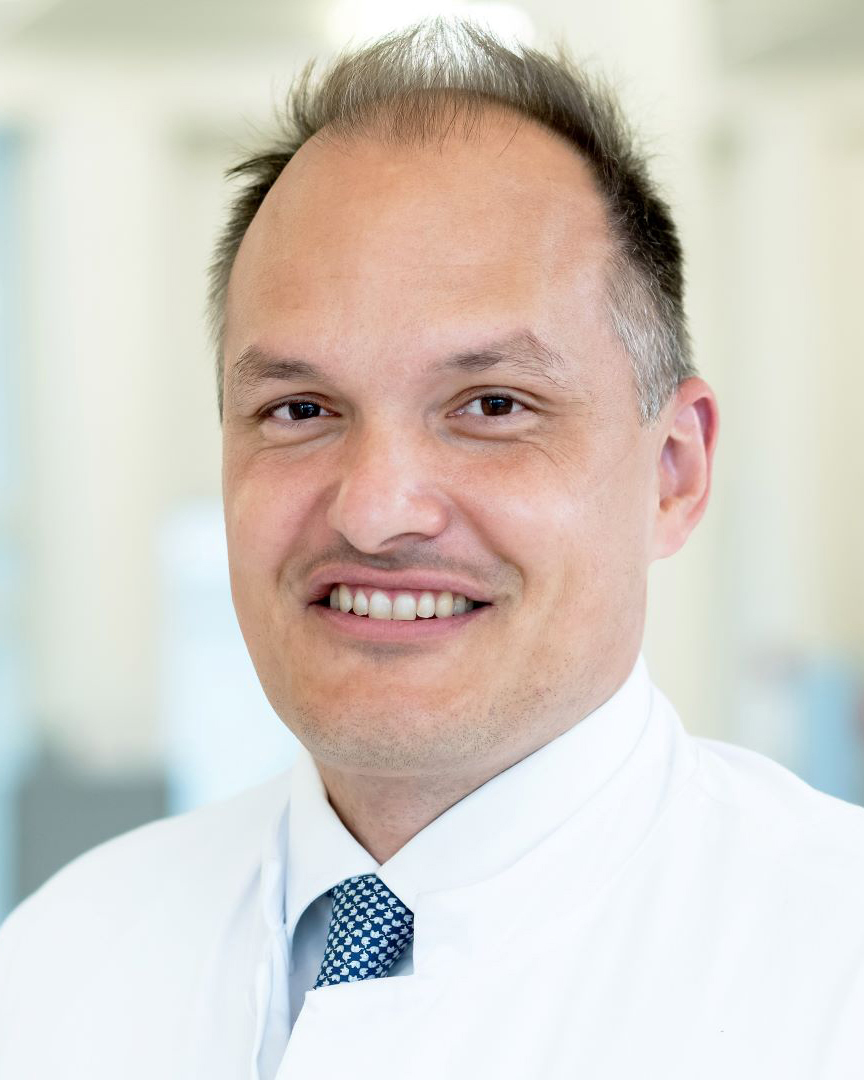
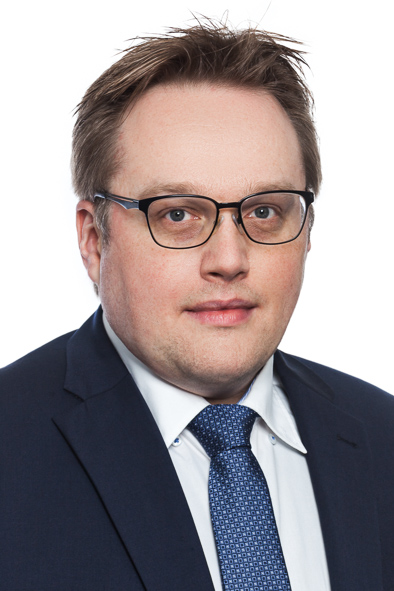
Filip Swirski, PhD is a Professor at the Icahn School of Medicine at Mount Sinai, Department of Medicine, with cross-appointments in Immunology, Microbiology, and Neuroscience training areas. His research laboratory investigates the intersection of immunology and cardiovascular disease with particular focus on myeloid cell biology. Dr. Swirski's research interests span three major areas: Monocytes and Macrophages in Cardiovascular Disease - investigating how these cells participate in atherosclerosis and myocardial infarction, including his discovery of sleep's protective role against atherosclerosis by limiting monocyte production Hematopoiesis and Growth Factors - studying survival, proliferation, and differentiation of hematopoietic cells, including his work on GM-CSF-producing B cells and IL-3 in sepsis Systemic Inflammatory Networks and Inter-Organ Communication - examining how inflammatory networks connect cardiovascular and metabolic processes, including splenic monocyte production and iron recycling mechanisms His publication record demonstrates significant contributions to understanding immune mechanisms in cardiovascular disease, with research trends showing increasing focus on neuro-immune interactions and translational applications of basic findings. His work bridges immunology, cardiology, and neuroscience with growing emphasis on lifestyle interventions and circadian regulation of immune function. Dr. Swirski's scientific achievements have been recognized with numerous prestigious awards including: 2020 ESC William Harvey Lecture on Basic Science from the European Society of Cardiology 2016 NIH Outstanding Investigator Award 2017 Established Investigator Award from the American Heart Association Multiple distinguished lectureships and research scholar awards His research has been continuously funded by major NIH mechanisms, reflecting the significance of his work on monocyte biology in cardiovascular disease. Dr. Swirski maintains an active laboratory at the Hess CSM Building on the Mount Sinai campus where his team investigates fundamental mechanisms of immune cell function in cardiovascular health and disease.