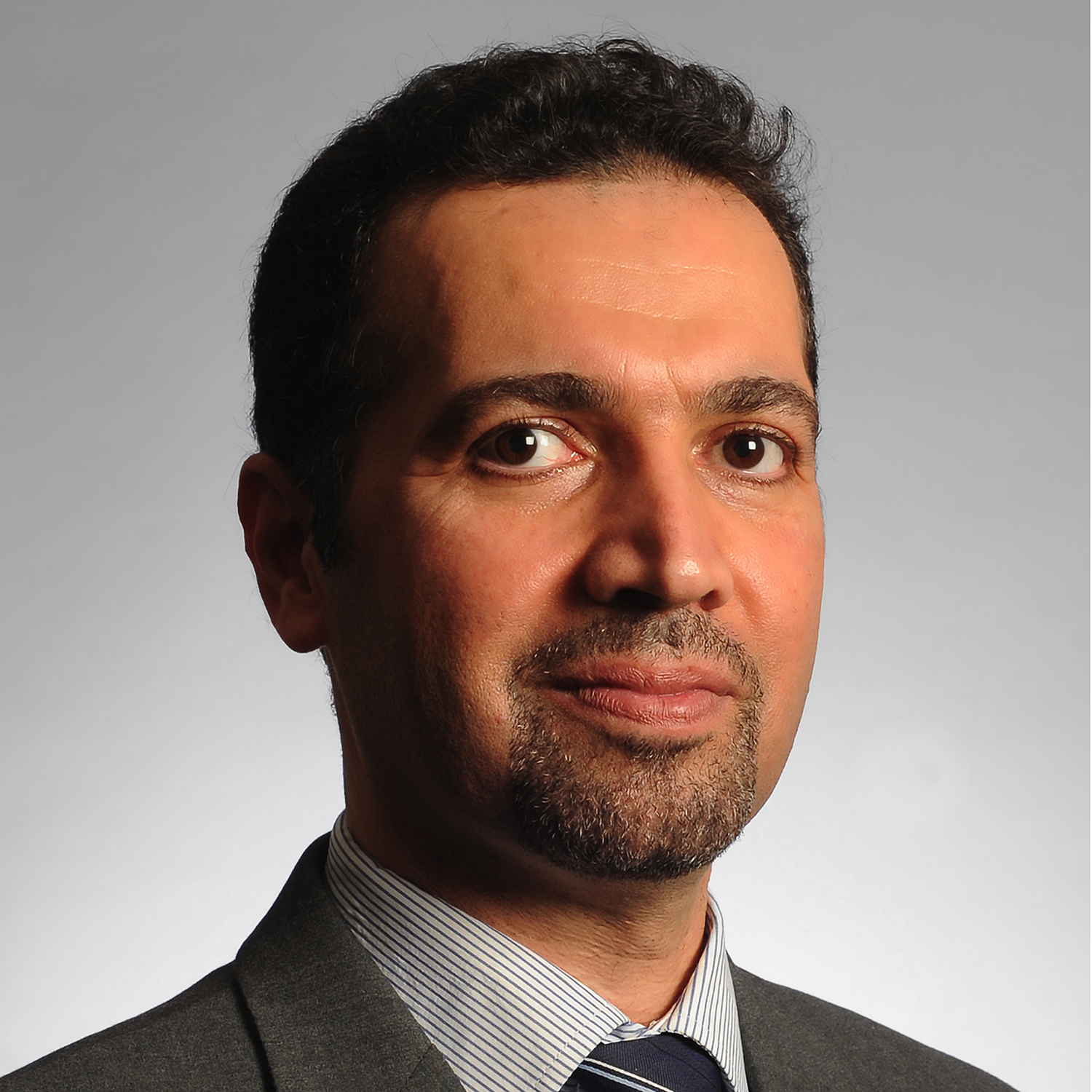
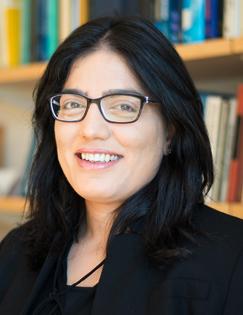
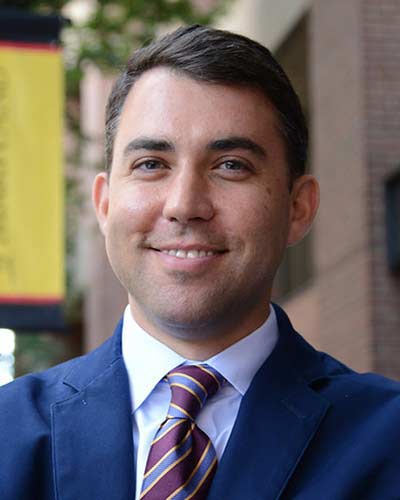
Dr. Richard Duncombe is a Senior Lecturer at the Global Development Institute, University of Manchester. He specializes in Information and Communication Technologies for Development (ICT4D), focusing on mobile technologies, agricultural development, and ICT innovation systems in developing countries. His work contributes to the UN Sustainable Development Goals, particularly in poverty alleviation and sustainable development. Education: B.Sc (Hons) in Society and Technology, Middlesex Polytechnic M.Sc in Science Policy, University of Sussex PhD in ICT4D, University of Manchester (DFID-sponsored) Research Interests: Mobile phones and rural development (M-development) ICT innovation systems and university-industry links E-commerce in Africa and South Asia Impact of ICT on small enterprises Consultancy & Roles: Consultant for DFID, UNIDO, UNCTAD, and World Bank External PhD examiner in UK, Africa, and Australia Coordinator of international research projects in India and Uganda Labs & Teams: Member of the Development Informatics Group, the UK's largest ICT4D research group.
Dr. Panagiota Kotsila is a researcher at the Institute of Environmental Science and Technology (ICTA-UAB) and a key member of the Barcelona Laboratory for Urban Environmental Justice and Sustainability (BCNUEJ) at Universitat Autònoma de Barcelona. She serves as Principal Investigator for multiple significant research projects including the ERC Consolidator Grant-funded IMBRACE project, which focuses on embracing immigrant knowledges for just climate health adaptation. Her educational background includes a Ph.D. in Philosophy, Development Studies from the University of Bonn (awarded May 23, 2014), a Joint European Master in Environmental Studies (JEMES) from Univesidade de Aveiro, Portugal (awarded January 31, 2011), and a Diploma in Biology from the National and Kapodistrian University of Athens (awarded July 30, 2008). Dr. Kotsila's research spans urban environmental justice, political ecology, climate adaptation, and housing inequalities, with a particular focus on issues of gentrification, migration, and urban heat justice. Her work often takes Barcelona as a case study while maintaining a comparative perspective across Europe and beyond. She employs interdisciplinary approaches that bridge social sciences, environmental studies, and public health. Her recent publications demonstrate a strong focus on urban heat injustice, particularly examining how migrant communities experience and resist heat vulnerabilities in urban settings. Her work also explores radical spatial imaginaries, counter-mapping practices, and the intersection of feminist political ecology with degrowth movements. The research shows an increasing emphasis on climate adaptation, social-climatic tipping points, and the role of immigrant knowledge in climate health adaptation. ERC Consolidator Grant for IMBRACE project h-index of 15 with 983 citations Dr. Kotsila supervises doctoral students including Fatima F. and West K. M. on the IMBRACE project. She leads multiple international research projects with funding from the European Commission, including the ERC Consolidator Grant IMBRACE (2024-2029), VIABLE UNKNOWNS (2024-2026), ReHousIn (2024-2027), SUSTAIN (2022-2025), and previously WEGO-ITN (2019-2022). Her research has been picked up by numerous news outlets and has significant academic impact as evidenced by citations and Mendeley readership. She is actively involved with the Barcelona Laboratory for Urban Environmental Justice and Sustainability (BCNUEJ), which appears to be her primary research team, focusing on urban environmental justice issues through interdisciplinary and community-engaged approaches.
Thomas M. Philip is a Professor at the Berkeley School of Education, University of California, Berkeley, where he serves as Faculty Director of the Berkeley Teacher Education Program (BTEP). His work centers on the intersections of ideology, learning, and equity in educational contexts, examining how teachers navigate power structures to transform classrooms toward more just and democratic practices. His research interests include: Teacher Education and Professional Development Critical Studies of Race, Class, and Gender in Education Learning Sciences and Human Development Digital Learning Technologies and Artificial Intelligence in Education Educational Equity and Social Justice Frameworks Ideological Dimensions of Learning Philip's scholarship analyzes how educators exercise agency within hierarchical systems, with particular focus on teachers of color and the political dimensions of classroom practice. His recent work critically examines AI implementation in education, highlighting tensions between technological promises and equity realities. His significant contributions have been recognized with prestigious awards: Fellow of the American Educational Research Association (AERA) Fellow of the International Society of the Learning Sciences (ISLS) AERA Division K Midcareer Award AERA Division G Early Career Award AERA Division C Jan Hawkins Award National Association for Multicultural Education Carl A. Grant Multicultural Research Award National Academy of Education/Spencer Postdoctoral Fellowship National Science Foundation Graduate Research Fellowship As BTEP Director, Philip secured the Spencer Midcareer Grant (2015) and led the program to receive the 2023 AERA Division K Award for Innovations in Research on Equity and Social Justice and the 2024 UC Berkeley Chancellor’s Award for Advancing Excellence and Equity. He collaborates extensively through groups like The Politics of Learning Writing Collective, advancing critical perspectives in learning sciences amid rising nationalism. Philip holds a PhD in Cognition and Development and BS in Electrical Engineering & Computer Science from UC Berkeley, uniquely bridging technical expertise with critical educational scholarship to address contemporary challenges in democratic education.
Dr. Salihu Ibrahim Dasuki serves as a Senior Lecturer in Business Information Systems at Manchester Metropolitan University Business School within the School of Operations, Technology, Events and Hospitality Management. His research critically examines digital technology's socioeconomic impacts in developing regions with emphasis on Nigeria and Saudi Arabia. Educational Background: PhD in Information Systems, Brunel University, London MSc in Information Systems Management, Brunel University, London BSc (First Class) in Information Technology, Eastern Mediterranean University, North Cyprus His scholarly work applies the capability approach to investigate how ICT interventions affect marginalized communities, particularly focusing on gender empowerment, social inclusion of internally displaced persons, and digital governance. Methodologically, he combines qualitative frameworks with critical theory to analyze technology's role in human development across African and Middle Eastern contexts. Recent publications (2020-2025) demonstrate concentrated expertise in ICT4D, revealing mobile technology's transformative potential in humanitarian crises, women's political participation through m-government, and emergency education systems. His research consistently bridges theoretical rigor with practical development frameworks. Dr. Dasuki has secured significant research funding including: Solar Power Home for Gender Inclusion in Nigeria (2021-2022, £8,000) Mobile Phones for Social Inclusion of Internal Displaced Persons in Nigeria (2019-2021, £800) Financial Sustainability of Nigerian Higher Education (2019-2020, £12,000) Mobile Phones and Social Integration of IDPs in Nigeria (2018-2019, £15,000) As a Senior Fellow of the Higher Education Academy, he teaches Strategy Enterprise Information Systems and Business Intelligence courses while supervising doctoral research on ICT for development in resource-constrained environments.
Sonia Casillas Martín is a full-time Professor at the Department of Didactics, Organization and Research Methods, Faculty of Education, University of Salamanca (USAL). Since 2010, she has been a member of the USAL-recognized research group GITE-USAL, which is also a Castilla y León Excellence Group. Her academic work focuses on educational technology, digital competences, and STEM education, with a particular emphasis on gender dynamics and innovative pedagogical strategies. Research Interests: Educational Technology, Digital Competences, STEM Education, Gender Studies in Education, Adult Literacy Programs, E-learning, Mobile Learning (m-learning). Publications: Her recent work explores the integration of nano-MOOCs for faculty development, virtual spaces for bullying prevention, and the intersection of technology with adult education in Latin America and the Caribbean. Students: She has supervised 10 doctoral theses, advising students such as Luis Elías, Annia, Andrea, and Tamara Sofía. Contact: Email: scasillasma@usal.es , Phone: +34 663165035, Address: Faculty of Education, Paseo Canalejas 169, 37008 Salamanca, Spain.
Dr. Sally A. M. Fenton is an Associate Professor in Lifestyle Behaviour Change at the School of Sport, Exercise and Rehabilitation Sciences, University of Birmingham. Her work integrates research, teaching, and leadership in physical activity promotion for clinical populations, particularly those with rheumatoid arthritis, liver disease, and lung cancer. Education: BSc in Sport and Exercise Sciences, University of Birmingham (2008) PhD in Sport and Exercise Psychology, University of Birmingham (2014) Her research focuses on the development and evaluation of theory-based, digital, and device-informed interventions to reduce sedentary behaviour and increase physical activity. She employs accelerometers and commercial wearables for both intervention delivery and outcome assessment. Her work is particularly impactful in chronic disease contexts, where behaviour change can significantly influence health outcomes. Recent publications highlight her leadership in trials such as EXALT (liver transplantation) and ACE (active ageing), as well as her contributions to understanding smartphone policies in schools and sedentary behaviour measurement reliability in RA. These works span public health, clinical psychology, gerontology, and digital health, reflecting a multidisciplinary approach centered on real-world implementation. Scientific Awards: NIHR Advanced Fellowship (MISSION-RA, NIHR301660) Dr. Fenton supervises multiple PhD students and contributes to national and international research networks, including the EULAR IMPACT-RMD consortium (as behaviour change lead) and the PROPASS working group. She has served on the Chief Medical Officer’s Expert Committees for updating UK Physical Activity Guidelines and their surveillance. Her teaching includes modules on sport and health psychology, physical activity behaviour change, and measurement techniques. She is actively involved in the NIHR Birmingham Biomedical Research Centre's sarcopenia and multi-morbidity theme, leading interventions to reduce sitting time and increase movement in clinical cohorts. Her current NIHR-funded MISSION-RA fellowship aims to integrate theory-based intervention design with data science to develop a digital behaviour change tool for RA patients.
Marcin Jurek is an Assistant Professor in the Department of Statistics and Data Science at Southern Methodist University (SMU). He previously held a postdoctoral position at the University of Texas at Austin, working under Dr. Catherine Calder and Dr. Corwin Zigler, and completed his PhD in Statistics at Texas A&M University in August 2020 under Dr. Matthias Katzfuss. Research Focus: Computational methods in spatial statistics, scalable Gaussian process approximations, spatio-temporal modeling Software Development: Maintains the GPvecchia package for R/Python Collaborations: National Center for Atmospheric Research (NCAR), Texas A&M University His work addresses challenges in analyzing massive spatio-temporal datasets through hierarchical sparse Cholesky decompositions and Vecchia approximations. Current research includes statistical inference for mobility trajectories and high-dimensional data analysis. He organized an SMU workshop on high-dimensional data in 2024 and has contributed to applications in environmental monitoring and agricultural data science. Recent publications demonstrate his expertise in developing computationally efficient algorithms for complex statistical problems, including applications to groundwater contamination datasets and maize breeding programs. He actively engages in interdisciplinary research across climate modeling, movement ecology, and Bayesian inference.
Jason Lau is a Richard Charles Lee Postdoctoral Fellow at the Centre for the Study of the United States and the Asian Institute, affiliated with the Munk School of Global Affairs & Public Policy at the University of Toronto. His work bridges anthropology, digital technology, and societal impact in the context of China. Ph.D. in Anthropology from New School for Social Research Supported by the National Science Foundation and Wenner-Gren Foundation Research interests include: Digital Development within Asia Global Digital Cultures Impact of Smartphones and Mobile Internet Technology-Society Interactions Cultural Design in Digital Contexts Policy Implications of Digital Wellness Recent publications span both digital anthropology and plant-microbe mutualism studies, reflecting interdisciplinary engagement. Awards include the M+ Museum / Design Trust Research Fellowship and the Stanley Diamond Memorial Award . Previously taught at Parsons School of Design , integrating social sciences with design and technology. Scientific awards : 2022-2024 M+ Museum / Design Trust Research Fellowship 2021 Stanley Diamond Memorial Award in the Social Sciences 2017-2018 Graduate Institute for Design, Ethnography & Social Thought Fellowship 2013-2015 National Science Foundation Grant 2013-2015 Wenner-Gren Foundation Fieldwork Research Grant Dr. Lau actively engages in public policy dialogues on digital wellness and continues to explore global digital ecosystems through teaching and research collaborations.
Yaser Fallah is a Professor in the Department of Electrical and Computer Engineering at the University of Central Florida (UCF). He holds a Ph.D. in Electrical and Computer Engineering from the University of British Columbia (2007) and leads multiple federally funded projects in intelligent transportation systems. His office is located in HEC-338, and he can be contacted via phone (407-823-4182) or email. Research Focus Professor Fallah's work integrates cyber-physical systems with real-world mobility solutions. Core themes include: Modeling hybrid networked systems for vehicle safety and efficiency Developing communication protocols for connected/autonomous vehicles (V2X) Optimizing electric vehicle powertrains and energy systems in smart cities Professional Leadership Associate Editor, IEEE Transactions on Vehicular Technology Steering Committee Member, IEEE Connected Vehicle Initiative (VTS) Chair, IEEE Workshop on V2X Communication: Applications and Technology (2015) Program Chair, IEEE International Symposium on Wireless Vehicular Communications (WiVEC 2011, 2014) Awards Outstanding Researcher Award, WVU College of Engineering (2016) NSF CAREER Award (2015) NSERC Post-Doctoral Fellowship (2008) Active Grants & Projects As Principal Investigator: NSF CAREER: Multi-Resolution Modeling for Cooperative Vehicle Systems US-DoT NHTSA: V2V Communication Safety Networks Qatar National Research Fund: Smart Transportation Systems (w/Texas A&M) Toyota ITC: Autonomous Vehicle Sensor Processing Ford Motor Co: Cooperative Vehicle Safety Emulation
Dr. Samwel D Mwapwele serves as a Senior Lecturer in the Department of Information Systems at the School of Business Sciences, University of the Witwatersrand (Wits University) in Johannesburg, South Africa. With extensive experience in information systems education and research, Dr. Mwapwele contributes significantly to academic discourse on technology applications in developing contexts across Africa. Dr. Mwapwele's academic credentials include a BComHons, MA, PhD from the University of Cape Town, and a Baccalaureus Artium degree. His educational background has equipped him with a strong foundation for research at the intersection of technology, education, and development. His research program focuses on several interconnected domains with practical implications for technology implementation in resource-constrained environments. Dr. Mwapwele investigates how digital technologies can be effectively integrated into educational settings across Africa, with particular attention to mobile learning solutions that address infrastructure limitations. His work also examines e-commerce adoption challenges in developing economies and explores emerging technologies like blockchain for business applications. The consistent thread through his scholarship is understanding how to adapt technological solutions to local contexts while addressing power dynamics in technology implementation and research collaboration. Dr. Mwapwele's publication record demonstrates a steady research trajectory with recent work (2023-2024) focusing on e-commerce adoption factors and blockchain applications, while maintaining his longstanding interest in educational technology. His research methodology typically employs qualitative approaches including case studies and interviews, often comparing experiences across multiple African countries to identify both common patterns and context-specific factors. This comparative approach has yielded valuable insights about technology adoption that transcend individual national contexts. As an active academic, Dr. Mwapwele maintains professional presence through ORCID (http://orcid.org/0000-0003-2316-262X), Google Scholar, ResearchGate, Academia.edu, and LinkedIn. His contact information (phone: 0117178305, email: samwel.mwapwele@wits.ac.za) is publicly available through the University of the Witwatersrand directory, indicating his accessibility to students and research collaborators.
Tavneet Suri is the Louis E. Seley Professor of Applied Economics at the MIT Sloan School of Management. She holds multiple prestigious positions including being an NBER Faculty Research Fellow, a Junior Affiliate at the Bureau for Research and Economic Analysis of Development (BREAD), a Research Affiliate at J-PAL, a Research Affiliate at the Center for Economic Policy Research (CEPR), and the Co-Director of the Agriculture Research Programme at the International Growth Center (IGC). Suri serves on the Executive Committee of the J-PAL Board of Directors and is Co-Chair of J-PAL's Agriculture sector, Co-Chair of the Agricultural Technology Adoption Initiative, and Co-Chair of J-PAL Africa's Digital Identification and Finance Initiative. She is also the Scientific Advisor for the UM6P-J-PAL Agricultural Lab for Africa (UJALA). Dr. Suri earned her BA in economics from Cambridge University, UK, followed by an MA in International and Development Economics (IDE) and a PhD in economics, both from Yale University. Her research centers on applied microeconomic issues in sub-Saharan Africa, with particular focus on technology adoption (agricultural, water, cell phone), risk sharing and consumption smoothing, the role of measurement error in poverty dynamics, and the role of infrastructure in the development of markets. She has conducted extensive research on mobile money (particularly M-PESA), digital financial services, universal basic income, and agricultural technology adoption across Kenya, Ghana, Rwanda, and Sierra Leone. Her work often examines how digital technologies can transform economic opportunities and reduce poverty in developing economies. Her research has been funded by numerous prestigious organizations including the Gates Foundation, Private Enterprise Development in Low Income Countries, Digital Credit Observatory at UC Berkeley, Financial Sector Deepening Kenya, Sloan School of Management, J-PAL Governance Initiative, International Growth Center, Microsaving & Payments Innovation Initiative, Agricultural Technology Adoption Initiative, CGIAR, Weiss Fund, The World Bank, TechnoServe Coffee Initiative, and Google Consortium on Financial Services and Poverty. Dr. Suri is an editor at the Review of Economics and Statistics and has been involved in numerous high-impact research projects including a large-scale universal basic income experiment in Kenya, studies on mobile money's impact on poverty reduction, and research on digital financial services across multiple African countries. Her work has been featured in major media outlets including the New York Times, NPR, and Vox. She has led several ongoing research projects including "A Universal Basic Income in Kenya" (with Abhijit Banerjee, Alan Krueger, Michael Faye and Paul Niehaus), "Effects of the Internet in Kenya" (with Kamal Bhattacharya), "Mobile Money and Women's Economic Empowerment," "Improving Management of Small Firms in Kenya" (with John Van Reenen), and "Reducing Default and Improving Resilience on Digital Credit" (with Suleiman Asman).
Matthew B. Frieman is the Alicia and Yaya Viral Pathogen Research Professor of Microbiology & Immunology at the University of Maryland School of Medicine. He holds a primary appointment in the Department of Microbiology and Immunology where he serves as a full Professor conducting cutting-edge research on viral pathogens of public health concern. Dr. Frieman's educational background includes: BA in Biology from Washington University in St Louis (1994-1998) PhD from Johns Hopkins University School of Medicine in the Cellular and Molecular Medicine Graduate Program, Department of Molecular Biology and Genetics (1998-2004) Post-doctoral fellowship at the University of North Carolina at Chapel Hill in the lab of Dr. Ralph Baric, Department of Epidemiology/Department of Microbiology and Immunology (2004-2009) Dr. Frieman's research focuses on understanding the interaction between viruses and their hosts to develop therapeutic interventions. His work has centered on highly pathogenic coronaviruses including SARS-CoV, MERS-CoV, and SARS-CoV-2/COVID-19, as well as Influenza virus. A key aspect of his research involves the development and characterization of mouse models for these viruses, which has enabled both basic understanding of disease mechanisms and therapeutic development. His laboratory employs innovative approaches including yeast-based screening techniques to identify host factors critical for viral replication and potential drug targets. Dr. Frieman has made significant contributions to understanding how comorbidities like diabetes affect viral pathogenesis, particularly with MERS-CoV. Analysis of Dr. Frieman's recent publications reveals a strong focus on SARS-CoV-2 research, with work spanning vaccine development, antiviral therapeutics, viral transmission dynamics, and host immune responses. His research bridges basic virology with translational applications, frequently collaborating with other experts to address the COVID-19 pandemic. The breadth of his work includes structural biology of viral proteins, immunological studies of vaccine responses, development of novel antiviral compounds, and epidemiological investigations of viral transmission. Dr. Frieman's scientific achievements have been recognized with several awards: HHMI Summer Research Fellowship (1994-1997) HHMI Summer Research Travel Award (1995-1997) UNC-CH Post-Doctoral Award for Research Excellence (2007) ASV Post-Doctoral Travel Scholarship (2007) Daily Record Innovator of the Year (2014) Teaching Commendation for Host Defenses and Infectious Diseases (2010, 2012, 2015-2019) As an active member of the scientific community, Dr. Frieman serves as a mentor to students and postdoctoral fellows. His research program has secured significant grant funding to support investigations into coronavirus pathogenesis and therapeutic development. He has established productive collaborations across multiple institutions, contributing to large-scale research initiatives addressing emerging viral threats. Dr. Frieman is also engaged in science communication, with his work featured in numerous media outlets including NPR, The New York Times, and Wired. Dr. Frieman leads a dynamic research laboratory that combines virology, immunology, and molecular biology approaches. His team has developed specialized mouse models for coronavirus research and employs innovative techniques including yeast-based screening systems to identify host factors involved in viral replication. The lab maintains strong connections with other research groups working on antiviral development and has contributed significantly to the understanding of coronavirus-host interactions during the COVID-19 pandemic.
Tina Loraas is the C. McKenzie Taylor, Jr. Professor of Accountancy at Auburn University's College of Business. She can be contacted at loraatm@auburn.edu or via phone at (334) 844-6203 in Lowder Hall. PhD in Accountancy from Texas A&M University (2004) MAcc and BSBA from Auburn University (1997, 1996) Her research focuses on technology acceptance , cognitive biases in investor/manager decisions, and accounting information systems . She teaches courses in cost/managerial accounting and technology-driven accounting . Her work examines AI (e.g., ChatGPT), blockchain, and Big Data impacts on auditing and investor behavior, as well as ethical and motivational factors in accounting practices. She is a member of the American Accounting Association and previously worked as an accountant at a small firm in Opelika, AL before returning to academia.
Dr. James N. Burdine serves as a Regents Professor in the Department of Health Behavior at Texas A&M University's School of Public Health, where he directed the Center for Community Health and Aging from 2001 until April 2024. An internationally recognized expert in rural community health development, he has held significant administrative roles including interim Department Head (2019-2021) and interim Dean of the School of Public Health (2013-2015), while pioneering community-based health assessment methodologies across the United States. His academic credentials include: B.S. in Health Sciences from San Fernando Valley State College (1970) MPH in Community Health Education from California State University, Northridge DrPH in Health Behavior/Health Education from the University of North Carolina at Chapel Hill (2014) Dr. Burdine's research centers on community health development and population-based health status assessment , with groundbreaking work in rural capacity building. His expertise spans developing cost-effective assessment techniques and national model programs like the Telebehavioral Health Care Program, emphasizing participatory approaches to empower communities in solving health challenges through sustainable local solutions. Analysis of his recent publications (2019-2024) reveals consistent focus on health disparities in underserved populations, particularly examining diabetes management, mental health, cancer screening, and opioid crisis responses through community-based participatory frameworks. Geographic emphasis centers on the Brazos Valley region of Texas, with emerging work on immigrant health access and syndemic interactions among social determinants. Key recognitions include: Delta Omega Public Health Honor Society membership Excellence in Practice Award from the School of Rural Public Health (2006) Consecutive Faculty Recognition Awards from the Department of Health Behavior (2004-2006) Dr. Burdine has secured over $29.5 million in competitive funding from major agencies including the Robert Wood Johnson Foundation, CDC, and HRSA to support community health improvement initiatives. His extensive publication record (122 professional documents including 67 peer-reviewed articles) and 277 presentations demonstrate significant scholarly impact, though specific student advising details are not publicly documented. He maintains active roles in national health organizations and journal editorial boards. He founded the Center for Community Health and Aging and established nationally recognized programs including the National Community Health Worker Training Center, reflecting his commitment to translating academic research into practical community health solutions through robust academic-community partnerships.
Marta Gonzalez is an Associate Professor at the University of California, Berkeley, with joint appointments in the Civil and Environmental Engineering and City and Regional Planning departments. She holds a Physics Research faculty position at the Lawrence Berkeley National Laboratory's Energy Technology Area and directs the HuMNet Lab, focusing on urban sciences and statistical physics of complex systems. Ph.D. , Physics, Stuttgart University, Germany (2006) M.Sc. , Physics, Central University of Venezuela (2001) B.Sc. , Physics, Simon Bolivar University, Venezuela (1999) Her research integrates digital traces, environmental data, and network science to address urban challenges. Key areas include: Human mobility modeling using mobile phone records Electric vehicle-grid integration Wildfire risk mitigation through urban edge analysis Congestion propagation in transportation networks Compound extreme event resilience in infrastructure Consumer behavior in developing economies The 15 most recent publications reveal trends in urban mobility , energy technology adoption , and resilience against climate extremes . Methodologies span percolation theory, spatiotemporal frameworks, and AI-driven analysis of digital traces. 2024 Lagrange-CRT Foundation Prize 2023 Network Science Society Fellow 2021 Joseph M Sussman Prize 2016 UN & Gates Foundation awards MIT Big Data Transportation Challenges (2013) While no formal advising records appear in this dataset, her research has secured grants from: Lawrence Berkeley National Laboratory MIT-Philips Lighting Grand Challenge (2016) Bill & Melinda Gates Foundation UN Foundation Scientific societies and government agencies The HuMNet Lab she directs develops computational tools for: Mapping urban traffic congestion dynamics Modeling electric vehicle adoption Assessing wildfire risks at urban interfaces Enhancing resilience against compound extremes Analyzing socioeconomic mobility patterns Extrapolating urban planning principles