معرفی
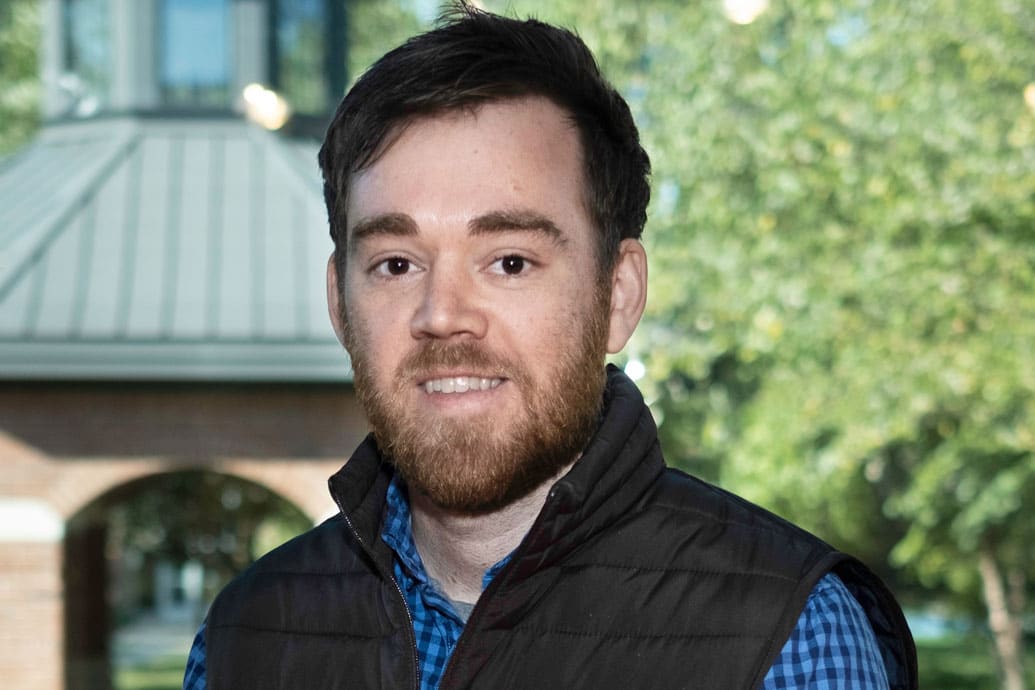
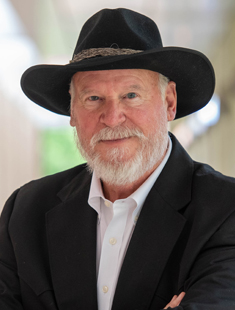
Dr. James N. Burdine serves as a Regents Professor in the Department of Health Behavior at Texas A&M University's School of Public Health, where he directed the Center for Community Health and Aging from 2001 until April 2024. An internationally recognized expert in rural community health development, he has held significant administrative roles including interim Department Head (2019-2021) and interim Dean of the School of Public Health (2013-2015), while pioneering community-based health assessment methodologies across the United States.
His academic credentials include:
- B.S. in Health Sciences from San Fernando Valley State College (1970)
- MPH in Community Health Education from California State University, Northridge
- DrPH in Health Behavior/Health Education from the University of North Carolina at Chapel Hill (2014)
Dr. Burdine's research centers on community health development and population-based health status assessment, with groundbreaking work in rural capacity building. His expertise spans developing cost-effective assessment techniques and national model programs like the Telebehavioral Health Care Program, emphasizing participatory approaches to empower communities in solving health challenges through sustainable local solutions.
Analysis of his recent publications (2019-2024) reveals consistent focus on health disparities in underserved populations, particularly examining diabetes management, mental health, cancer screening, and opioid crisis responses through community-based participatory frameworks. Geographic emphasis centers on the Brazos Valley region of Texas, with emerging work on immigrant health access and syndemic interactions among social determinants.
Key recognitions include:
- Delta Omega Public Health Honor Society membership
- Excellence in Practice Award from the School of Rural Public Health (2006)
- Consecutive Faculty Recognition Awards from the Department of Health Behavior (2004-2006)
Dr. Burdine has secured over $29.5 million in competitive funding from major agencies including the Robert Wood Johnson Foundation, CDC, and HRSA to support community health improvement initiatives. His extensive publication record (122 professional documents including 67 peer-reviewed articles) and 277 presentations demonstrate significant scholarly impact, though specific student advising details are not publicly documented. He maintains active roles in national health organizations and journal editorial boards.
He founded the Center for Community Health and Aging and established nationally recognized programs including the National Community Health Worker Training Center, reflecting his commitment to translating academic research into practical community health solutions through robust academic-community partnerships.