معرفی
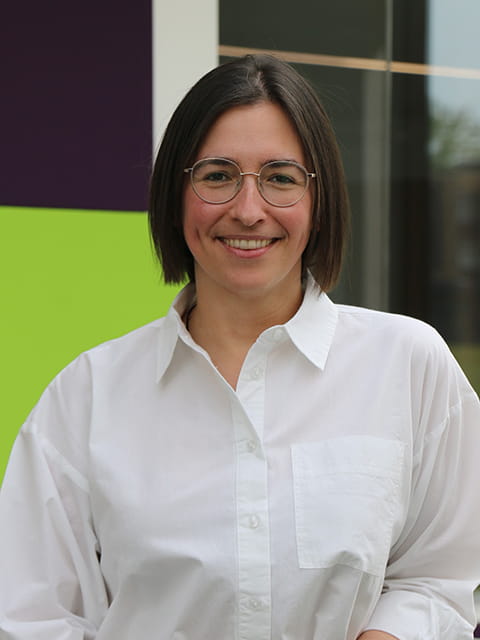
Dr. Sally A. M. Fenton is an Associate Professor in Lifestyle Behaviour Change at the School of Sport, Exercise and Rehabilitation Sciences, University of Birmingham. Her work integrates research, teaching, and leadership in physical activity promotion for clinical populations, particularly those with rheumatoid arthritis, liver disease, and lung cancer.
Education:
- BSc in Sport and Exercise Sciences, University of Birmingham (2008)
- PhD in Sport and Exercise Psychology, University of Birmingham (2014)
Her research focuses on the development and evaluation of theory-based, digital, and device-informed interventions to reduce sedentary behaviour and increase physical activity. She employs accelerometers and commercial wearables for both intervention delivery and outcome assessment. Her work is particularly impactful in chronic disease contexts, where behaviour change can significantly influence health outcomes.
Recent publications highlight her leadership in trials such as EXALT (liver transplantation) and ACE (active ageing), as well as her contributions to understanding smartphone policies in schools and sedentary behaviour measurement reliability in RA. These works span public health, clinical psychology, gerontology, and digital health, reflecting a multidisciplinary approach centered on real-world implementation.
Scientific Awards:
- NIHR Advanced Fellowship (MISSION-RA, NIHR301660)
Dr. Fenton supervises multiple PhD students and contributes to national and international research networks, including the EULAR IMPACT-RMD consortium (as behaviour change lead) and the PROPASS working group. She has served on the Chief Medical Officer’s Expert Committees for updating UK Physical Activity Guidelines and their surveillance. Her teaching includes modules on sport and health psychology, physical activity behaviour change, and measurement techniques.
She is actively involved in the NIHR Birmingham Biomedical Research Centre's sarcopenia and multi-morbidity theme, leading interventions to reduce sitting time and increase movement in clinical cohorts. Her current NIHR-funded MISSION-RA fellowship aims to integrate theory-based intervention design with data science to develop a digital behaviour change tool for RA patients.