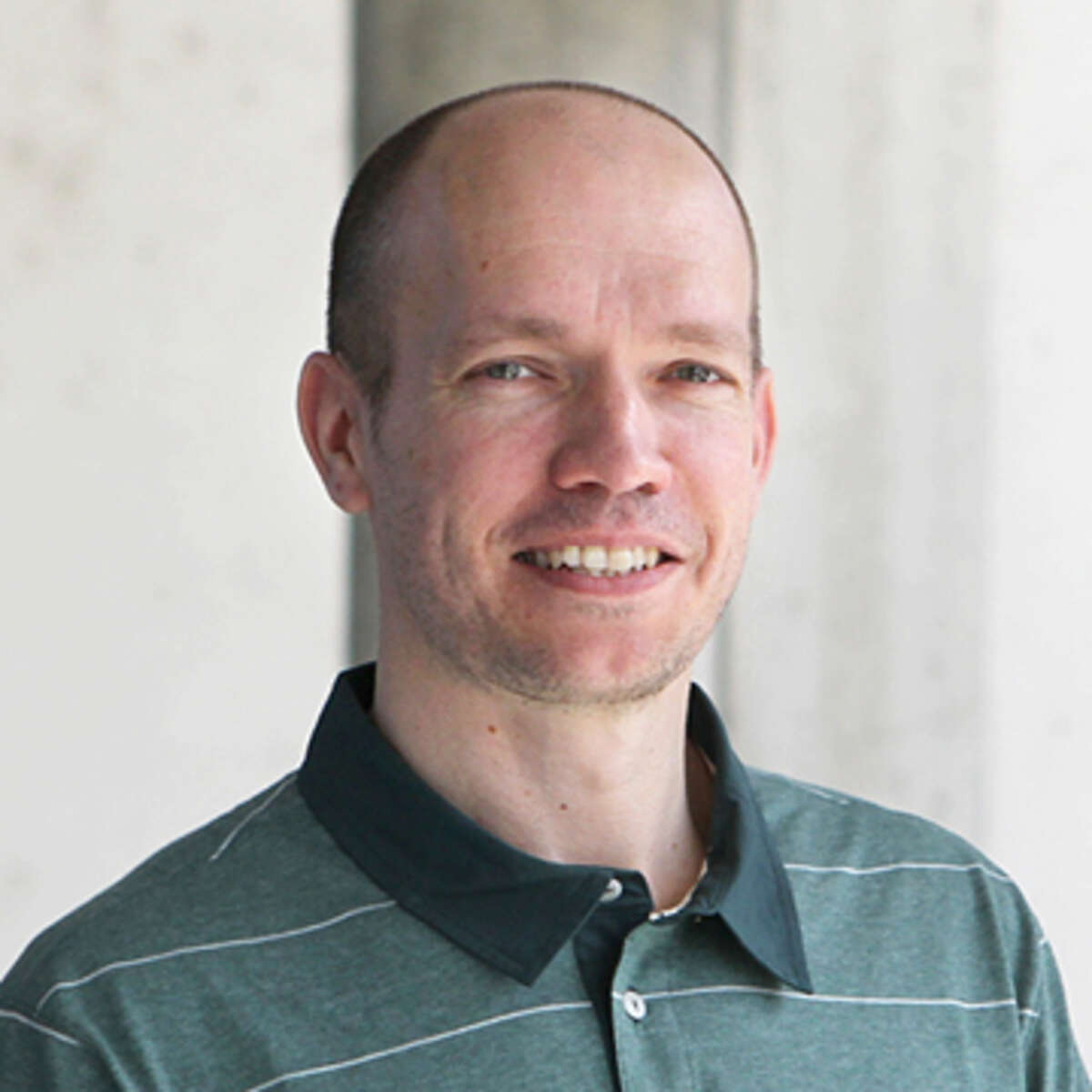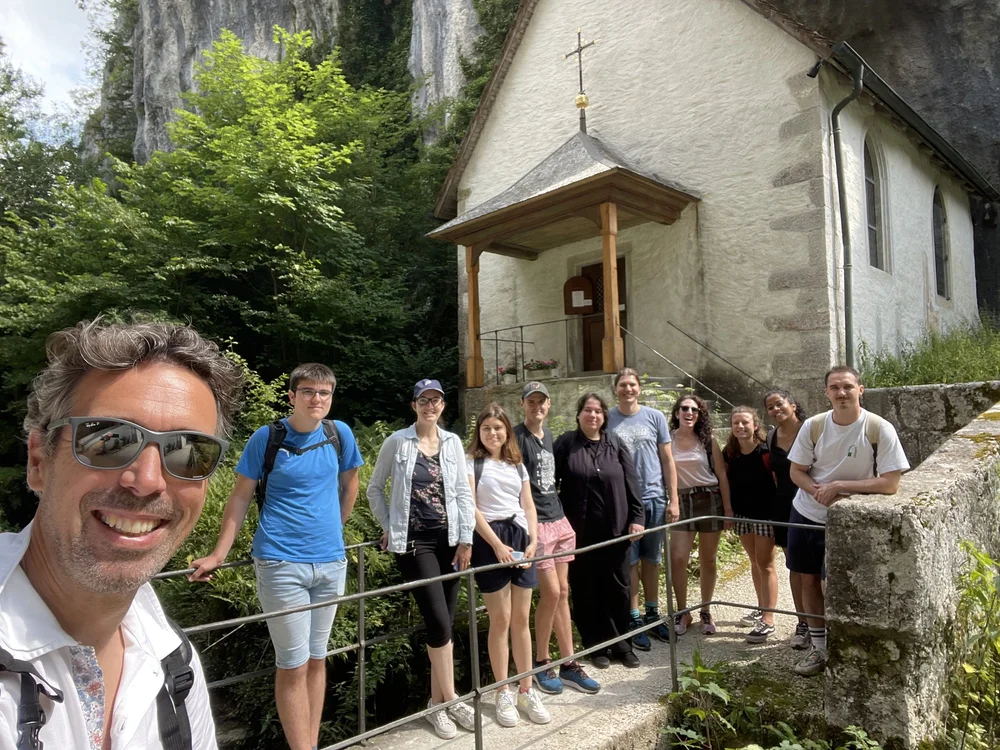
Prof. Torsten Ochsenreiter is a Group Leader at the Institute of Cell Biology, University of Bern, and part of the Multidisciplinary Center for Infectious Diseases (MCID). His research focuses on molecular parasitology, particularly on trypanosomes and malaria parasites, utilizing advanced microscopy techniques to study fundamental biological processes. His primary research interests include mitochondrial biogenesis, kinetoplast genome maintenance, RNA editing mechanisms, and cytoskeletal dynamics in Trypanosoma brucei . He investigates how mitochondrial DNA is segregated during cell division and how post-translational modifications regulate parasite transmission. His work bridges cell biology, structural biology, and infectious disease research to understand pathogenic mechanisms in neglected tropical diseases. Analysis of his recent publications reveals a consistent focus on the tripartite attachment complex (TAC), mitochondrial genome inheritance, and expansion microscopy applications. His research demonstrates how structural adaptations in parasite organelles enable survival and transmission, with significant implications for developing novel therapeutic strategies against African sleeping sickness and malaria. No scientific awards were mentioned in the provided text. Prof. Ochsenreiter advises students and leads an active research team at the University of Bern. The Ochsenreiter lab provides opportunities for undergraduate and graduate students to engage in cutting-edge parasitology research, though specific grant funding details were not provided in the text. The Ochsenreiter lab operates within the Institute of Cell Biology and specializes in molecular parasitology techniques including expansion microscopy, cryo-electron tomography, and genetic manipulation of trypanosomes. The team investigates mitochondrial biology and cytoskeletal organization to uncover vulnerabilities in parasite life cycles.